Caldereta Extremeña

A dehesa special occasion dish. Eat it in a Cáceres or Mérida asador on a Sunday; the liver sauce is the point.
Extremadura's lamb stew: young lamb braised in its own liver puréed with garlic, onion, peppers, wine and pimentón into a dark, rich sauce. A celebratory dish of the dehesa, traditionally cooked by shepherds.
At a Glance
- — You don't eat lamb
This celebratory lamb stew represents the rugged landscape of the dehesa, where young lamb is braised in a dark, complex reduction of its own liver, garlic, and pimentón. The sauce is the highlight—deeply colored and incredibly rich—carrying the earthy, herbal notes of the pasture-raised meat. It is a slow-cooked affair meant for Sunday afternoon gatherings in Cáceres or Mérida, demanding a glass of heavy red wine and a long, leisurely pace that respects the time invested in the kitchen.
How it got here
Extremadura sits between the Tagus and the Guadiana rivers, a frontier zone across the centuries. Transhumance drove the local economy as Merino sheep moved along the cañadas reales between northern pastures and southern winter grazing. This movement of livestock shaped the rural diet of the province. Shepherds carried garlic, pimentón, and salt to preserve their rations during long migrations. Over time, the culinary tradition hardened around these durable staples. Stewing the meat of the young lamb with the liver and dried peppers became a practical necessity for those working the land. This preparation evolved from campfires into a central point of provincial culinary identity.
Where it sits
The terrain consists of vast dehesa, a savanna of holm oaks where sheep graze beneath the canopy. Heat dominates the summer months, drying the grasses and silencing the countryside. The autumn rains bring a change in the vegetation, cooling the rocky soil that holds the weight of history. Travelers move between the stone plazas of the old towns on winding roads that trace the lines of the river valleys. This landscape stays quiet outside of the harvest and the seasonal festivals. It holds a rugged, open character that demands patience from anyone traveling through its borders.
What to eat and drink
Caldereta extremeña defines the local kitchen, using lamb braised in a base of fried bread, garlic, and pimentón. The liver provides the body for the dark reduction. Cooks often pair this heavy stew with robust red wines from the surrounding hills. Another staple, migas extremeñas, uses day-old bread sautéed with chorizo, garlic, and bacon, often served with peppers. Acorn-fed jamón ibérico provides the foundational flavor for almost every local soup or vegetable dish. These foods sustain the workers of the dehesa, relying on the quality of the pasture and the traditional methods of the village hearth.
Extremadura: the whole region
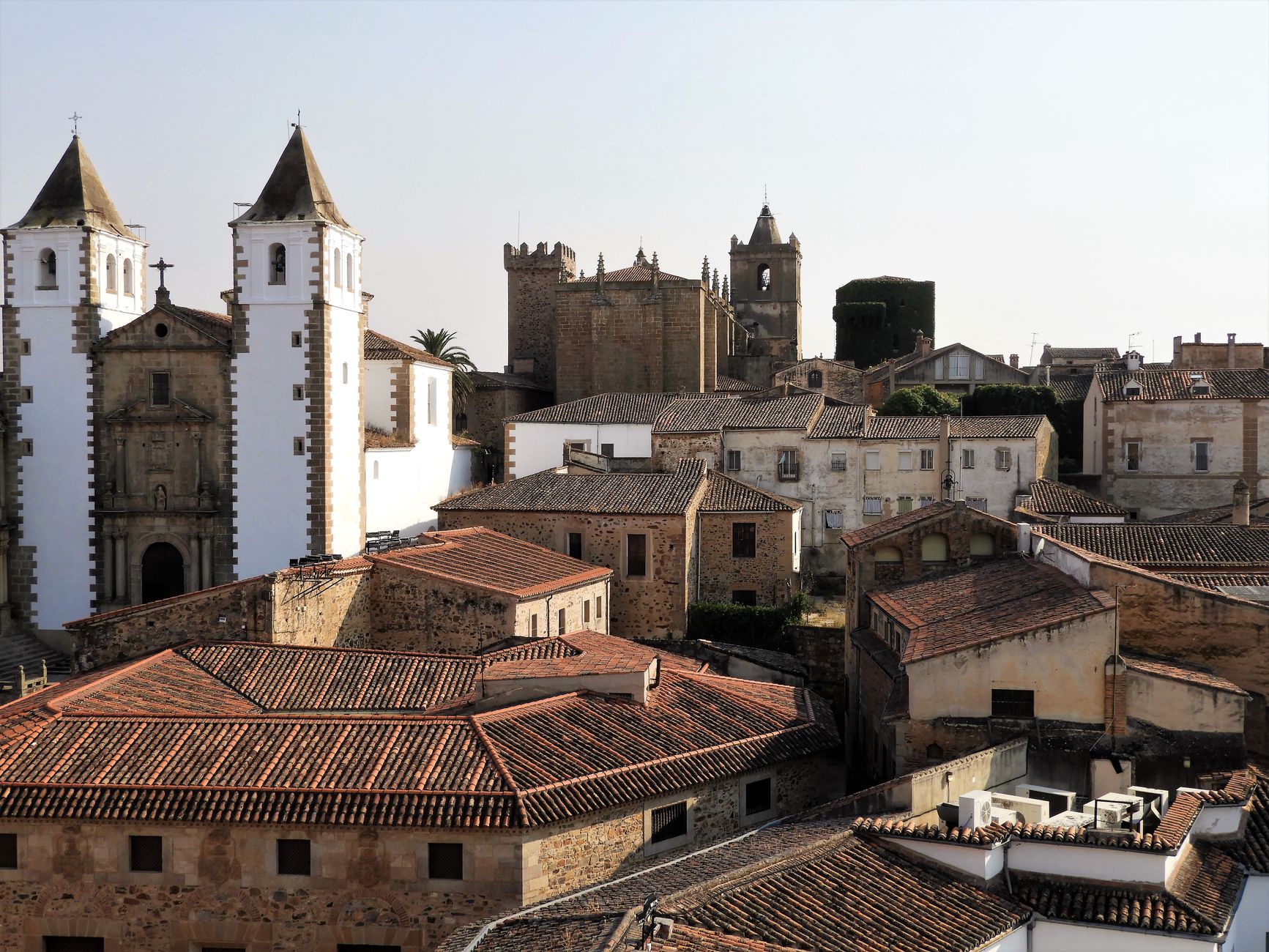
The emptiest region in Spain, and the one where the scale of the country is clearest: dehesa plains running to the horizon in every direction, hilltop towns built from the stone under them, and the best Roman remains in the country at…
Minimum 4 days · better 7-8 days · deep 12 days

Pair It With

In Extremadura


In Extremadura





Logistics are verified only. We don't publish schedules we haven't confirmed.
Ready to build Caldereta Extremeña into a trip?
You've found a place worth going. When you're ready to turn discovery into an itinerary, Travel Itinerary Co picks up where the Field Guide leaves off — with your saved places already in hand.
Build this into a tripContinues on Travel Itinerary Co
Spain Field Guide may earn a commission when you book through selected links. Recommendations are editorial and independent of commission.