Iglesia de la Santa Caridad
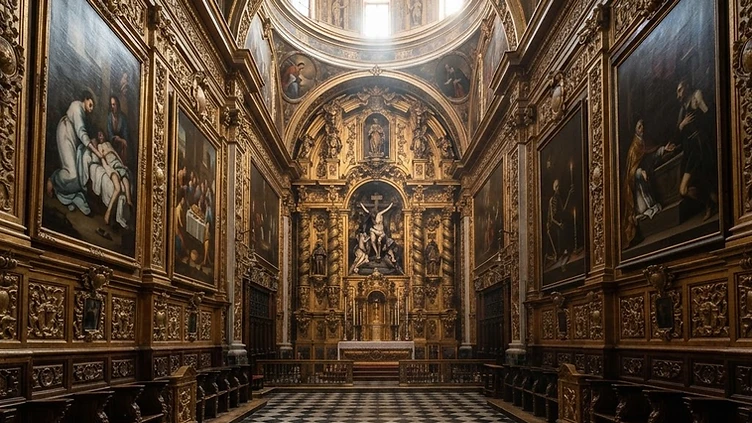
The most underrated stop in Seville: Murillo's cycle covers the nave and Valdés Leal's two memento mori canvases in the sacristy are the grimmest masterpieces in the city. Allow forty minutes, then walk out to the river — the Maestranza is next door.
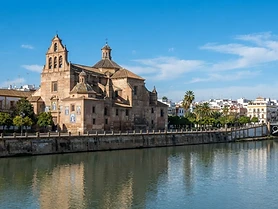
A 17th-century charity church and hospital on the Arenal side of the river, facing Triana, where Murillo's canvases fill the walls and Valdés Leal's Hieroglyphs of Death hang in the sacristy.
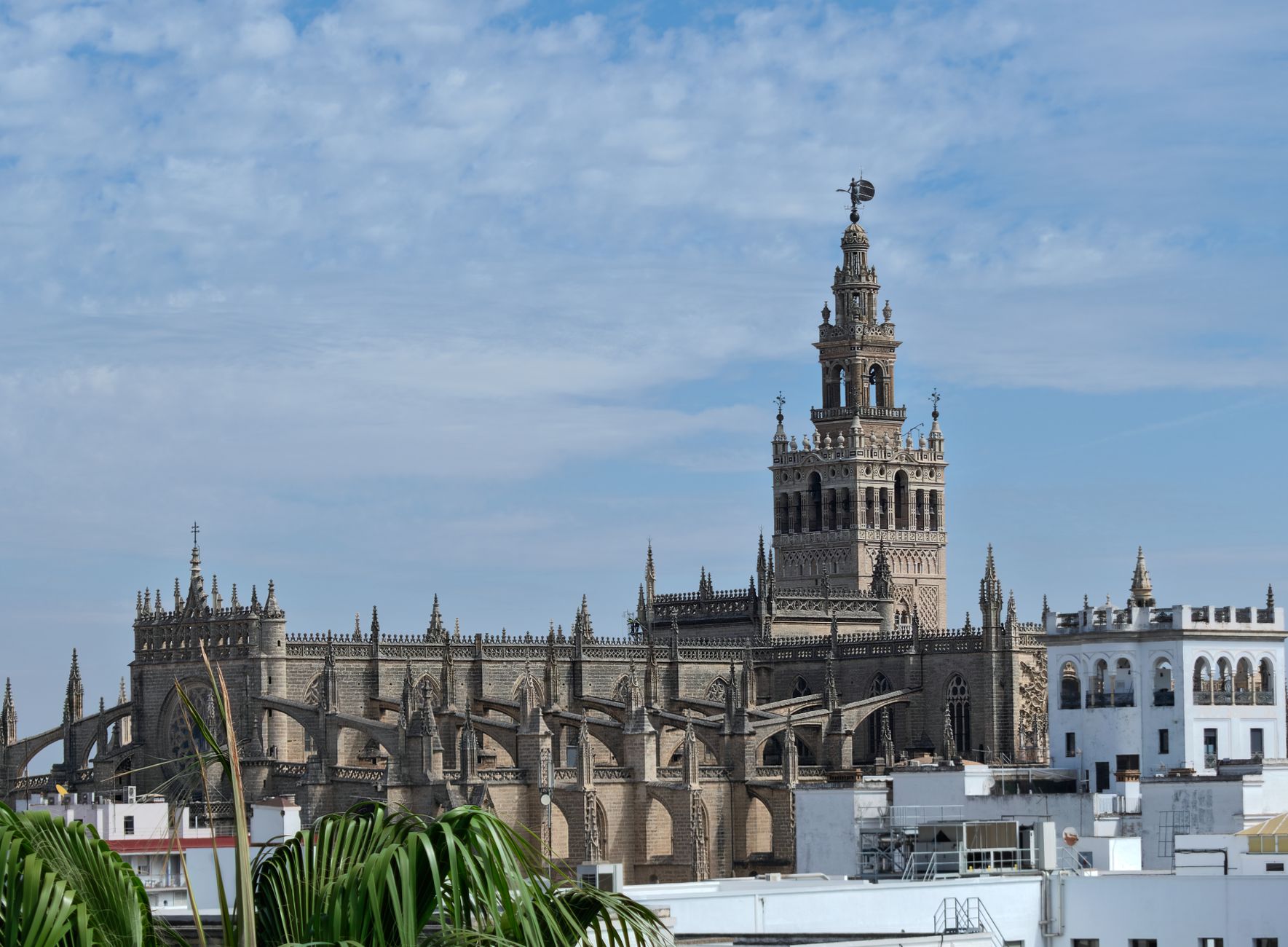
Seville Cathedral & La Giralda · Barrio Santa Cruz · Plaza de Toros de la Maestranza (Sevilla)
At a Glance
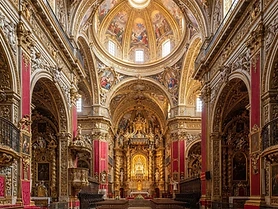
Few interiors in Seville pack more into less space. Murillo's charity scenes line the walls, and across from them hang Valdés Leal's two memento-mori paintings — a corpse mid-decay, a bishop's skeleton beneath his own coat of arms — deliberately gruesome by design. The hospital-church was founded by Miguel de Mañara, a reformed libertine, and the whole building reads as an argument about mortality dressed in gold leaf. Forty-five minutes covers it with no filler. It's a short walk from the Torre del Oro and the bullring, so fold it into either visit rather than making a special trip. Skip it only if Baroque excess and explicit death imagery aren't for you — this is one of the few interiors in the city built around a single, sustained idea.
How it got here
Seville grew as a major colonial port following the Castilian conquest and the opening of American trade routes. During the seventeenth century the Santa Hermandad de la Caridad expanded its mission to provide palliative care and burial for the city poor. Miguel de Mañara promoted the construction of the current hospital church to enforce the Catholic counter-reformation focus on charity and the inevitability of death. The interior design compels visitors to confront mortality through the stark realism of Murillo and Valdés Leal. This emphasis on spiritual preparation through art reveals the intense religious atmosphere that defined the social obligations of the Sevillian elite during the baroque period.
Where it sits
The building sits near the Guadalquivir river in the Arenal quarter. This sector served as the primary shipyard and commercial hub for the transatlantic fleet during the sixteenth century. Low lying streets packed with stone houses and heavy churches characterize the neighborhood. Summer heat radiates off the cobblestones and traps air in narrow alleys. During the spring processions the district overflows with spectators but remains quiet during the humid summer months. The proximity to the river means the site remains accessible by foot from the city center while remaining outside the most intense congestion of the Cathedral quarter.
What to eat and drink
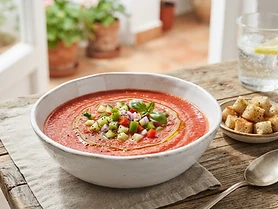
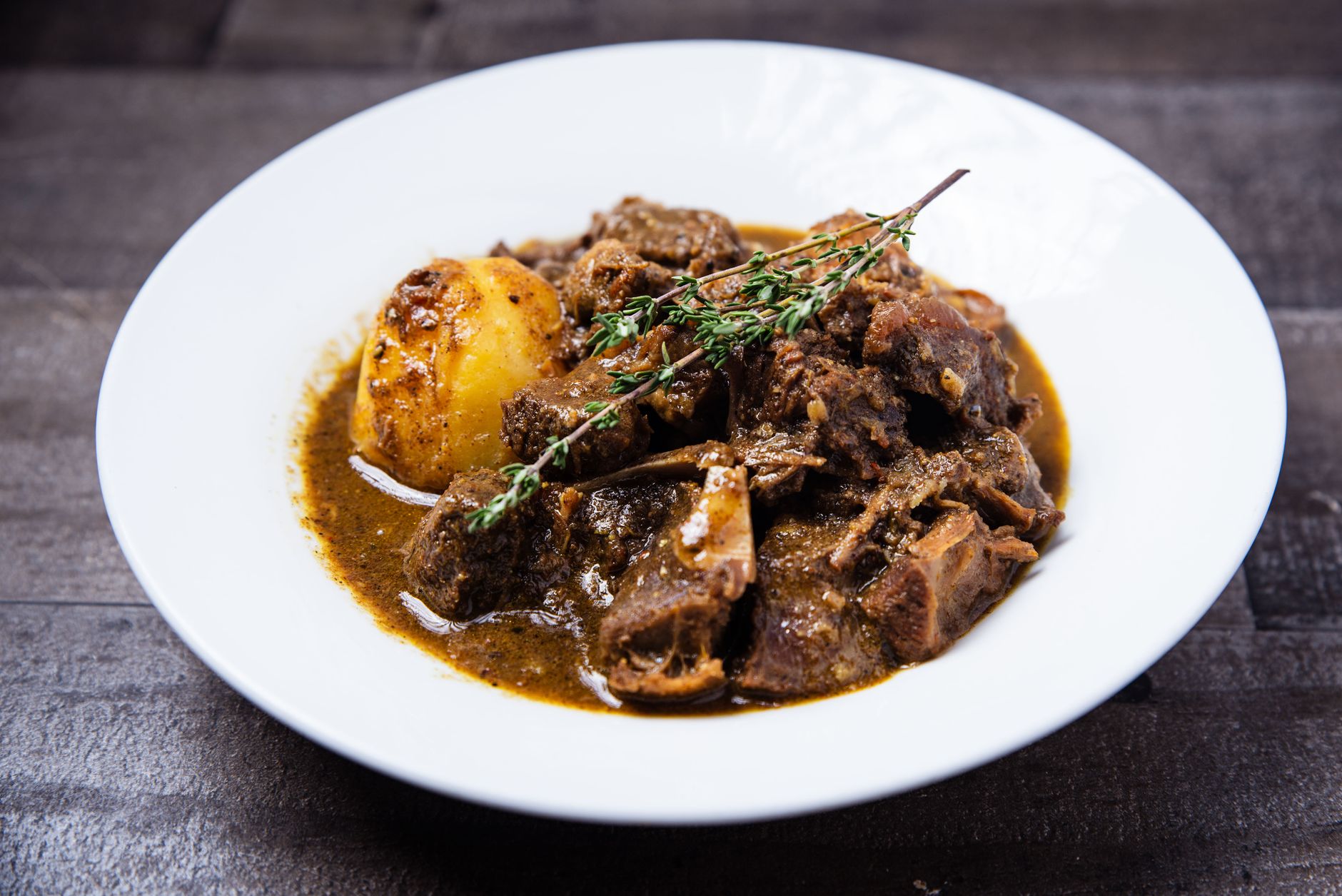
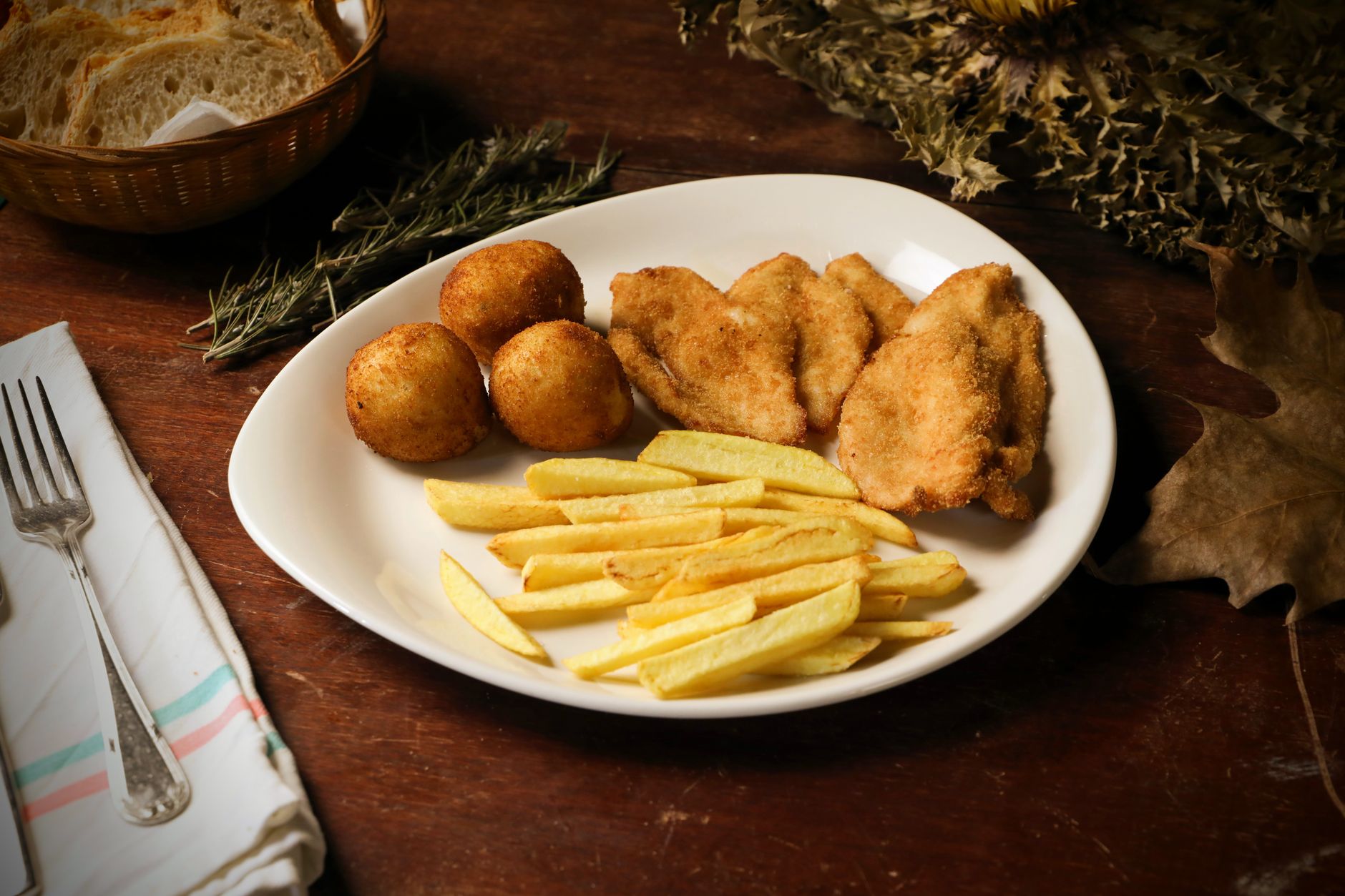
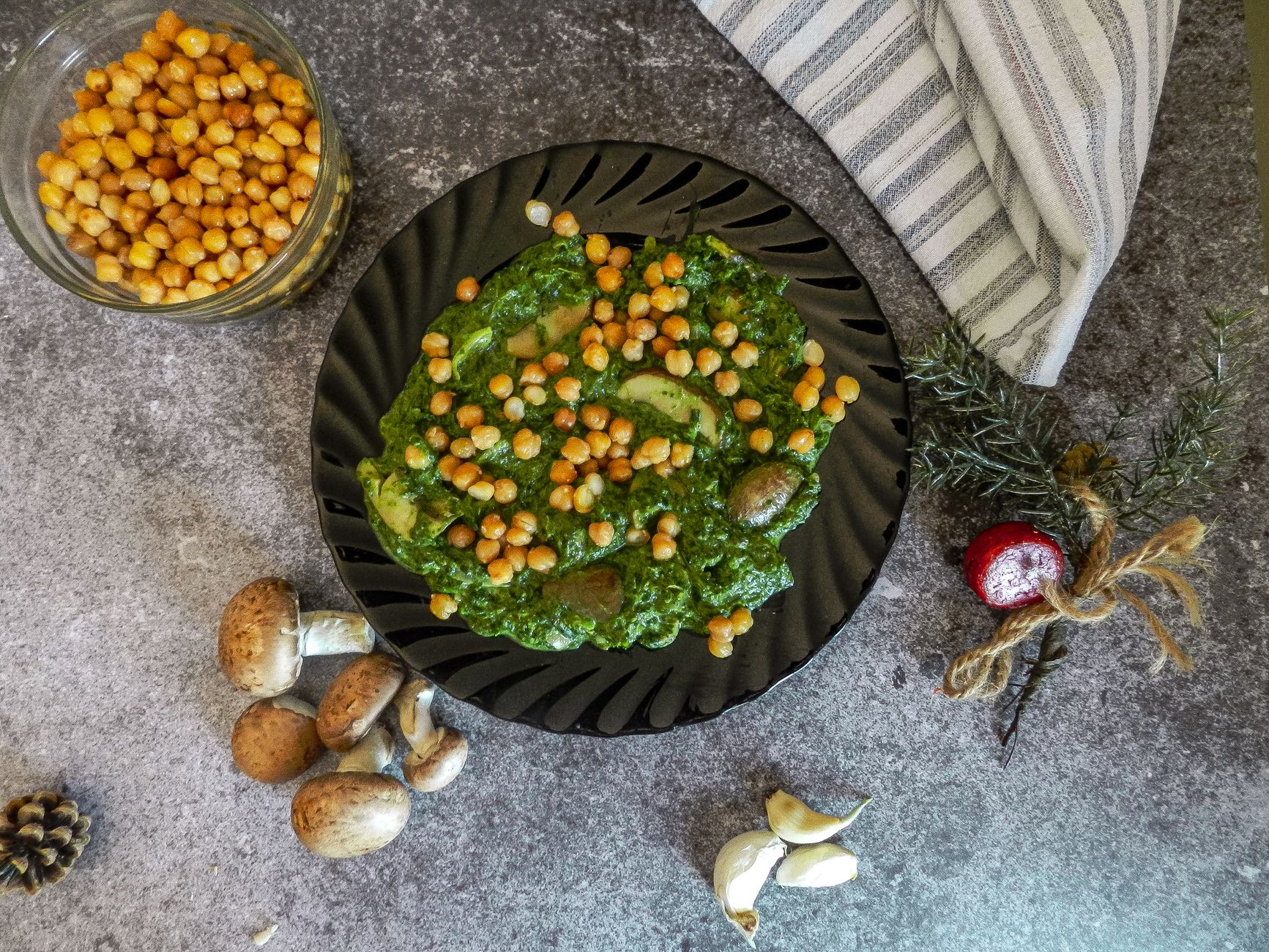
Sevillian kitchens rely on the heavy use of olive oil and seasonal produce from the surrounding Guadalquivir valley. Espinacas con garbanzos, a thick stew of spinach and chickpeas spiced with cumin, appears on nearly every local table. Salmorejo, a cold cream of puréed tomato, bread, garlic and oil, provides necessary relief from the heat. The province produces fortified wines in the nearby sherry triangle, though local bars favor Manzanilla, a dry pale wine aged under flor. Fried fish sourced from the nearby coast, often dusted in flour and cooked in hot oil, remains the standard afternoon snack.
Andalusia: the whole region
The Spain most first-time visitors are picturing: the Alhambra, orange trees, sherry, and a coastline that runs from windsurfing water to resort sprawl. It is also the region people most often ruin by underestimating it. Seville and…
Minimum 5 days · better 8–10 days · deep 2 weeks
What's Nearby


In Andalusia







In Andalusia


In Andalusia













Logistics are verified only. We don't publish schedules we haven't confirmed.
Experiences worth booking ahead
Spain Field Guide may earn a commission when you book through selected links. Recommendations are editorial and independent of commission.
Ready to build Iglesia de la Santa Caridad into a trip?
You've found a place worth going. When you're ready to turn discovery into an itinerary, Travel Itinerary Co picks up where the Field Guide leaves off — with your saved places already in hand.
Build this into a tripContinues on Travel Itinerary Co
Spain Field Guide may earn a commission when you book through selected links. Recommendations are editorial and independent of commission.