Jamón de Jabugo
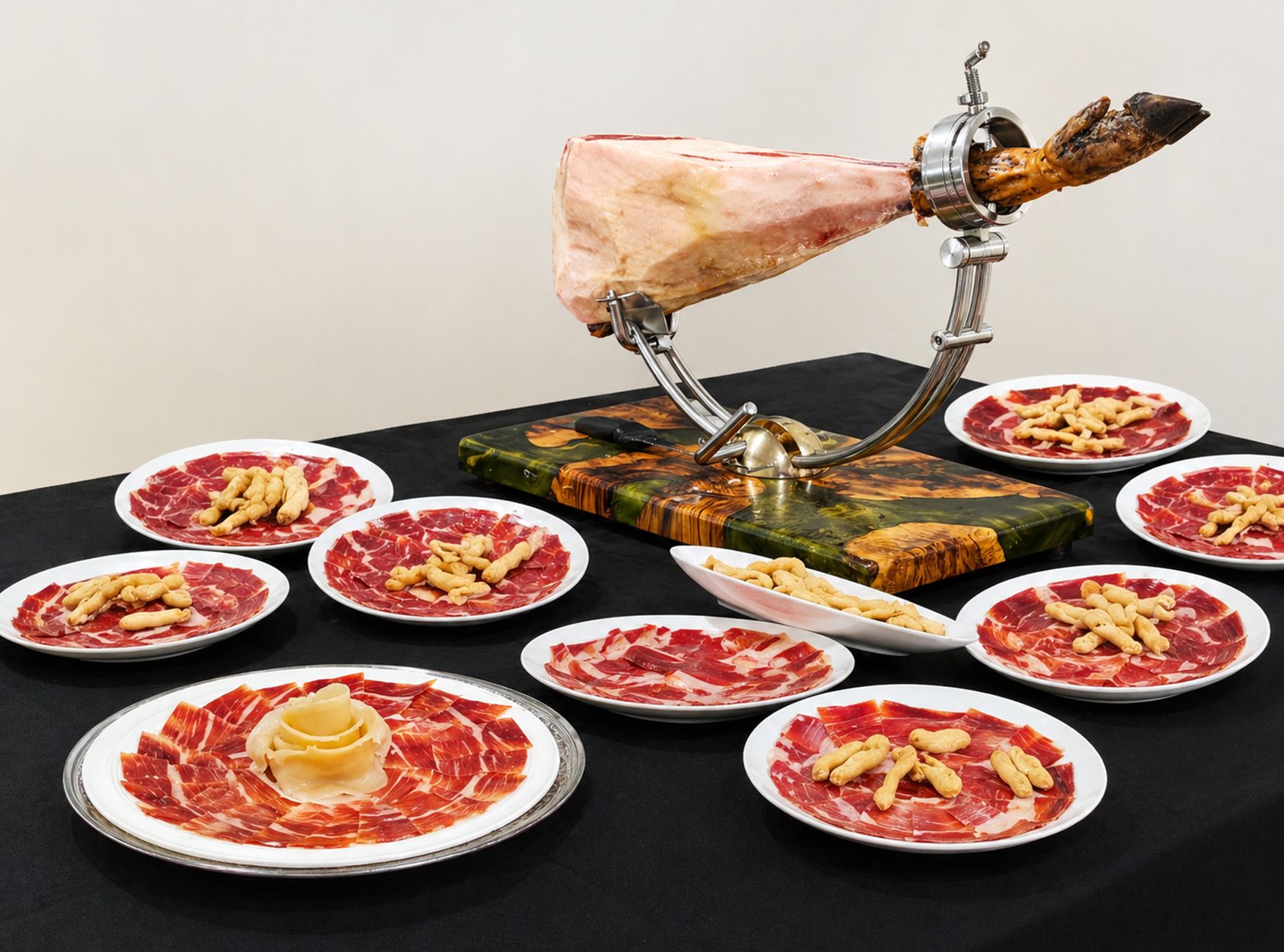
Recommended if you eat ham, and worth buying a leg rather than slices if you are driving home. Look at the tag before the price.
The best ham in Spain, bought where it is cured, at prices half of what you would pay abroad.
At a Glance
- — You want a cheap souvenir, or you have nowhere cool and dry to keep a leg
Jamón de Jabugo means a hind leg of Iberian pig, raised free in the dehesa eating acorns in the months before slaughter, salted and then cured in the mountain air of these villages for two to four years. The rules are strict and the price is high — a whole leg runs into several hundred euros — and the difference between this and a supermarket leg is not subtle: the fat is soft and nutty, the meat dark red, the salt barely there. Buy sliced by machine for everyday eating, hand-cut for guests, and keep it out of the fridge. The label matters: look for the black or red tag and the designation of origin.
How it got here
These Sierra de Aracena villages sit within a protected dehesa landscape where the seasonal cycle of the Iberian pig dictates the rhythm of the local economy. The pig grazes on acorns from holm and cork oaks, a practice rooted in the medieval land management systems of the Huelva mountains. The designation of origin protects this traditional production method, ensuring that the curing process utilizes the microclimate of the northern Huelva hills. Salted hams cure in the cool, humid mountain air for years, a labor-intensive practice that grew out of the necessity to preserve proteins in a remote, rugged territory once defined by transhumance routes.
Where it sits
The terrain transitions from the scorched coastal plains of Huelva to the high, forested ridges of the Sierra de Aracena. Broad-leafed oak forests dominate the valleys, punctuated by white-walled villages. Summer heat breaks earlier here than in the south, while winter rains turn the paths into mud. Narrow, winding roads connect the settlements, crossing granite outcrops and damp oak groves. Silence defines the surroundings outside of the harvest months. Travel requires patience on the steep inclines, and the scale of the landscape dwarfs the small, isolated hamlets that cling to the hillsides.
What to eat and drink
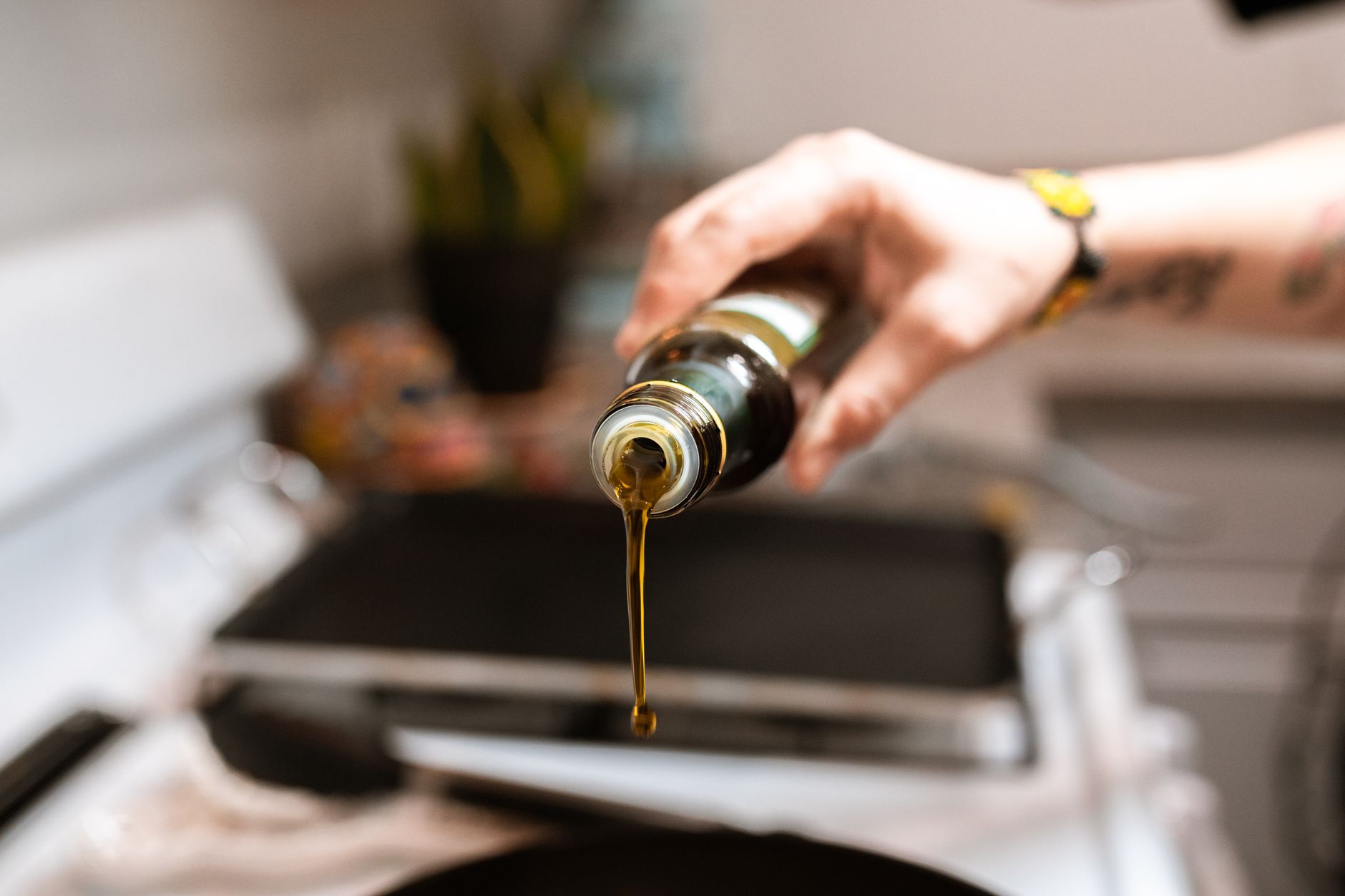
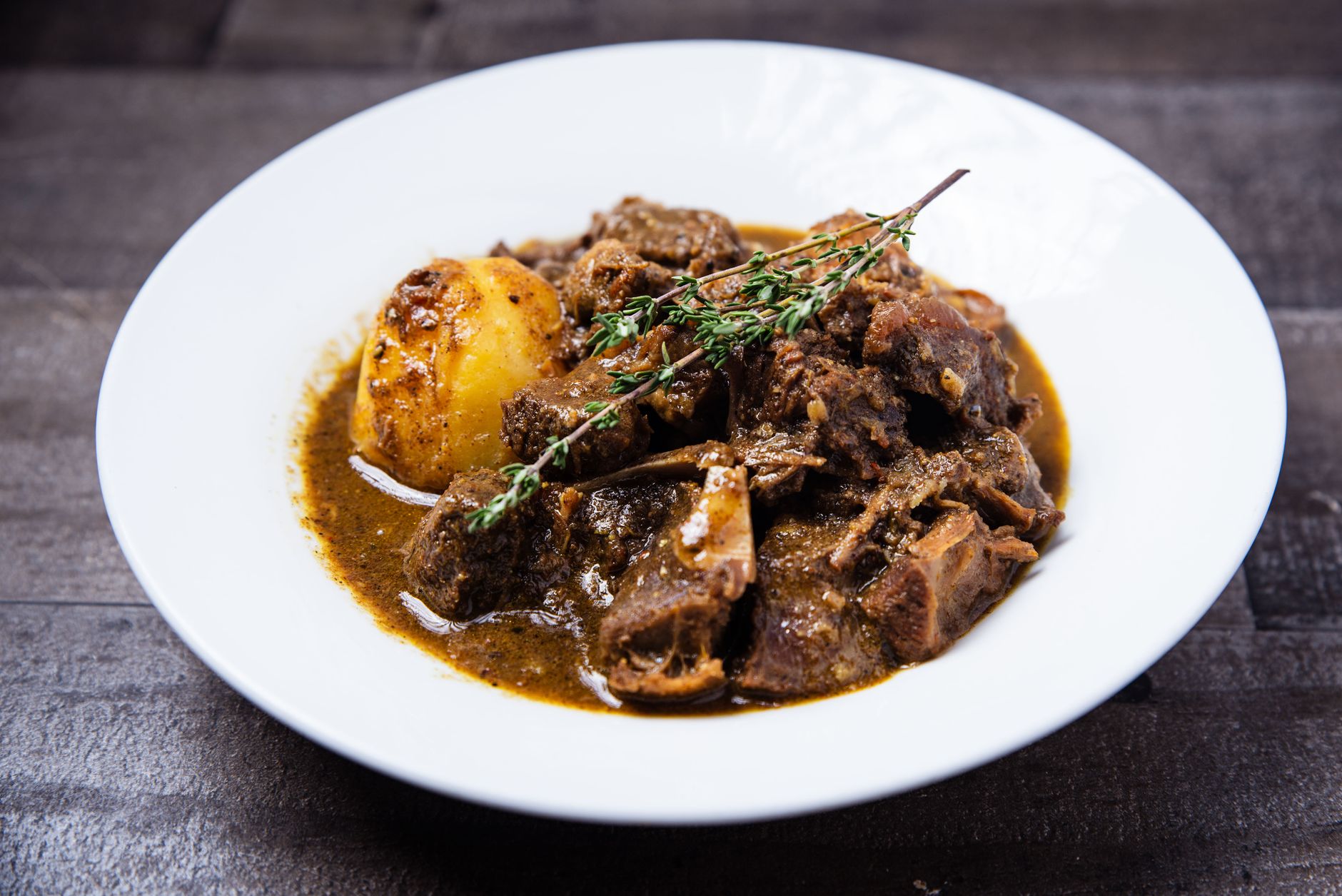
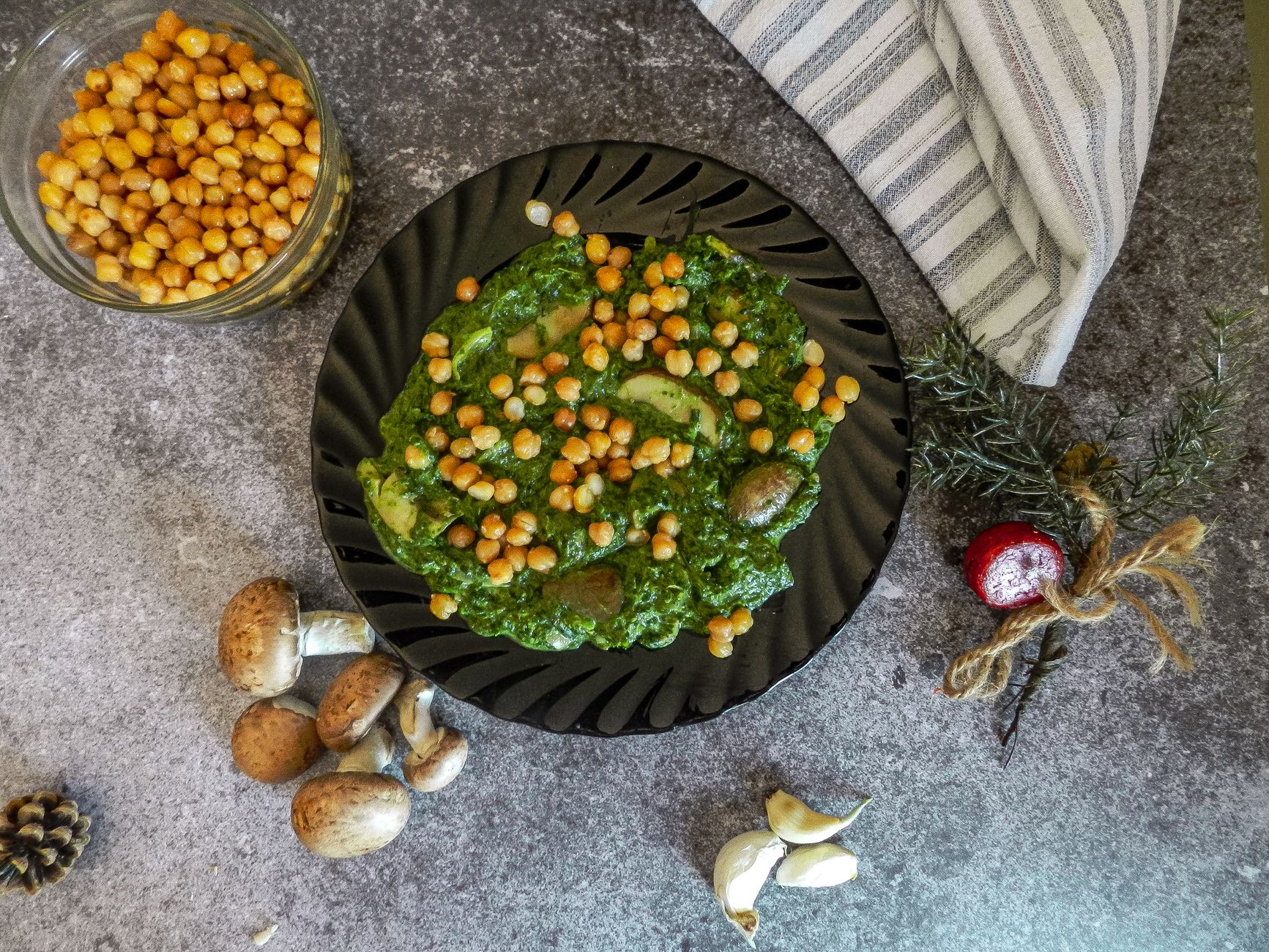
Jamón ibérico de bellota defines the local diet, its fat rendered translucent by the acorn diet. Plates of sliced ham accompany local olive oils and rustic breads. Tostadas with aceite de oliva virgen extra and tomatoes serve as a morning staple. When dining, look for carrillada ibérica, slow-cooked pork cheeks braised in red wine. Mushrooms collected from the surrounding forests appear in autumn, often sautéed with garlic and wild herbs. Dry fino sherry from the nearby Jerez region provides the sharp acidity necessary to cut through the heavy, cured fats of the mountain ham.
Andalusia: the whole region
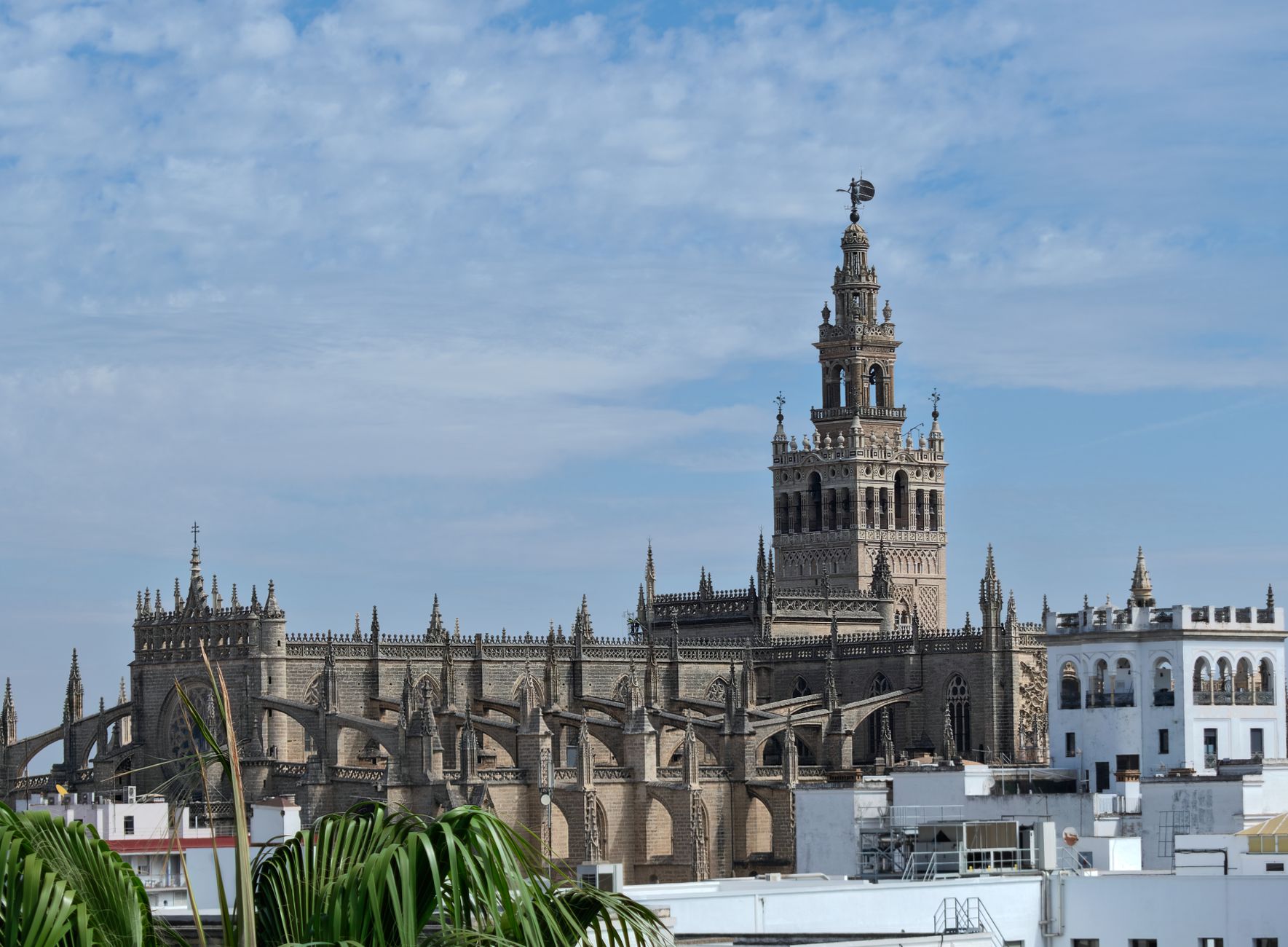
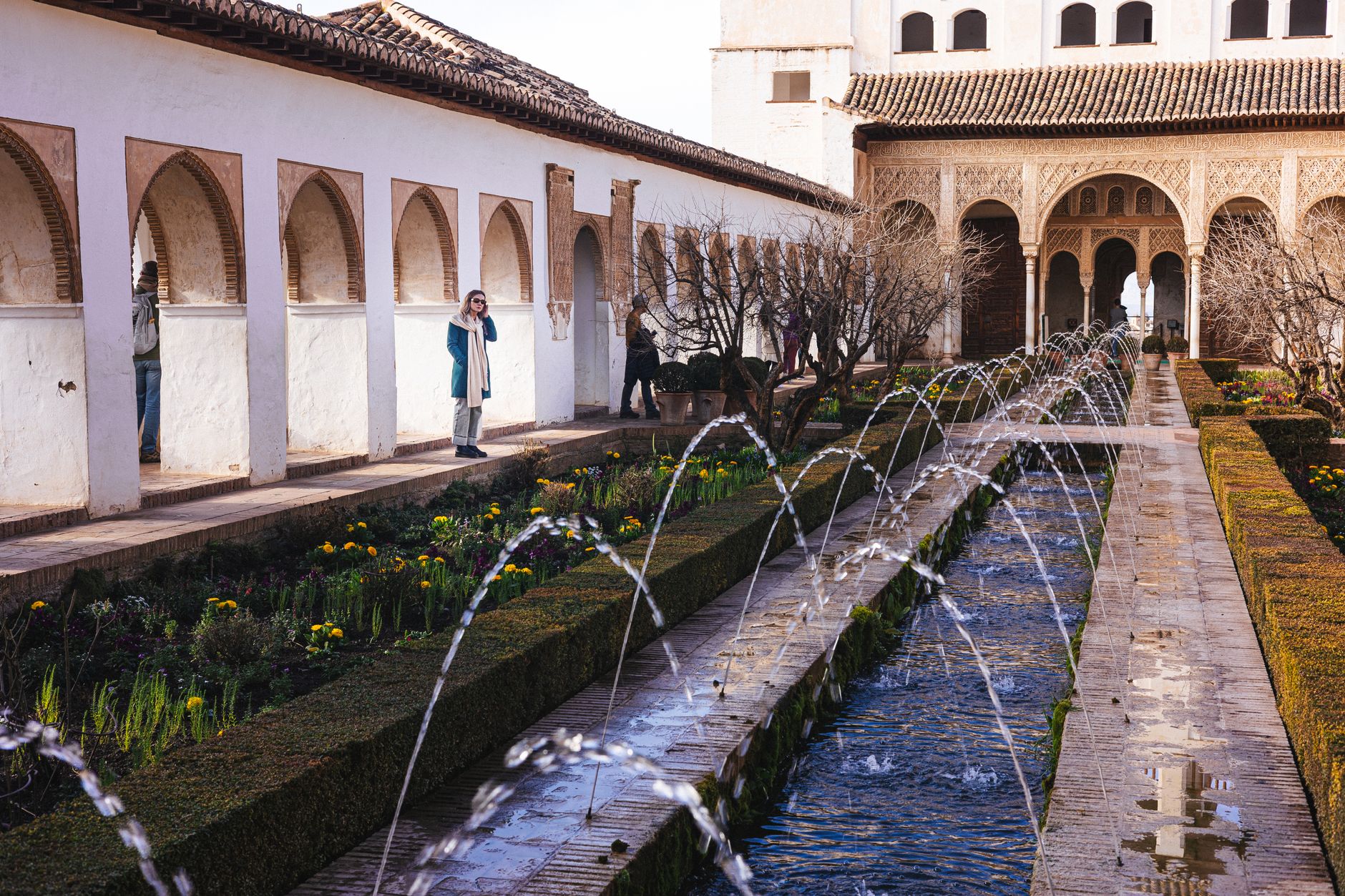
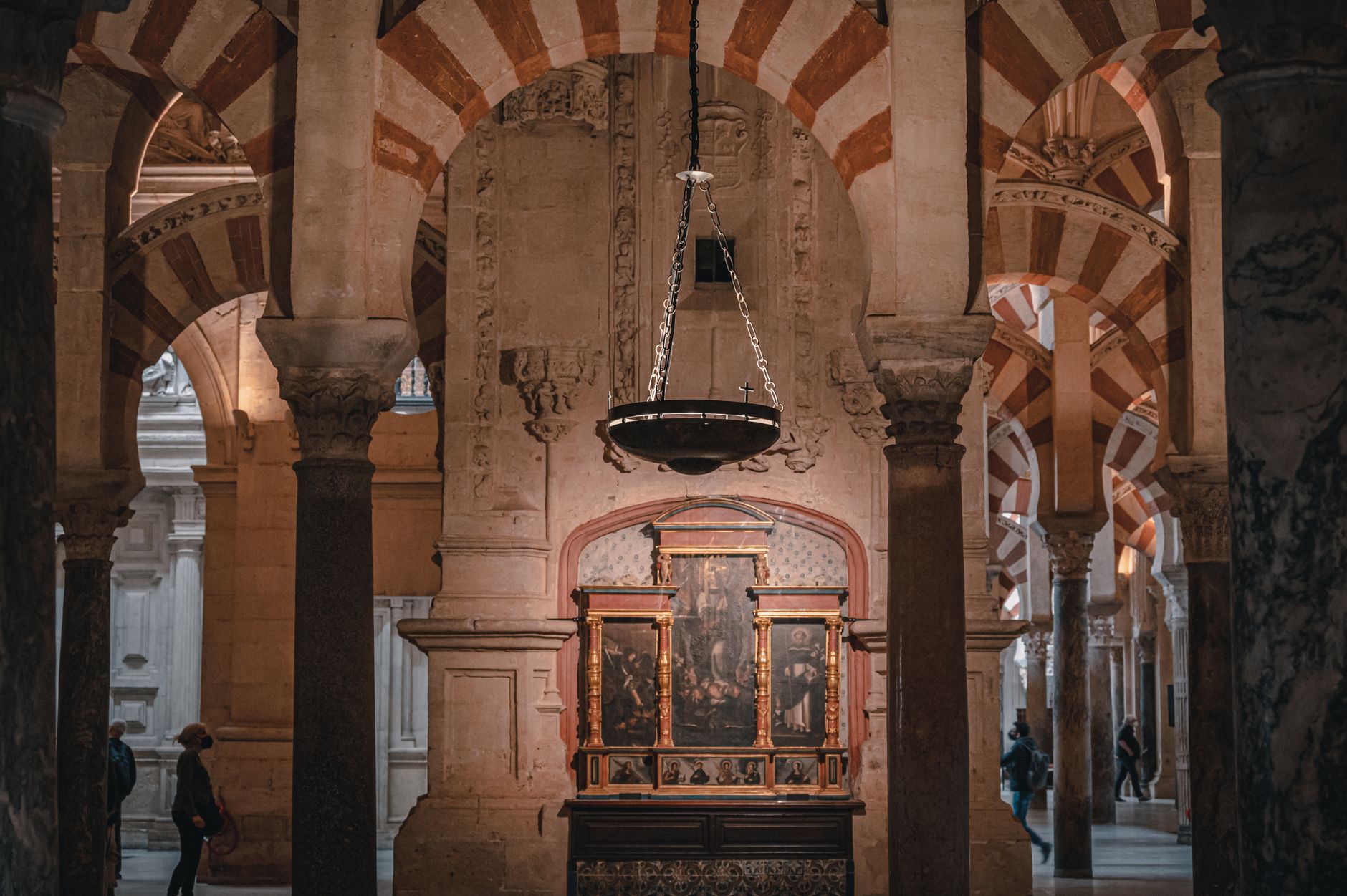
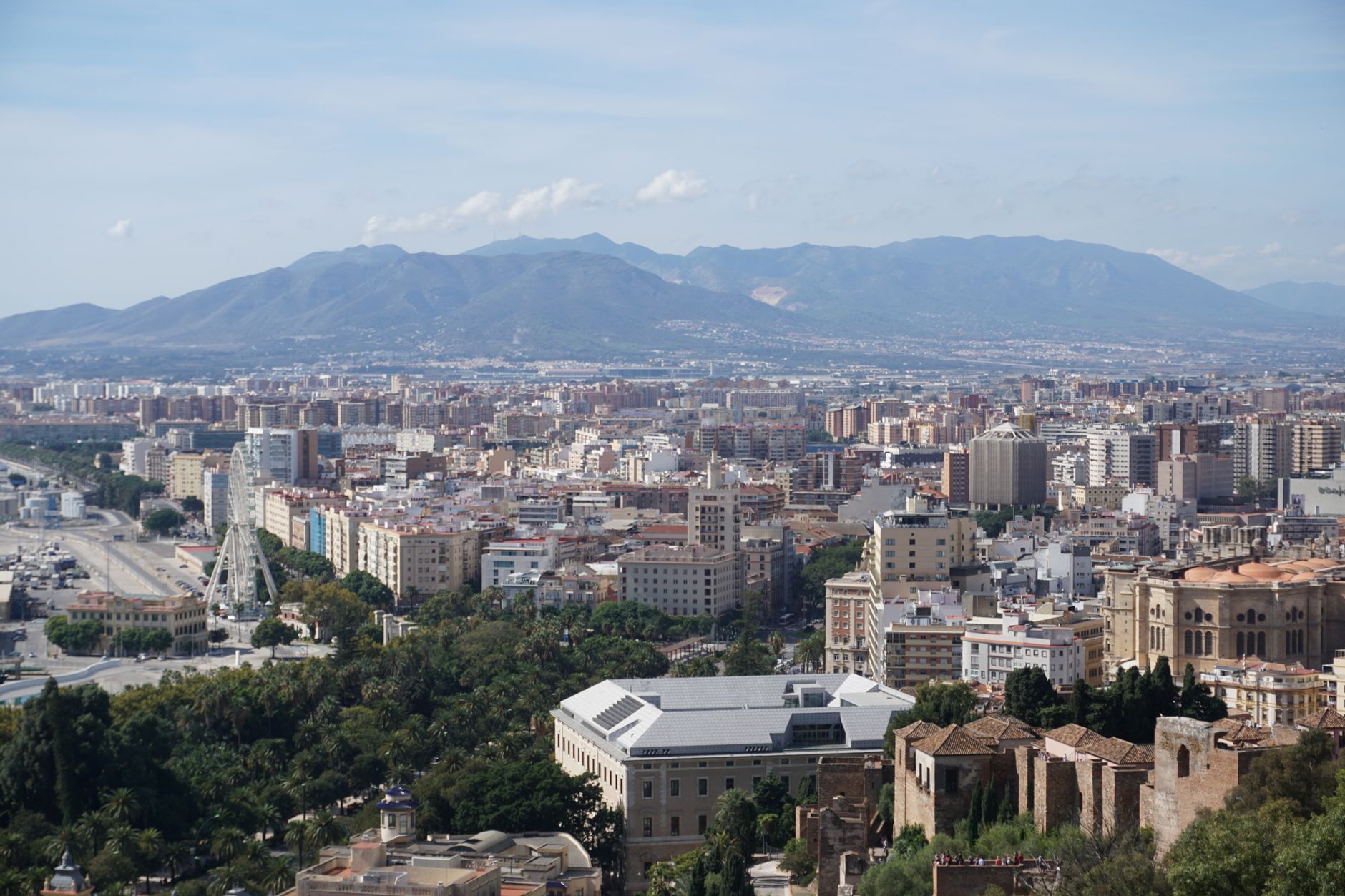
The Spain most first-time visitors are picturing: the Alhambra, orange trees, sherry, and a coastline that runs from windsurfing water to resort sprawl. It is also the region people most often ruin by underestimating it. Seville and…
Minimum 5 days · better 8–10 days · deep 2 weeks


In Andalusia






In Andalusia


In Andalusia





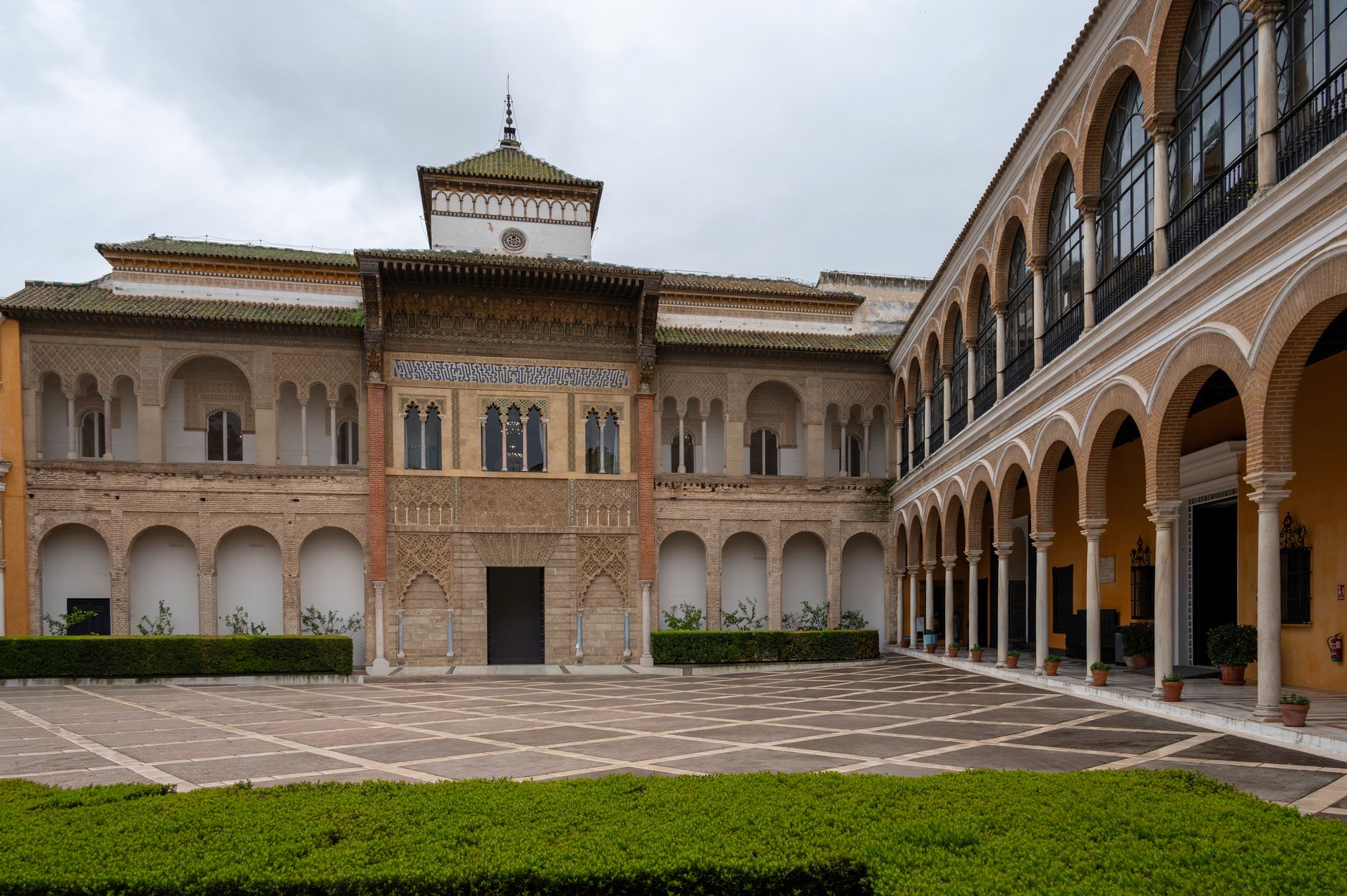


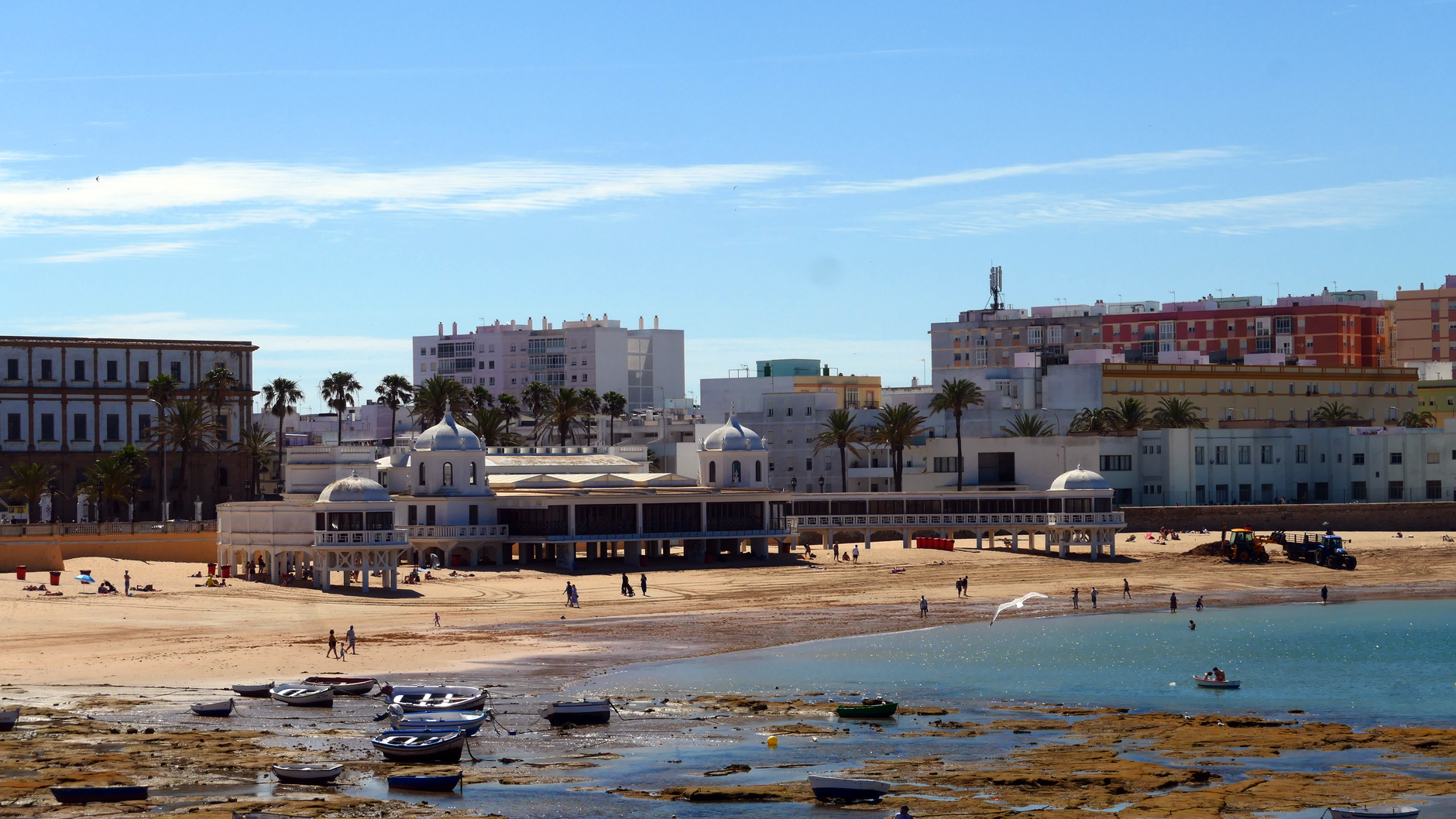









Logistics are verified only. We don't publish schedules we haven't confirmed.
Ready to build Jamón de Jabugo into a trip?
You've found a place worth going. When you're ready to turn discovery into an itinerary, Travel Itinerary Co picks up where the Field Guide leaves off — with your saved places already in hand.
Build this into a tripContinues on Travel Itinerary Co
Spain Field Guide may earn a commission when you book through selected links. Recommendations are editorial and independent of commission.