Metropol Parasol

Go up at sunset for the panoramic walk and a €3 drink. The Roman ruins in the basement (Antiquarium) are the surprise underneath.
The 'Mushrooms of the Encarnación' — Jürgen Mayer's 30m-tall wooden parasol, the world's largest timber structure, with a rooftop walk over the old town. The most divisive modern sight in Seville.
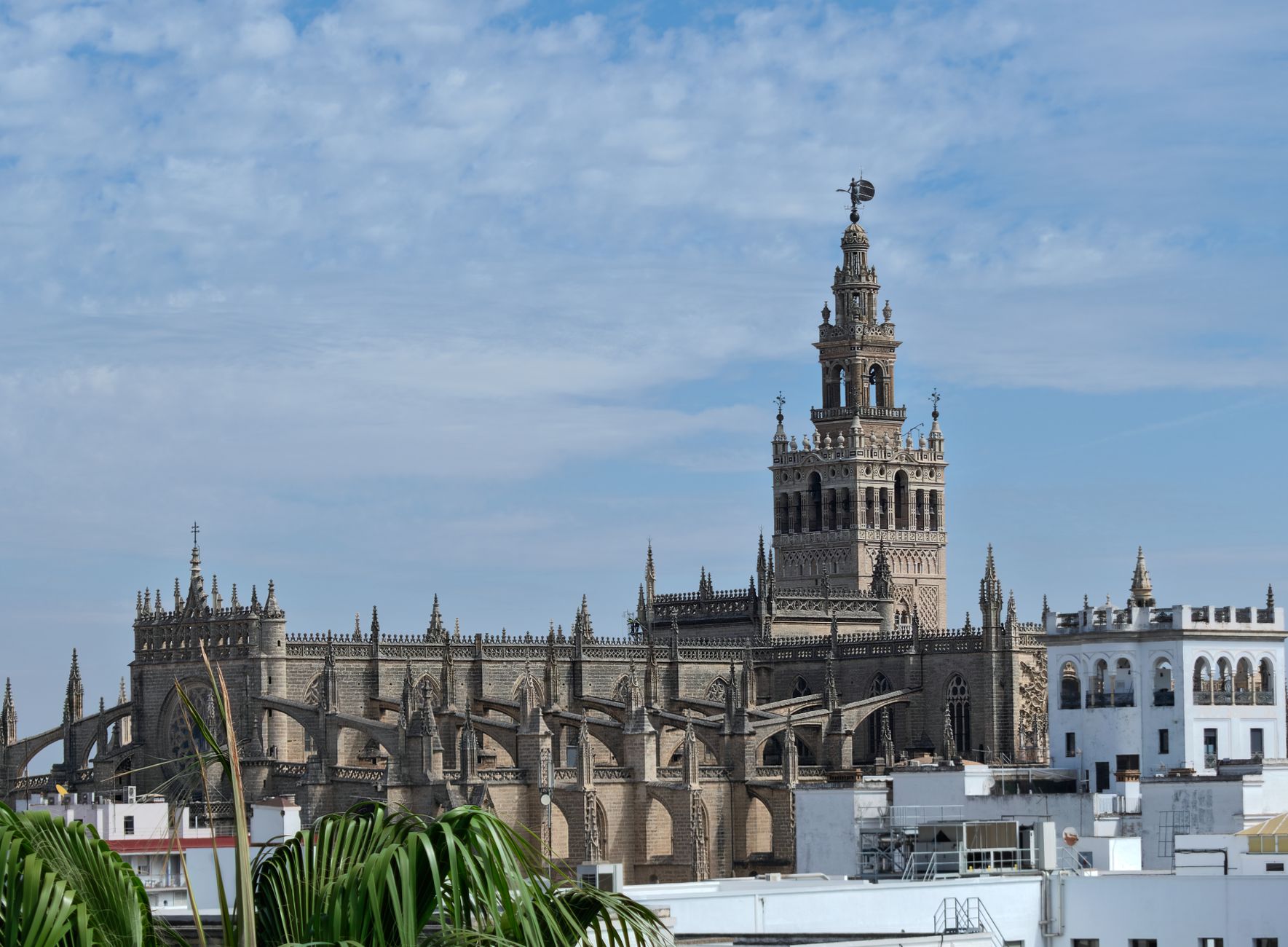
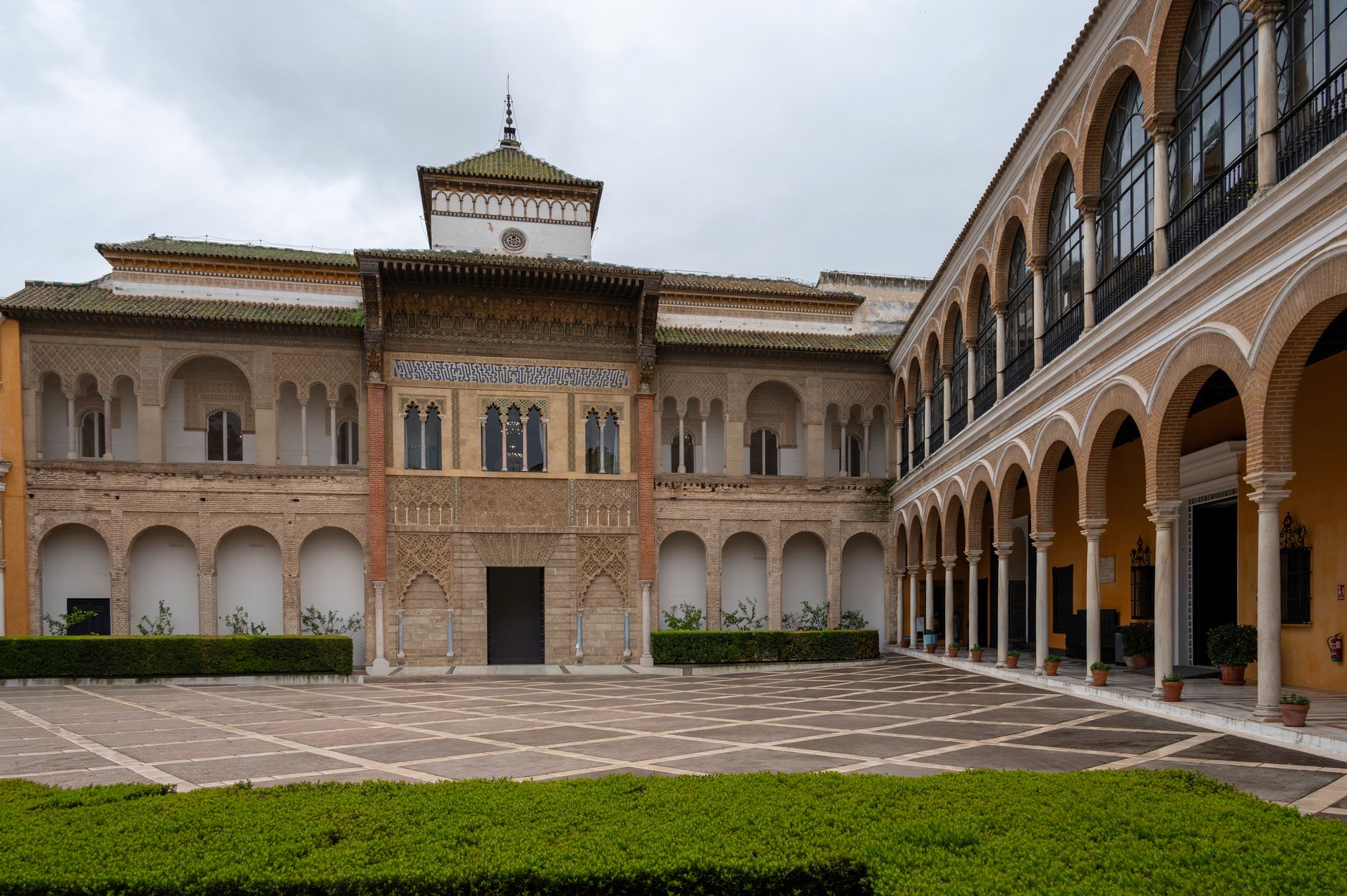
Seville Cathedral & La Giralda · Alcázar de Sevilla · Barrio Santa Cruz
At a Glance
- — You hate contemporary architecture
Locals in Seville still argue about whether this cluster of mushroom-shaped wooden canopies, designed by Jürgen Mayer and claimed as the world's largest timber structure, improved the old town square or ruined it. The rooftop walkway lets you cross above the terracotta roofs of the historic center at an angle you can't get anywhere else in the city, and it's worth timing for sunset over a drink at the top rather than a midday pass. Underneath, almost as an afterthought, the Antiquarium holds Roman and Moorish ruins uncovered during construction — a quiet, air-conditioned contrast to the structure above. Forty-five minutes is enough. Skip it if contemporary architecture jars against old-town stone for you; this one is genuinely divisive, not universally admired.
How it got here
Plaza de la Encarnación served as the site of a permanent food market from the mid-nineteenth century until its demolition in 1973. For decades, the ground stood barren as architects and city planners debated the future of the space. Excavations during the construction of the current timber structure revealed a wealth of Roman and Islamic remains dating from the first to the thirteenth century. These ruins now inhabit the lowest level of the site. This layering of Roman salting tanks and Moorish residential walls beneath a contemporary wooden canopy maps the physical history of Seville from the Roman era to the modern period.
Where it sits
Seville sits on the flat, alluvial plains of the Guadalquivir River in a region defined by extreme summer heat. The site occupies the old town center, where narrow medieval streets meet the broader geometry of urban redevelopment. During the long, arid summers, temperatures often exceed forty degrees Celsius, leaving the plazas empty until the sun dips behind the cathedral and Giralda. The arrival of spring brings the scents of bitter orange blossoms and jasmine to the surrounding stone corridors. Visitors arrive on foot through the dense, labyrinthine alleys that characterize the historical core of this Andalusian provincial capital.
What to eat and drink
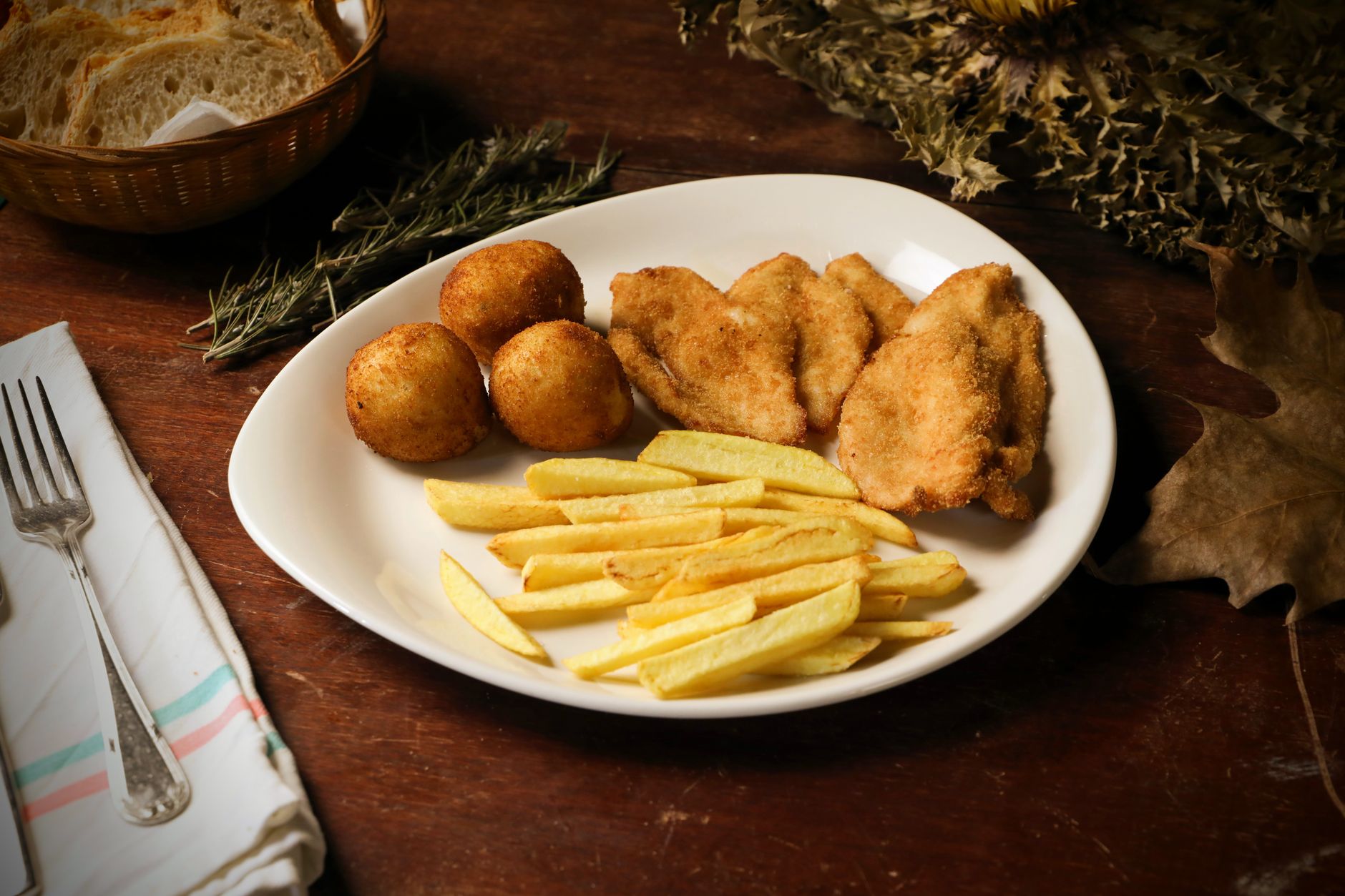
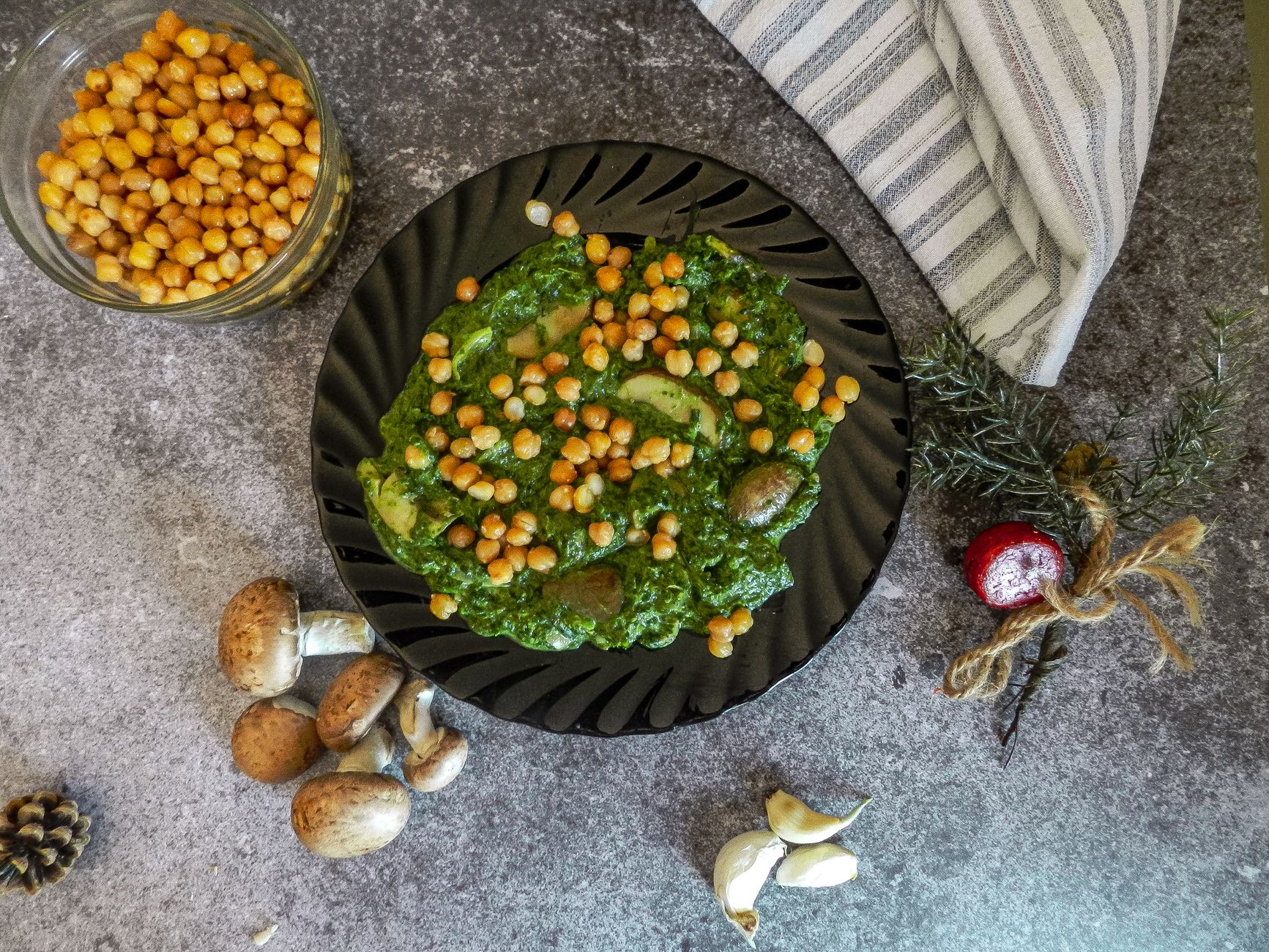
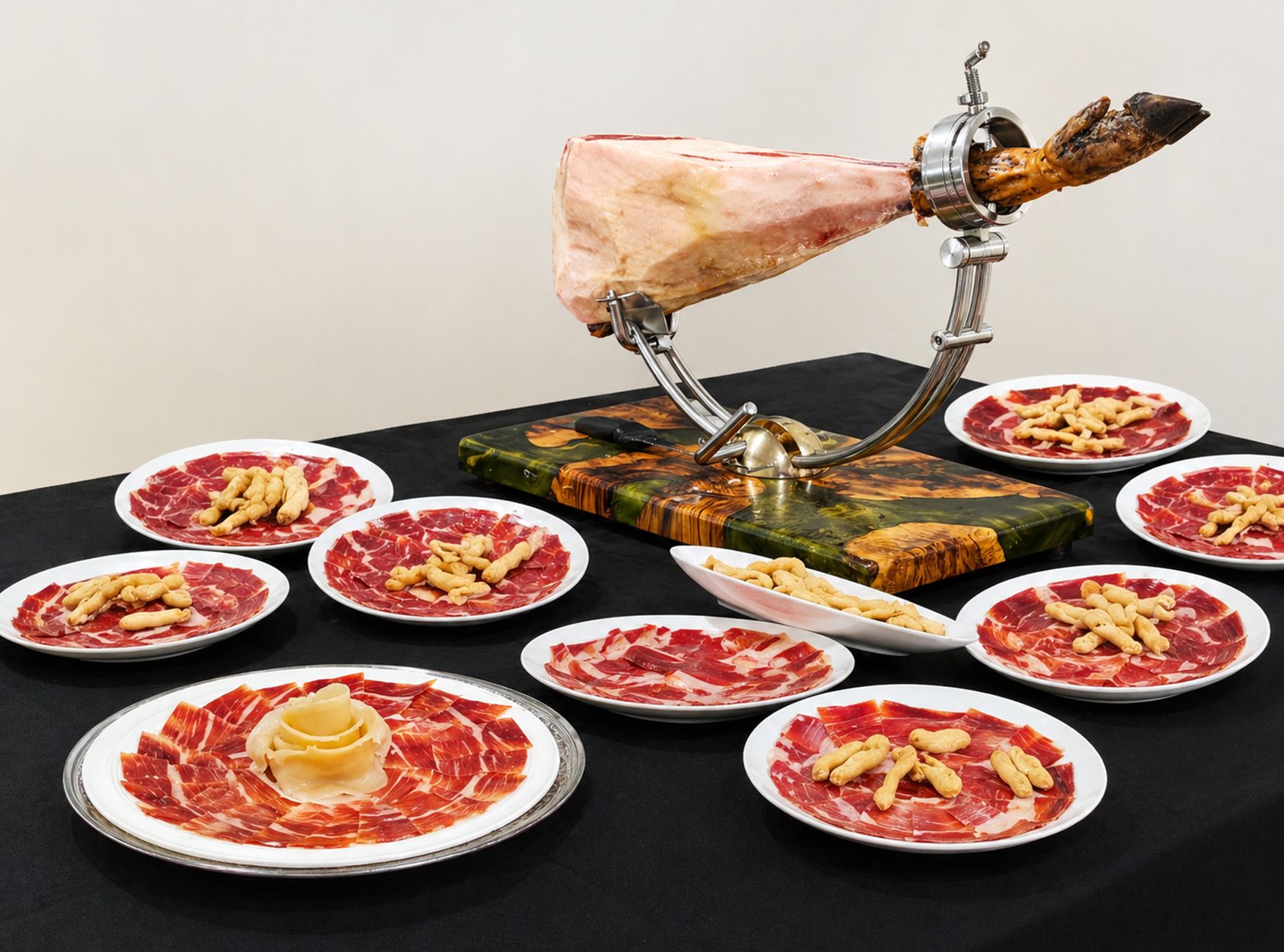
The culinary traditions of Seville rely on the bounty of the nearby countryside and the Atlantic coast. Espinacas con garbanzos, a thick stew of spinach and chickpeas seasoned with cumin and fried bread, dates to the city's Moorish past. Pringá, a slow-cooked mash of pork, chorizo, and morcilla, appears frequently as a tapa. Local bars pour manzanilla, a dry, pale sherry from nearby Sanlúcar de Barrameda, which cuts the richness of fried fish like adobo, pieces of dogfish marinated in vinegar and oregano, dusted in flour, and flash-fried in olive oil.
Andalusia: the whole region
The Spain most first-time visitors are picturing: the Alhambra, orange trees, sherry, and a coastline that runs from windsurfing water to resort sprawl. It is also the region people most often ruin by underestimating it. Seville and…
Minimum 5 days · better 8–10 days · deep 2 weeks
Pair It With


In Andalusia






In Andalusia


In Andalusia













Linked from elsewhere
Entries that name this place in their own nearby lists.
Logistics are verified only. We don't publish schedules we haven't confirmed.
Experiences worth booking ahead
Spain Field Guide may earn a commission when you book through selected links. Recommendations are editorial and independent of commission.
Ready to build Metropol Parasol into a trip?
You've found a place worth going. When you're ready to turn discovery into an itinerary, Travel Itinerary Co picks up where the Field Guide leaves off — with your saved places already in hand.
Build this into a tripContinues on Travel Itinerary Co
Spain Field Guide may earn a commission when you book through selected links. Recommendations are editorial and independent of commission.