Pescaíto Frito

Eat it standing, at a beachside chiringuito, with a cold cruzcampo. Anything fried ahead and held warm is the wrong dish.
At a Glance
- — You avoid fried food
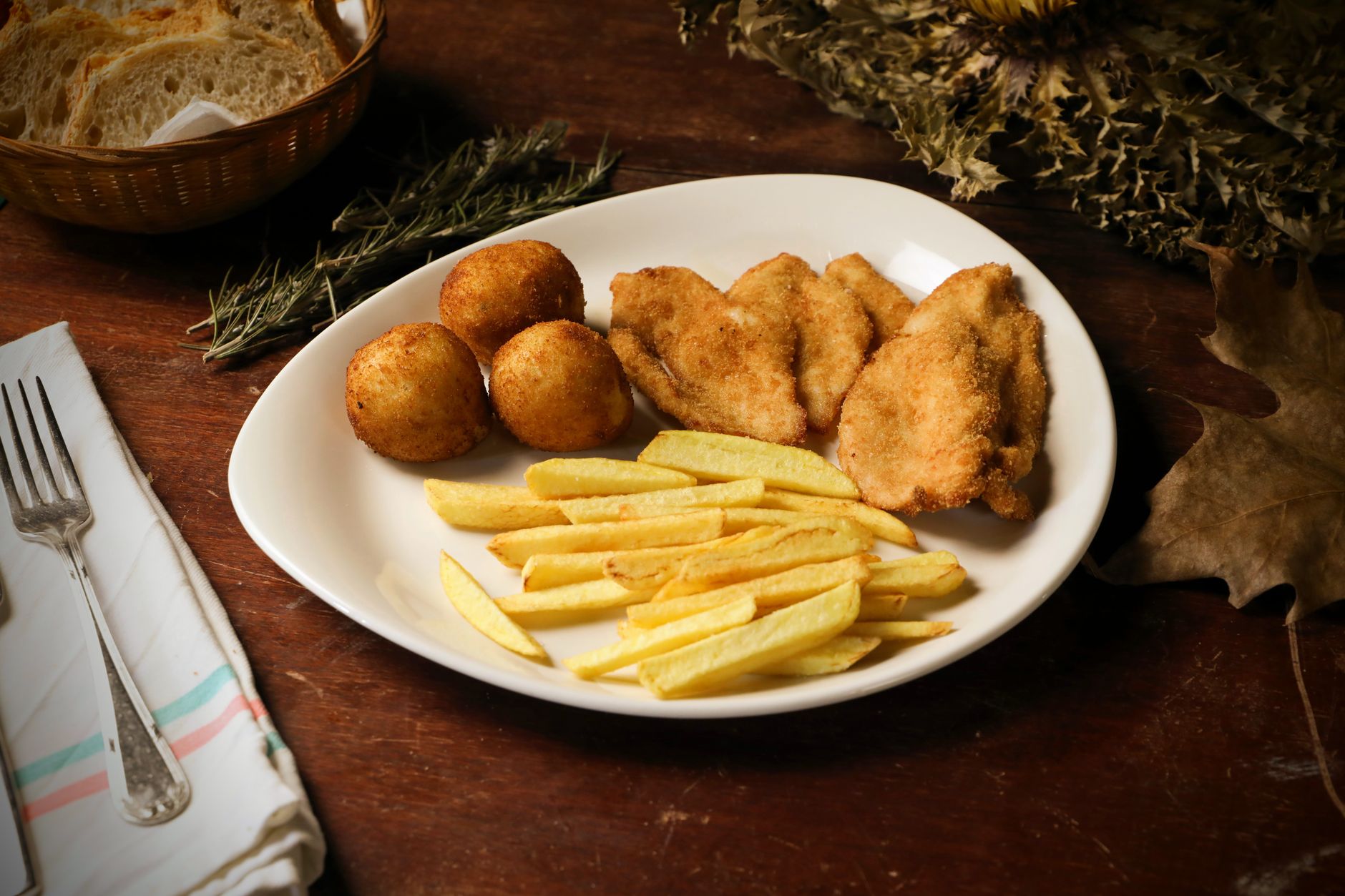
Small fish — anchovies, baby squid, mullet, strips of sole — get dusted in chickpea flour and dropped straight into hot olive oil, then handed over in a paper cone with lemon. This is beach food, not restaurant food: the right place to eat it is standing at a chiringuito on the Cádiz or Málaga coast, oil still audibly working behind the counter, with a cold Cruzcampo in hand. Anything fried in advance and held under a heat lamp has already missed the point — the appeal is entirely in the five minutes after it leaves the fryer. It's cheap, fast, and works better as a snack between beach stops than a sit-down meal. Skip any restaurant that plates it with sauce or garnish; the only addition it needs is more lemon.
How it got here
Andalusian coastal commerce relied upon the small boats that navigated the Mediterranean and Atlantic waters for centuries. These craft brought catches of boquerones and chopitos to the docks, where immediate preparation prevented the spoilage that heat would otherwise accelerate. This tradition links to the broader history of Andalusian seafaring, where the Mediterranean climate dictated the handling of perishable goods. The use of chickpea flour evolved as a practical necessity, providing a crust that resisted the humidity of the coast. Today this practice persists as a culinary shorthand for the maritime heritage of the southern provinces, maintaining a connection to the daily labor of port workers.
Where it sits
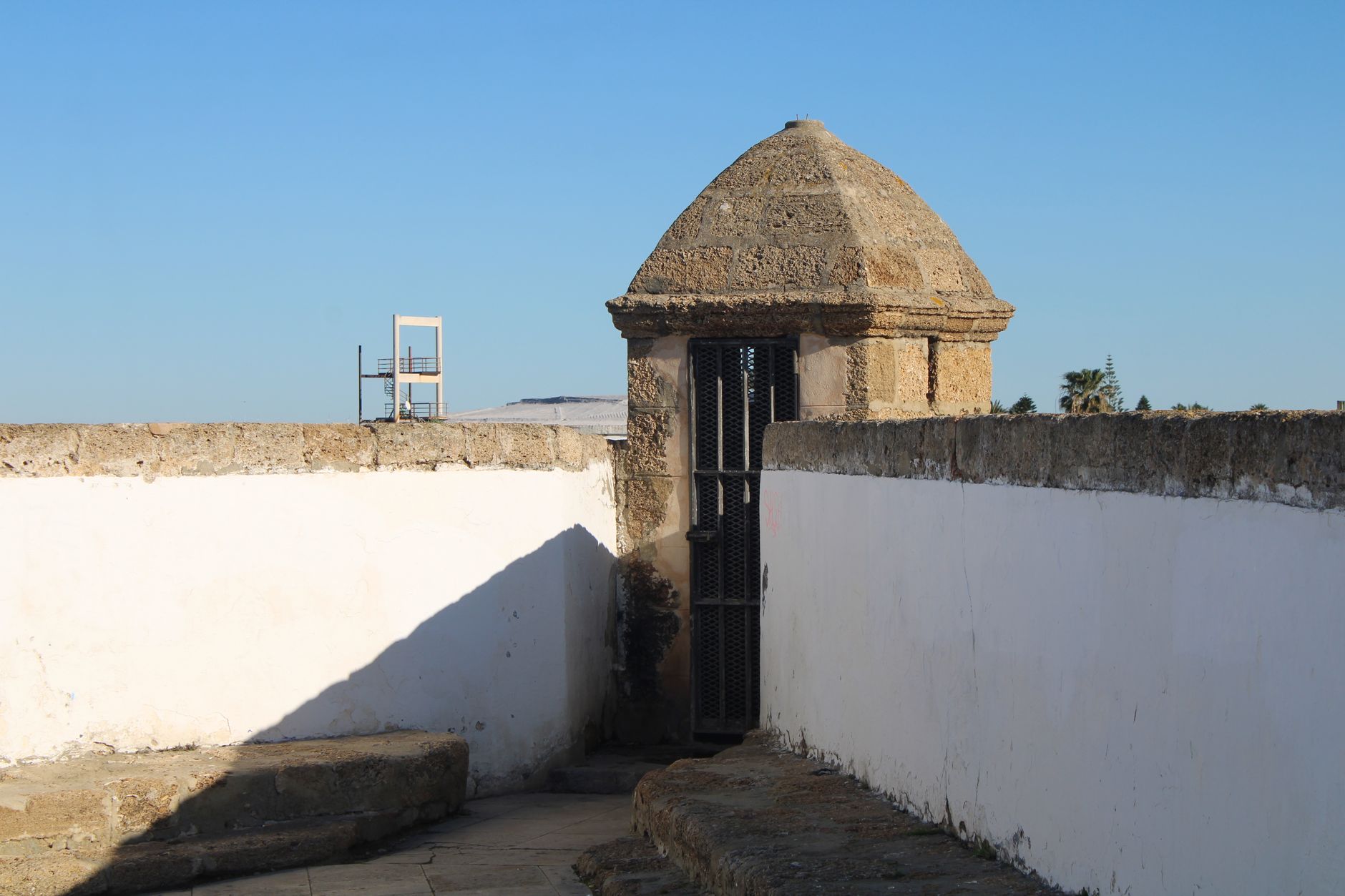
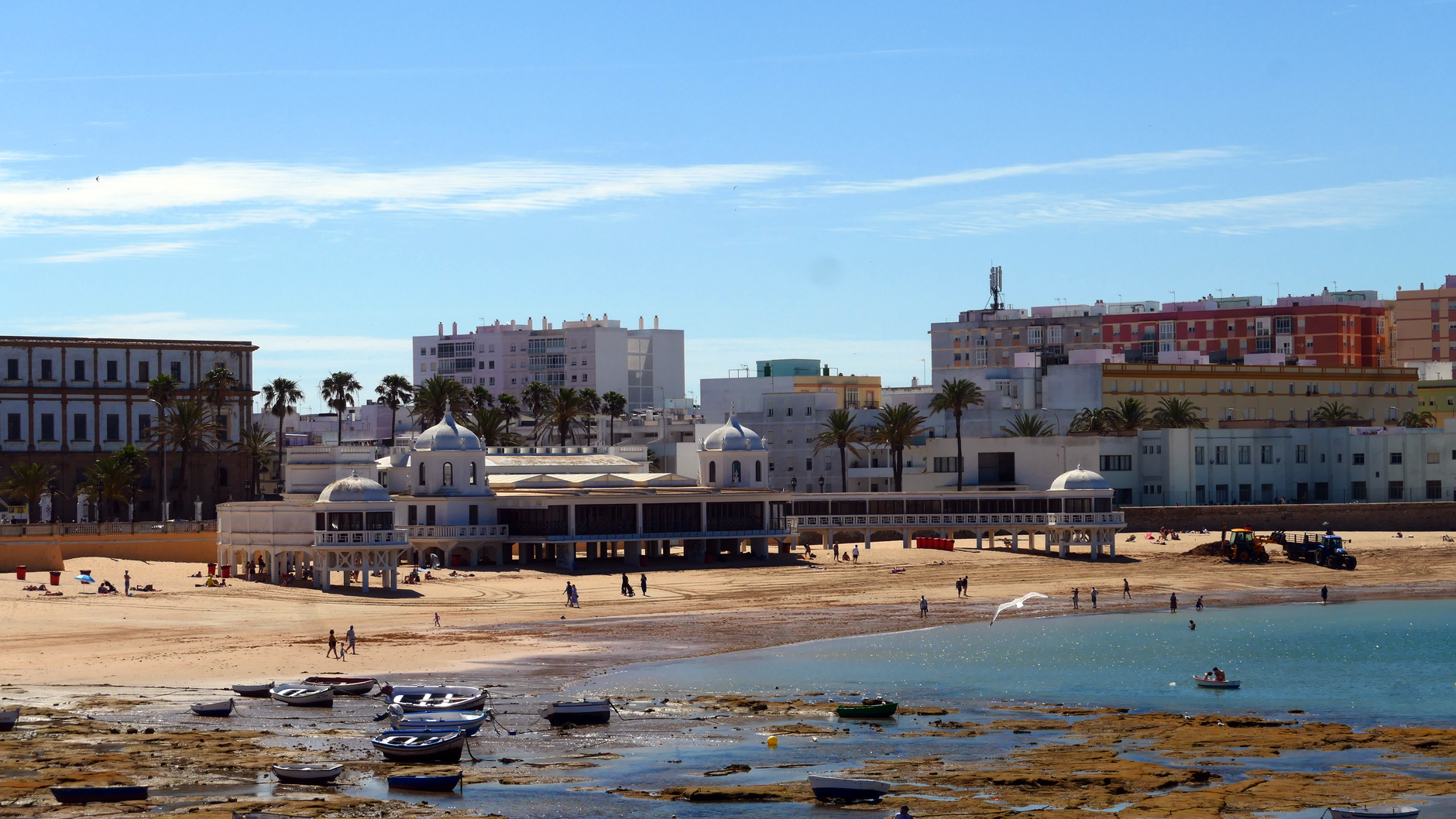
The coastal fringe of Andalusia consists of sand dunes, salt marshes, and rocky outcrops that catch the Atlantic wind or the Mediterranean sun. Access depends on the winding roads that skirt the estuaries or descend from the sierras to the water. In the height of summer, the white light bleaches the shoreline, and the heat drives life to the water edge. During the winter months, the villages quieten as the sea air turns sharp and the transient crowds depart, leaving the beach bars to the local fishermen and the occasional traveler following the coast.
What to eat and drink
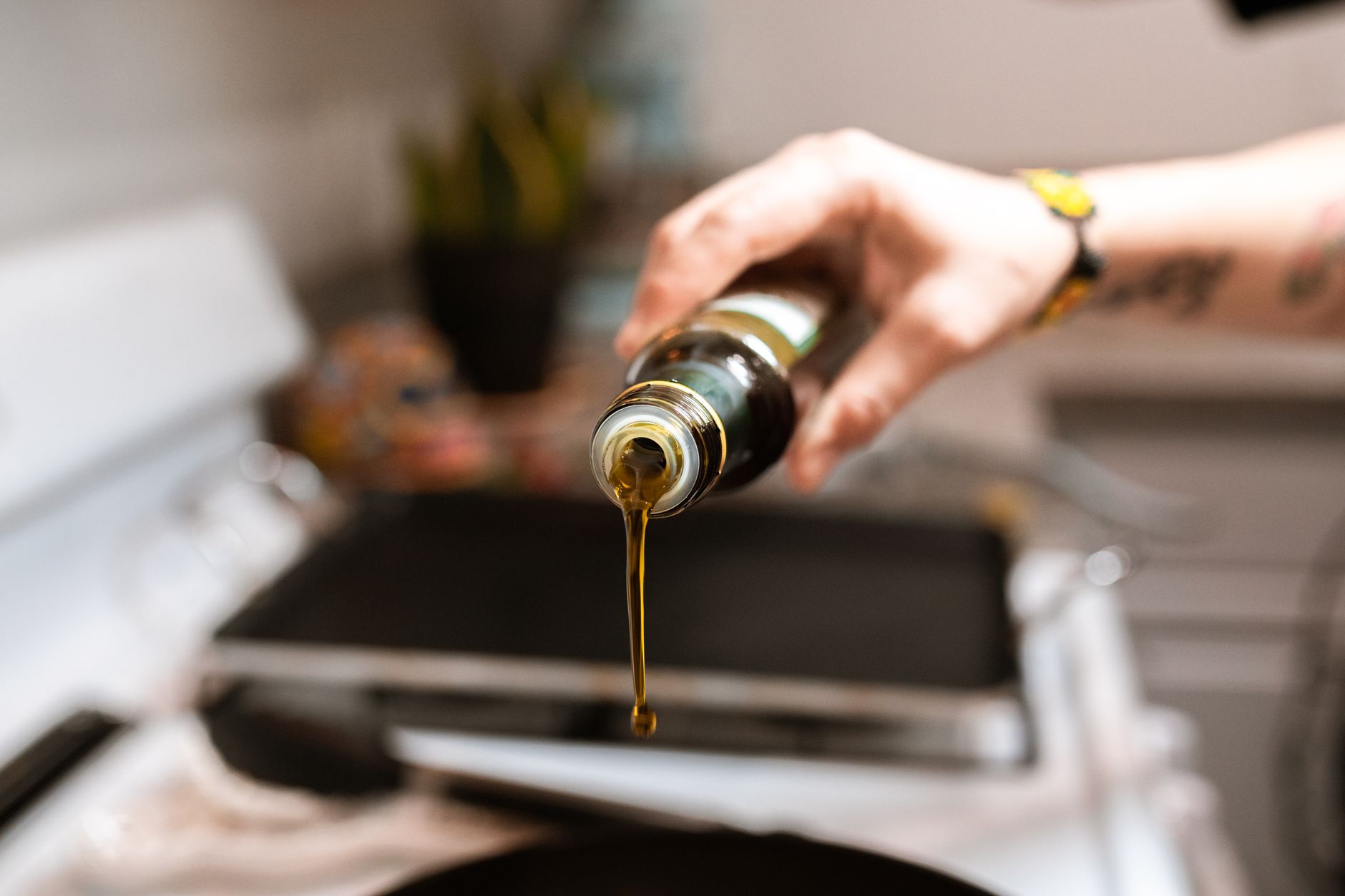
The preparation requires fresh seafood coated in chickpea flour and fried in high-quality olive oil until crisp. Boquerones, small anchovies, and puntillitas, baby squid, define the plate. Consumption happens immediately at the counter where the heat of the oil still lingers. A cold glass of Cruzcampo, the pale lager native to Seville, provides the necessary contrast to the salt and fat of the fish. Lemon serves as the only permitted addition, meant to cut through the oil without softening the crust. Anything else, such as dipping sauces or garnishes, serves only to mask the quality of the catch.
Andalusia: the whole region
The Spain most first-time visitors are picturing: the Alhambra, orange trees, sherry, and a coastline that runs from windsurfing water to resort sprawl. It is also the region people most often ruin by underestimating it. Seville and…
Minimum 5 days · better 8–10 days · deep 2 weeks

Pair It With

In Andalusia





In Andalusia


In Andalusia
















Linked from elsewhere
Entries that name this place in their own nearby lists.
Logistics are verified only. We don't publish schedules we haven't confirmed.
Appears In
Ready to build Pescaíto Frito into a trip?
You've found a place worth going. When you're ready to turn discovery into an itinerary, Travel Itinerary Co picks up where the Field Guide leaves off — with your saved places already in hand.
Build this into a tripContinues on Travel Itinerary Co
Spain Field Guide may earn a commission when you book through selected links. Recommendations are editorial and independent of commission.