Iglesia de Santa Ana (Triana)
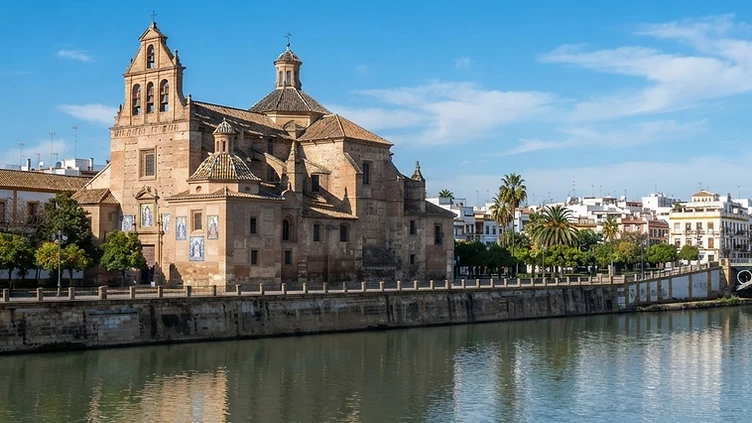
Skip it unless you are already across the river: the Mudéjar tower and the emptiness are the reward, and it takes twenty minutes. In a short Seville, the cathedral and the Macarena matter more.
Seville's oldest parish, founded in 1266 and rebuilt in Mudéjar-Gothic stone — the sailors' church of Triana, with a tower that looks back over the river at the city.
At a Glance
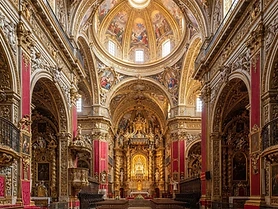
This is Triana's parish church, not a cathedral substitute — the draw is the neighborhood, not the architecture. Built in 1266 and reworked over centuries, it mixes Mudéjar brickwork with Gothic ribbing and shows real wear: scuffed floors, side altars with faded gilding, none of the restoration gloss found across the river. The tower gives a rare rooftop view over Triana's tiled rooftops, though climbing it depends on the sacristan being around to let you up. Thirty minutes is enough, and it pairs naturally with a walk down Calle Betis or a stop at the ceramics workshops a few blocks inland. If you're choosing between this and the cathedral or Macarena on a tight schedule, skip it — this is a secondary stop for travelers already based in Triana.
How it got here
Alfonso X ordered the construction of this parish in 1266 following the Reconquista of Seville. He dedicated the structure to Saint Anne after he recovered from an eye ailment. The building occupies a site formerly held by an Almohad mosque and stands as the primary parish for the sailors and potters of Triana. Mudéjar brickwork defines the exterior while Gothic ribbing supports the interior vaults. Over the centuries, the fabric of the church absorbed repeated repairs and architectural additions that document the evolving economic status of the neighborhood. The design prioritizes defensive weight over decorative excess, a necessity for a building constructed on the flood-prone banks of the Guadalquivir.
Where it sits
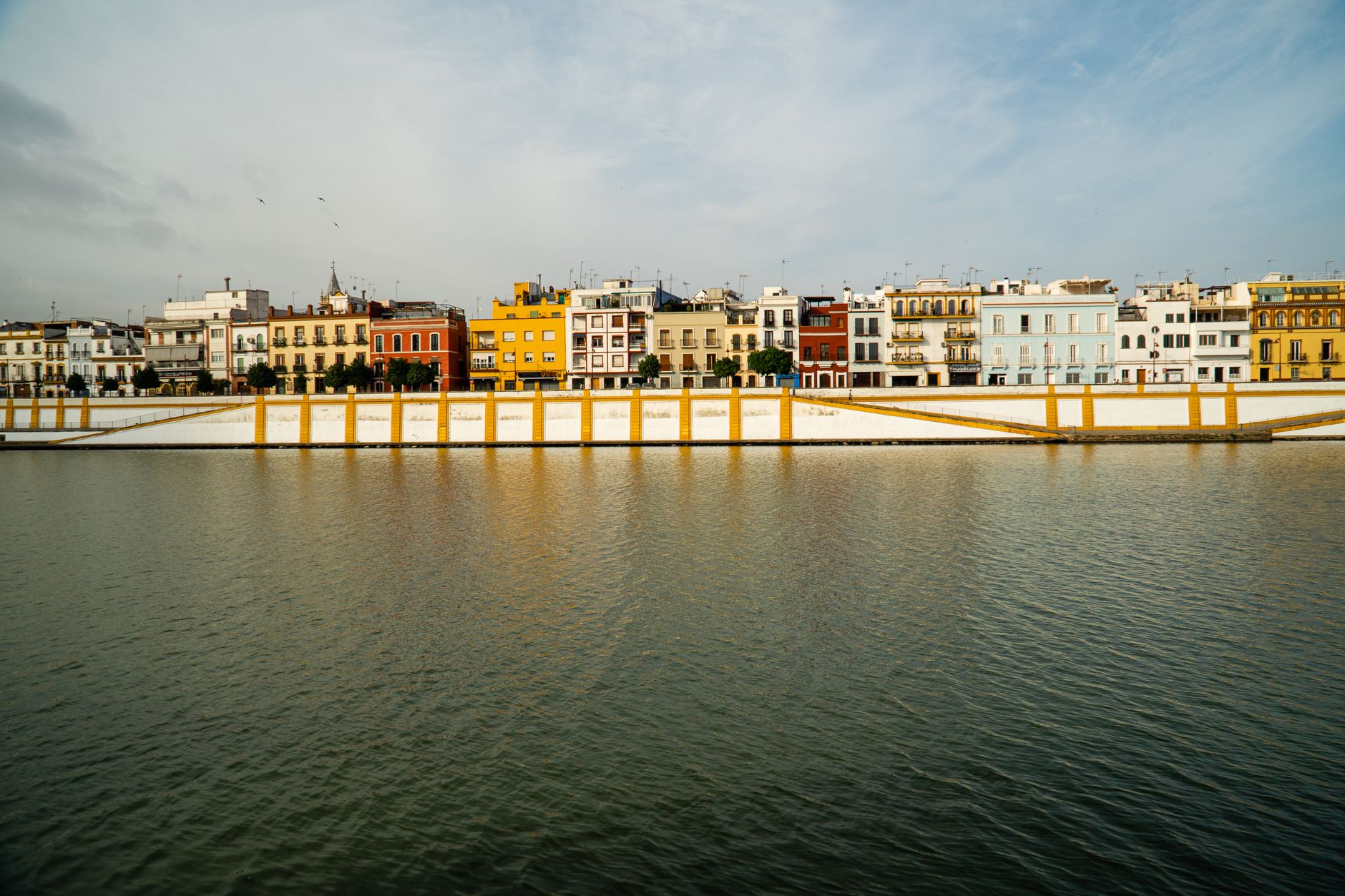
Triana extends along the western bank of the Guadalquivir river, separated from the commercial center of Seville by the water. The low-lying terrain stays prone to dampness in winter and traps heat during the long summers. Streets here follow narrow, winding patterns that resist modern traffic. Residents move between the riverfront promenades and the inward districts where ceramic kilns traditionally dominated the economy. During the high heat of July and August, the neighborhood quietens by midday. Access remains easy via the Puente de Isabel II, which anchors the northern end of the district and provides a clear transition into the city.
What to eat and drink
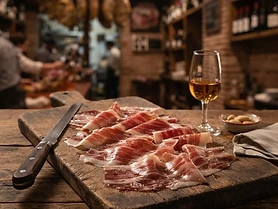
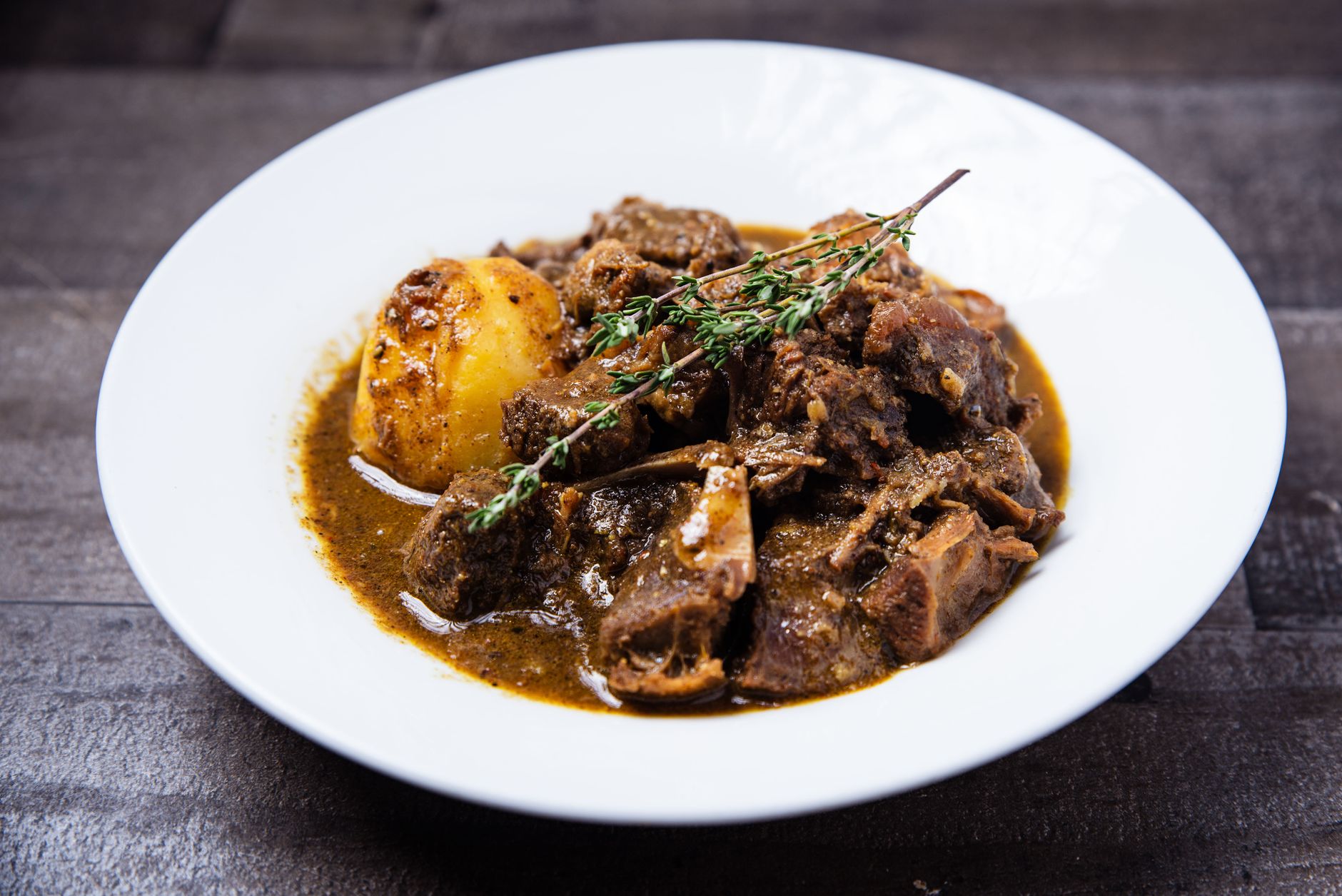
Triana sustains a tradition of fried fish, particularly adobo, dogfish marinated in vinegar, oregano, garlic, and cumin before a light dusting in flour. Eels from the river historically fed the local laborers in guisos, stews heavy with paprika and garlic. Montaditos, small crusty rolls filled with pringá, a slow-cooked mash of pork belly, chorizo, and morcilla, dominate the evening tapas culture. Manzanilla, the dry pale sherry from the nearby coast of Sanlúcar de Barrameda, provides the necessary acidity to cut through the salt and fat of the fried fish found in every local bodega.
Andalusia: the whole region
The Spain most first-time visitors are picturing: the Alhambra, orange trees, sherry, and a coastline that runs from windsurfing water to resort sprawl. It is also the region people most often ruin by underestimating it. Seville and…
Minimum 5 days · better 8–10 days · deep 2 weeks
What's Nearby

In Andalusia






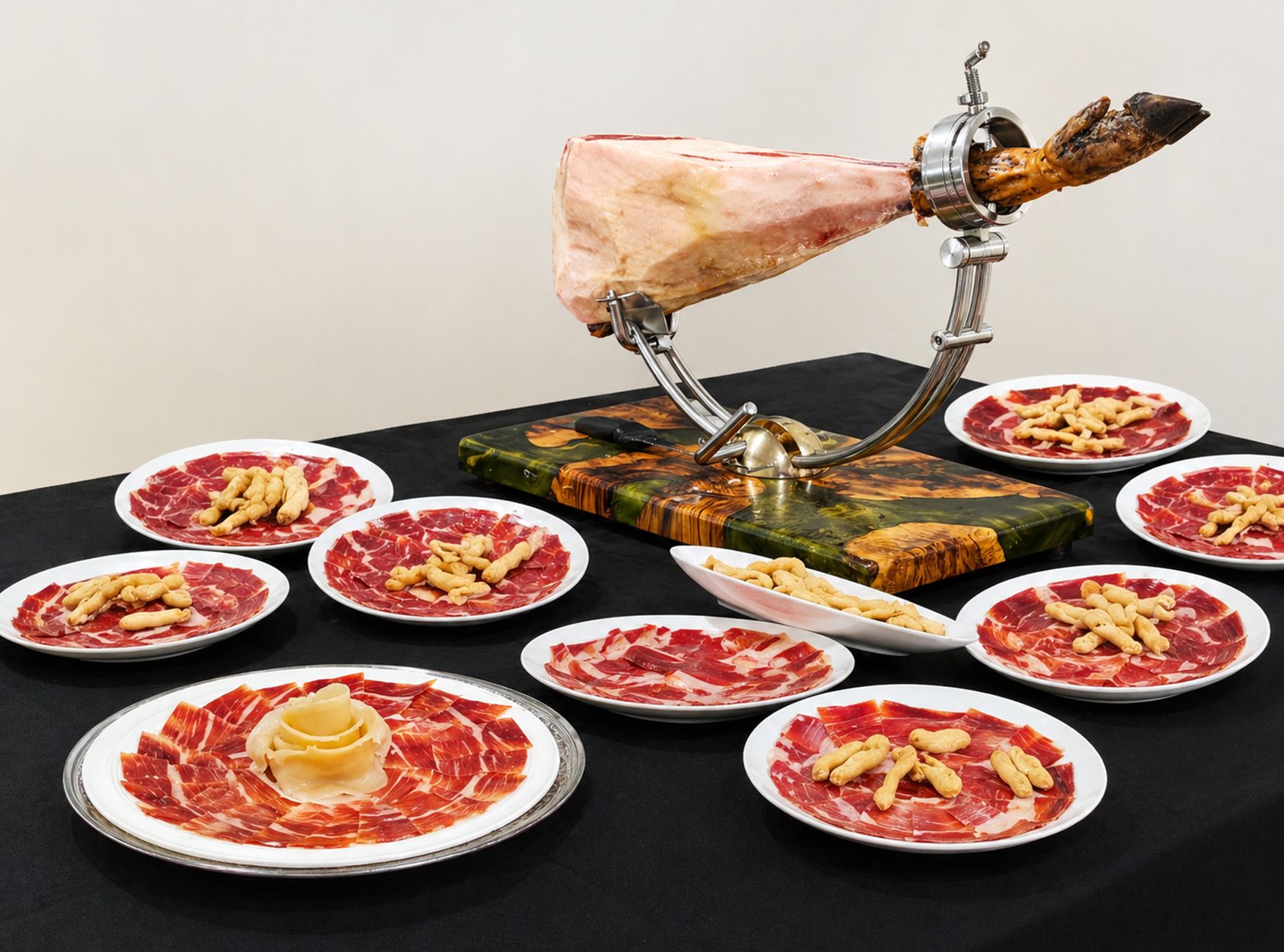

In Andalusia


In Andalusia
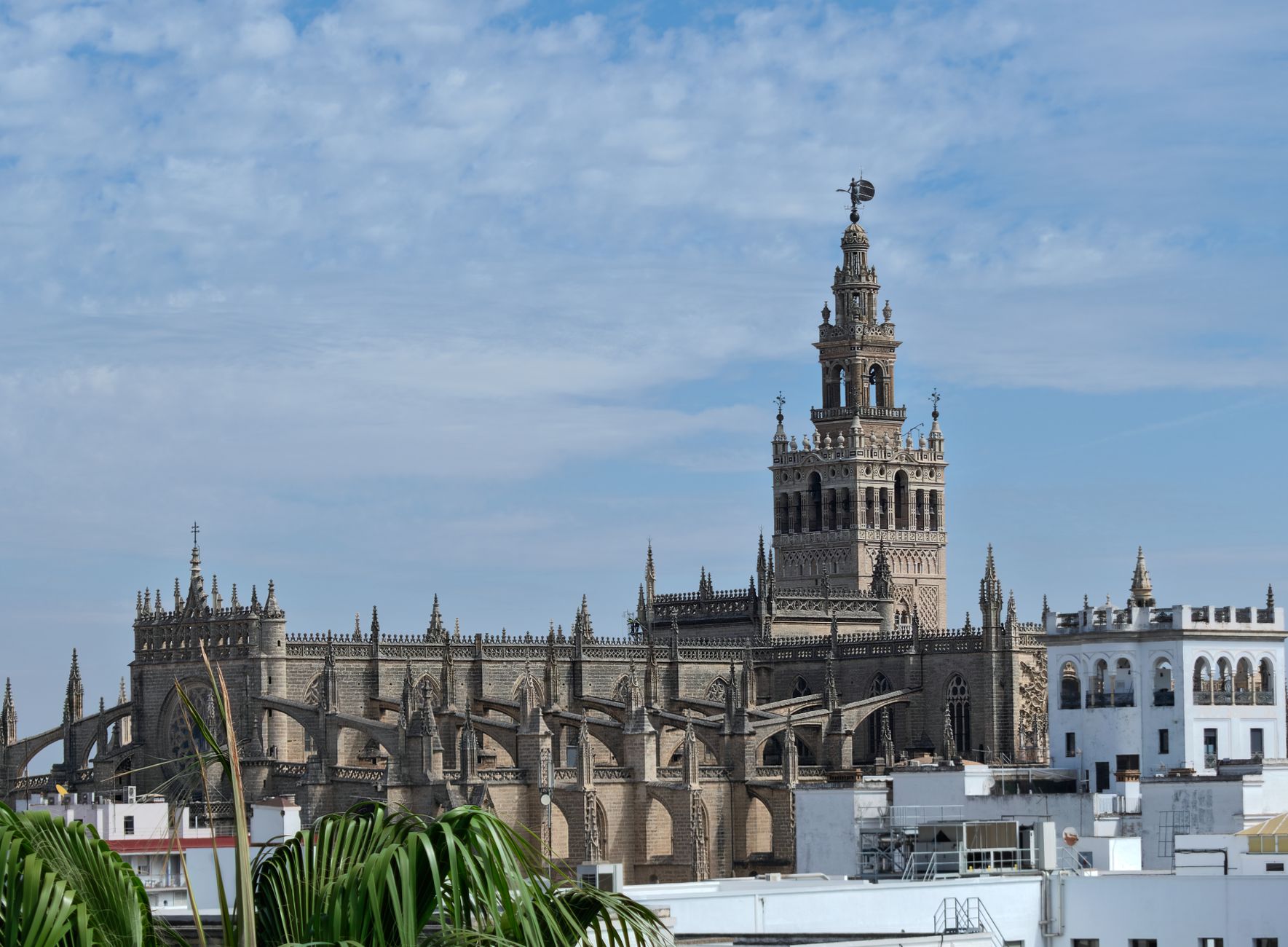


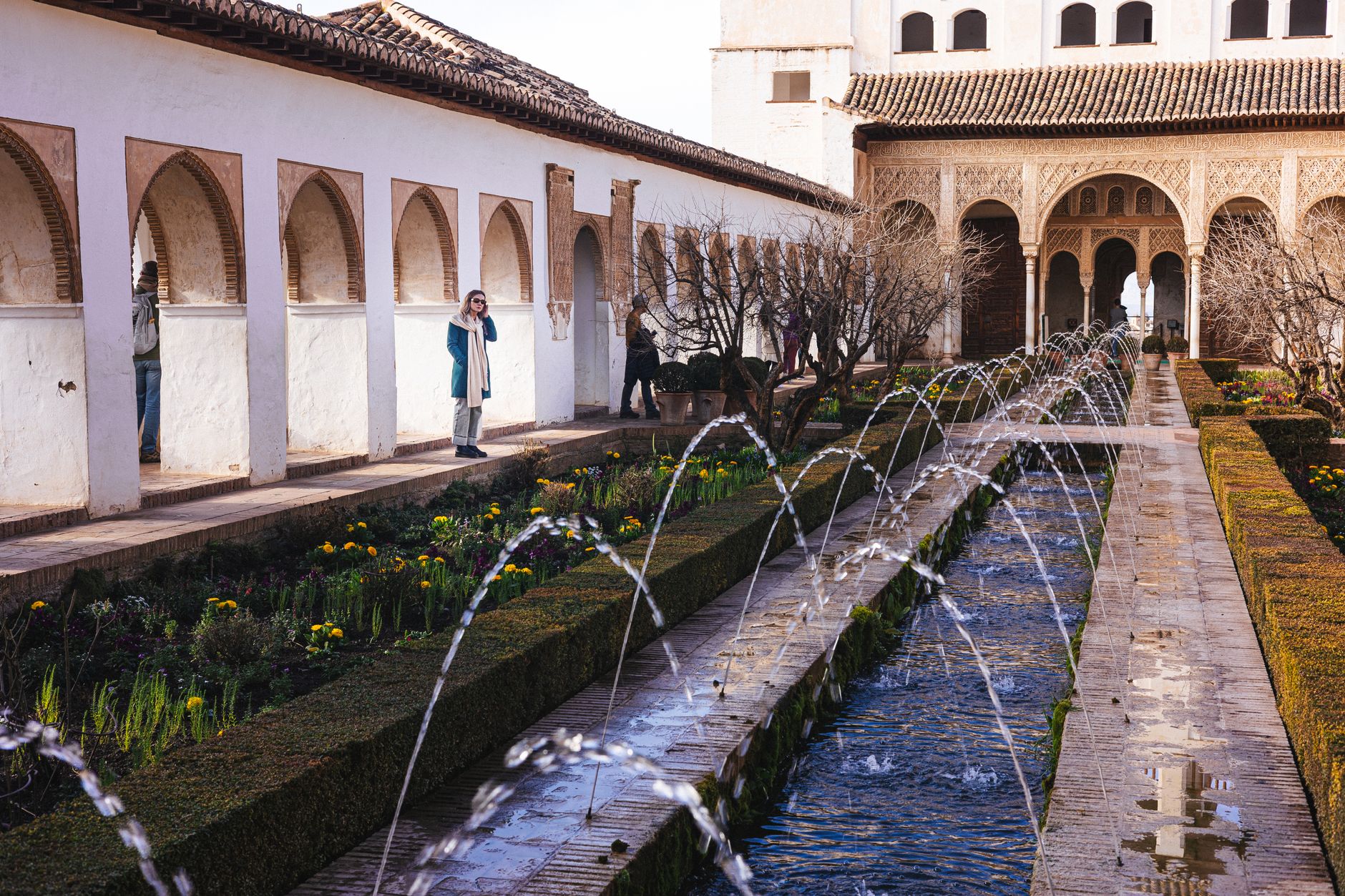
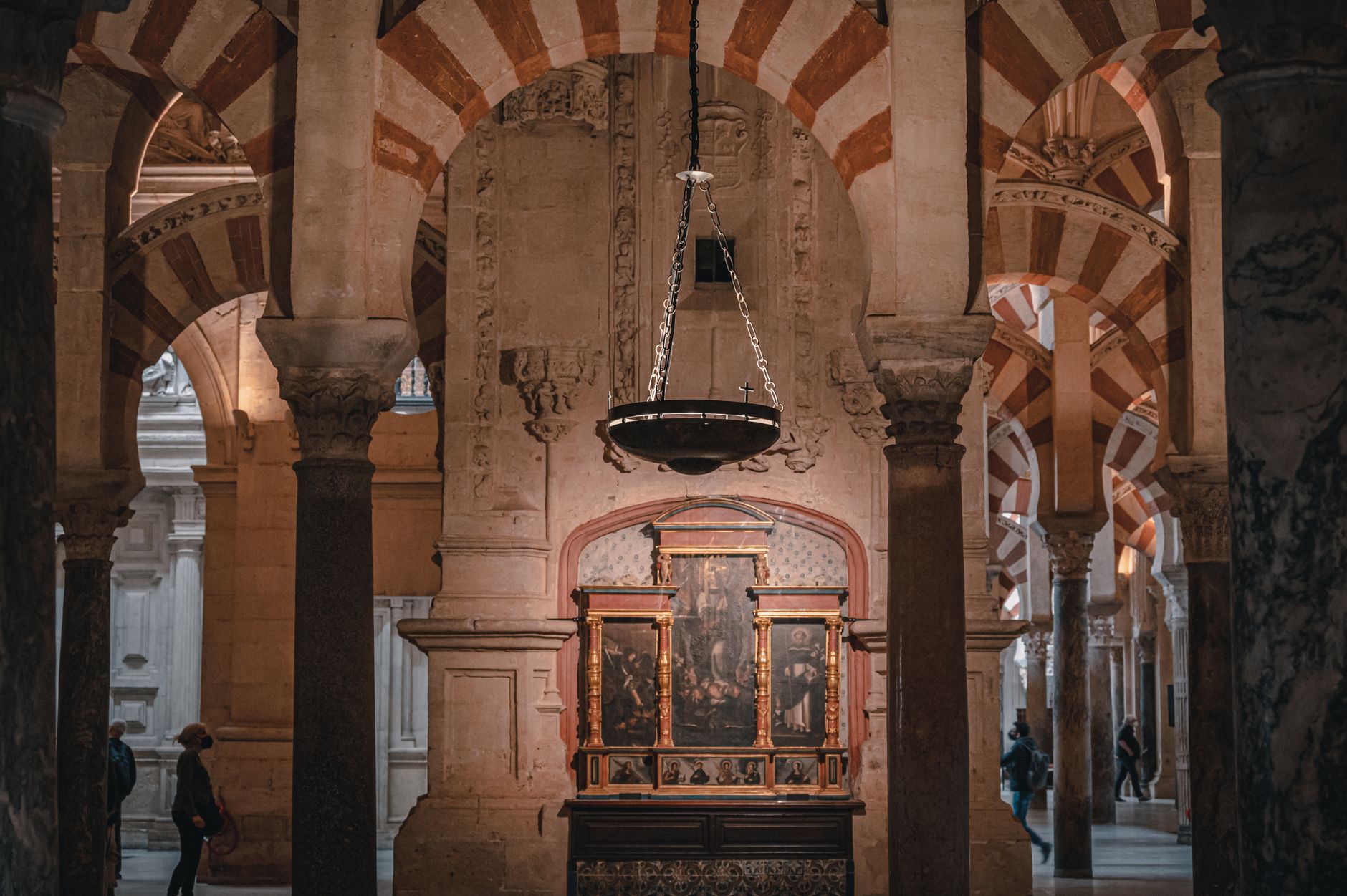










Logistics are verified only. We don't publish schedules we haven't confirmed.
Experiences worth booking ahead
Spain Field Guide may earn a commission when you book through selected links. Recommendations are editorial and independent of commission.
Ready to build Iglesia de Santa Ana (Triana) into a trip?
You've found a place worth going. When you're ready to turn discovery into an itinerary, Travel Itinerary Co picks up where the Field Guide leaves off — with your saved places already in hand.
Build this into a tripContinues on Travel Itinerary Co
Spain Field Guide may earn a commission when you book through selected links. Recommendations are editorial and independent of commission.