Playa de Zahara (de los Atunes)

The best beach base on the Cádiz coast if you want calm, space, and the freshest tuna in Spain. Pair with Tarifa and Bolonia.
A vast Atlantic beach on the Cádiz coast, backed by a tuna-fishing village that still feels local. The almadraba bluefin tuna here is the best in Spain.
At a Glance
- — You want nightlife
The tuna is the reason to detour here specifically — almadraba-caught bluefin, netted with a trap method dating back to Phoenician times, served grilled or raw in beachfront bars that look unremarkable from outside and serve some of the best fish in Spain. The beach itself runs long and wide, with little development beyond a scatter of low-rise buildings, and the Atlantic swell keeps it cooler than the Mediterranean coast further east. Two to three nights makes sense if the goal is doing nothing — reading, swimming, eating tuna twice a day. Pair it with day trips to Tarifa for wind sports or Bolonia for the Roman ruins and dunes. Skip it if nightlife matters; the village shuts down early.
How it got here
Phoenicians established the almadraba method here for intercepting bluefin tuna during their migration between the Atlantic and the Mediterranean. This trap system persisted through the Roman era and into the period of Islamic rule. For centuries the industry dictated the rhythm of coastal life. Constant piracy along the southern coast delayed large scale settlement until the eighteenth century when the Duke of Medina Sidonia fortified the site to protect the valuable catches. The focus on tuna persists because these waters sit directly on the migratory path. The lineage of the fishery defines the village character today.
Where it sits
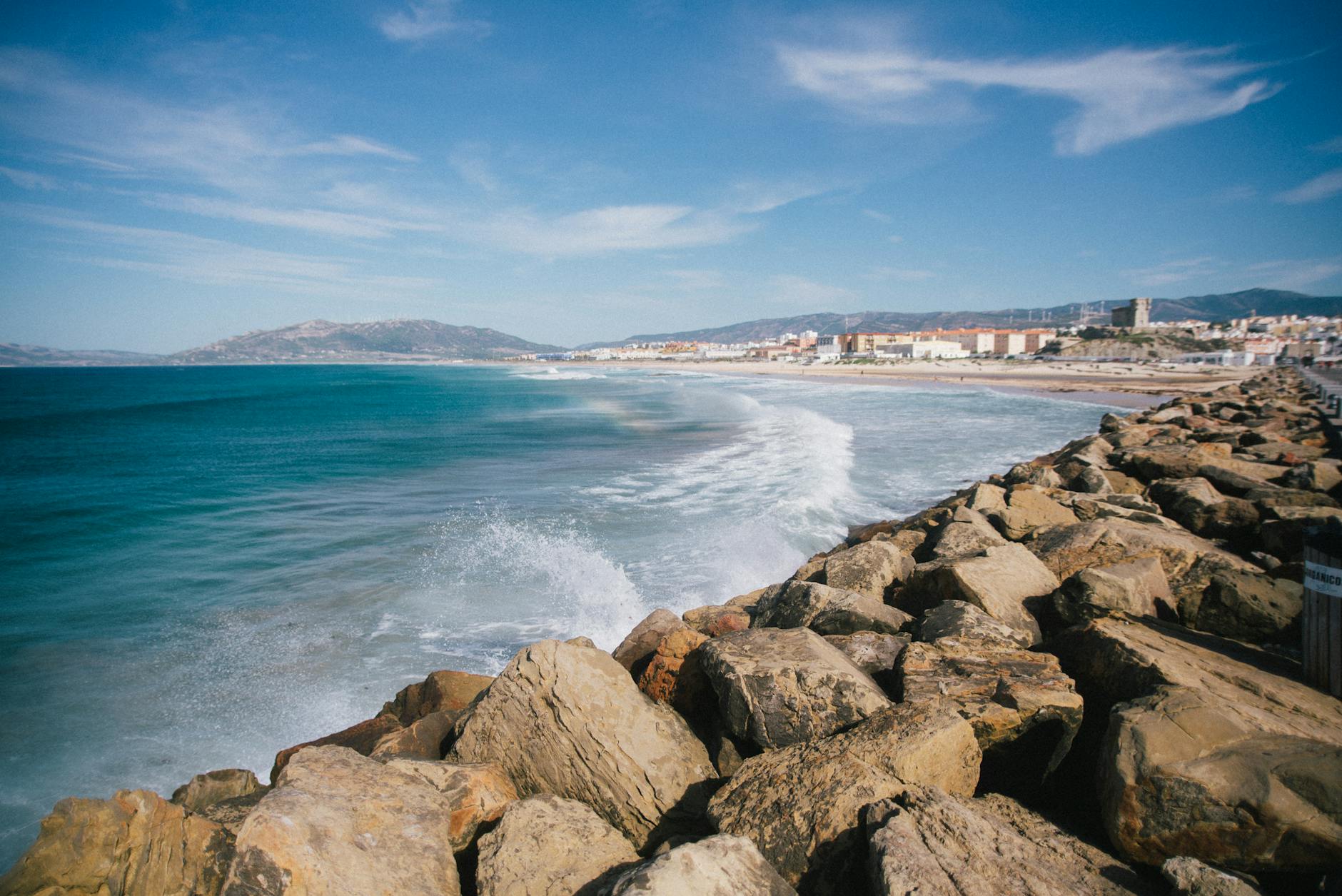
The Atlantic coastline here stretches wide with coarse sand backed by low dunes and pine forests. Winds blow consistently from the east or west shaping the local climate and keeping air temperatures moderate throughout the summer months. The landscape feels empty compared to the Mediterranean resorts. Access requires a car to navigate the provincial roads that wind through agricultural fields and patches of scrubland. Crowds arrive during July and August when the heat drives visitors to the coast. Autumn and spring bring quiet days where the primary movement comes from the ocean swell.
What to eat and drink
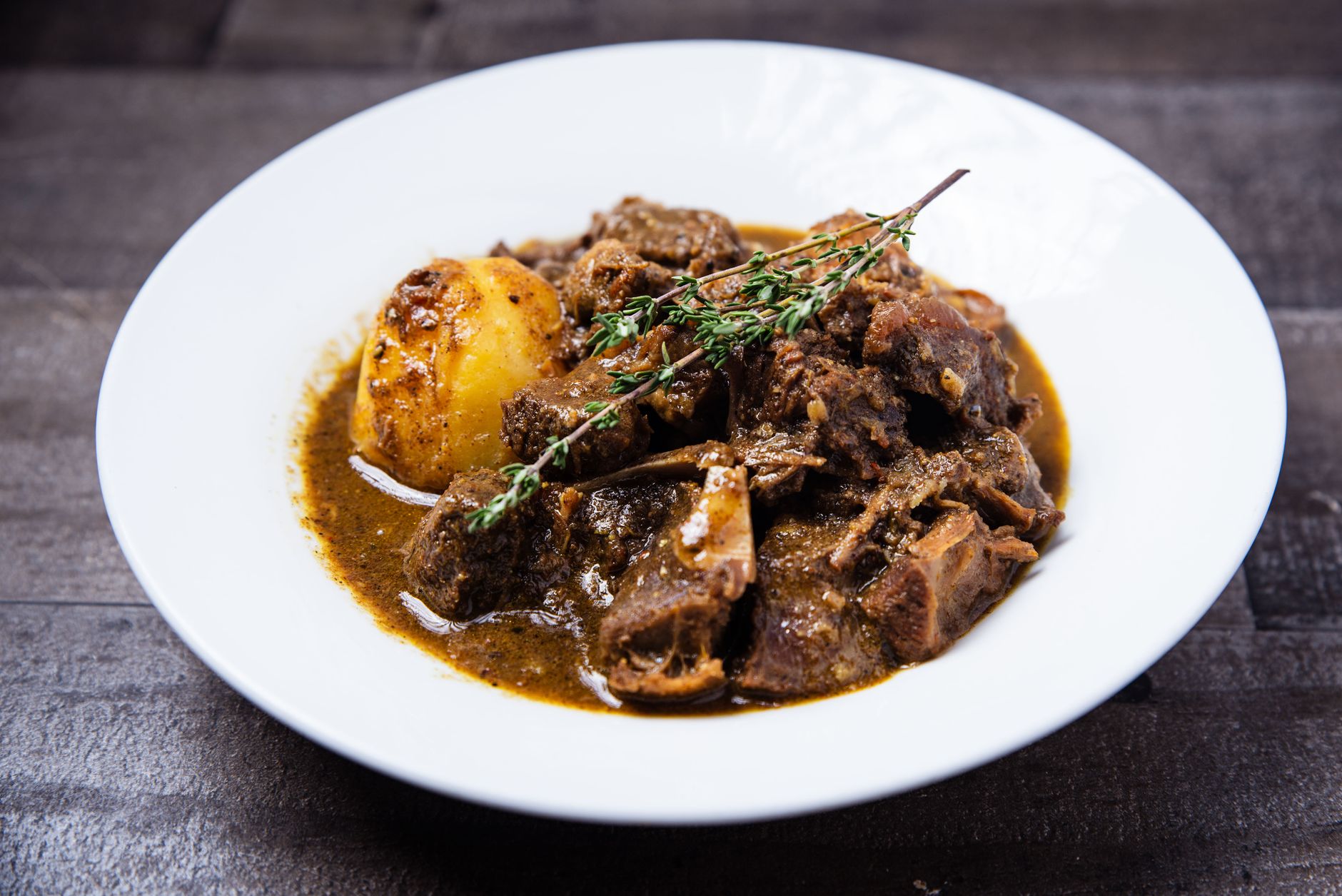
Almadraba tuna provides the foundation for the local diet. This bluefin travels through the Strait of Gibraltar and gains high fat content. Preparations like ventresca, the fatty belly, come grilled or salted. Atún encebollado, tuna simmered with onions, garlic, and white wine, stands as a standard dish in coastal kitchens. Manzanilla, the dry pale sherry produced in nearby Sanlúcar de Barrameda, serves as the essential companion to the fish. The proximity to the Jerez wine region ensures a steady supply of fortified wines that complement the oily, rich profile of the bluefin.
Andalusia: the whole region
The Spain most first-time visitors are picturing: the Alhambra, orange trees, sherry, and a coastline that runs from windsurfing water to resort sprawl. It is also the region people most often ruin by underestimating it. Seville and…
Minimum 5 days · better 8–10 days · deep 2 weeks
Pair It With

In Andalusia









In Andalusia


In Andalusia



















Linked from elsewhere
Entries that name this place in their own nearby lists.
Logistics are verified only. We don't publish schedules we haven't confirmed.
Ready to build Playa de Zahara (de los Atunes) into a trip?
You've found a place worth going. When you're ready to turn discovery into an itinerary, Travel Itinerary Co picks up where the Field Guide leaves off — with your saved places already in hand.
Build this into a tripContinues on Travel Itinerary Co
Spain Field Guide may earn a commission when you book through selected links. Recommendations are editorial and independent of commission.