Olive Oil from Jaén (Aceite de Oliva Virgen Extra)
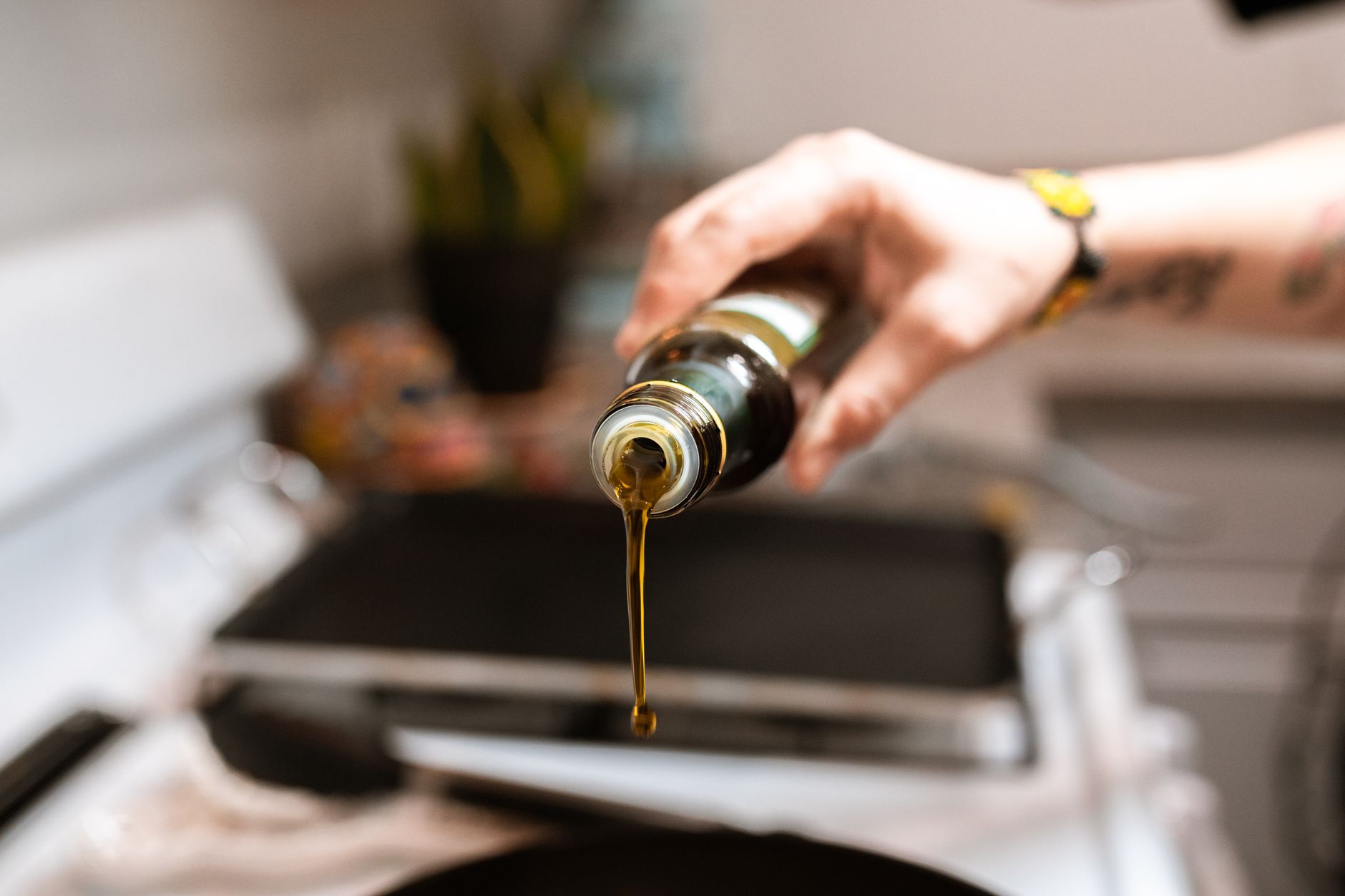
Buy early-harvest if you can carry it. Skip the gift-shop tins and buy where the oil is made.
To taste the difference between early and late harvest, and to buy oil at the price it is actually worth.
At a Glance
- — You are flying with hand luggage only
Jaén's oil is largely Picual, a variety that gives a strong, green, slightly bitter oil with a peppery finish that catches in the throat. Bitterness and heat are virtues here, not faults, and they are strongest in the early-harvest oils pressed from green olives in the first weeks of the season, which cost more and last less long. Later oil is softer and cheaper. Buy from a cooperative or a mill rather than a souvenir shop: the label should tell you the variety and the harvest year, and the staff will usually pour you a taste before you choose. A litre of good early-harvest oil here costs a fraction of the same bottle abroad.
How it got here
Phoenicians and Greeks planted the first olive trees in the Guadalquivir valley, yet Roman producers turned the region into the primary supplier of oil for the empire. Vast quantities of ceramic fragments discarded at Monte Testaccio in Rome identify the province as the source of millions of amphorae filled with Bético oil. The Islamic period consolidated the grove system and refined extraction techniques, which the subsequent Christian conquest largely maintained. Today, the landscape is defined by the massive monoculture of the olive, a shift driven by nineteenth-century industrialization that replaced traditional cereal crops with millions of trees covering the undulating hills of the province.
Where it sits
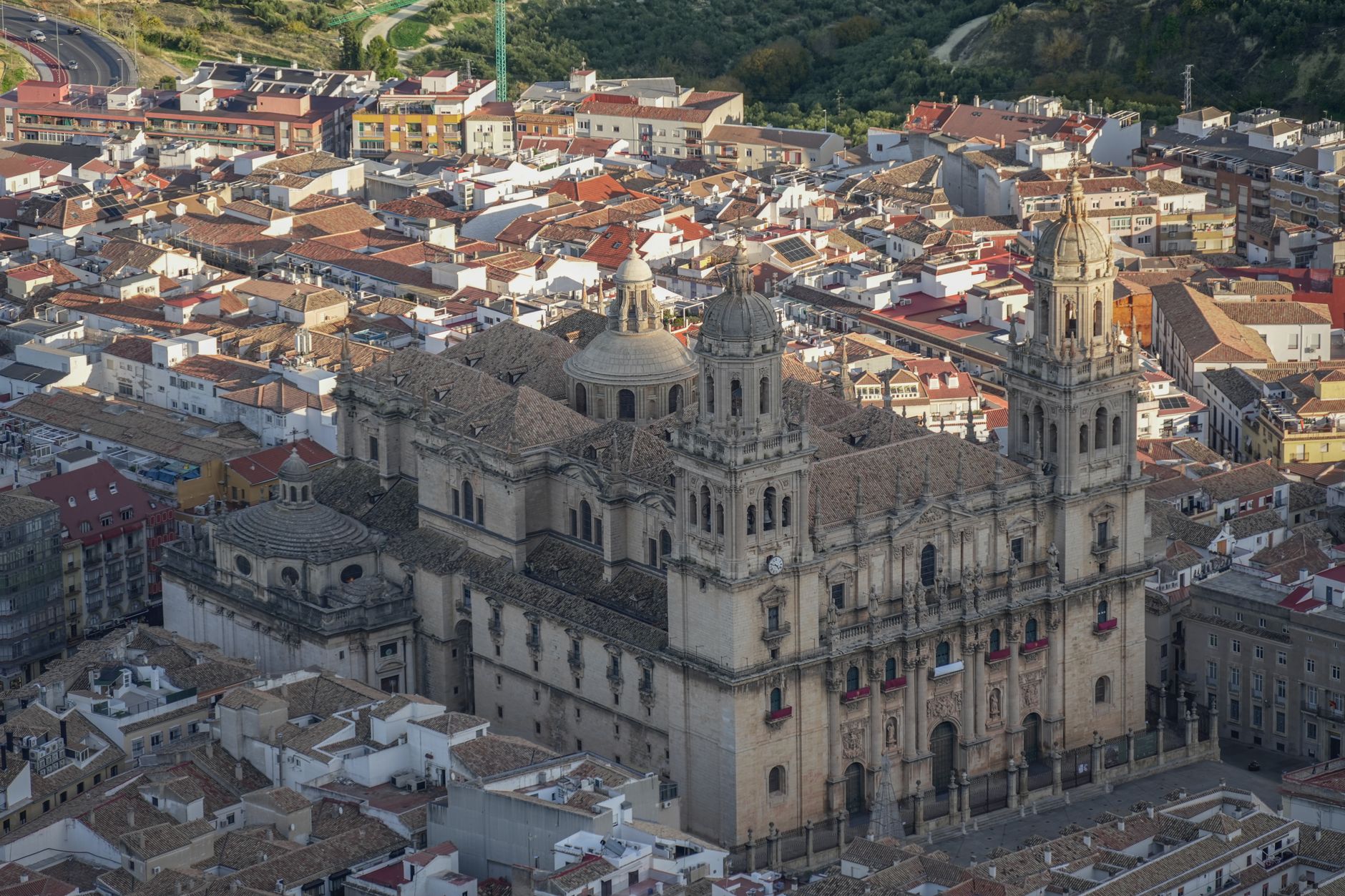
The province holds the largest concentration of olive trees in the world, a sea of grey-green foliage that rolls across the Sierras Subbéticas toward the plains. Summers bring intense dry heat that forces the local pace to slow, while winter turns the hillsides crisp and allows the harvest to begin. Minor roads wind through the groves, connecting clusters of white-washed buildings that sit on ridge tops above the valleys. The land stays quiet and agricultural, far from the coastal tourist traffic, and the rhythm of life follows the labor of the press and the cycle of the fruit.
What to eat and drink
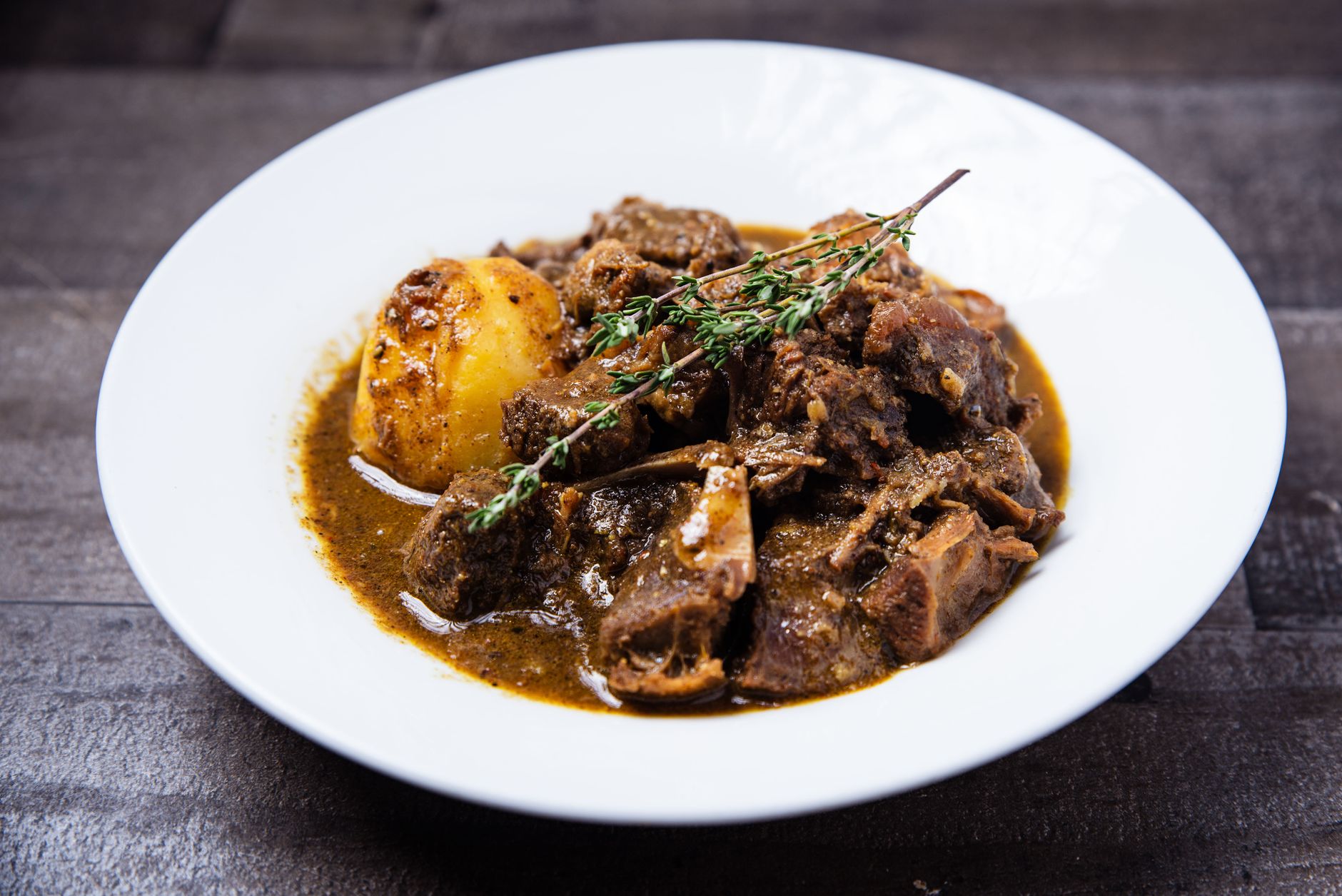
Picual oil defines the local palate, marked by a punch of bitterness and a sharp, peppery sensation on the back of the palate. This oil dominates every kitchen, used to fry ajo blanco, a chilled soup of almonds, garlic, and bread, or to dress pipirrana, a summer salad of tomatoes, green peppers, onions, and hard-boiled eggs. Hunters bring back mountain game, often served in stews thickened with the intense, emerald-colored oil of the first press. Thick slices of crusty bread dipped in the season's fresh batch are the constant accompaniment to any meal poured in the province.
Andalusia: the whole region
The Spain most first-time visitors are picturing: the Alhambra, orange trees, sherry, and a coastline that runs from windsurfing water to resort sprawl. It is also the region people most often ruin by underestimating it. Seville and…
Minimum 5 days · better 8–10 days · deep 2 weeks
What's Nearby


In Andalusia




In Andalusia


In Andalusia














Linked from elsewhere
Entries that name this place in their own nearby lists.

Logistics are verified only. We don't publish schedules we haven't confirmed.
Appears In
Ready to build Olive Oil from Jaén (Aceite de Oliva Virgen Extra) into a trip?
You've found a place worth going. When you're ready to turn discovery into an itinerary, Travel Itinerary Co picks up where the Field Guide leaves off — with your saved places already in hand.
Build this into a tripContinues on Travel Itinerary Co
Spain Field Guide may earn a commission when you book through selected links. Recommendations are editorial and independent of commission.