Úbeda

Base here for two nights if you are doing the olive country properly. A day trip from Granada only skims it.
One of the densest concentrations of Renaissance architecture in Spain, in a town that still works for a living.
Olive Country: Jaén · Jaén · Baeza · Cazorla
Olive Oil from Jaén (Aceite de Oliva Virgen Extra) · Pipirrana
At a Glance
- — You want nightlife
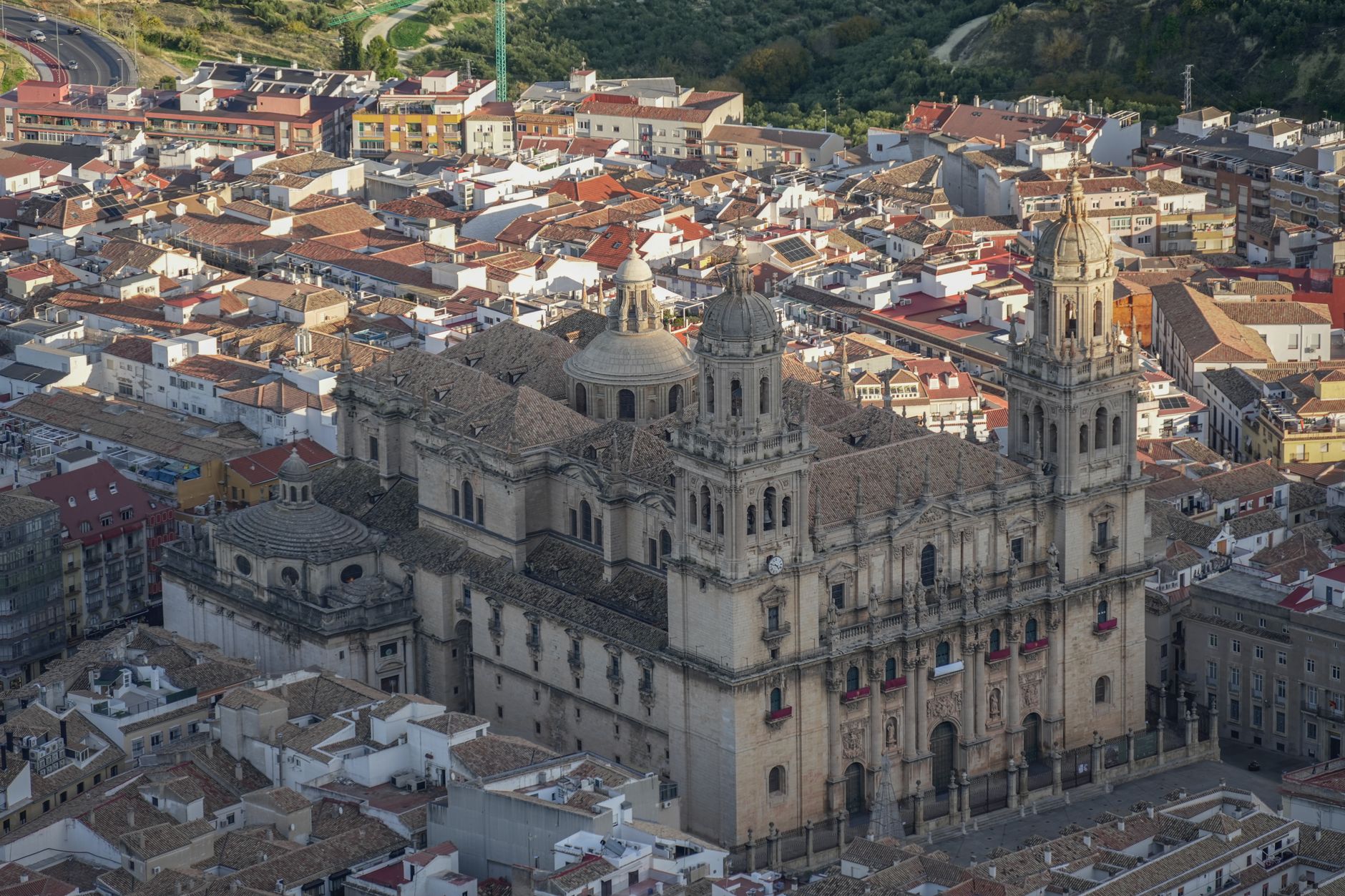
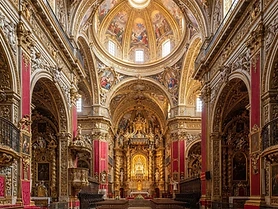
Úbeda's squares and palaces were paid for by Francisco de los Cobos, secretary to Charles V, and the architect Vandelvira turned that money into a town of stone façades and enclosed squares, above all the Plaza Vázquez de Molina. The old town is small enough to walk in two hours and rich enough to keep you there for four. It is also a working town: pottery workshops still open onto the streets and the olive business keeps the bars full at lunchtime. Sleep here rather than in Jaén, and use it as a base for Baeza, the Cazorla mountains and the groves.
How it got here
The town rose to prominence through the patronage of Francisco de los Cobos, who served as secretary to Charles V. He directed the wealth earned at the imperial court toward the construction of a new architectural core. The architect Andrés de Vandelvira executed these plans, replacing older medieval structures with the stone plazas and heavy stone façades that define the current layout. These projects established a Renaissance character that survived long after the imperial patronage faded. Today, the narrow streets and wide squares hold this period of architectural investment, marking the town as a center of power during the sixteenth century rather than a defensive frontier fortification.
Where it sits
The town stands on a plateau overlooking the Guadalquivir valley. To the east and south, the landscape gives way to the ridges of the Cazorla mountains, while the immediate surroundings consist of rolling hills planted with olive trees. The climate brings harsh heat in the summer and sharp, cold winds during the winter months. Road access links the town to the nearby counterpart of Baeza. While the center draws visitors for its architecture, the surrounding countryside operates as the primary source of olive oil for the province of Jaén. The pace of life slows when the heat of the day forces activity indoors.
What to eat and drink
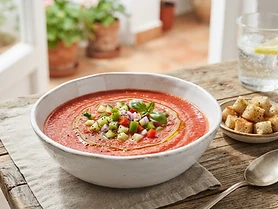
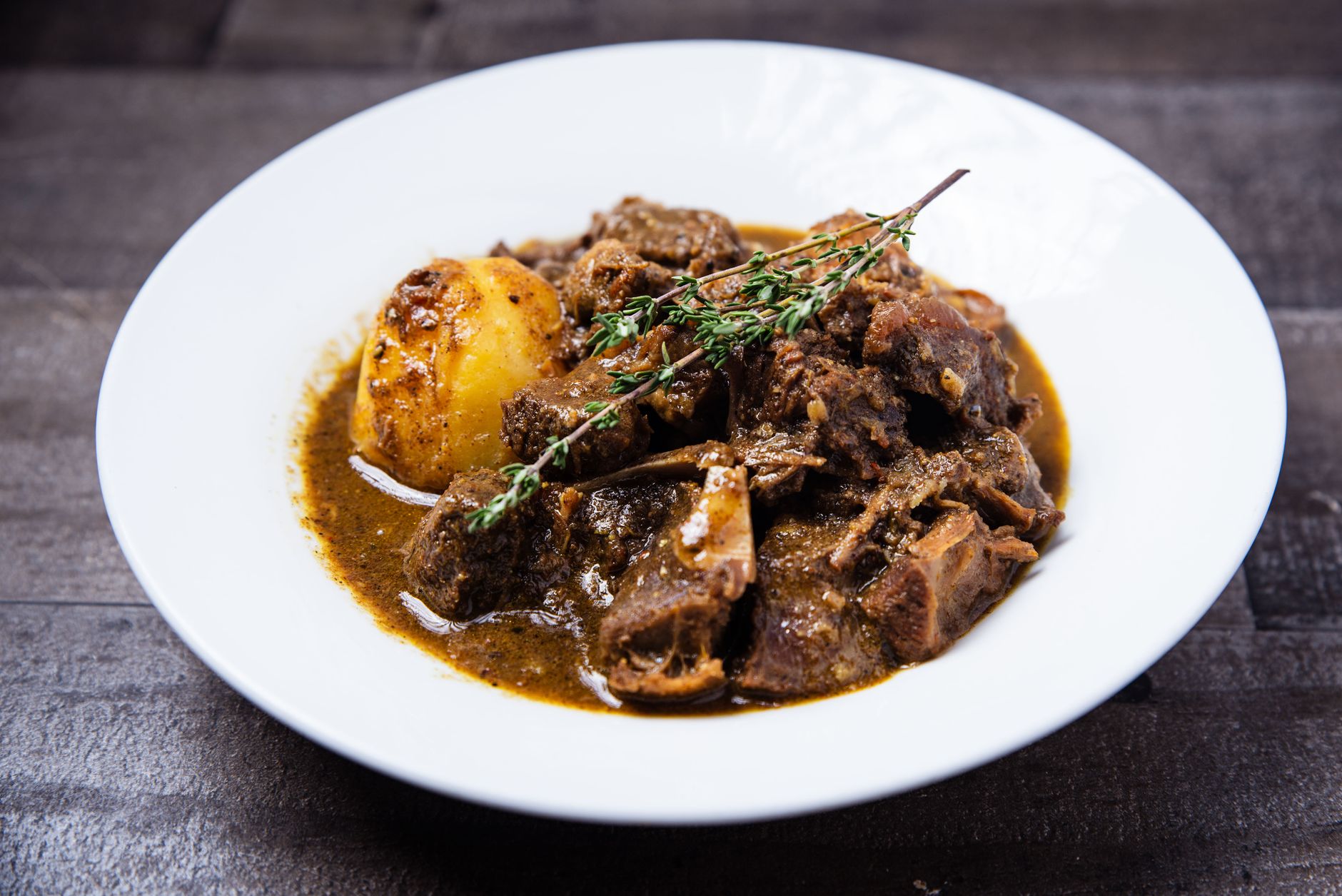
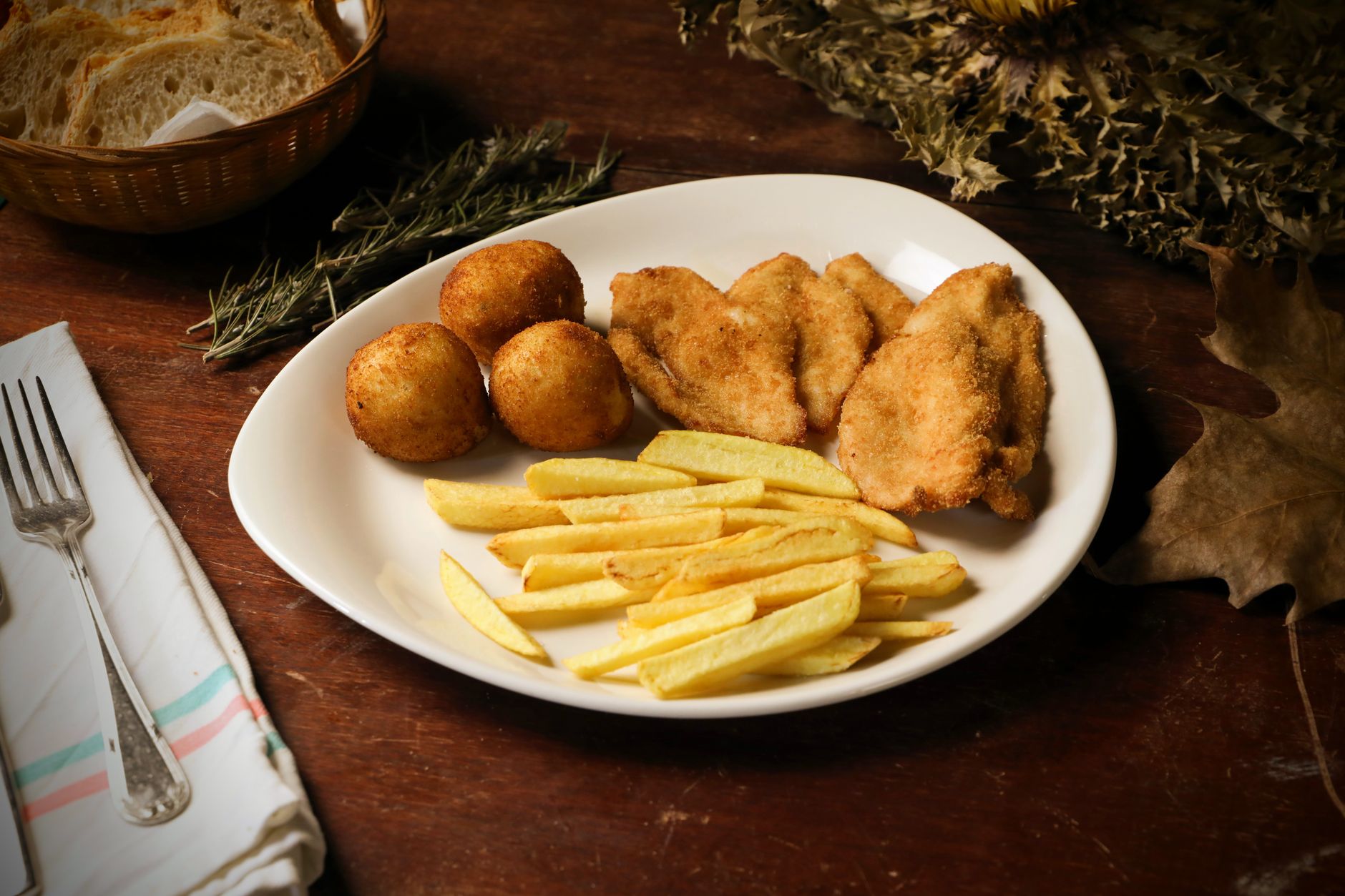
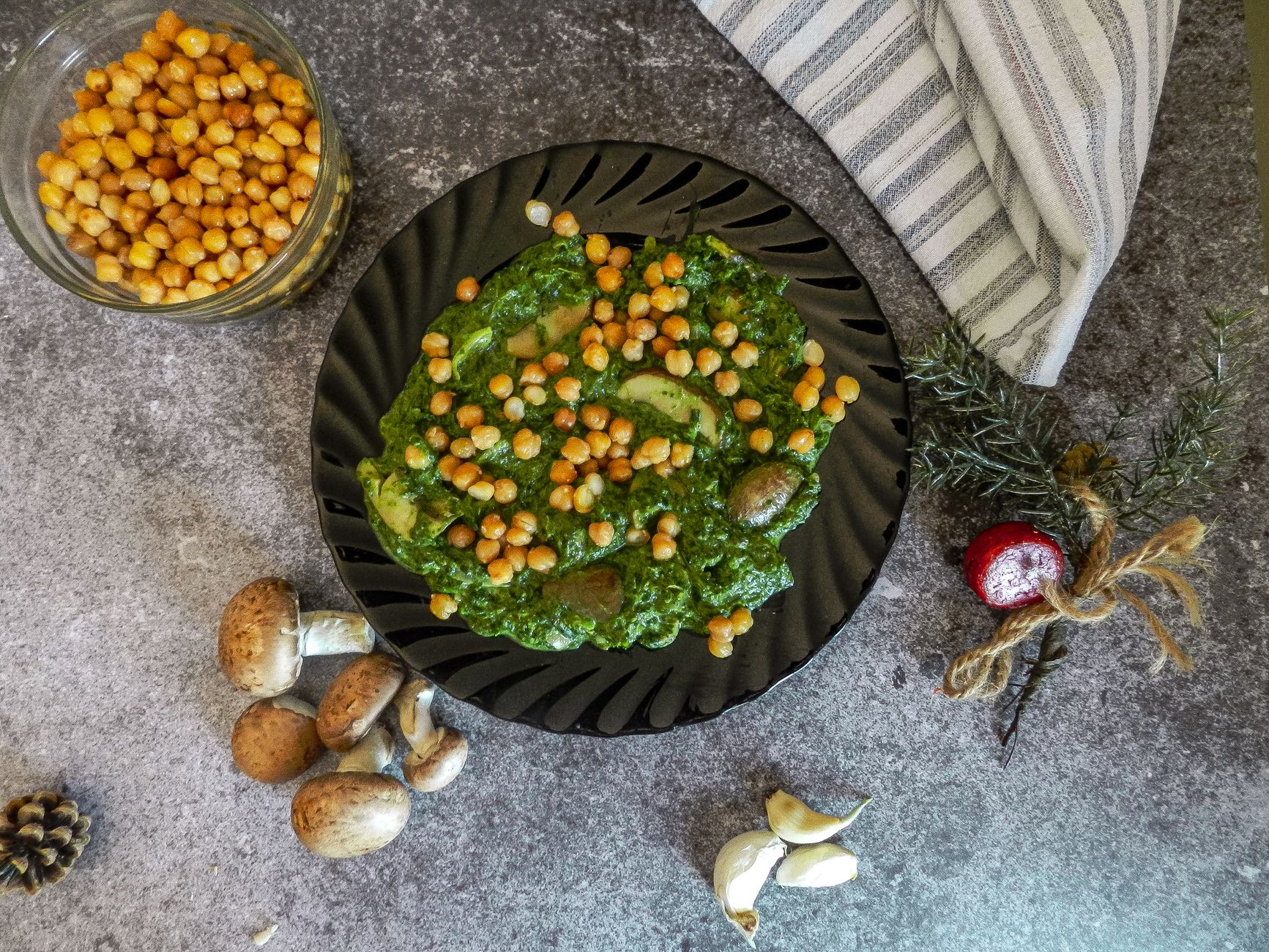
The food reflects the surrounding olive groves and the traditions of the Andalusian interior. Ochío is the local bread, a dough infused with olive oil and paprika that serves as a common snack. Pipirrana, a cold salad of tomatoes, green peppers, garlic, and breadcrumbs bound with oil, defines the summer lunch. For heavier plates, the kitchen serves cod prepared with local oils or game meats from the nearby mountains. Diners drink the wines produced in the neighboring valleys of the province, which pair with the density of the olive-based cooking found in every local tavern.
Andalusia: the whole region
The Spain most first-time visitors are picturing: the Alhambra, orange trees, sherry, and a coastline that runs from windsurfing water to resort sprawl. It is also the region people most often ruin by underestimating it. Seville and…
Minimum 5 days · better 8–10 days · deep 2 weeks
What's Nearby



Pair It With


In Andalusia




In Andalusia


In Andalusia














Linked from elsewhere
Entries that name this place in their own nearby lists.
Logistics are verified only. We don't publish schedules we haven't confirmed.
Appears In
Experiences worth booking ahead
Spain Field Guide may earn a commission when you book through selected links. Recommendations are editorial and independent of commission.
Ready to build Úbeda into a trip?
You've found a place worth going. When you're ready to turn discovery into an itinerary, Travel Itinerary Co picks up where the Field Guide leaves off — with your saved places already in hand.
Build this into a tripContinues on Travel Itinerary Co
Spain Field Guide may earn a commission when you book through selected links. Recommendations are editorial and independent of commission.