Bodegas Tío Pepe (González Byass)

The classic Jerez tour. The fino and tapas tasting at the end is the point. Pair with the Royal Andalusian School of Equestrian Art across town.
Jerez's most famous sherry bodega — the home of Tío Pepe fino, with a working solera, a chapel, and a cask signed by every visiting dignitary for 150 years.
At a Glance
- — You don't drink sherry
The classic Jerez bodega tour, and worth doing if you're only going to do one: working soleras stacked with centuries-old barrels, a chapel built into the complex, and a cask signed by visiting dignitaries going back 150 years. Two hours covers the tour and the tasting at the end, which is really the point — fino served chilled alongside a small plate of tapas, cutting through the saline, yeasty intensity of the wine. Pair it with the Royal Andalusian School of Equestrian Art across town, roughly a 15-minute walk, to fill a Jerez morning. Skip if you don't drink sherry at all; there's no version of this tour that converts a non-drinker.
How it got here
Manuel María González Ángel founded this estate in 1835 to export wine to the British market. He partnered with Robert Blake Byass to formalize a business that relied on the growing demand for sherry in London. The architecture follows the patterns of industrial Andalusian bodegas with thick walls and high ceilings to mitigate the heat of the Guadalete valley. These structures house solera systems where younger wine blends with older vintages. This process creates a consistent product that maintained the economic stability of Jerez de la Frontera throughout the twentieth century as international tastes shifted toward more modern and industrial wine production methods.
Where it sits
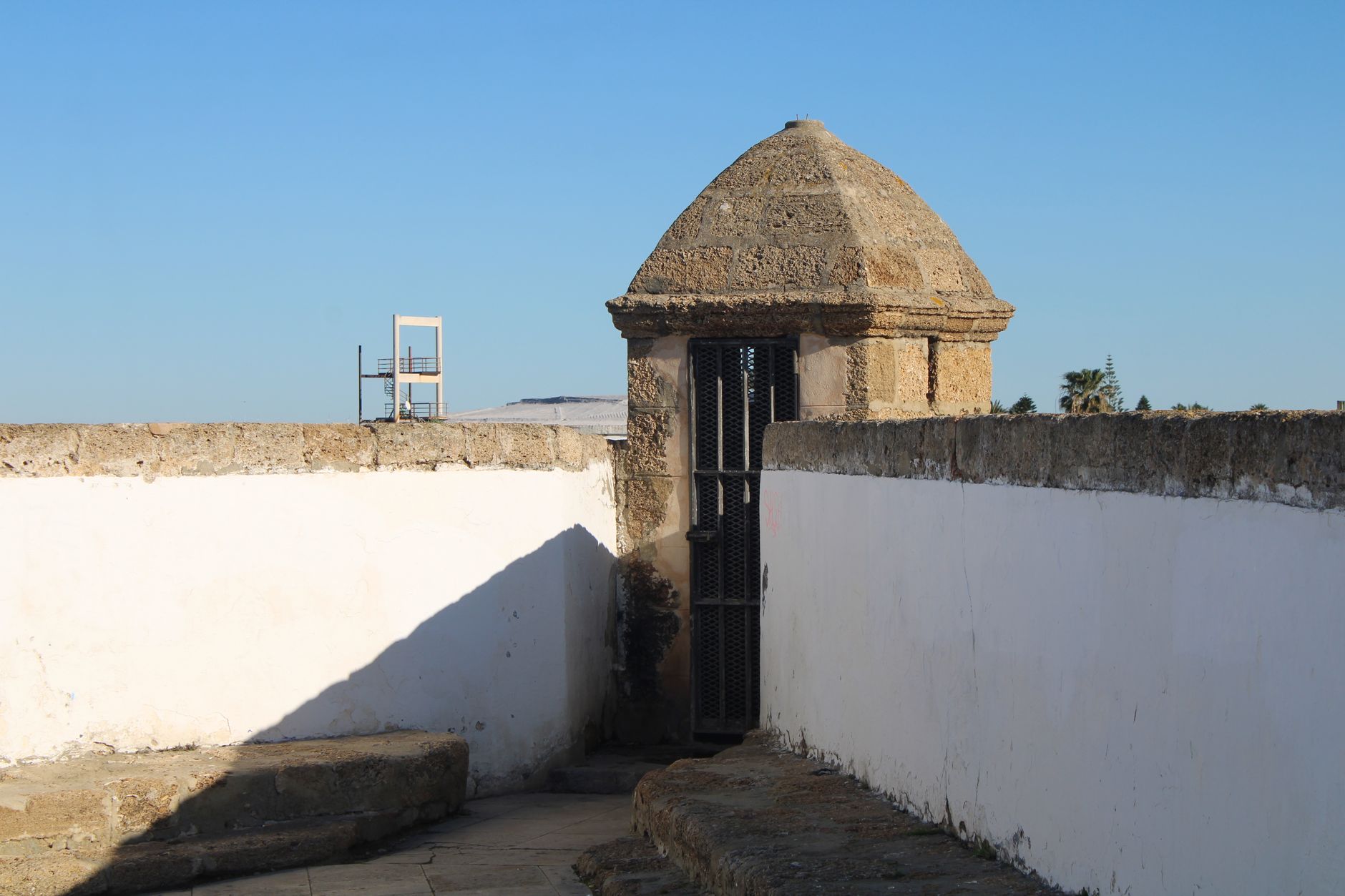
Jerez de la Frontera sits in the low-lying plains of the province of Cádiz. The landscape consists of albariza soil, a white chalky earth that holds moisture during the long, dry summers. Rain falls primarily in the autumn and spring, nourishing the vines that stretch across the rolling countryside toward the Atlantic coast. The city center feels dense with narrow streets that shield pedestrians from the sun. The breeze from the nearby ocean cools the evenings, tempering the heat that defines the long growing season of the southern plains.
What to eat and drink
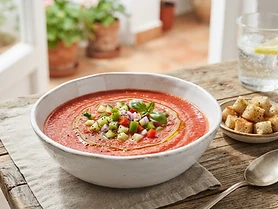
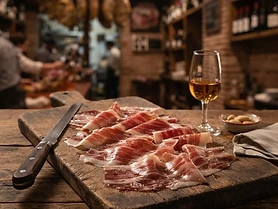
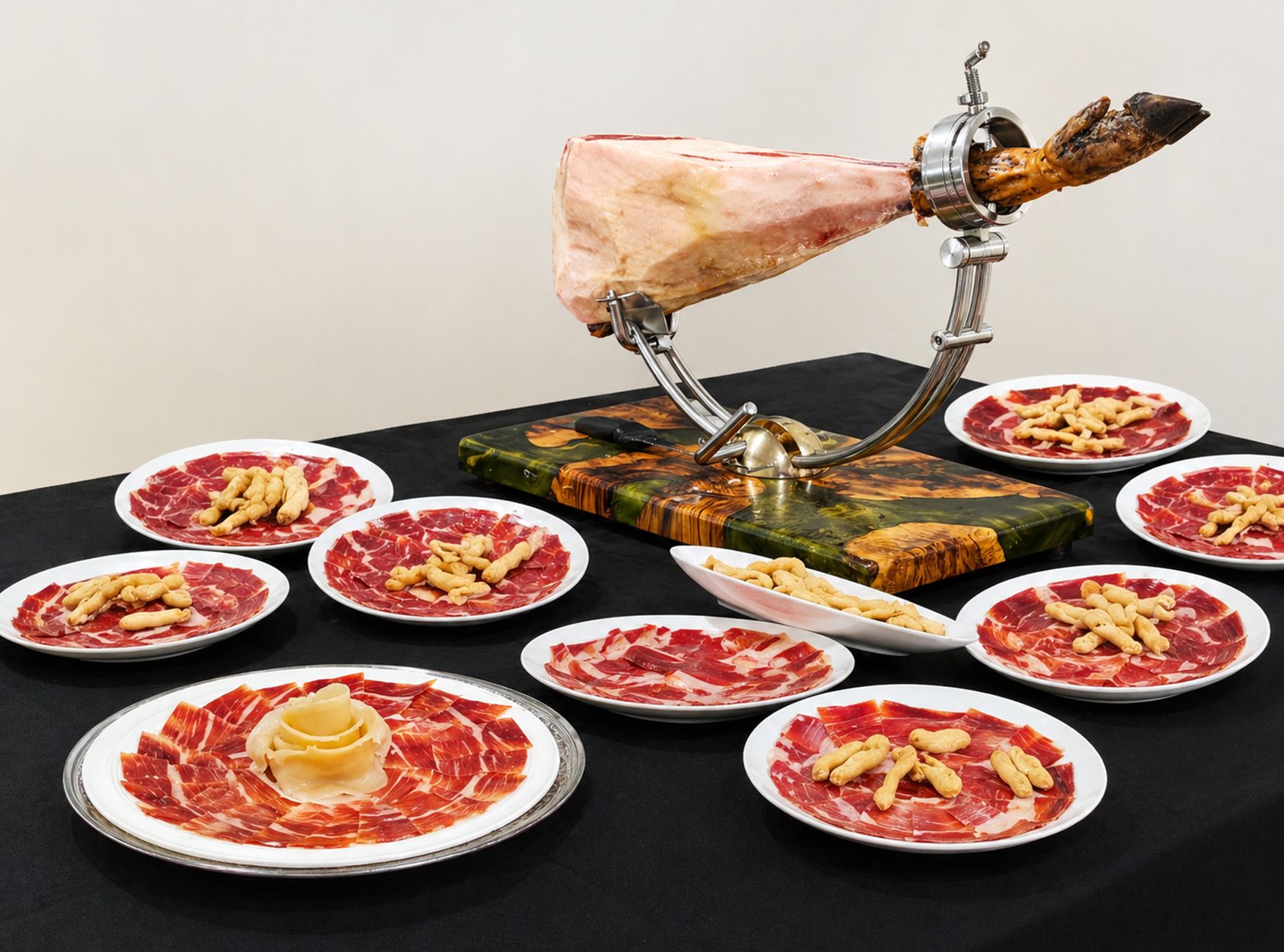
Fino, a pale and dry wine made from Palomino grapes, provides the sharp salinity required to cut through the heavy fats of local charcuterie. Jamón ibérico, cured ham from pigs fed on acorns, appears on every table alongside salted Marcona almonds. Tortillitas de camarones, thin and crispy fritters made with chickpea flour and tiny shrimp, match the intensity of chilled sherry. These dishes rely on the salt-cured traditions of the Andalusian coast where the influence of the sea shapes the palate of the province.
Andalusia: the whole region
The Spain most first-time visitors are picturing: the Alhambra, orange trees, sherry, and a coastline that runs from windsurfing water to resort sprawl. It is also the region people most often ruin by underestimating it. Seville and…
Minimum 5 days · better 8–10 days · deep 2 weeks
Pair It With


In Andalusia






In Andalusia


In Andalusia

















Linked from elsewhere
Entries that name this place in their own nearby lists.
Logistics are verified only. We don't publish schedules we haven't confirmed.
Appears In
Wine tastings and vineyard visits worth booking ahead
Spain Field Guide may earn a commission when you book through selected links. Recommendations are editorial and independent of commission.
Ready to build Bodegas Tío Pepe (González Byass) into a trip?
You've found a place worth going. When you're ready to turn discovery into an itinerary, Travel Itinerary Co picks up where the Field Guide leaves off — with your saved places already in hand.
Build this into a tripContinues on Travel Itinerary Co
Spain Field Guide may earn a commission when you book through selected links. Recommendations are editorial and independent of commission.