Córdoba Patio Festival

The single best time to be in Córdoba. Book a room months ahead. Buy the festival map and patio-hop — it's a walking tour of the city's hidden interiors.
A two-week May festival where residents open their flower-filled courtyards to the public — a competition for the most beautiful patio in Spain.
At a Glance
- — You're not in Córdoba the first two weeks of May
Book a room months ahead — this is the single best reason to be in Córdoba, and the city fills accordingly for the first two weeks of May. Residents open their private courtyards, usually hidden behind heavy wooden doors, revealing walls stacked with hundreds of potted geraniums and carnations in a genuine competition for the city's best patio. Buy the printed festival map and walk the Judería and San Basilio neighborhoods, knocking on open doors rather than following a tour. Two days covers both main patio clusters without rushing. Pair it with a glass of cold Montilla wine between stops. Skip entirely if your dates fall outside that two-week window — there's no fallback version.
How it got here
Romans built the first courtyards in the Guadalquivir valley to manage the extreme heat of the Andalusian summer. These central spaces shielded living areas from the sun and allowed for the circulation of cool air. After the collapse of the Caliphate and the subsequent arrival of Christian settlers, the courtyard structure persisted as the standard for domestic architecture in the city. The practice of decorating these patios with dense floral displays evolved from a necessity for shade into a competitive civic tradition. By the twentieth century, the local government formalized this custom into a city-wide contest that preserves these antique residential layouts against modern urban development.
Where it sits
Córdoba occupies the plains of the Guadalquivir river in the center of Andalusia. The city relies on the contrast between the limestone architecture and the lush vegetation within its walls to mitigate the heat of the interior plateau. During the first half of May, the transit between the Judería and San Basilio neighborhoods fills with visitors moving through narrow, whitewashed streets. Outside this period, the streets remain quiet as the climate turns harsh. The city sits on the rail line between Madrid and Seville, placing it at the crossroads of the region.
What to eat and drink
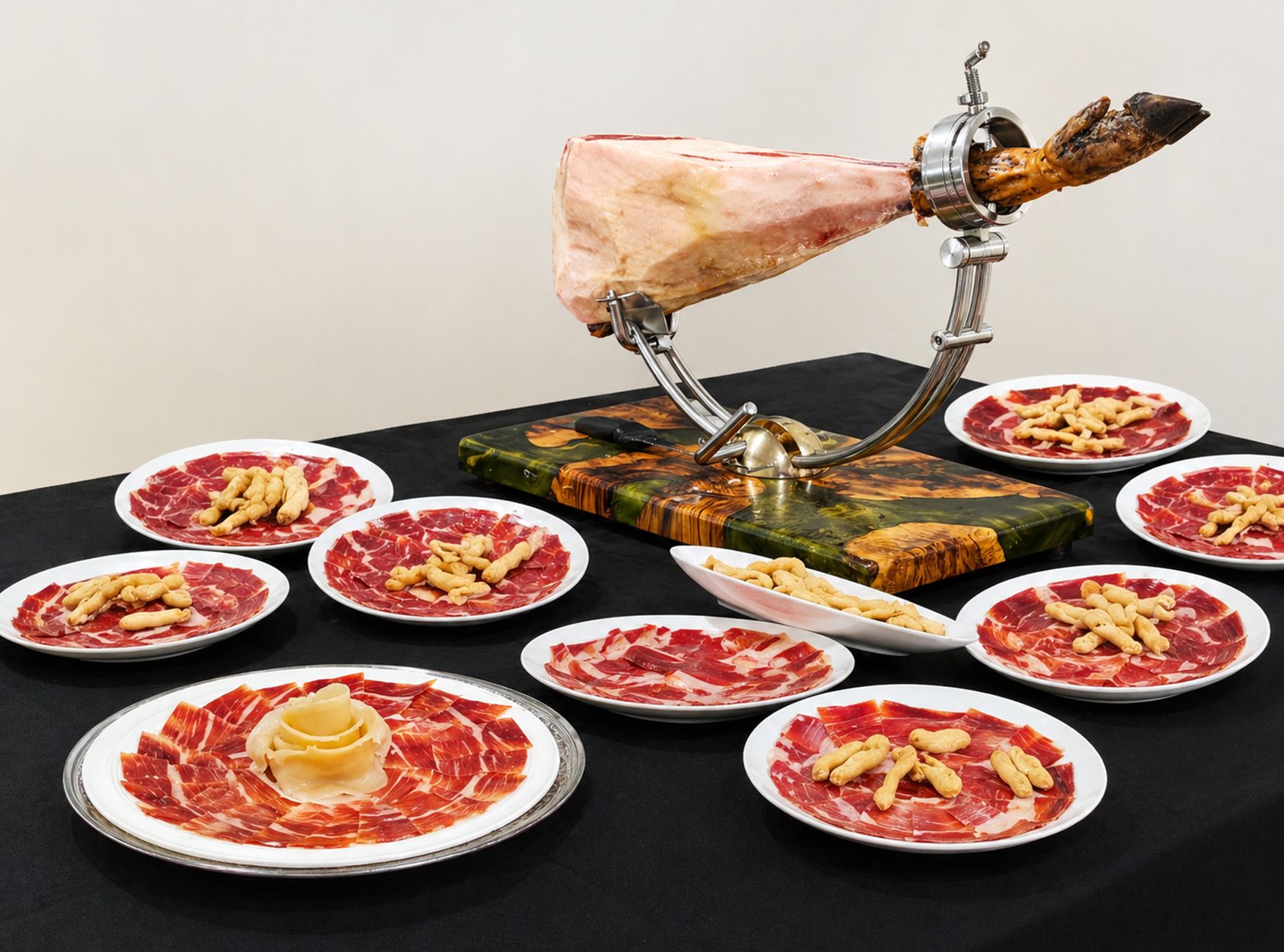
The local diet leans on the produce of the surrounding olive groves and vineyards. Salmorejo, a cold cream of puréed tomato, garlic, bread, and olive oil, provides sustenance against the midday sun. It arrives topped with hard-boiled egg and serrano ham. Pair this with Montilla-Moriles wine, a dry, fortified vintage produced from Pedro Ximénez grapes in the vineyards just south of the city. For dessert, pastel cordobés, a thick pastry filled with candied pumpkin threads known as cabello de ángel, appears in bakery windows throughout the festival weeks.
Andalusia: the whole region
The Spain most first-time visitors are picturing: the Alhambra, orange trees, sherry, and a coastline that runs from windsurfing water to resort sprawl. It is also the region people most often ruin by underestimating it. Seville and…
Minimum 5 days · better 8–10 days · deep 2 weeks
Pair It With

In Andalusia









In Andalusia


In Andalusia
















Logistics are verified only. We don't publish schedules we haven't confirmed.
Experiences worth booking ahead
Spain Field Guide may earn a commission when you book through selected links. Recommendations are editorial and independent of commission.
Ready to build Córdoba Patio Festival into a trip?
You've found a place worth going. When you're ready to turn discovery into an itinerary, Travel Itinerary Co picks up where the Field Guide leaves off — with your saved places already in hand.
Build this into a tripContinues on Travel Itinerary Co
Spain Field Guide may earn a commission when you book through selected links. Recommendations are editorial and independent of commission.