Barrio Santa Cruz

Stay here for the night atmosphere. Wander to the Alcázar and the cathedral; the lanes are the experience. Eat tapas on Calle Mateos Gago.
Seville's old Jewish quarter — whitewashed lanes, hidden patios, orange trees, and the Casa de Pilatos. The most atmospheric neighborhood in the city.
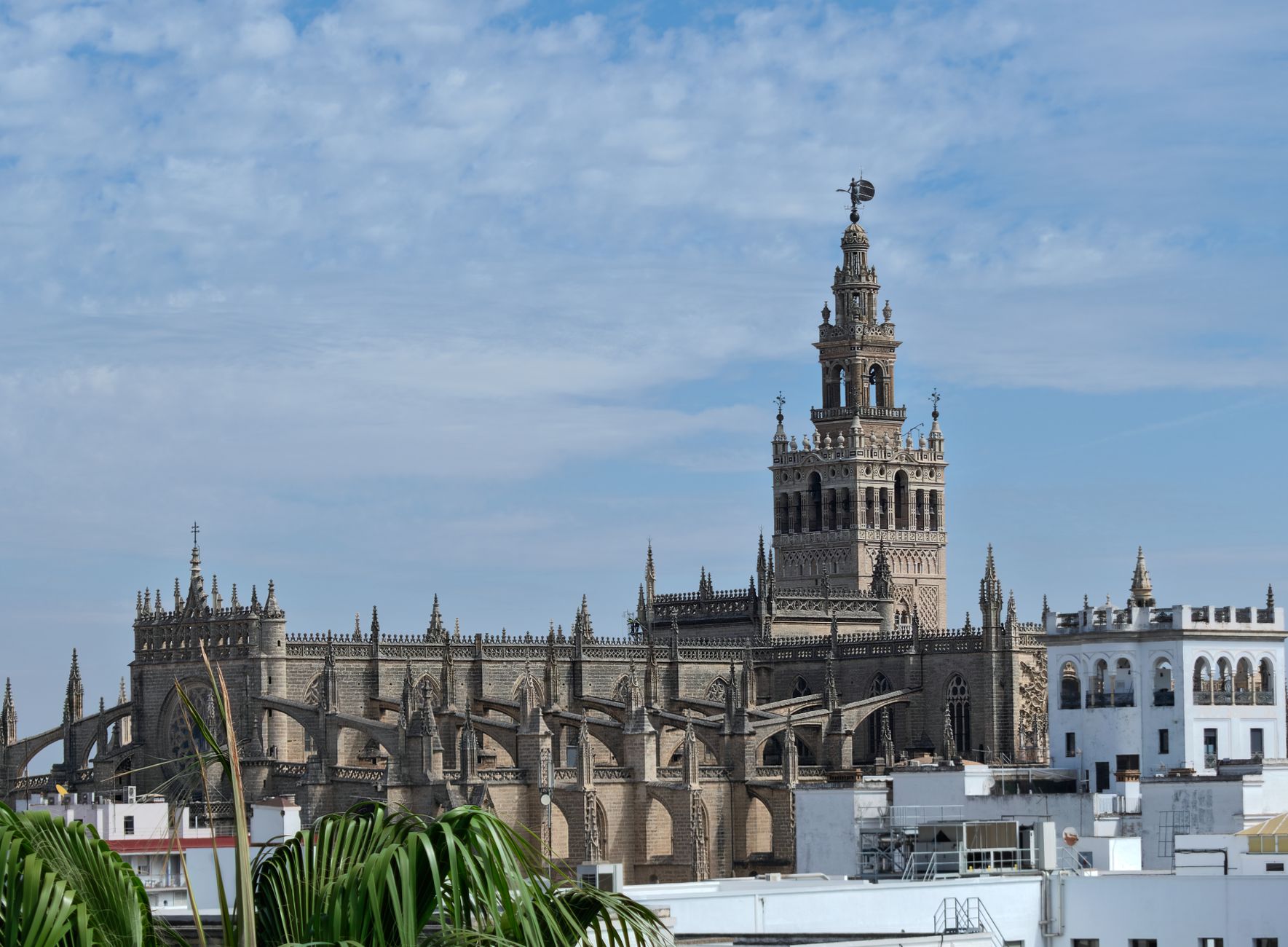
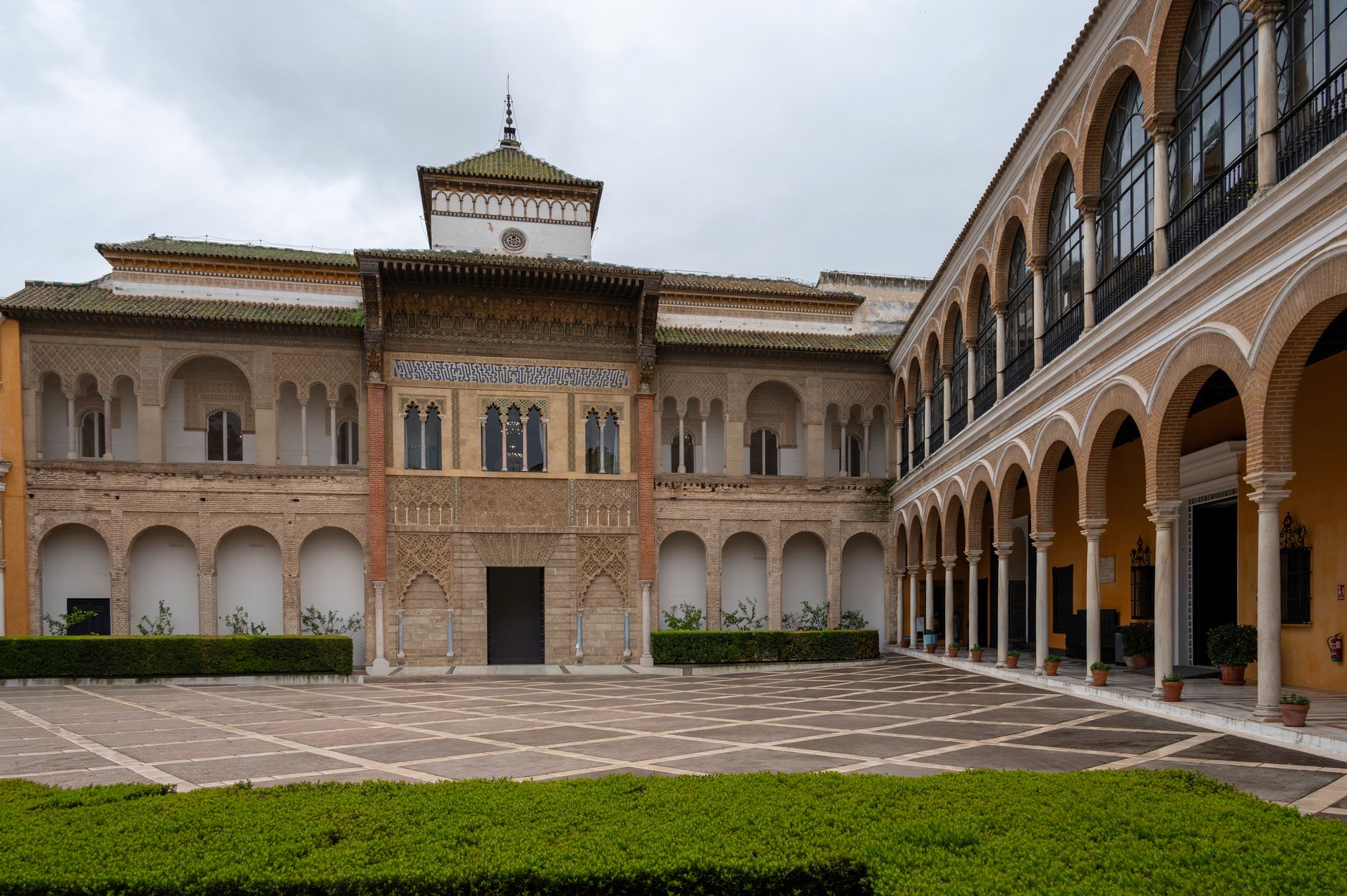
Seville Cathedral & La Giralda · Alcázar de Sevilla · Plaza de España (Seville)
At a Glance
- — You want a quiet base — it's the tourist heart
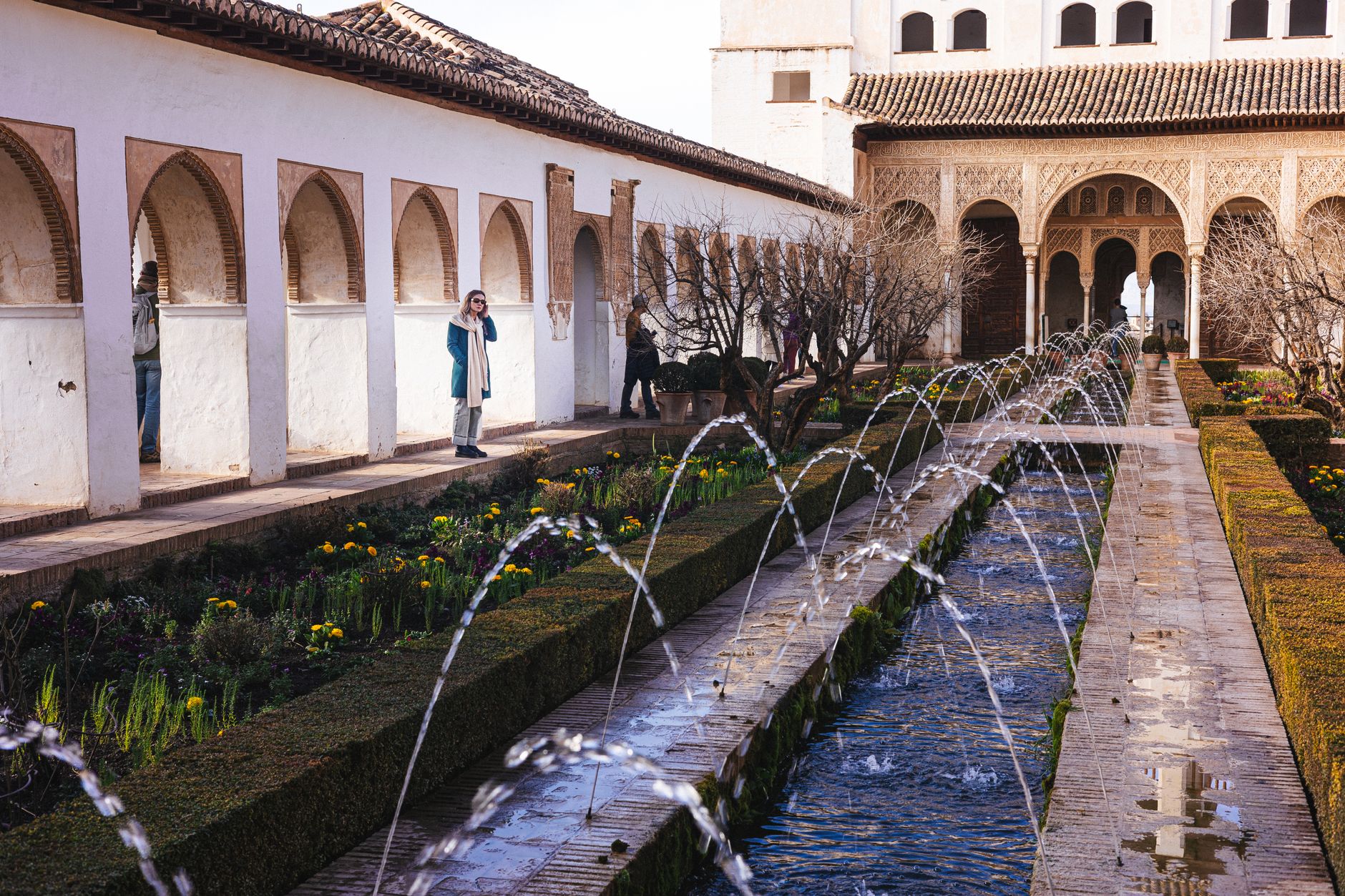
Narrow lanes here were laid out to trap shade and funnel air, which is why this former Jewish quarter stays noticeably cooler than the open streets around the cathedral even in August. Orange trees crowd fountain-centered patios tucked behind iron gates, and the Casa de Pilatos sits at the quarter's edge with some of the finest surviving mudéjar tilework in the city. This is the obvious base for the Alcázar and cathedral, both a short walk away, but it's also the most touristed patch of Seville — Calle Mateos Gago's tapas bars vary wildly in quality, so ask locally rather than picking the busiest terrace. For a quieter base, look across the river in Triana instead; here, you're paying for proximity and atmosphere, not peace.
How it got here
Ferdinand III of Castile conquered Seville in 1248, subsequently confining the Jewish population to this district. The crown designated the area as the Judería to segregate its inhabitants until the mass expulsions and forced conversions of the late fifteenth century ended the community. These events transformed the quarter into a dense network of narrow lanes and small plazas that provided defense against summer heat. The physical constraints of the existing walls dictated the irregular street patterns that persist today, as the quarter became an extension of the broader urban center surrounding the cathedral and the royal palace complex.
Where it sits
The district clings to the eastern flank of the cathedral, forming the historic core of Seville within the Guadalquivir valley. Seville occupies a flat alluvial plain, leaving the city prone to extreme heat from June through September when temperatures frequently exceed forty degrees Celsius. The narrow streets of this quarter deliberately catch limited breezes and maintain shade for longer periods than the broader boulevards outside the medieval perimeter. Spring brings the scent of orange blossoms from the courtyard trees, while winter months bring rain and damp air from the Atlantic, softening the white lime wash on the walls.
What to eat and drink
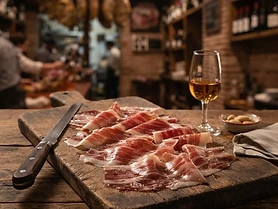
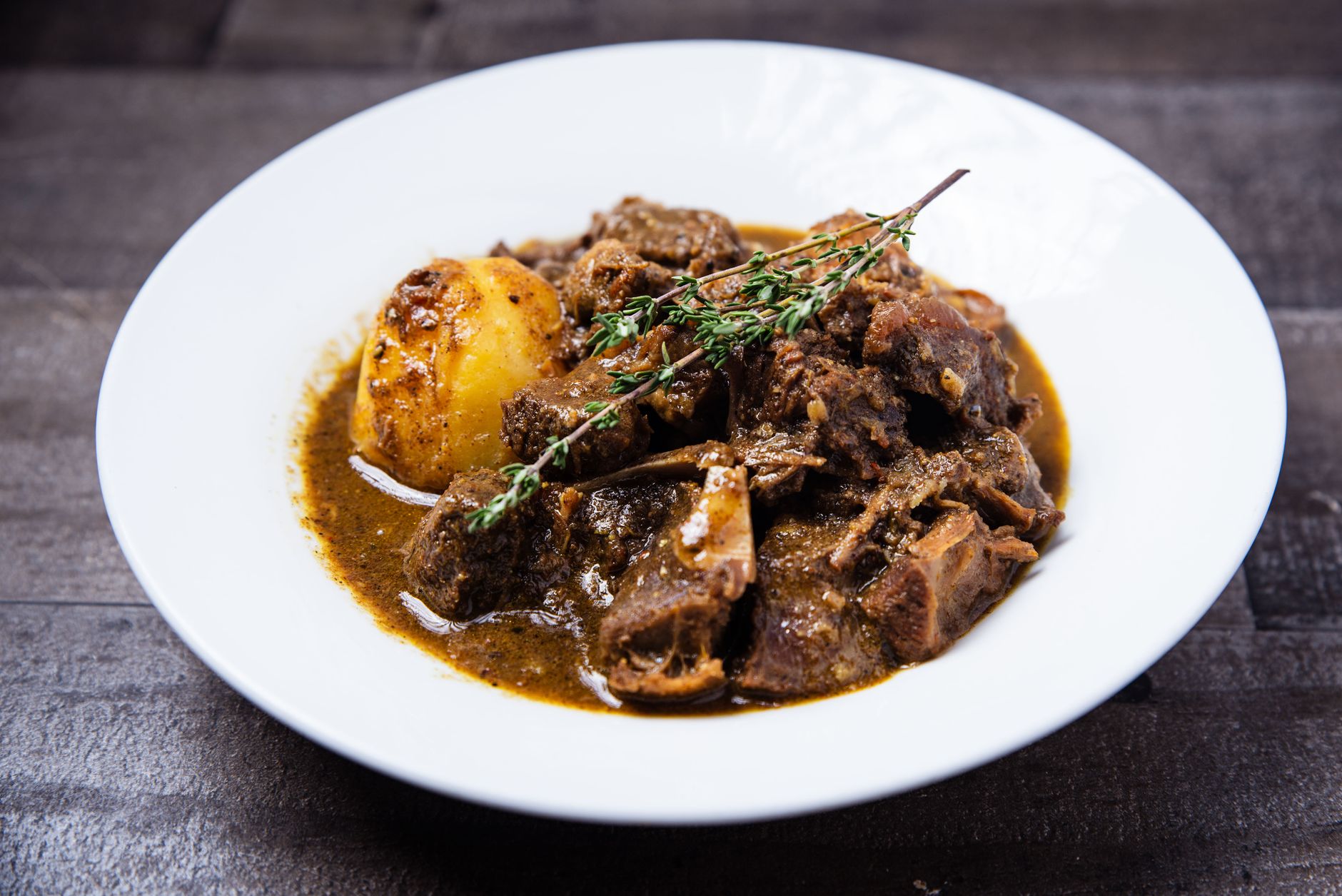
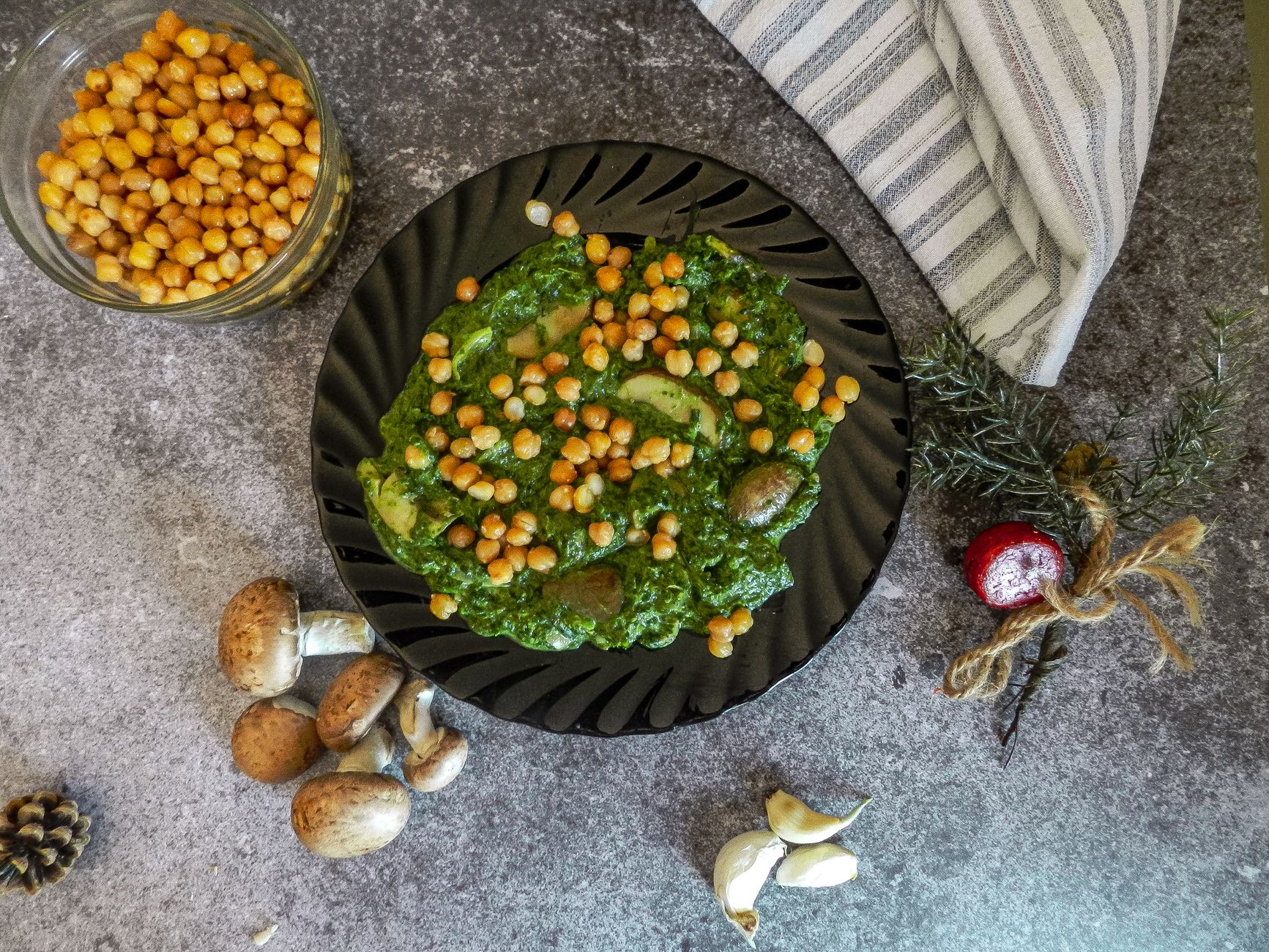
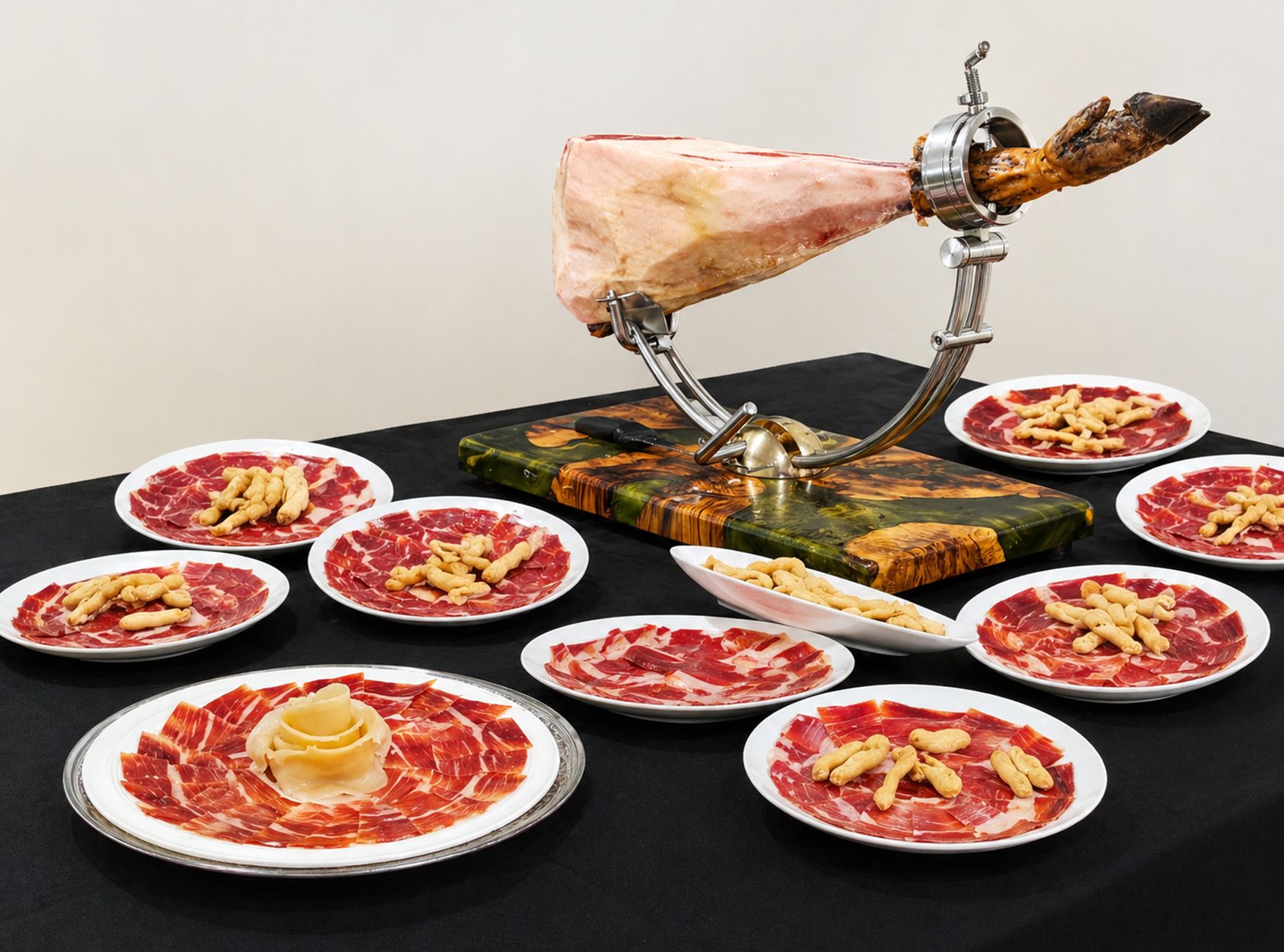
Local kitchens rely on the produce of the wider Guadalquivir valley and the nearby sierras. Espinacas con garbanzos, spinach stewed with chickpeas, garlic, and cumin, defines the traditional Sephardic legacy in the city. Rabo de toro, slow-cooked oxtail braised in red wine and vegetables, appears on menus when the cooling weather arrives. Diners drink manzanilla, a dry and salty fino sherry from the coastal town of Sanlúcar de Barrameda, which cuts through the richness of fried fish or cured jamón ibérico. Cold gazpacho, a blended soup of raw tomatoes, peppers, bread, and olive oil, remains the standard midday meal during the long summer.
Andalusia: the whole region
The Spain most first-time visitors are picturing: the Alhambra, orange trees, sherry, and a coastline that runs from windsurfing water to resort sprawl. It is also the region people most often ruin by underestimating it. Seville and…
Minimum 5 days · better 8–10 days · deep 2 weeks
Pair It With

In Andalusia








In Andalusia


In Andalusia













Linked from elsewhere
Entries that name this place in their own nearby lists.
Logistics are verified only. We don't publish schedules we haven't confirmed.
Experiences worth booking ahead
- Seville: Santa Cruz neighbourhood with flamenco show (optional)4.8 (112)2 hrsFrom €15
- Coastal Cruise on Yacht in Santa Barbara4.6 (100)1 hrsFrom €29
- WALKING TOUR - A journey through the history of Santa Cruz4.8 (58)2.5 hrsFrom €10
- Santa Cruz Guided eBike Ride & Most Fun Bike e-Bike Tour4.9 (46)2 hrsFrom €100
Spain Field Guide may earn a commission when you book through selected links. Recommendations are editorial and independent of commission.
Ready to build Barrio Santa Cruz into a trip?
You've found a place worth going. When you're ready to turn discovery into an itinerary, Travel Itinerary Co picks up where the Field Guide leaves off — with your saved places already in hand.
Build this into a tripContinues on Travel Itinerary Co
Spain Field Guide may earn a commission when you book through selected links. Recommendations are editorial and independent of commission.