Sierra de Aracena

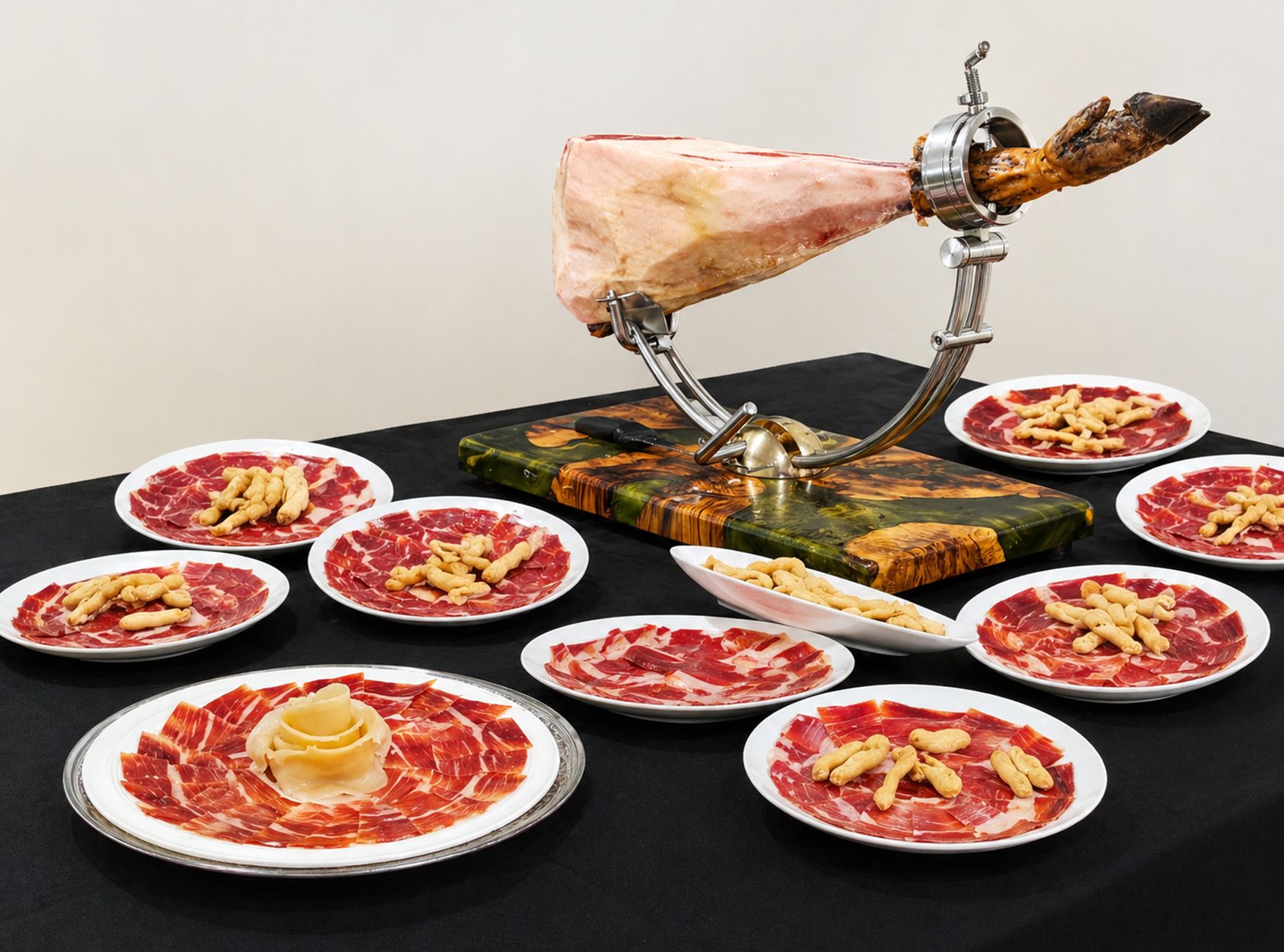
Worth a detour, and the best introduction to Andalusia that isn't the postcard one. Eat ham where it is made, not in Sevilla.
Acorn-fed ham, chestnut hills and white villages, in the Andalusian mountains most visitors skip on the way to the coast.
At a Glance
- — You are passing on the A-66 to the coast — this needs a deliberate two days
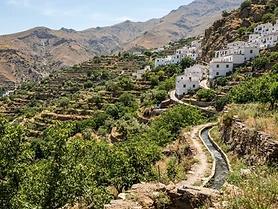
The Sierra de Aracena is the western end of the Sierra Morena, an hour and a half from Sevilla, and it is green in a way that surprises people who know the rest of Andalusia: chestnut woods, cork oaks and white villages on hillsides, with real rain in winter and streams running in spring. Iberian pigs are fattened on acorns in the dehesa here, which is why Jabugo ham is the most famous in Spain. Aracena has a castle, a good market and a cave under the town. This is where Sevillanos go for the weekend, and it works by car: a village in the morning, ham at lunch, a walk in the afternoon.
How it got here
These hills formed part of the border between the Kingdom of Seville and the Kingdom of Portugal. Castilian monarchs granted these lands to the Order of Santiago in the thirteenth century to secure the frontier. The order built fortresses to consolidate control over the newly acquired territory. During the sixteenth century the rise of the wool trade brought prosperity to the white villages, as local guilds exported textiles through the port of Seville. Today the layout of these mountain towns, with narrow streets designed for pack animals and defensive walls, marks this period of consolidation when the region served as a buffer between kingdoms.
Where it sits
The Sierra de Aracena forms the western end of the Sierra Morena, a chain of rolling hills covered in chestnut forests and cork oaks. Atlantic weather systems bring high rainfall to these slopes, keeping the valleys green long after the plains of Seville turn gold. In the heat of summer the temperature drops at this elevation, drawing residents from the lower Guadalquivir valley. Roads wind through the valleys, connecting white villages that cling to steep hillsides. Spring brings green pastures, while autumn turns the forests to shades of copper and bronze during the harvest.
What to eat and drink
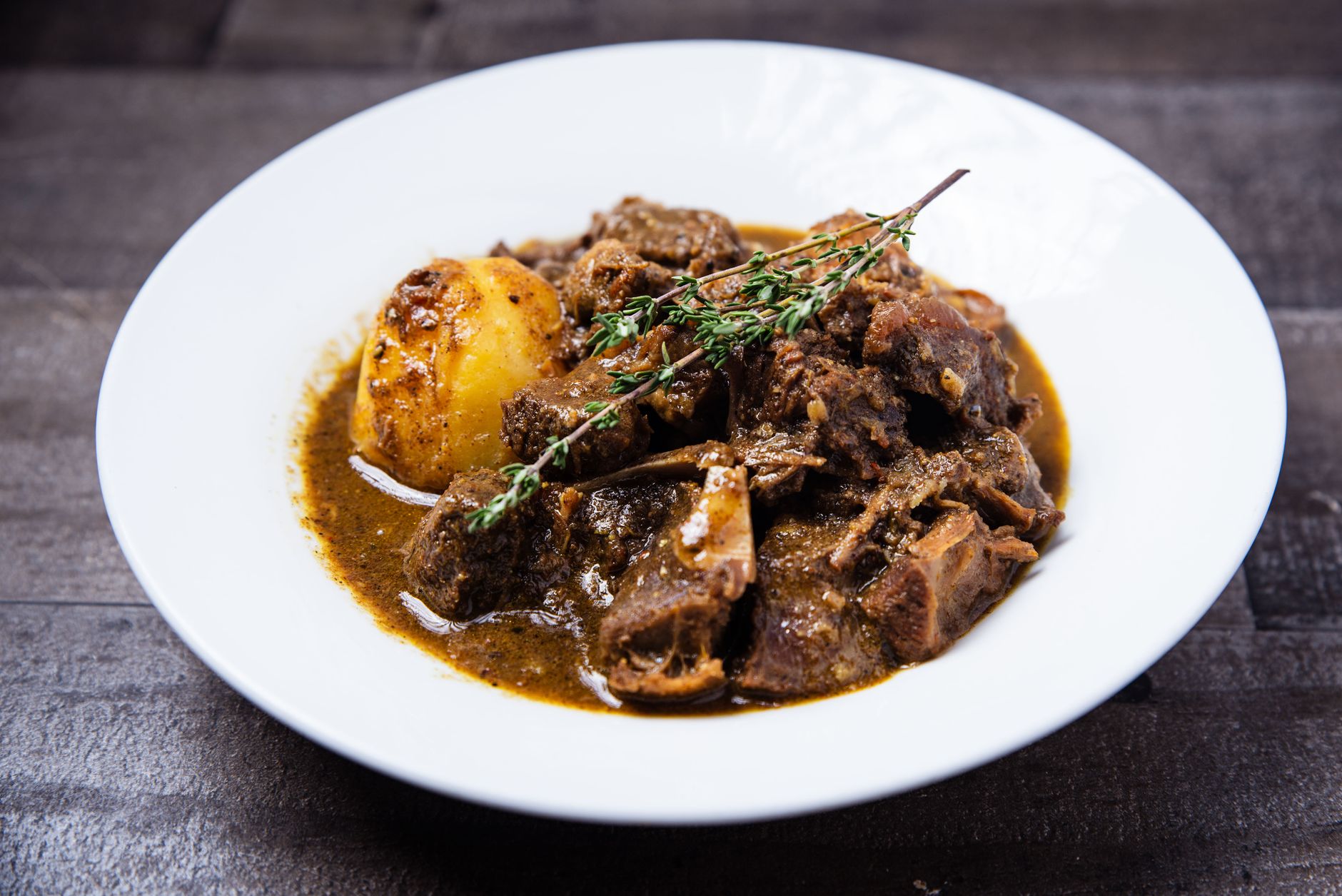
Jamón de bellota, cured ham from Iberian pigs fed exclusively on acorns, defines the local diet. The cold, damp winters provide conditions for curing this meat in village drying sheds. Besides the ham, the cuisine relies on the mountain woods and the pig. Sopa de matanza is a broth made from pig offal and bread, traditionally served after the winter slaughter. Mushrooms, particularly boletus, appear on plates during the autumn harvest. Stews of game meats like deer and wild boar from the surrounding forests fill the village taverns when the weather cools.
Andalusia: the whole region
The Spain most first-time visitors are picturing: the Alhambra, orange trees, sherry, and a coastline that runs from windsurfing water to resort sprawl. It is also the region people most often ruin by underestimating it. Seville and…
Minimum 5 days · better 8–10 days · deep 2 weeks
In and around Sierra de Aracena


In Andalusia






In Andalusia


In Andalusia














Linked from elsewhere
Entries that name this place in their own nearby lists.

Logistics are verified only. We don't publish schedules we haven't confirmed.
Appears In
Experiences worth booking ahead
Spain Field Guide may earn a commission when you book through selected links. Recommendations are editorial and independent of commission.
Ready to build Sierra de Aracena into a trip?
You've found a place worth going. When you're ready to turn discovery into an itinerary, Travel Itinerary Co picks up where the Field Guide leaves off — with your saved places already in hand.
Build this into a tripContinues on Travel Itinerary Co
Spain Field Guide may earn a commission when you book through selected links. Recommendations are editorial and independent of commission.