Sarria
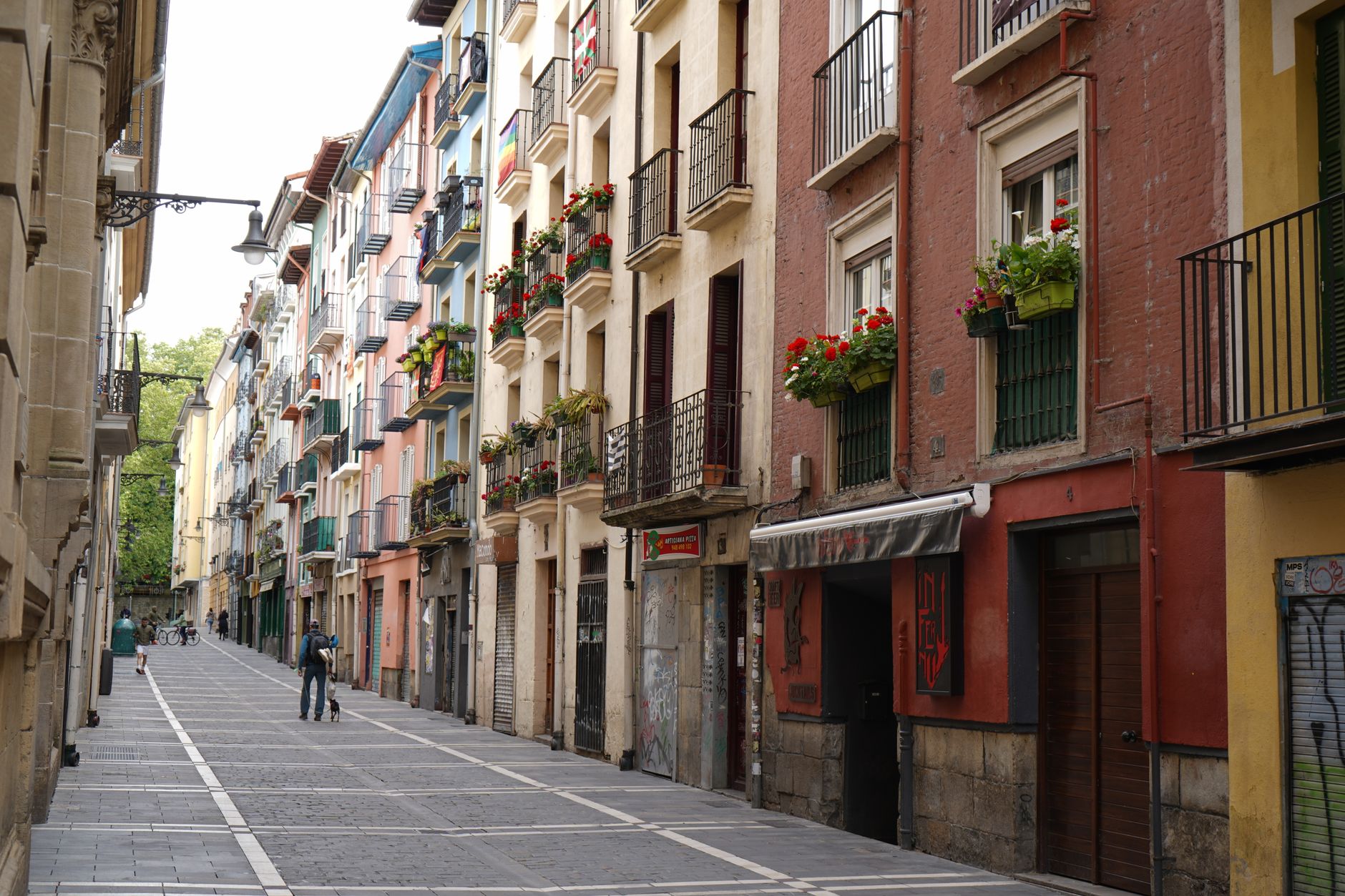
A bustling and energetic town that serves as the gateway to the final stage of the journey.
Its high concentration of services makes it a very convenient hub for the final stretch.
At a Glance
- — you dislike crowded trails
A bustling, energetic town that marks the most common starting point for the final hundred kilometers toward Santiago. The streets are thick with the momentum of new arrivals, supported by an abundance of cafes and services tailored to the daily needs of travelers. It serves as an essential, high-energy gateway, offering a final moment of social density and logistical support before the road thins out into the deep, green hills of the final approach.
How it got here
Medieval Sarria developed along the Camino de Santiago, a transit route that dictated the town growth during the Middle Ages. The fortress of O Castelo de Sarria stood above the valley, guarding the passage between the kingdoms of Galicia and León. King Alfonso IX died here in 1230 while returning from a pilgrimage to Santiago de Compostela. The town evolved through its position as a royal waypoint, supporting the passage of travelers through the centuries. While the original fortification largely disappeared, the defensive layout shaped the current street grid. The town maintains this connection to the past by operating as the traditional threshold for pilgrims completing the final stage of the route.
Where it sits
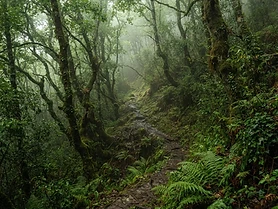
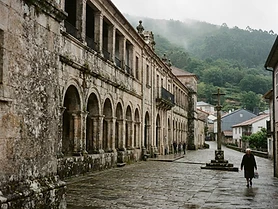
The terrain rises through the green hills of Lugo where the Sarria and Celeiro rivers meet. Ancient oak and chestnut forests dominate the slopes, creating a humid landscape typical of interior Galicia. Roads winding from the provincial capital pass through dense woodland and pastures that stay vibrant throughout the year. Summer brings mild warmth while winter fog often lingers in the river valleys. Travelers arrive on foot or by regional train to navigate the steep streets. The atmosphere turns quiet outside the peak months as the flow of people diminishes into the rural solitude of the surrounding Galician countryside.
What to eat and drink
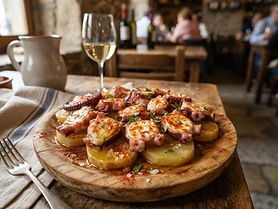
Caldo gallego, a hearty broth of turnip greens, potatoes, white beans, and pork fat, defines the local diet. The province relies on the land for simple, enduring flavors. Pulpo á feira, octopus boiled in copper pots and dressed with olive oil, coarse salt, and pimentón, appears on every table of importance. Producers nearby supply tetilla, a mild, creamy cow milk cheese shaped like a woman breast. A glass of Mencía, a red wine with notes of dark fruit grown on the slate terraces of the nearby Ribeira Sacra, completes the meal.
Galicia: the whole region
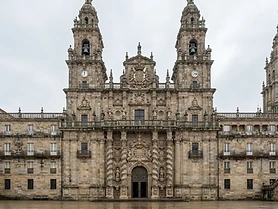
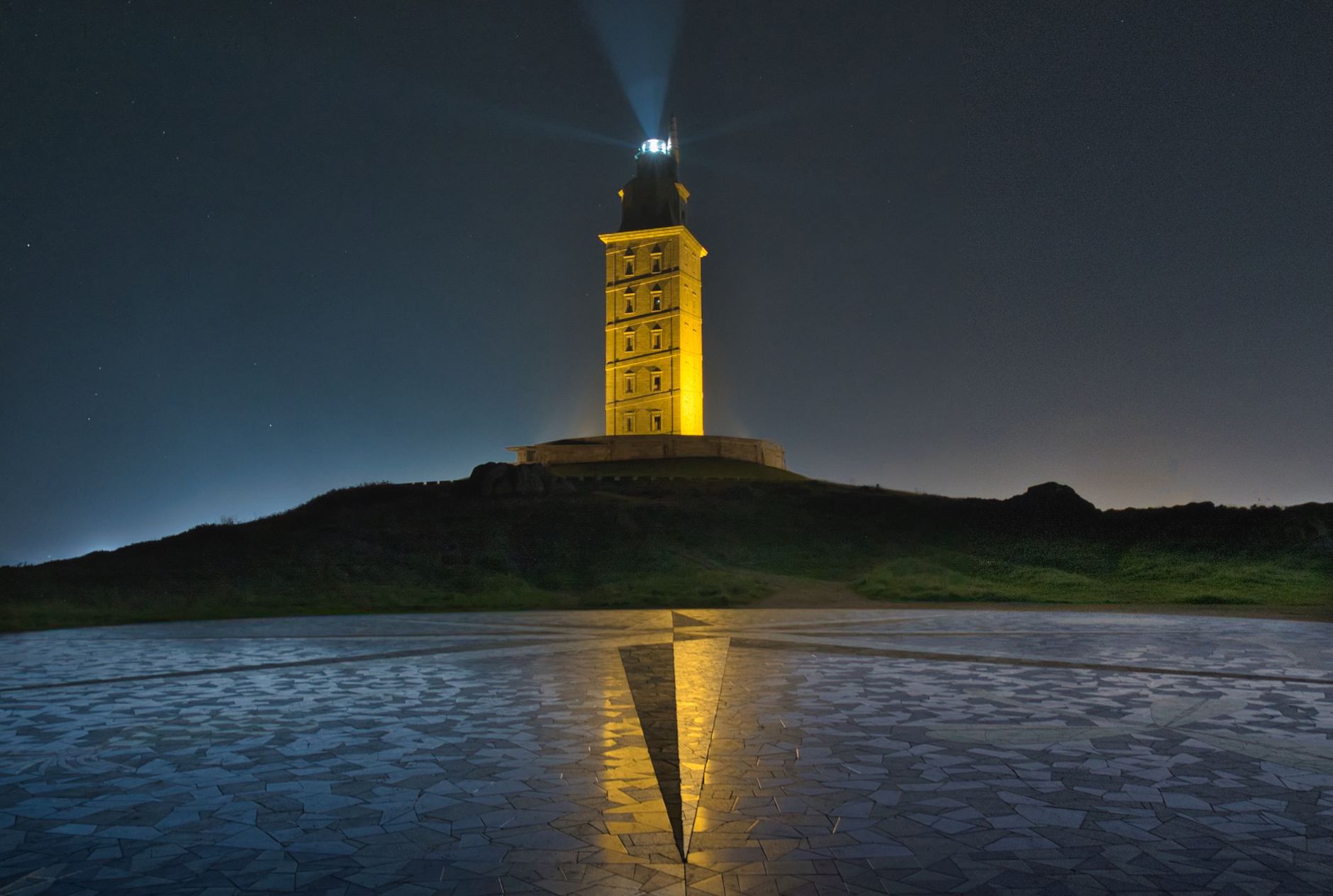
Galicia is wet, green, cheap and unlike anywhere else in Spain: a drowned coast of rias, granite villages, seafood that justifies the trip on its own, and Santiago at the middle of it. The rain is not a risk, it is a certainty — plan…
Minimum 5 days · better 8-10 days · deep 2 weeks
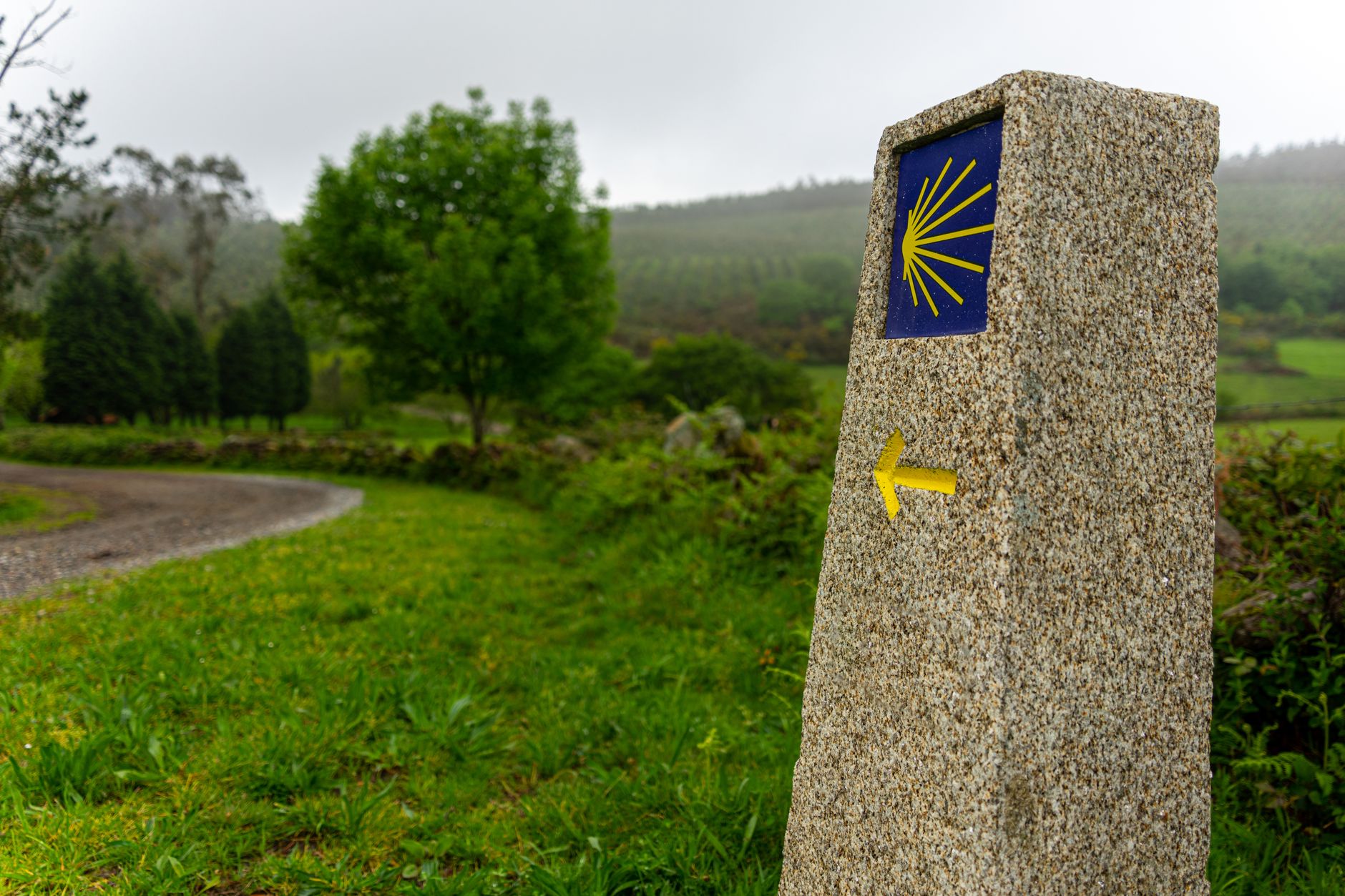
In Galicia




In Galicia


In Galicia
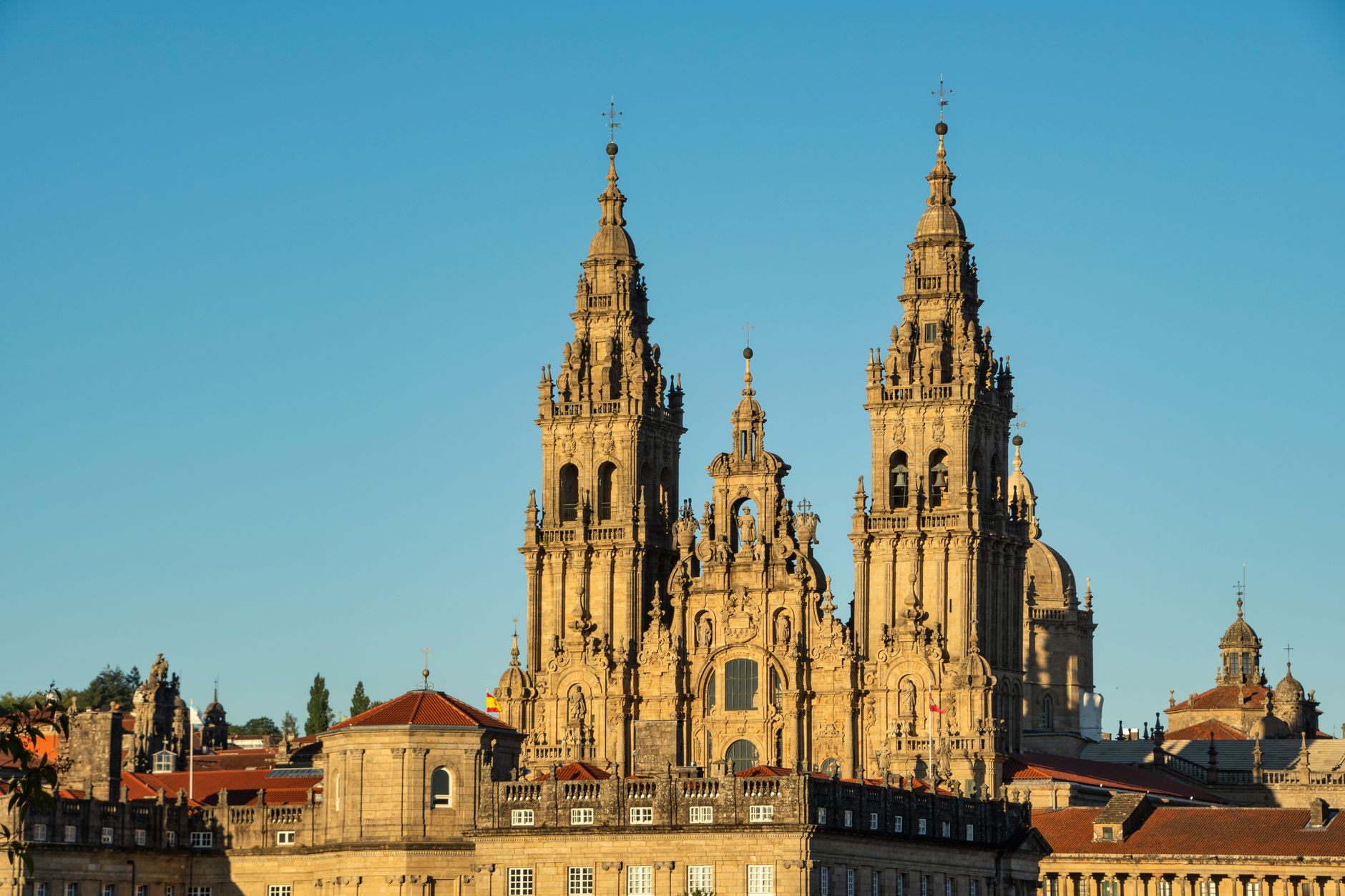





Linked from elsewhere
Entries that name this place in their own nearby lists.
Logistics are verified only. We don't publish schedules we haven't confirmed.
Appears In
Experiences worth booking ahead
- 7-Day Tour of the French Way of Santiago from Sarria4.8 (261)168 hrsFrom €945
- Sangria Tasting Experience in Sevilla, Spain4.6 (48)1.5 hrsFrom €25
- Discover the unique wine and villages of the Sierra de Salamanca5.0 (11)From €255
- Camino de Santiago French from Sarria to Santiago de Compostela4.6 (10)168 hrsFrom €575
Spain Field Guide may earn a commission when you book through selected links. Recommendations are editorial and independent of commission.
Ready to build Sarria into a trip?
You've found a place worth going. When you're ready to turn discovery into an itinerary, Travel Itinerary Co picks up where the Field Guide leaves off — with your saved places already in hand.
Build this into a tripContinues on Travel Itinerary Co
Spain Field Guide may earn a commission when you book through selected links. Recommendations are editorial and independent of commission.