Carrión de los Condes

A substantial and welcoming town that offers excellent rest and cultural exploration.
The cloister of the Monasterio de San Zoilo is a magnificent example of Plateresque architecture.
At a Glance
- — you are seeking modern nightlife
A town of substantial stone walls and silent courtyards, standing as a testament to the grand history of the northern plains. The cloister of the Monasterio de San Zoilo remains a crowning achievement of Plateresque design, offering a cool, intricately carved sanctuary from the midday sun. It is a welcoming, historic stop that invites travelers to rest their legs and study the fine, stony details of the region’s religious heritage.
How it got here
Count Gómez Díaz and his wife Teresa established a monastery here in the eleventh century, placing the settlement under the protection of the counts of Carrión. The town held strategic importance on the Camino de Santiago, the primary pilgrimage route that funneled travelers and commerce across the northern plains. Royal charters granted privileges to the town throughout the medieval period, fostering the construction of grand religious complexes. The architecture of the Monasterio de San Zoilo and the Church of Santiago records the wealth accumulated through these transit rights. These stone structures now anchor the town, marking the intersection of medieval noble power and the endurance of ecclesiastical traditions in the Tierra de Campos.
Where it sits
The town sits upon the flat, open expanse of the Tierra de Campos, a landscape defined by rolling grain fields and wide, cloud-swept horizons. The Carrión River bisects the settlement, providing a ribbon of moisture through a terrain that turns to baked brown earth under the summer sun. Winters bring biting winds that sweep across the meseta, freezing the damp soil and clearing the streets of movement. Access remains tied to the ancient corridors that connect Palencia to the northern mountains. Traffic ebbs and flows with the seasonal migration of pilgrims, who arrive in the cool mornings of spring and autumn.
What to eat and drink
Sopa castellana provides the standard meal, a heavy broth of stale bread, garlic, and pimentón, often finished with a poached egg. Local ovens roast lechazo, the meat of unweaned lambs that graze the stubble of the surrounding cereal plains, cooked with nothing more than water and salt to blister the skin. Legumes define the pantry, particularly the small, buttery lentils of the province. Diners pair these dishes with the bold red wines of the nearby Ribera del Duero, where the harsh continental climate forces the vines to produce concentrated fruit.
Castilla y León: the whole region
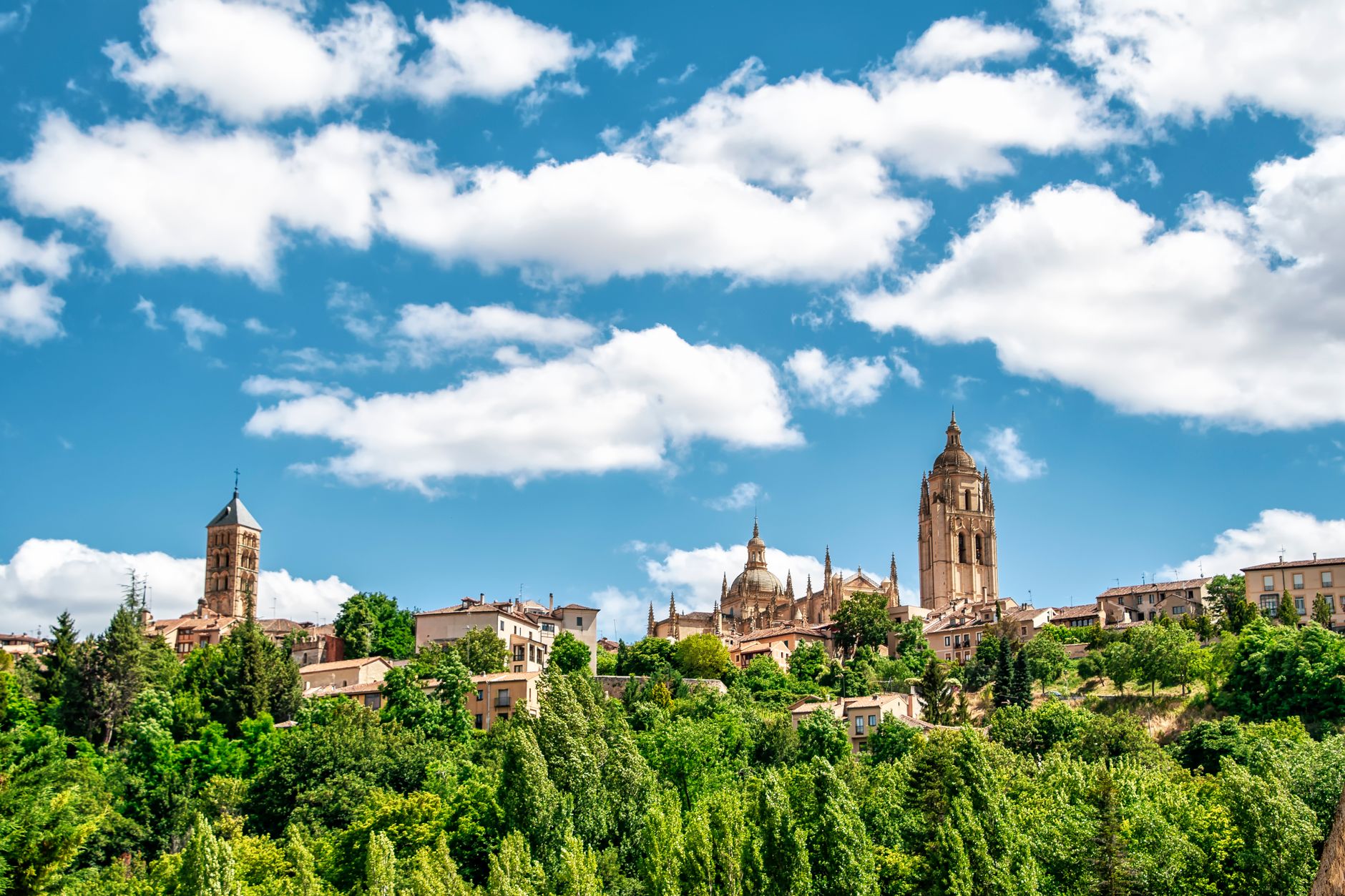
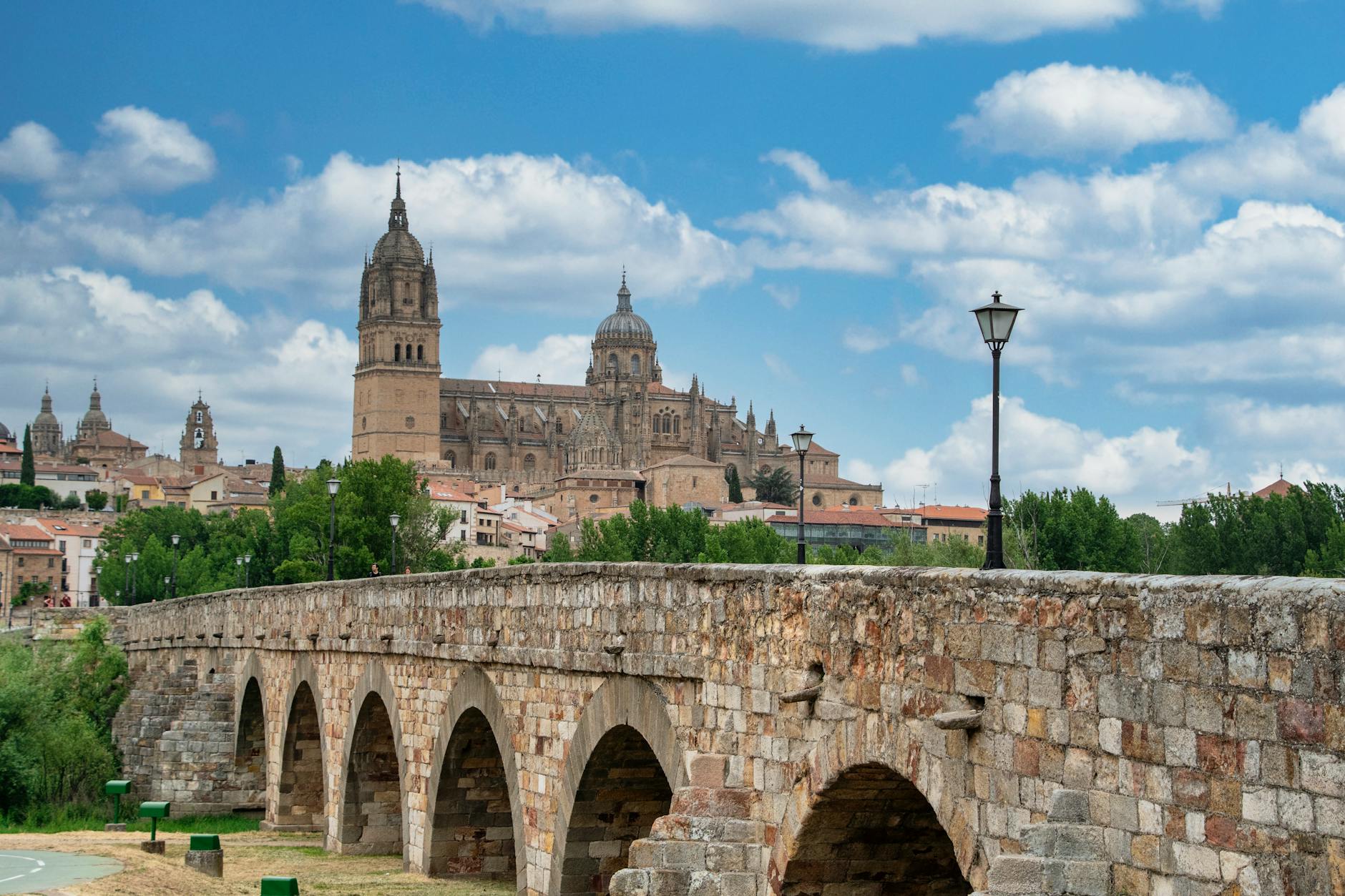
The largest region in Spain, and the one that most rewards a car: a plateau of walled cities, Romanesque churches and vineyards, with Salamanca, León, Burgos and Segovia as four genuine anchors spread across four hundred kilometres. There…
Minimum 5 days · better 8-10 days · deep 2 weeks
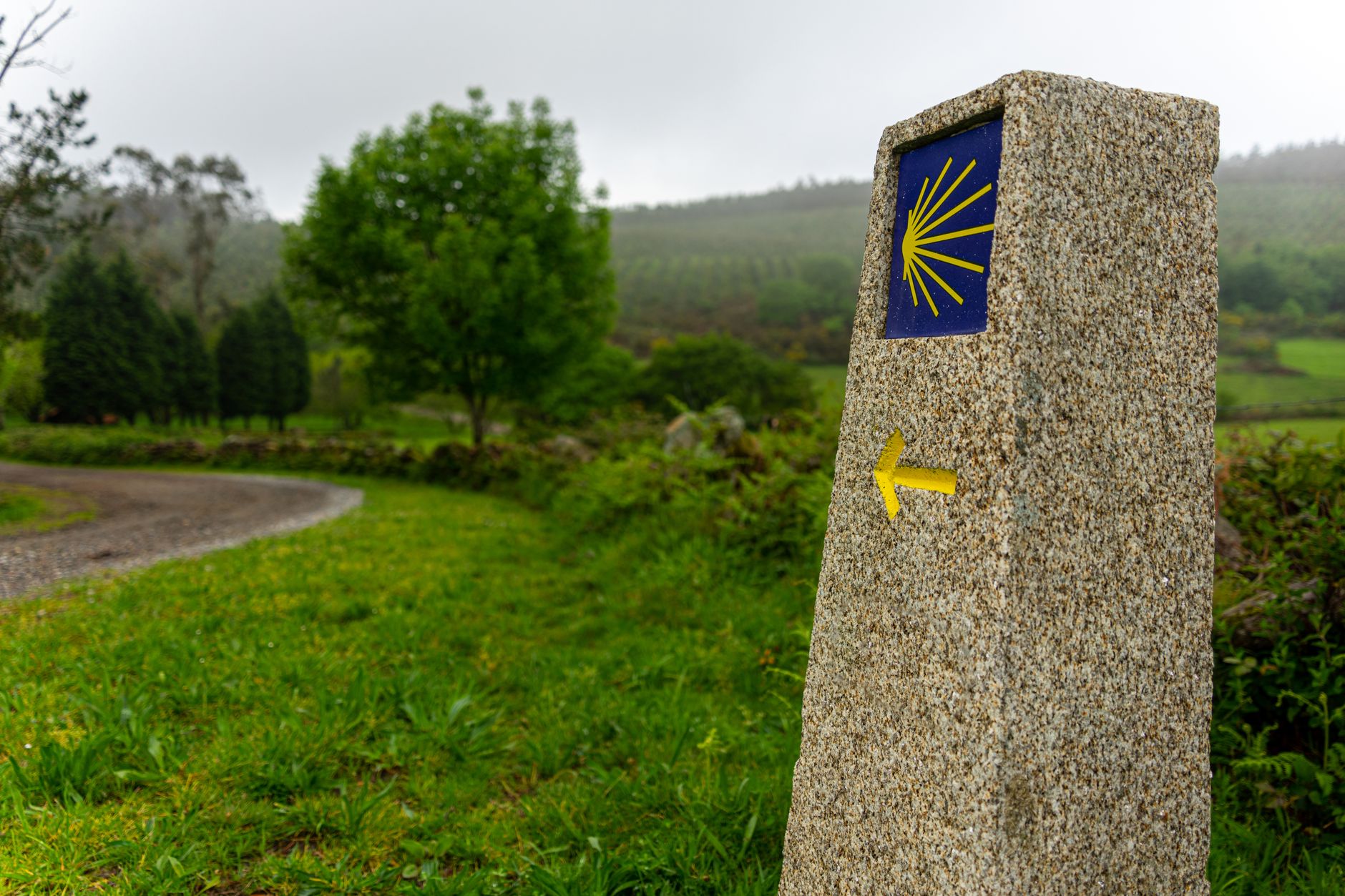
In Castilla y León



In Castilla y León




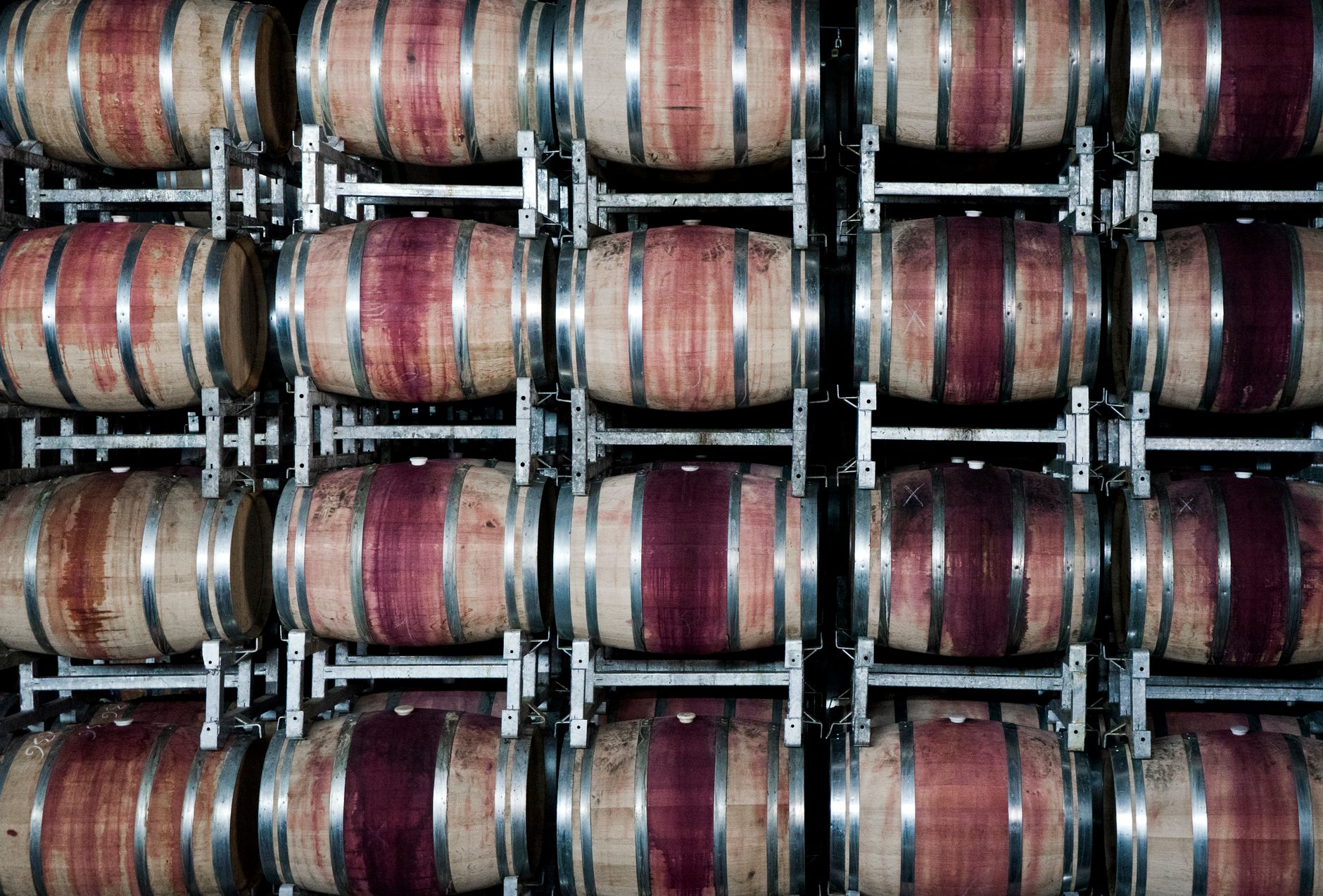

In Castilla y León












Logistics are verified only. We don't publish schedules we haven't confirmed.
Experiences worth booking ahead
- Cancun ATV Jungle Adventure, Ziplines, Cenote and Tequila Tasting4.7 (6,427)4 hrsFrom €36
- Cancun ATV Adventure, Interactive Bridges, Ziplines and Cenote4.6 (4,280)4 hrsFrom €36
- Volcano Hike, Waterfall Swim & Hot Springs Combo on Rincon de la Vieja4.7 (800)12 hrsFrom €114
- Toledo Half or Full Day Tour with Optional Lunch from Madrid4.5 (6,354)From €29
Spain Field Guide may earn a commission when you book through selected links. Recommendations are editorial and independent of commission.
Ready to build Carrión de los Condes into a trip?
You've found a place worth going. When you're ready to turn discovery into an itinerary, Travel Itinerary Co picks up where the Field Guide leaves off — with your saved places already in hand.
Build this into a tripContinues on Travel Itinerary Co
Spain Field Guide may earn a commission when you book through selected links. Recommendations are editorial and independent of commission.