Portomarín
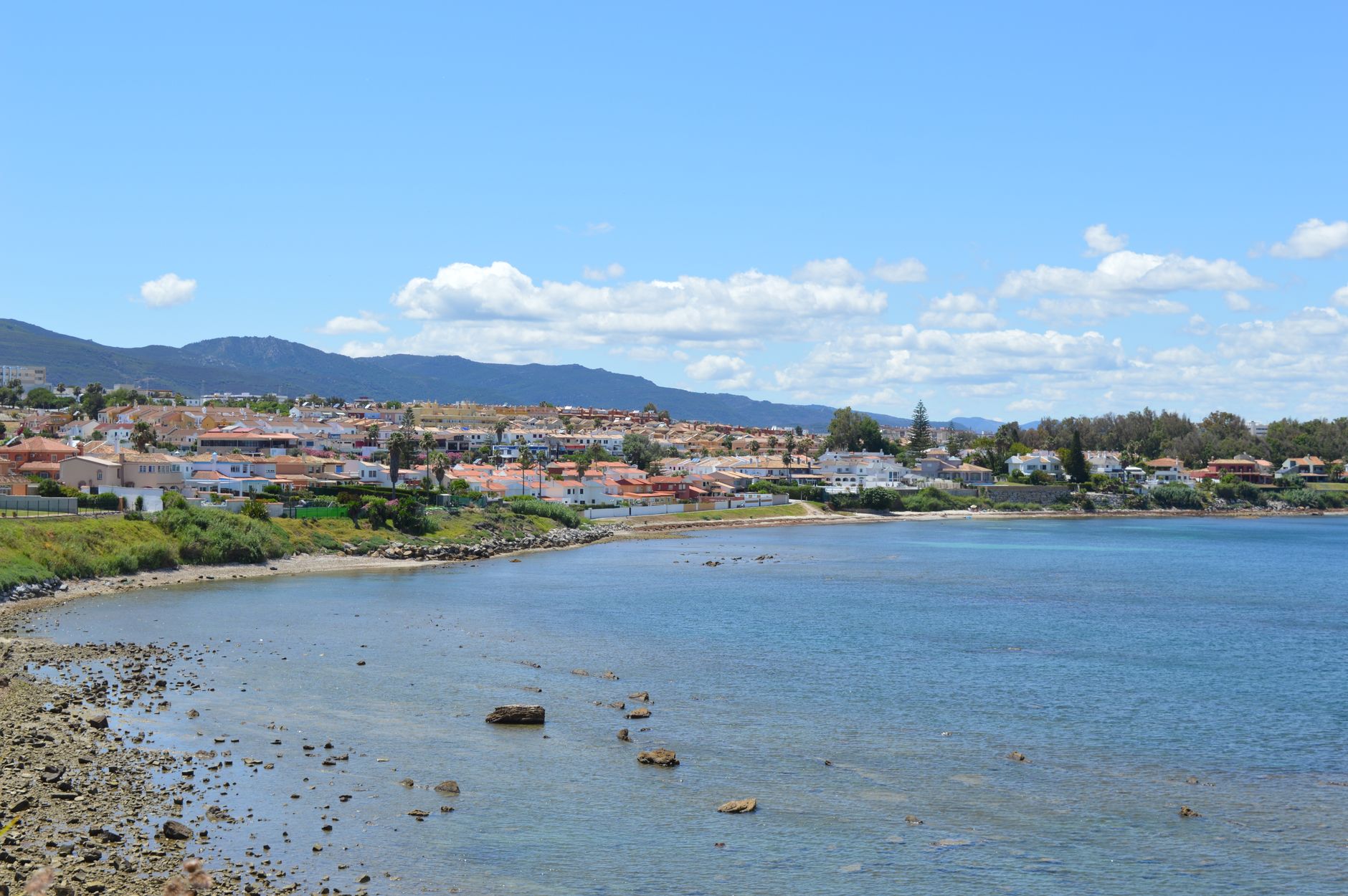
A fascinating architectural anomaly with deep emotional ties to the local community.
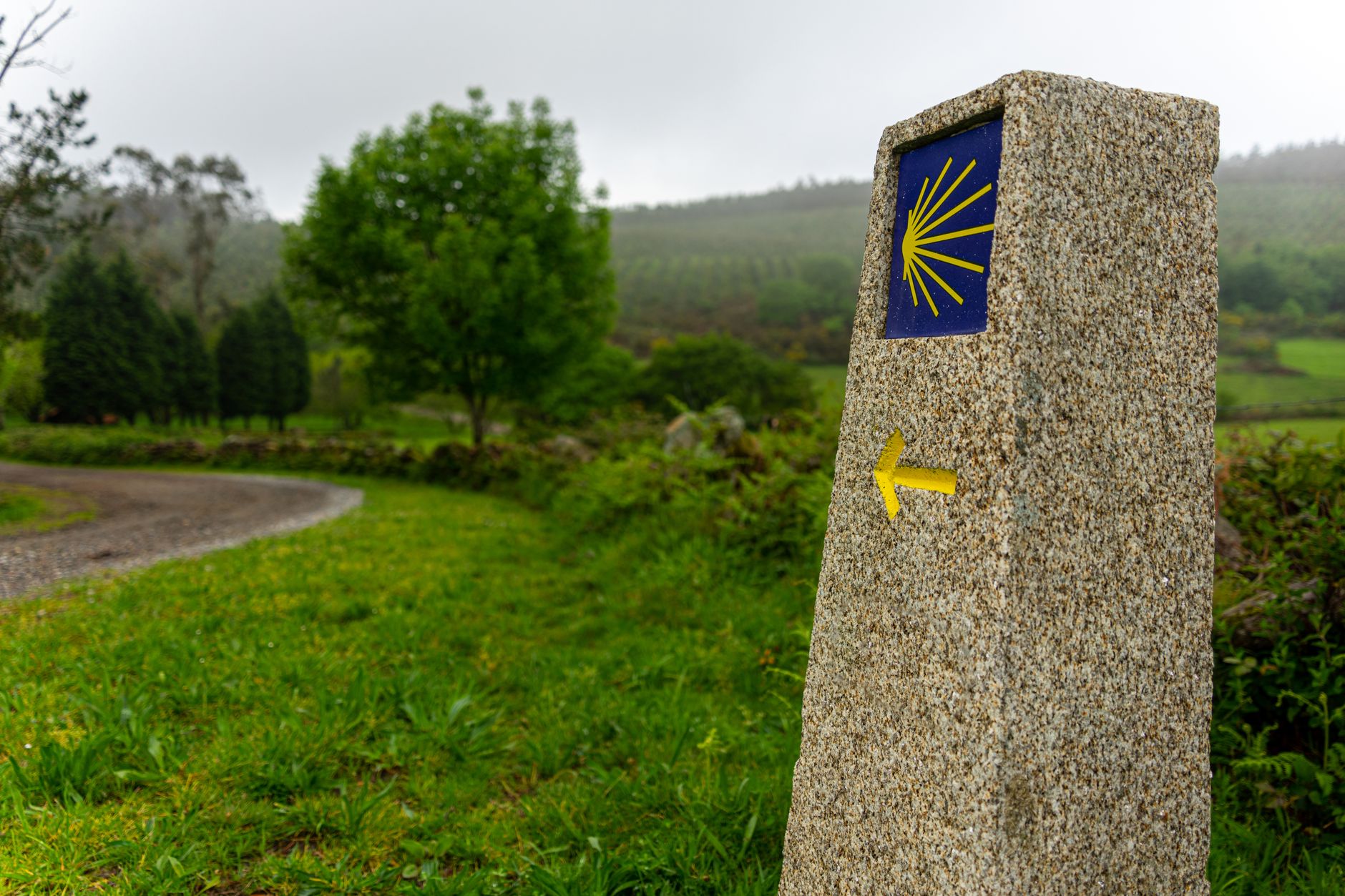
The church of San Nicolás was moved stone-by-stone from the flooded valley below.
At a Glance
- — you fear bridge crossings
Relocated stone-by-stone from its original site in a now-flooded valley, this town carries a profound, somewhat haunting sense of resilience. The fortress-like church of San Nicolás dominates the center, a heavy monument of ashlar stone that anchors the community to its displaced history. It is a fascinating, somber place to walk through, especially when looking out over the reservoir that still hides the remnants of the old village beneath the still water.
How it got here
The Miño river once flowed through the valley where the old settlement stood, a stop on the Camino de Santiago since the Middle Ages. When the Belesar reservoir drowned the original site in the 1960s, the stones of the twelfth-century church of San Nicolás moved to the new town square. Builders numbered the blocks to reconstruct the fortress-like structure piece by piece. Today the town serves as a modern waypoint for pilgrims walking toward Santiago de Compostela. The presence of these Romanesque stones in a twentieth-century layout marks the physical persistence of a local identity disrupted by industrial infrastructure projects in the twentieth century.
Where it sits
The town stands on a high plateau overlooking the artificial lake created by the damming of the Miño. Sloping green hills covered in eucalyptus and pine enclose the reservoir. Summer brings humidity and mist to these river valleys, while winter weather turns gray and damp. Pilgrims reach the square after climbing from the river banks on the southern approach. During the peak summer months, the streets fill with walking traffic, but the town returns to quiet after the autumn rains begin. The reservoir water levels shift through the seasons, sometimes exposing the foundations of the drowned village below.
What to eat and drink
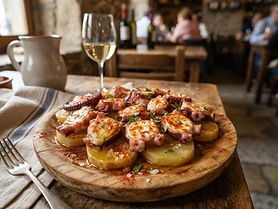
Galician cooking relies on the livestock of the Lugo countryside and the heavy rainfall of the region. Lacón con grelos defines the local diet, a preparation of boiled pork shoulder served with turnip greens. Pulpo á feira, octopus boiled in copper pots and seasoned with olive oil, pimentón, and sea salt, appears on most tables. The province produces acidic, crisp white wines from the nearby Ribeira Sacra, where vineyards cling to the steep river banks. A slice of Tarta de Santiago, a dense almond cake dusted with powdered sugar, provides the standard finish to a meal.
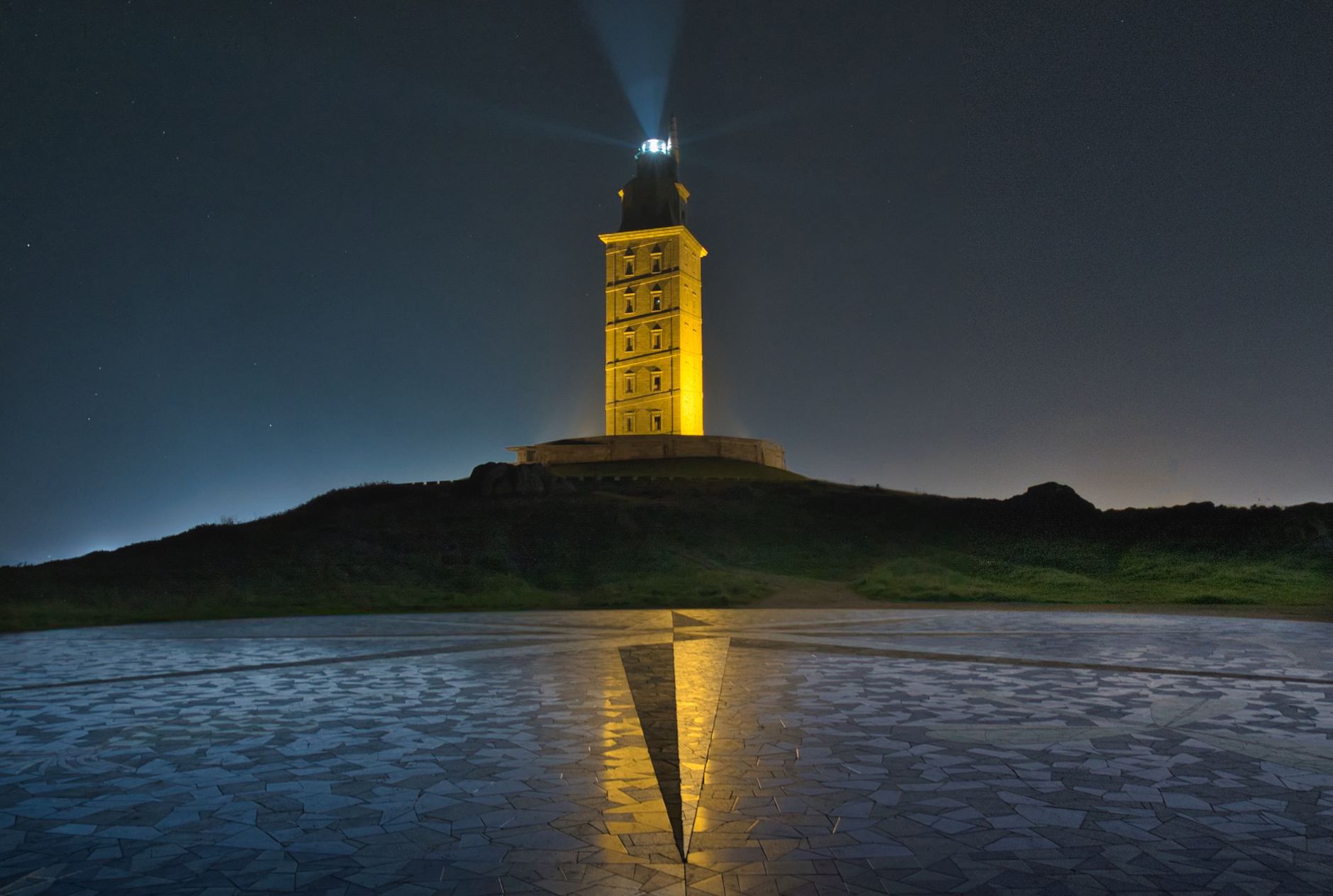
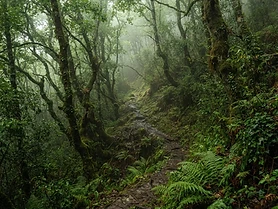
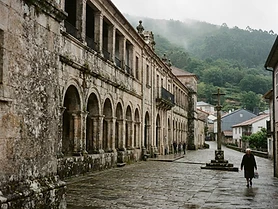
Galicia: the whole region
Galicia is wet, green, cheap and unlike anywhere else in Spain: a drowned coast of rias, granite villages, seafood that justifies the trip on its own, and Santiago at the middle of it. The rain is not a risk, it is a certainty — plan…
Minimum 5 days · better 8-10 days · deep 2 weeks
In Galicia




In Galicia


In Galicia






Linked from elsewhere
Entries that name this place in their own nearby lists.
Logistics are verified only. We don't publish schedules we haven't confirmed.
Appears In
Experiences worth booking ahead
- Benagil Long Boat tour (From Carvoeiro to Praia da Marinha)4.9 (1,513)1.5 hrsFrom €35
- Valparaiso Port and Viña del Mar with Casablanca Wine Tasting4.9 (8,783)10 hrsFrom €68
- Discover Porto, Guided Boat Cruise with Port Wine paring4.9 (956)2 hrsFrom €40
- Portimão: Benagil caves and Dolphins • Marine Biologist on board4.8 (825)2.5 hrsFrom €34
Spain Field Guide may earn a commission when you book through selected links. Recommendations are editorial and independent of commission.
Ready to build Portomarín into a trip?
You've found a place worth going. When you're ready to turn discovery into an itinerary, Travel Itinerary Co picks up where the Field Guide leaves off — with your saved places already in hand.
Build this into a tripContinues on Travel Itinerary Co
Spain Field Guide may earn a commission when you book through selected links. Recommendations are editorial and independent of commission.