Palas de Rei
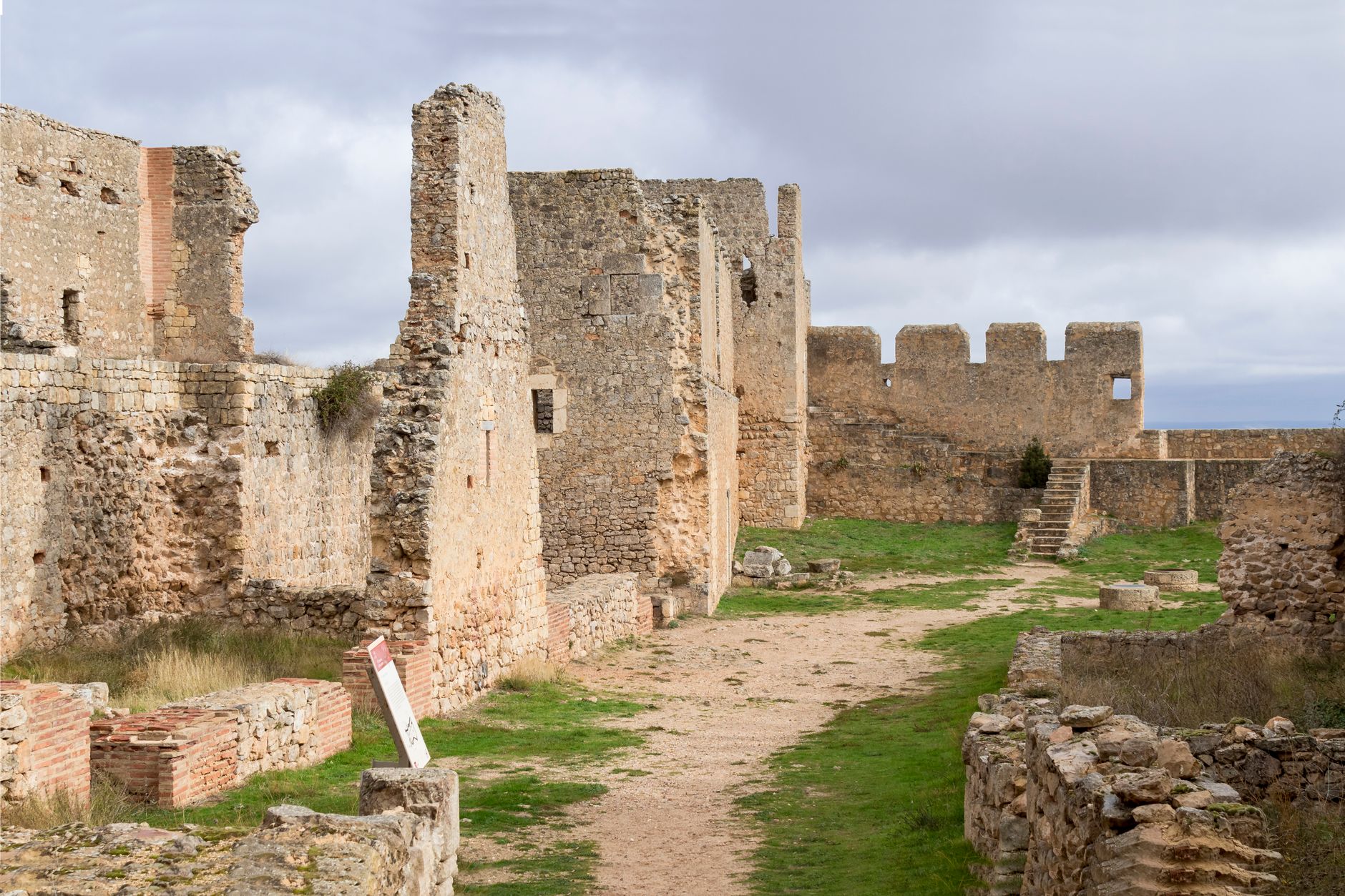
A functional and modest stop that provides a necessary respite before reaching the end.
It offers an authentic look at rural Galician life near the final stages of the trek.
At a Glance
- — you are looking for major landmarks
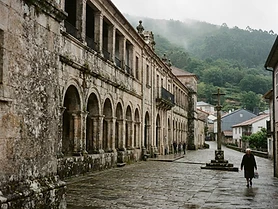
This unassuming town sits quietly amidst the rolling, emerald-green hills that define the final stretch of the journey. It lacks grand monuments, trading them instead for a functional, rural rhythm where the scent of damp earth and woodsmoke lingers in the air. For those walking the path, it is simply a place to rest in a basic boarding house and eat a hearty, salt-cured meal before the last push to Santiago.
How it got here
The history of Palas de Rei links to the Camino de Santiago, which spurred the growth of rural settlements across this part of Galicia. During the medieval period, the village grew around the needs of pilgrims traveling the route toward the tomb of the apostle. The local lordships held land granted by the crown or the church, governing the agricultural output of the fertile valleys. While larger regional centers held the political power of Lugo, Palas de Rei maintained the practical rhythms of a supply stop. Today, these historical patterns persist, as the town survives as a necessary waypoint for those traversing the ancient path.
Where it sits
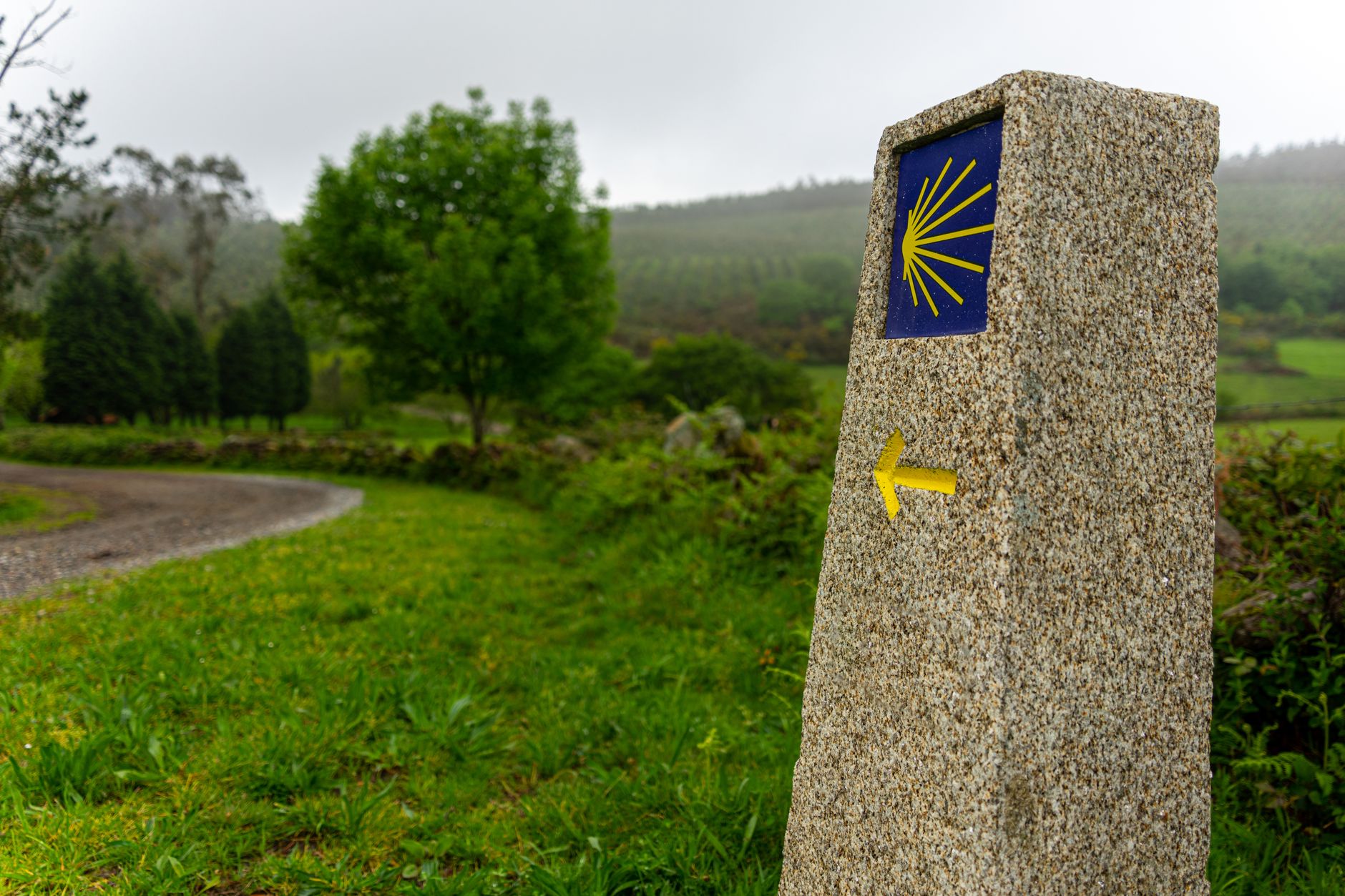
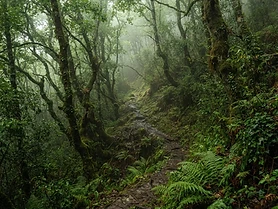
The town sits on the high, rolling tablelands of central Galicia where forest gives way to dairy farms and small corn plots. Rain falls often, keeping the hillsides bright green throughout the year. Mist lingers in the low valleys during autumn mornings and the air stays damp even in the summer heat. Roads wind through dense patches of eucalyptus and oak, connecting isolated parish churches and stone barns. Traffic remains steady for those walking the path, though the surrounding countryside remains quiet, defined by the slow movement of cattle and the shifting colors of the Galician climate.
What to eat and drink
Galician cooking relies on the pantry of the rainy north. Caldo gallego, a dense soup of potatoes, white beans, and turnip greens, provides the standard nourishment for travelers. Tetilla cheese, mild and semi-soft with a distinct cone shape, appears on most tables. The province produces octopus, usually boiled and dusted with paprika and sea salt, known as pulpo á feira. Meals end with tarta de Santiago, a dense almond cake marked with a cross in powdered sugar. Wine from the nearby Ribeiro or Rías Baixas districts, particularly crisp white Albariño, accompanies these meals as the primary local drink.
Galicia: the whole region
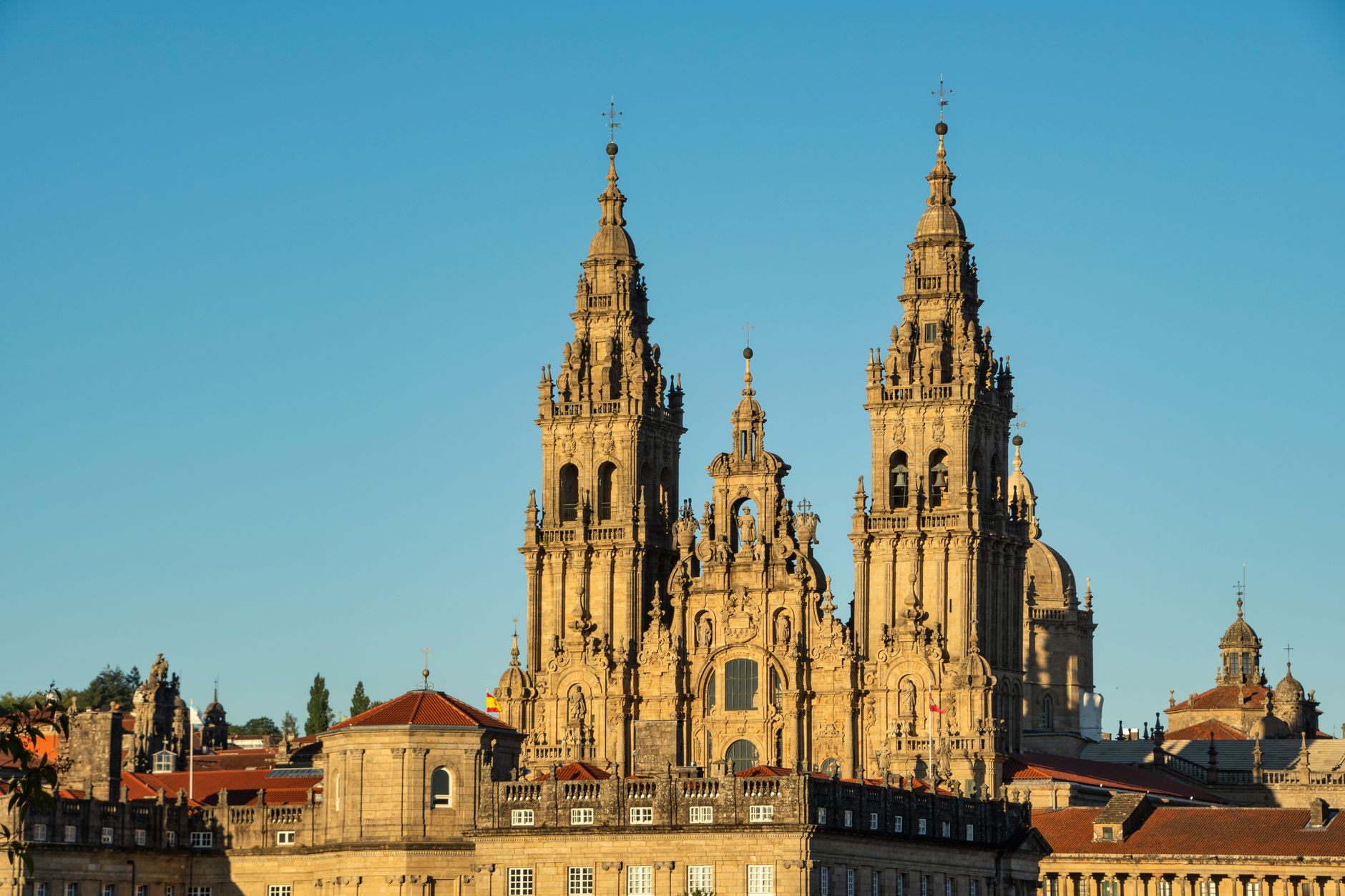
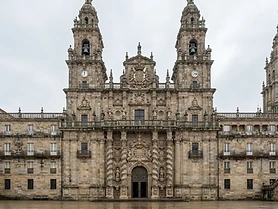
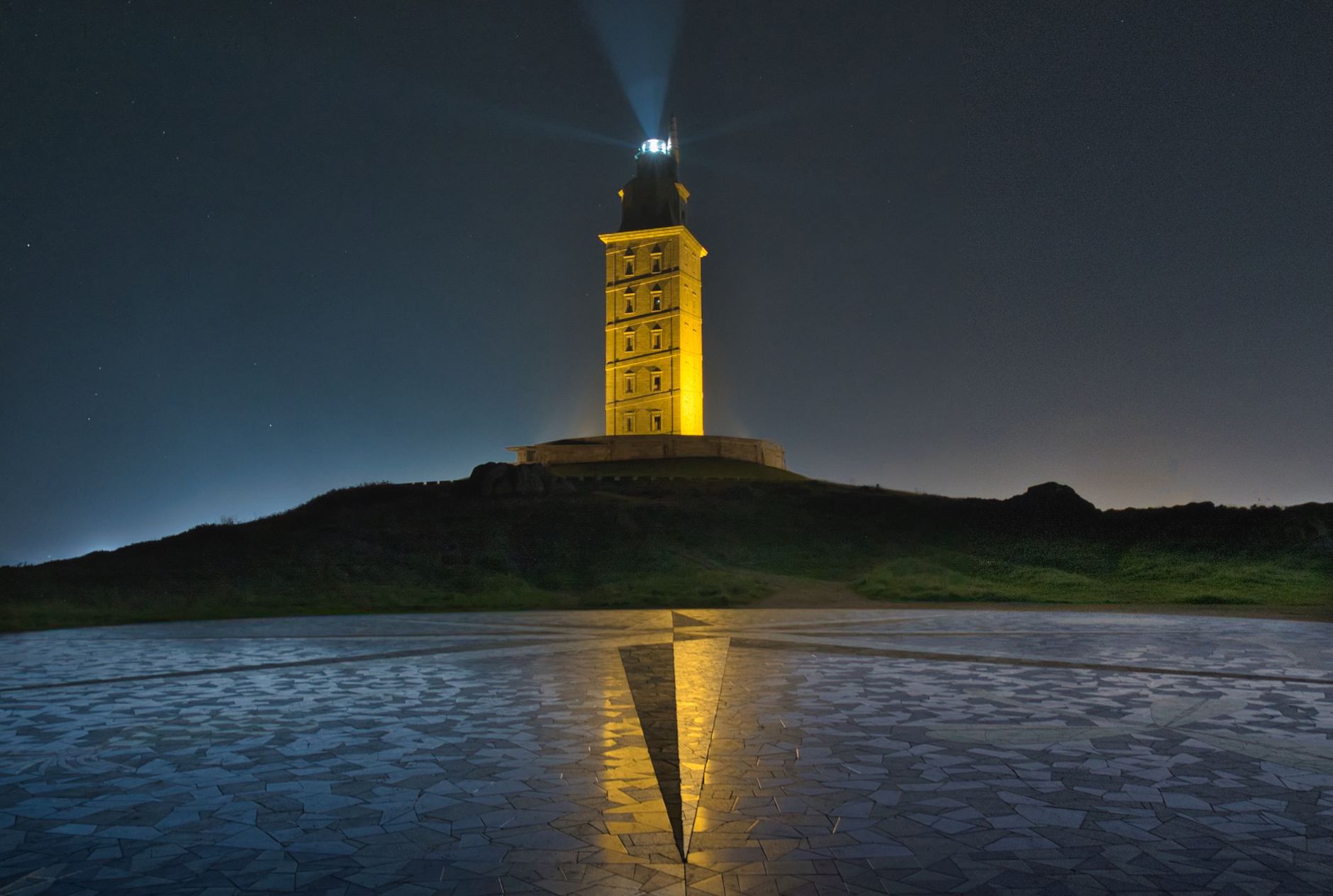
Galicia is wet, green, cheap and unlike anywhere else in Spain: a drowned coast of rias, granite villages, seafood that justifies the trip on its own, and Santiago at the middle of it. The rain is not a risk, it is a certainty — plan…
Minimum 5 days · better 8-10 days · deep 2 weeks
In Galicia




In Galicia


In Galicia





Logistics are verified only. We don't publish schedules we haven't confirmed.
Appears In
Experiences worth booking ahead
- Best of Ephesus: Private or Group Skip-the-Line Tour for Cruisers5.0 (12,412)From €14
- All-Inclusive: Best of Ephesus Tour include Skip-the-Line Tickets4.9 (1,272)From €46
- Istanbul Private Tour Designed for Layover Flight, Transfer incl.4.9 (176)From €159
- For Cruisers Ephesus Ruins and Terrace Houses4.8 (76)From €14
Spain Field Guide may earn a commission when you book through selected links. Recommendations are editorial and independent of commission.
Ready to build Palas de Rei into a trip?
You've found a place worth going. When you're ready to turn discovery into an itinerary, Travel Itinerary Co picks up where the Field Guide leaves off — with your saved places already in hand.
Build this into a tripContinues on Travel Itinerary Co
Spain Field Guide may earn a commission when you book through selected links. Recommendations are editorial and independent of commission.