Sahagún
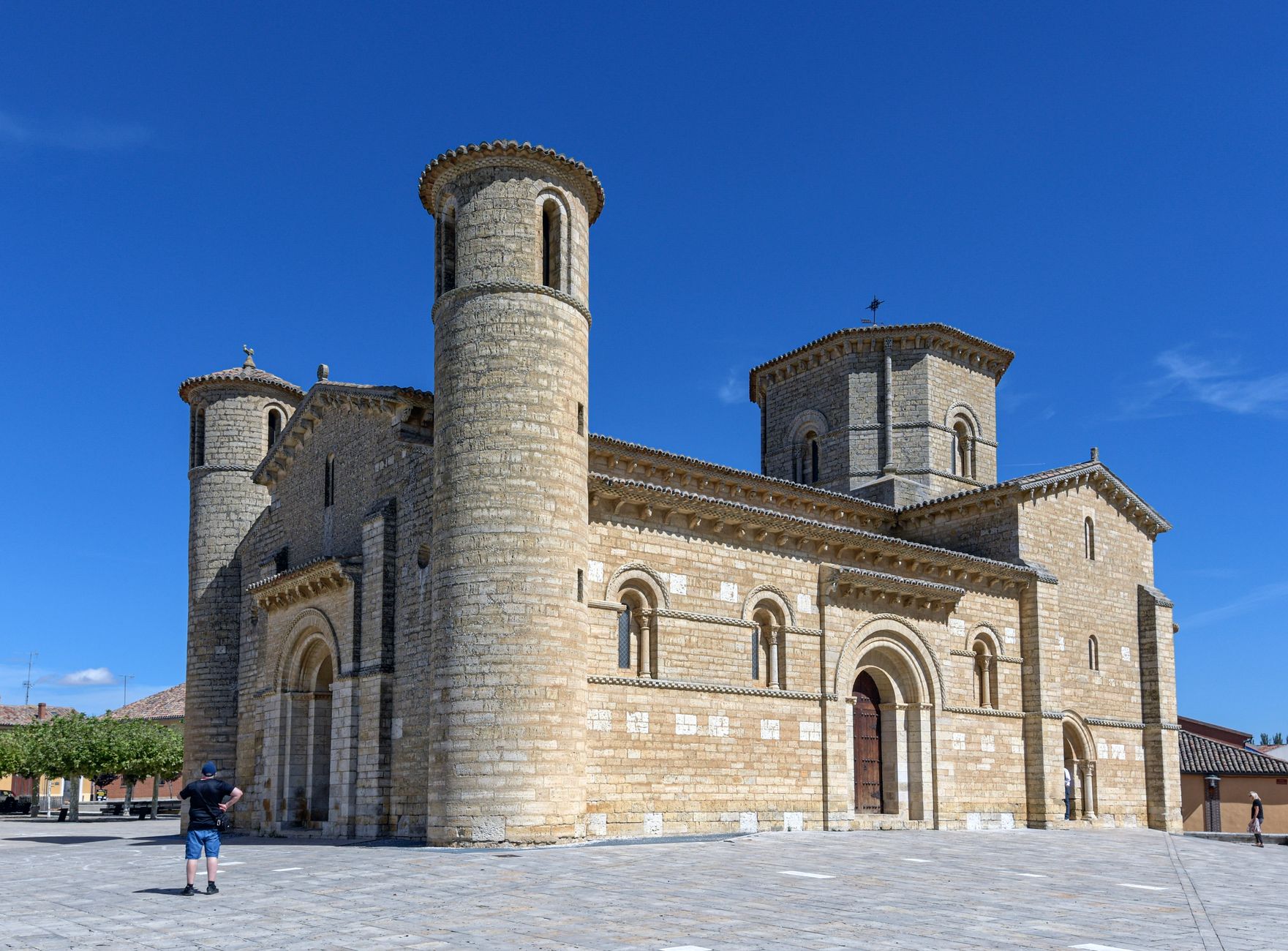
A historically significant site that acts as a vital transition point in the pilgrimage.
It represents the halfway mark of the journey, providing a perfect milestone for reflection.
At a Glance
- — you want to avoid industrial landscapes
Positioned at the literal midpoint of the Camino Francés, this town serves as a vital physical and mental milestone for travelers on the long trek across the Meseta. It is rich in unique Mudéjar architecture, with brick towers that cast sharp, geometric shadows against the endless flat horizon. The site offers a moment of necessary pause, forcing a shift in perspective as the pilgrimage transitions from the plains toward the eventual, distant peaks of Galicia.
How it got here
Sahagún grew around the Cluniac Abbey of San Benito, a powerful monastery that dominated the intellectual and religious life of the medieval kingdoms of León and Castilla. The abbey held vast lands and influence until the nineteenth century. Its architectural legacy survives in the distinctive Mudéjar style, a fusion of Islamic building techniques applied to Christian structures. The red brick towers of the churches of San Tirso and San Lorenzo define the silhouette of the town. These buildings provide physical evidence of the local builders who worked with brick and plaster in a landscape where stone was scarce and difficult to transport.
Where it sits
The town sits on a slight rise above the confluence of the Cea and Valderaduey rivers, marking the transition between the arid plains of the Tierra de Campos and the foothills of the Cantabrian Mountains. The horizon stretches flat and unbroken for miles, defined by vast fields of grain that turn from emerald green in spring to scorched gold by harvest. Summer heat shimmers off the dry earth, while winters bring biting winds that cut across the Meseta. Walking the path requires endurance against the lack of shade and the unrelenting linearity of the surrounding agricultural landscape.
What to eat and drink
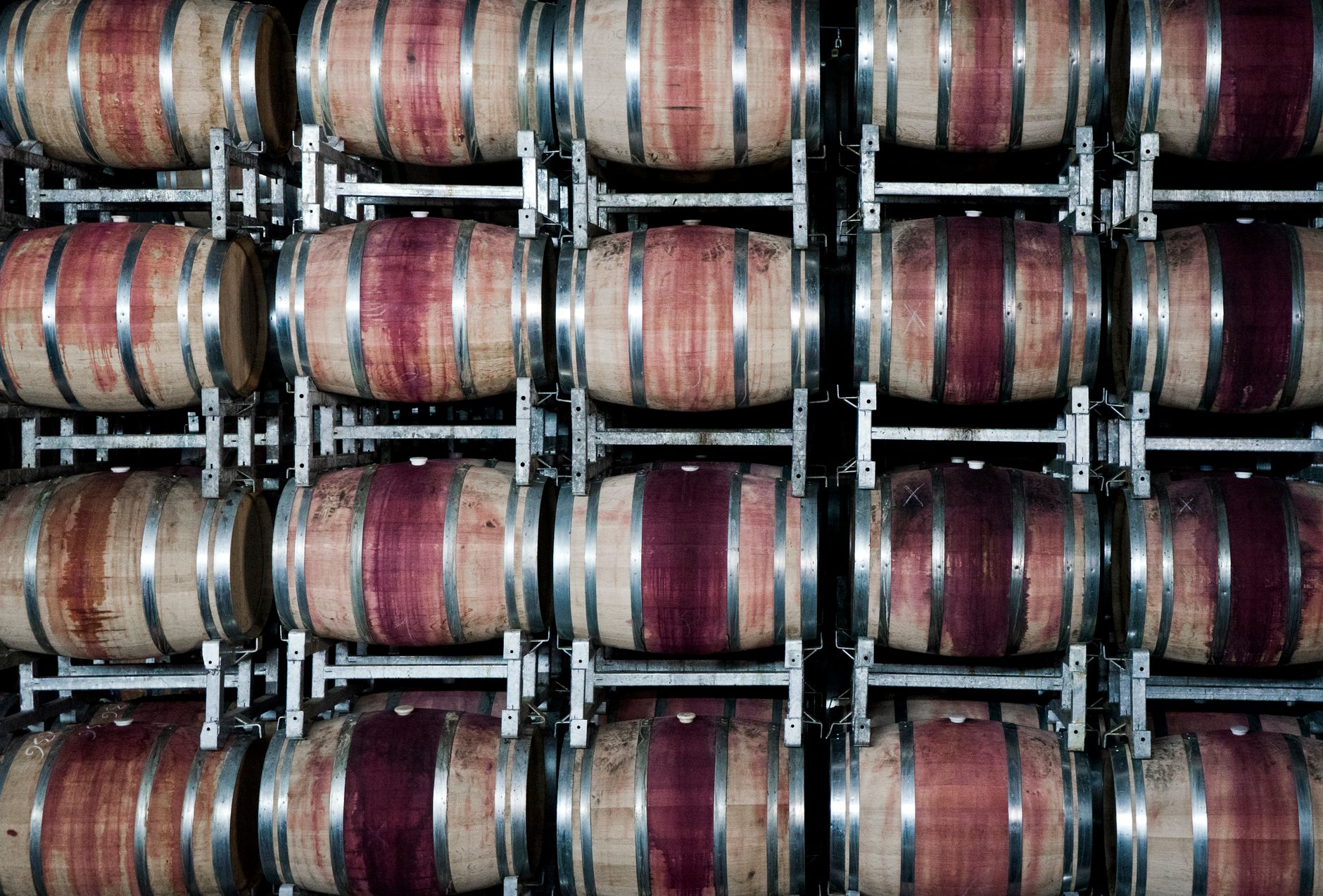
The larder of León focuses on sturdy, high-calorie staples suited to the climate. Cecina de León, cured beef smoked over oak, provides a salty, deep-flavored start to a meal. The region produces lechazo, suckling lamb roasted in clay ovens until the skin crisps and the meat yields. Soups often rely on local pulses, such as the creamy beans from the nearby Vega de Saldaña. Pair these plates with a glass of red wine from the neighboring vineyards of Tierra de León, typically crafted from the Prieto Picudo grape, which carries a bright, berry acidity to cut through the fat of the meat.
Castilla y León: the whole region
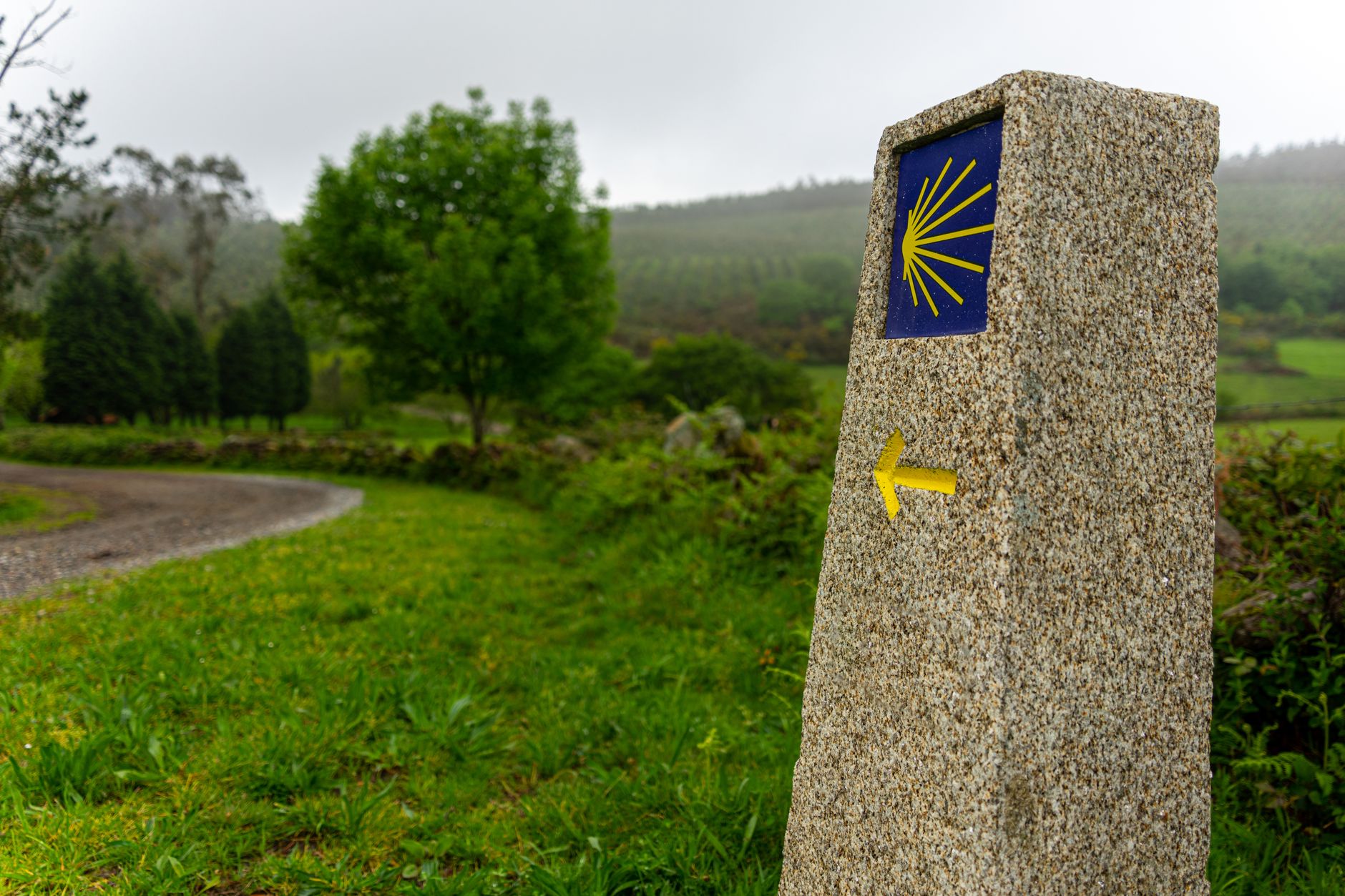
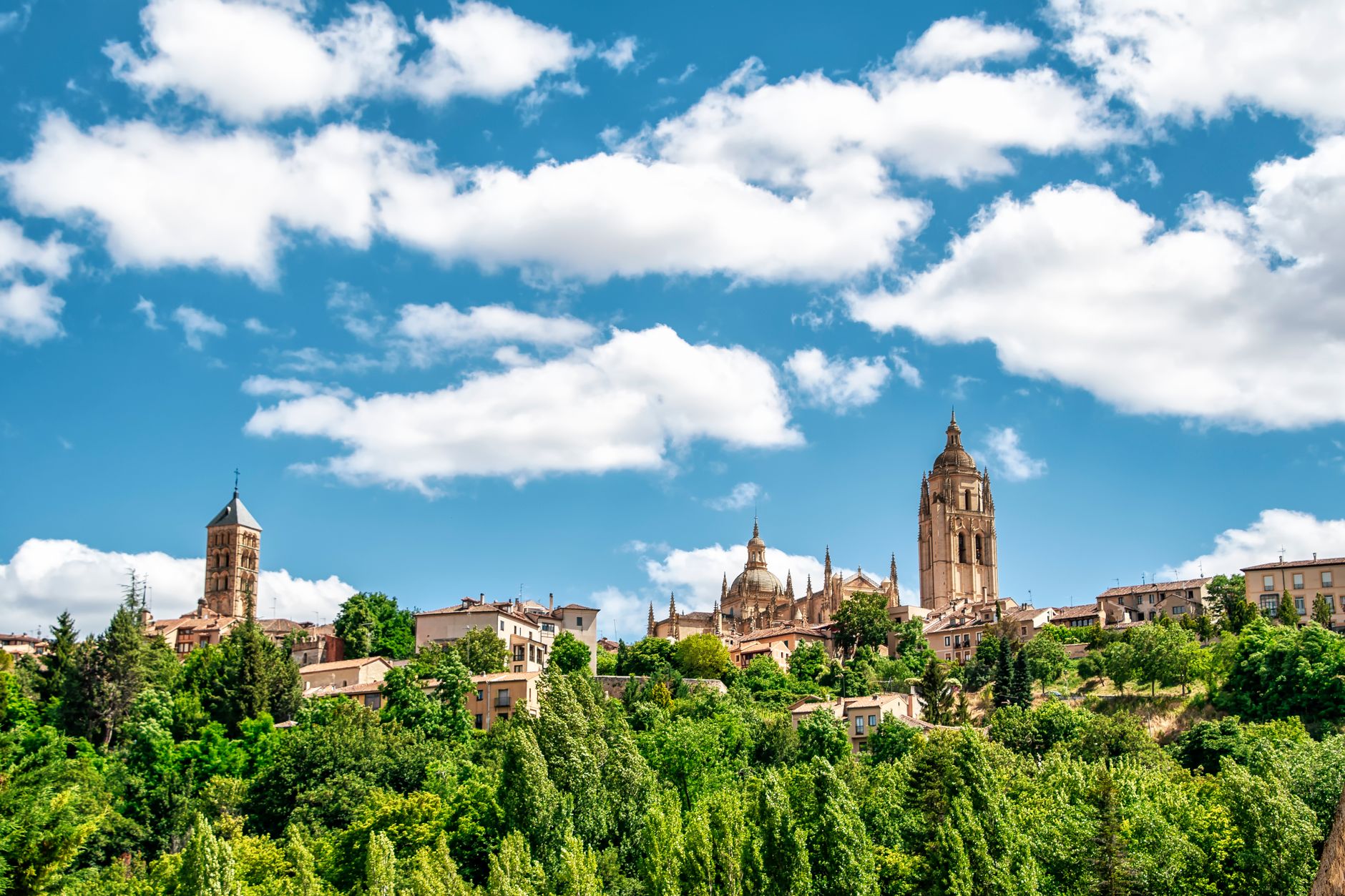
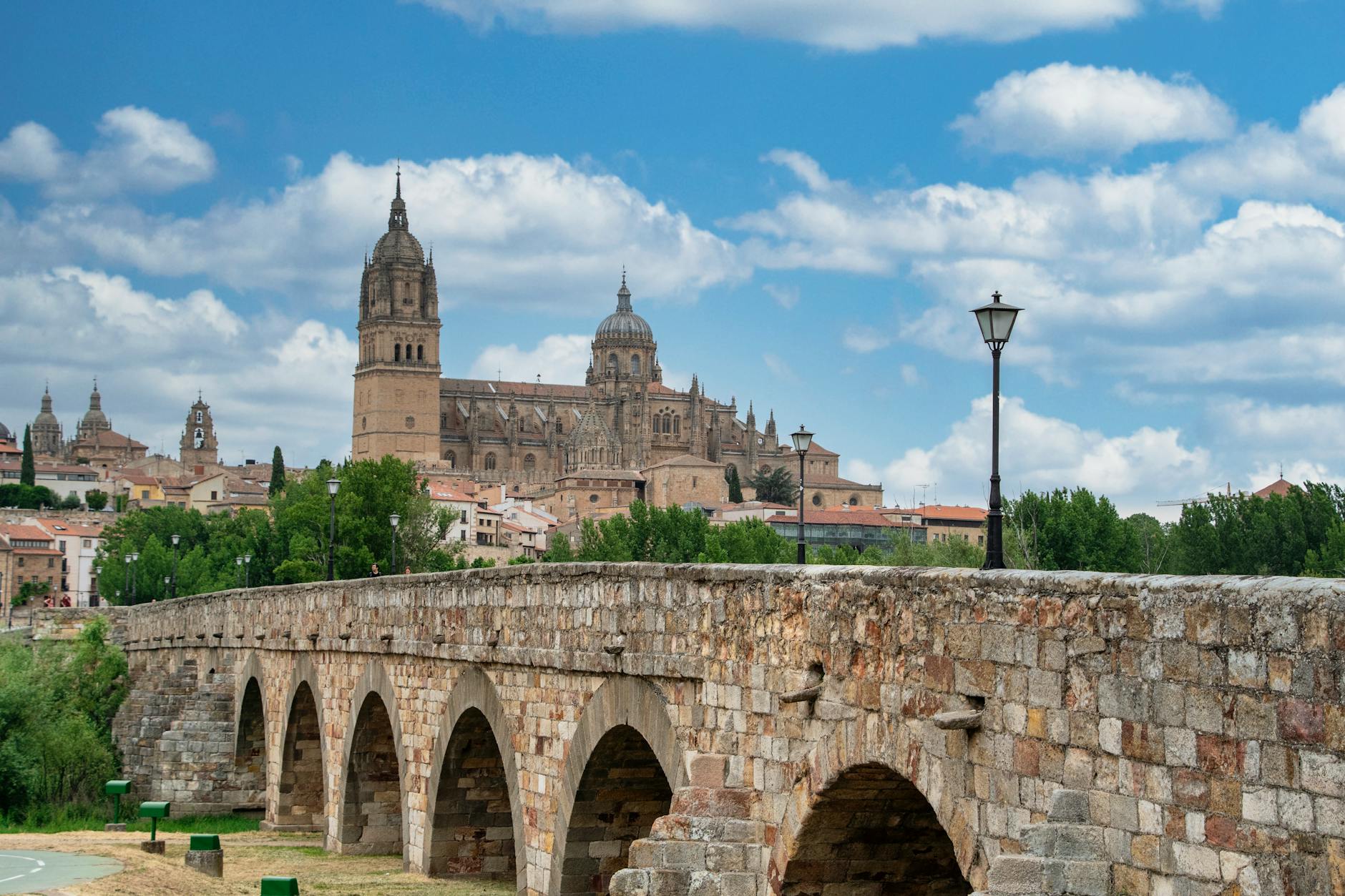
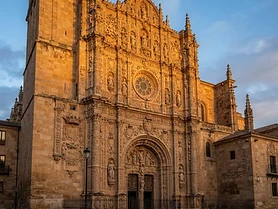
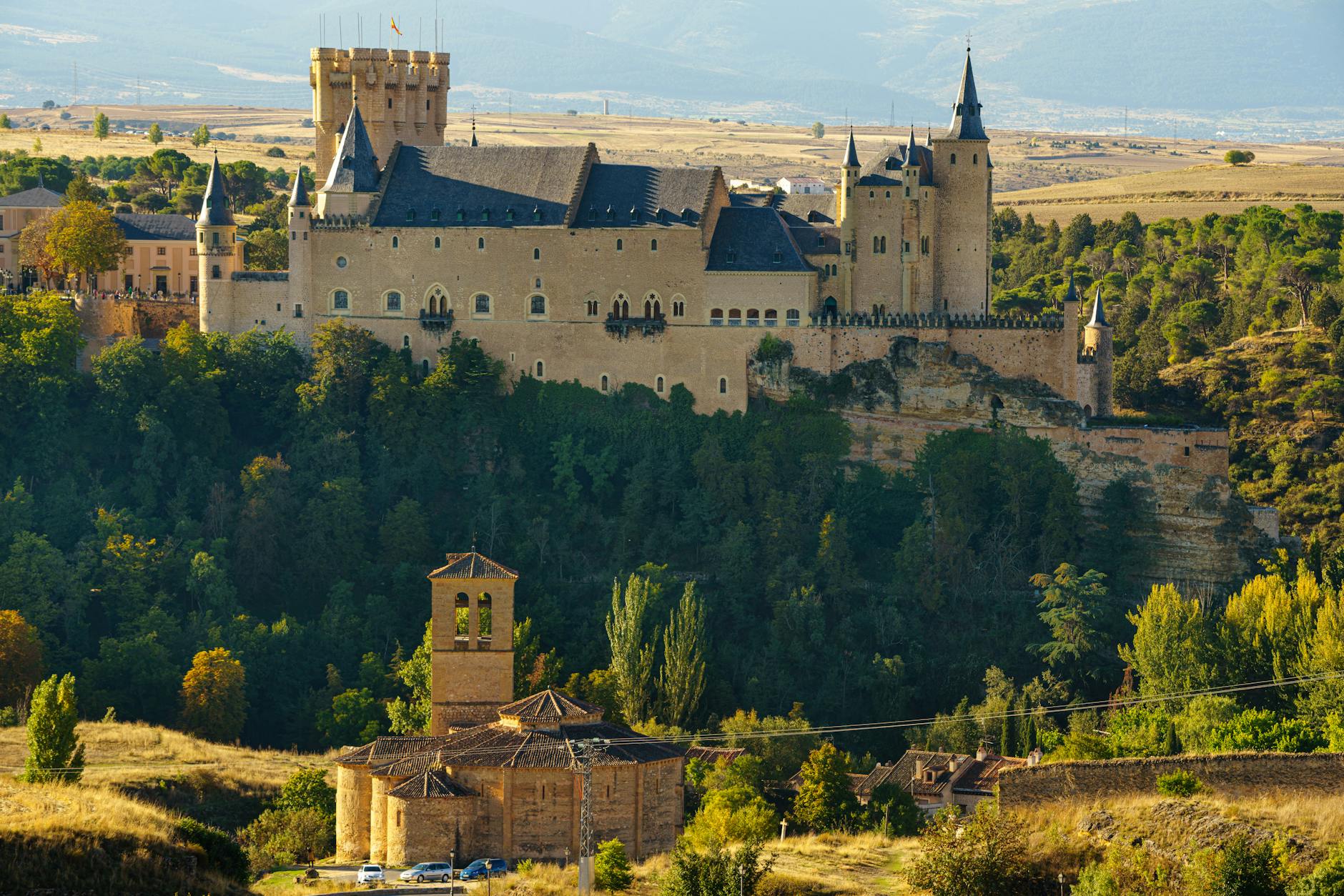
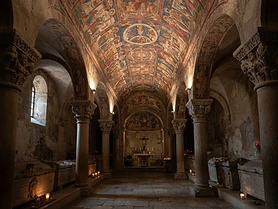
The largest region in Spain, and the one that most rewards a car: a plateau of walled cities, Romanesque churches and vineyards, with Salamanca, León, Burgos and Segovia as four genuine anchors spread across four hundred kilometres. There…
Minimum 5 days · better 8-10 days · deep 2 weeks
In Castilla y León



In Castilla y León





In Castilla y León












Logistics are verified only. We don't publish schedules we haven't confirmed.
Experiences worth booking ahead
- Tokyo: Imperial Palace and Shogun Historical Walking Tour4.9 (3,360)2 hrsFrom €12
- Tokyo Castle & Imperial Palace - Shogun Walking Tour5.0 (2,063)2 hrsFrom €12
- Tokyo Castle, Imperial Palace, Shogun & Garden Walking Tour4.9 (467)2 hrsFrom €35
- Kamakura Walking Tour - The City of Shogun5.0 (148)3.5 hrsFrom €32
Spain Field Guide may earn a commission when you book through selected links. Recommendations are editorial and independent of commission.
Ready to build Sahagún into a trip?
You've found a place worth going. When you're ready to turn discovery into an itinerary, Travel Itinerary Co picks up where the Field Guide leaves off — with your saved places already in hand.
Build this into a tripContinues on Travel Itinerary Co
Spain Field Guide may earn a commission when you book through selected links. Recommendations are editorial and independent of commission.