Deba

Worth a detour if you are walking the cliff path, and worth a night if you are not.
The best old town on this coast, at the point where the cliff walk from Zumaia arrives.
At a Glance
- — You want a resort town with a night scene
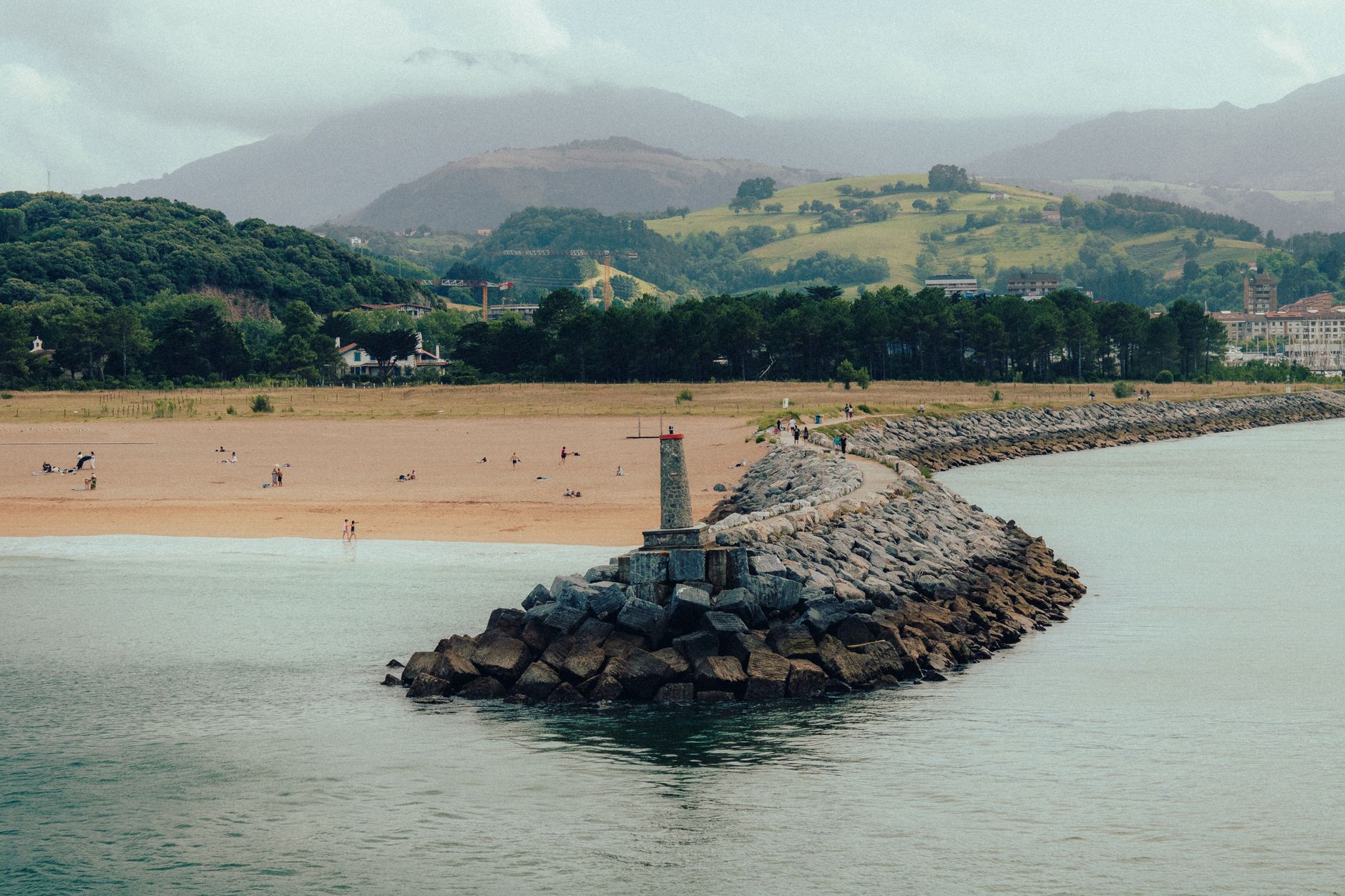
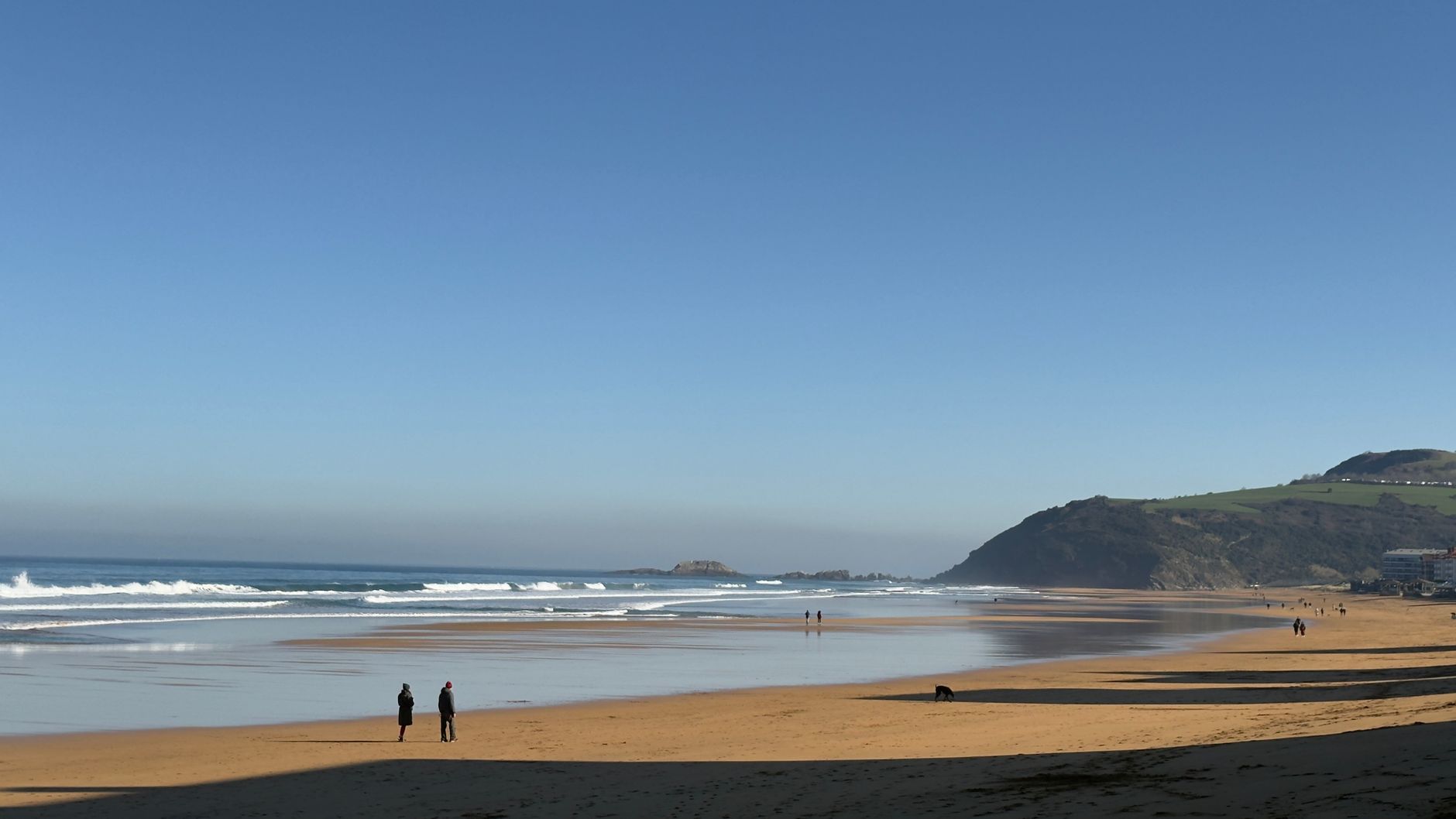
Deba sits at the mouth of a river running down from the mountains, and it has the best-preserved old town on this stretch of coast: a porticoed plaza, the church of Santa María raised on the hill above the roofs, and a west-facing beach. It is also the western end of the flysch, where the cliff path from Zumaia comes in, and the last town before the mountains reach the sea. Pilgrims on the Camino del Norte stop here, which is why a place this size has decent hotels and more restaurants than it needs. Two hours, or a night, depending on whether you are walking.
How it got here
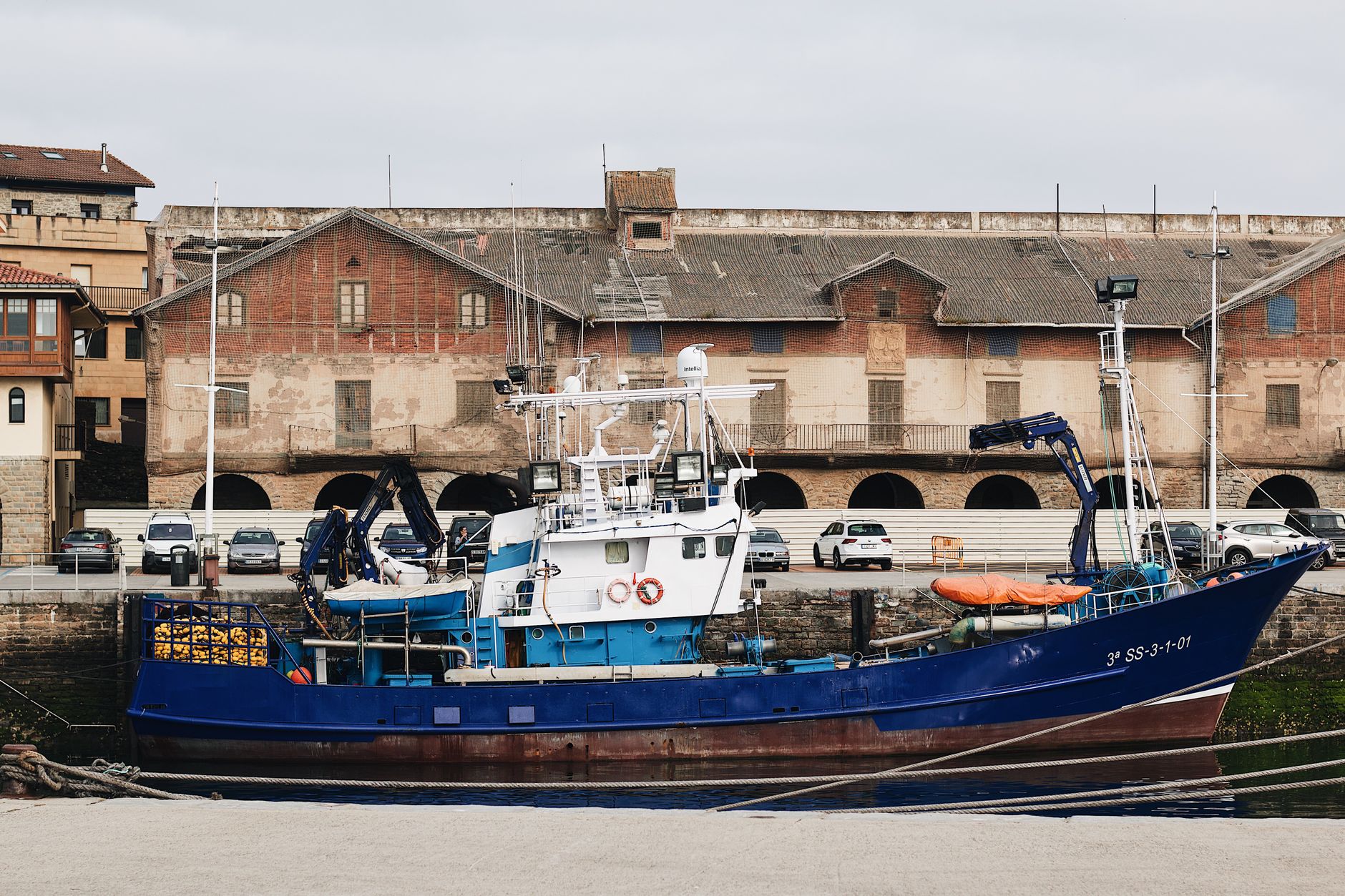
The town takes its name from the river that carved the valley between the limestone mountains of the Deba region. Its formal founding charter dates to 1343, granted by King Alfonso XI of Castile to consolidate the population of the valley against the instability of the period. This grant established the defensive walls and the maritime rights that defined the port for centuries. The gothic church of Santa María sits at the high point of the medieval grid, its construction spanning the fourteenth and fifteenth centuries. These stone foundations anchored the town as a strategic connection point between the inland iron forges of Gipuzkoa and the coastal trade routes.
Where it sits
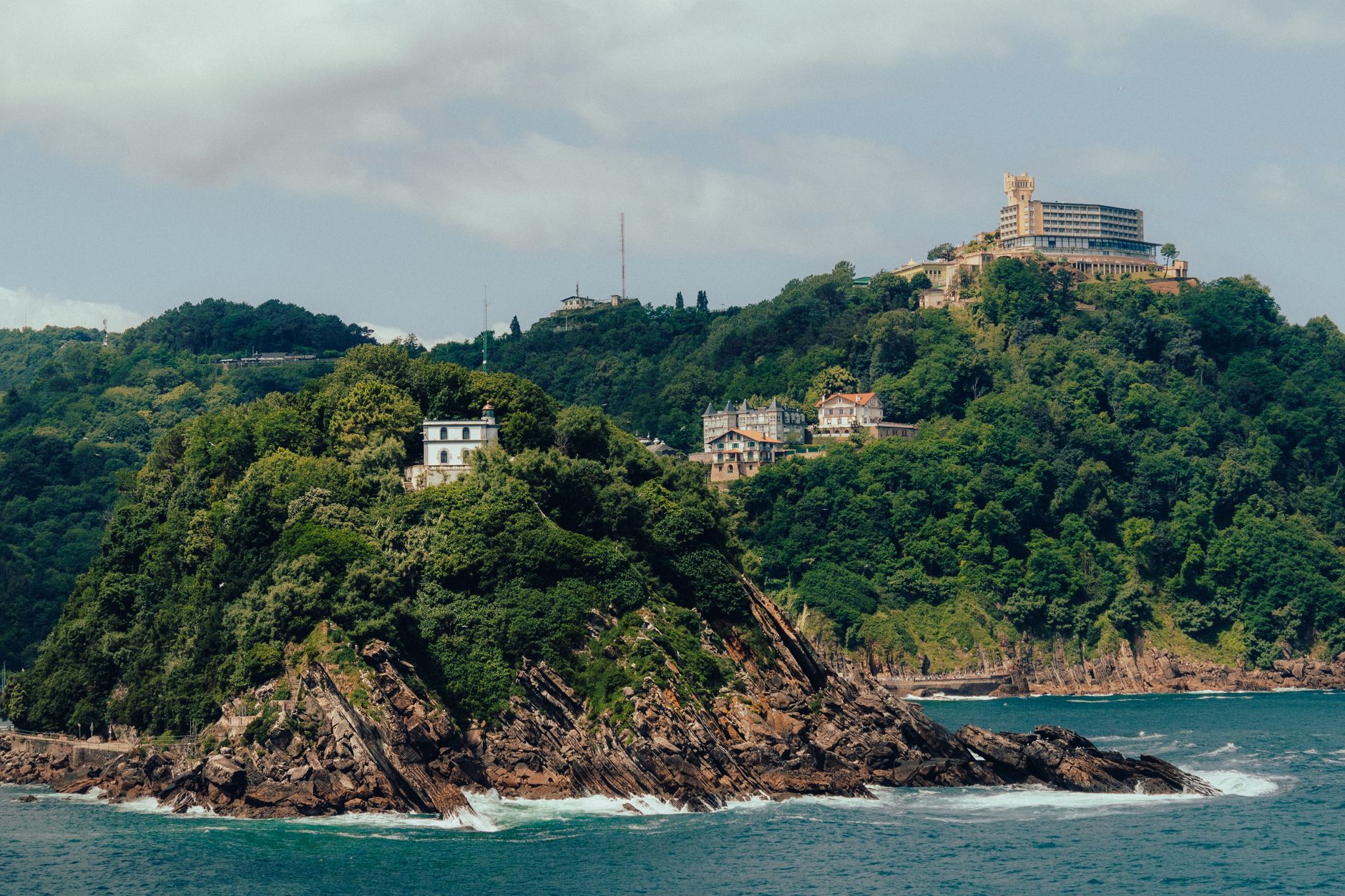
The valley narrows sharply here where the Deba river spills into the Bay of Biscay. To the east and west, the coastline breaks into the jagged flysch formations, layers of sandstone and shale tilted by tectonic pressure. Damp winds from the Atlantic keep the hillsides covered in deep green bracken and eucalyptus forests throughout the year. The terrain restricts expansion, pushing the streets into a tight pattern against the mountainside. Mists settle in the valley during autumn and winter, while summer draws residents from the industrial towns further inland seeking the cooling influence of the sea.
What to eat and drink
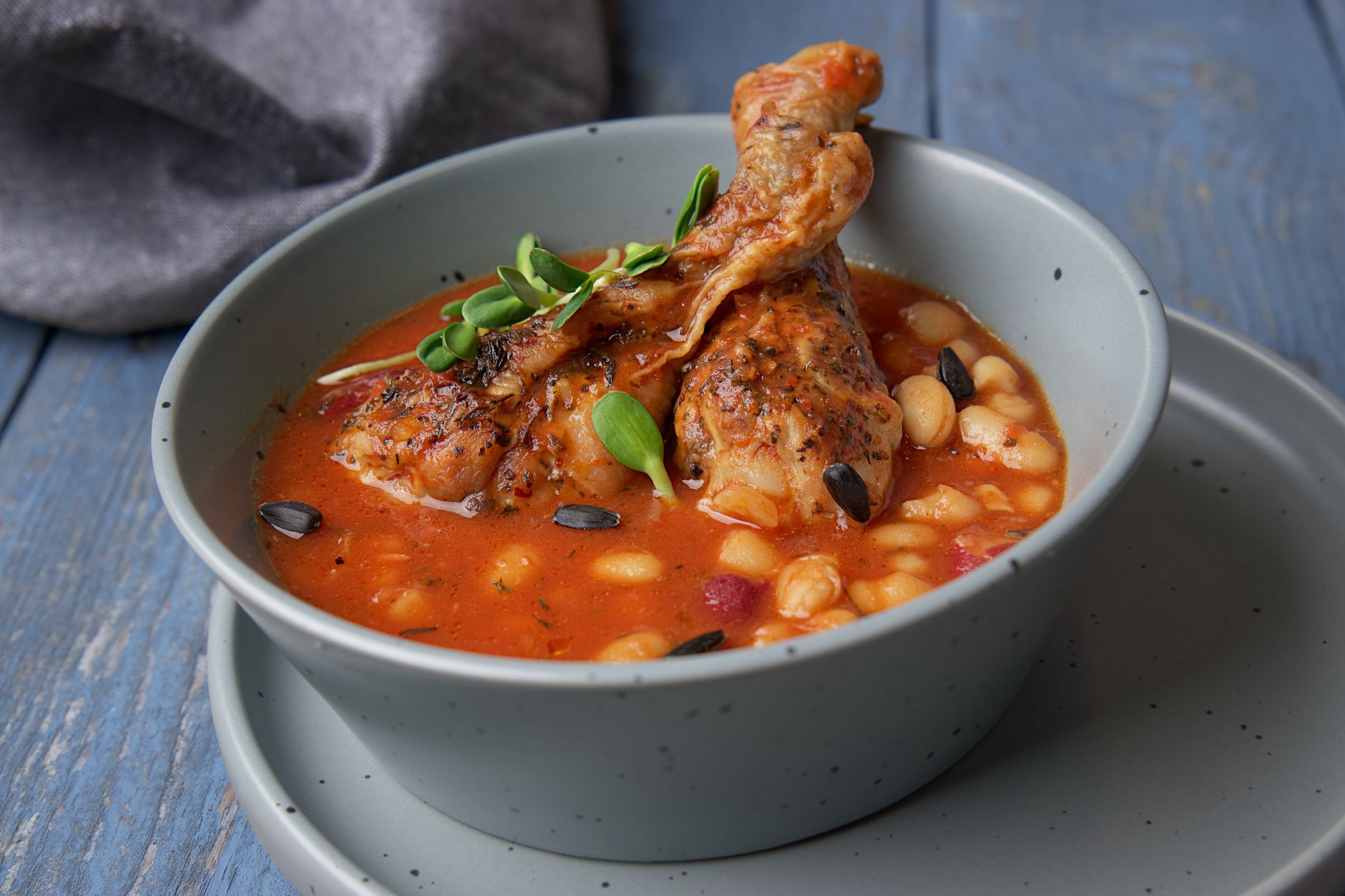
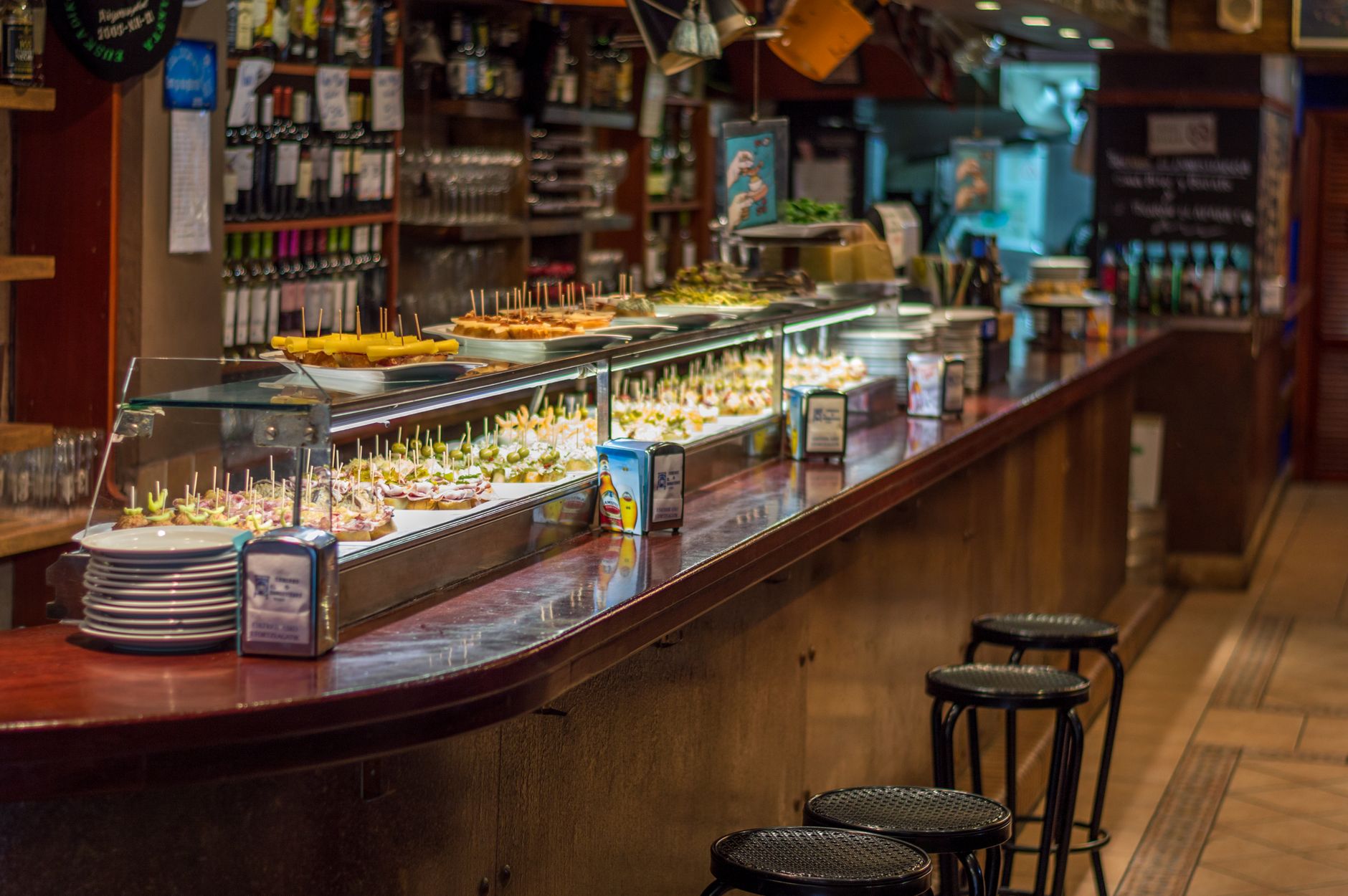
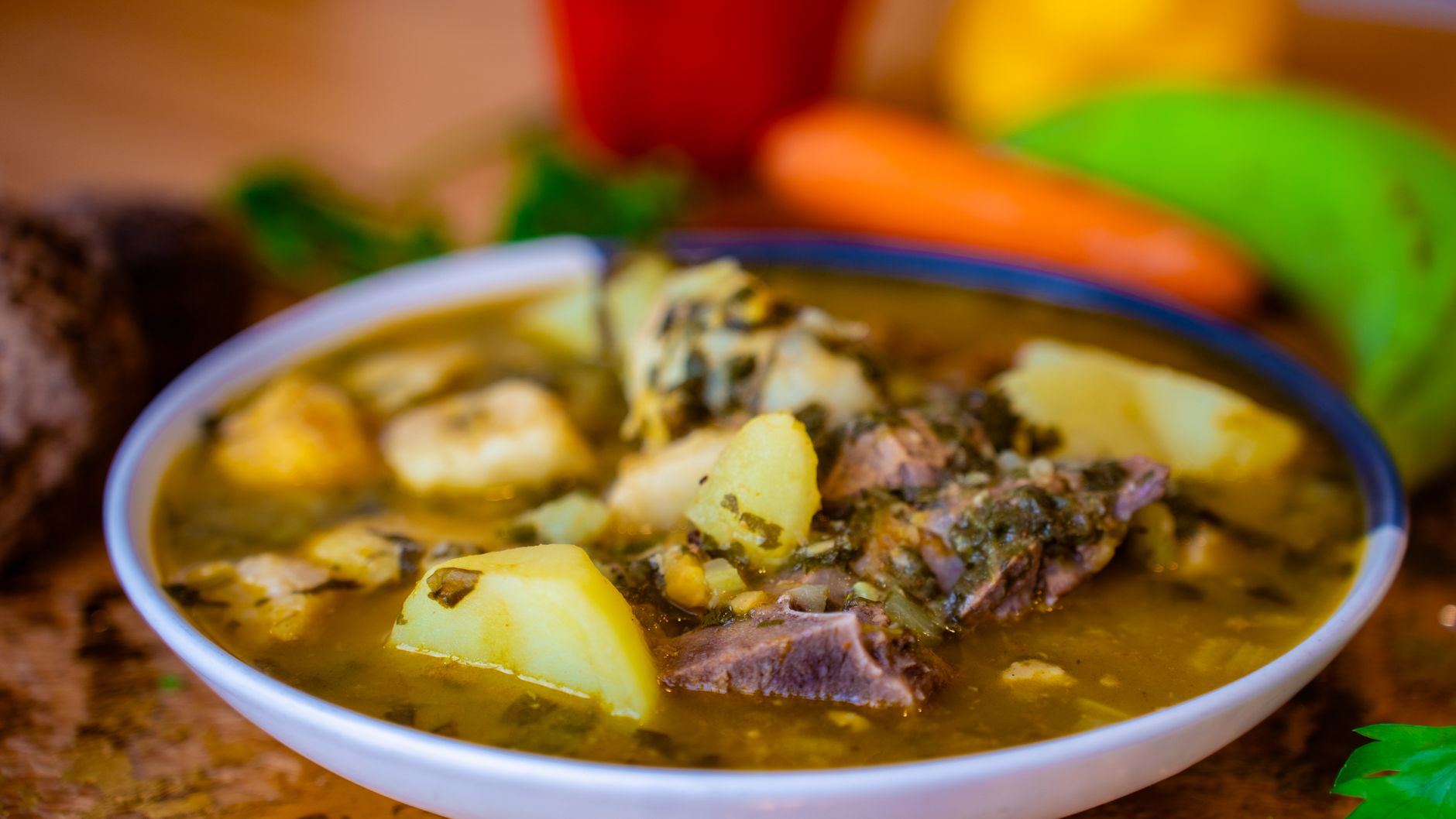
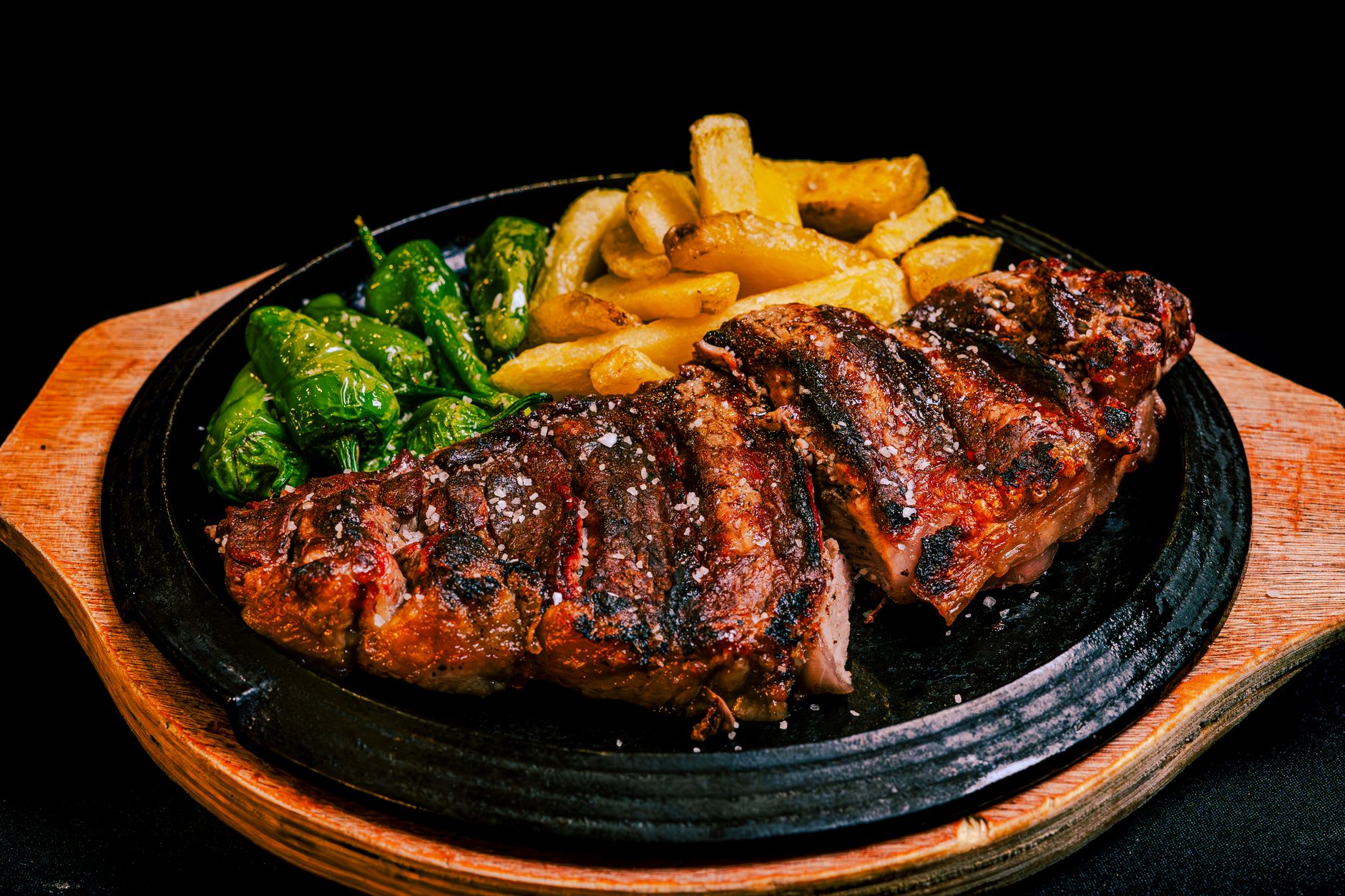
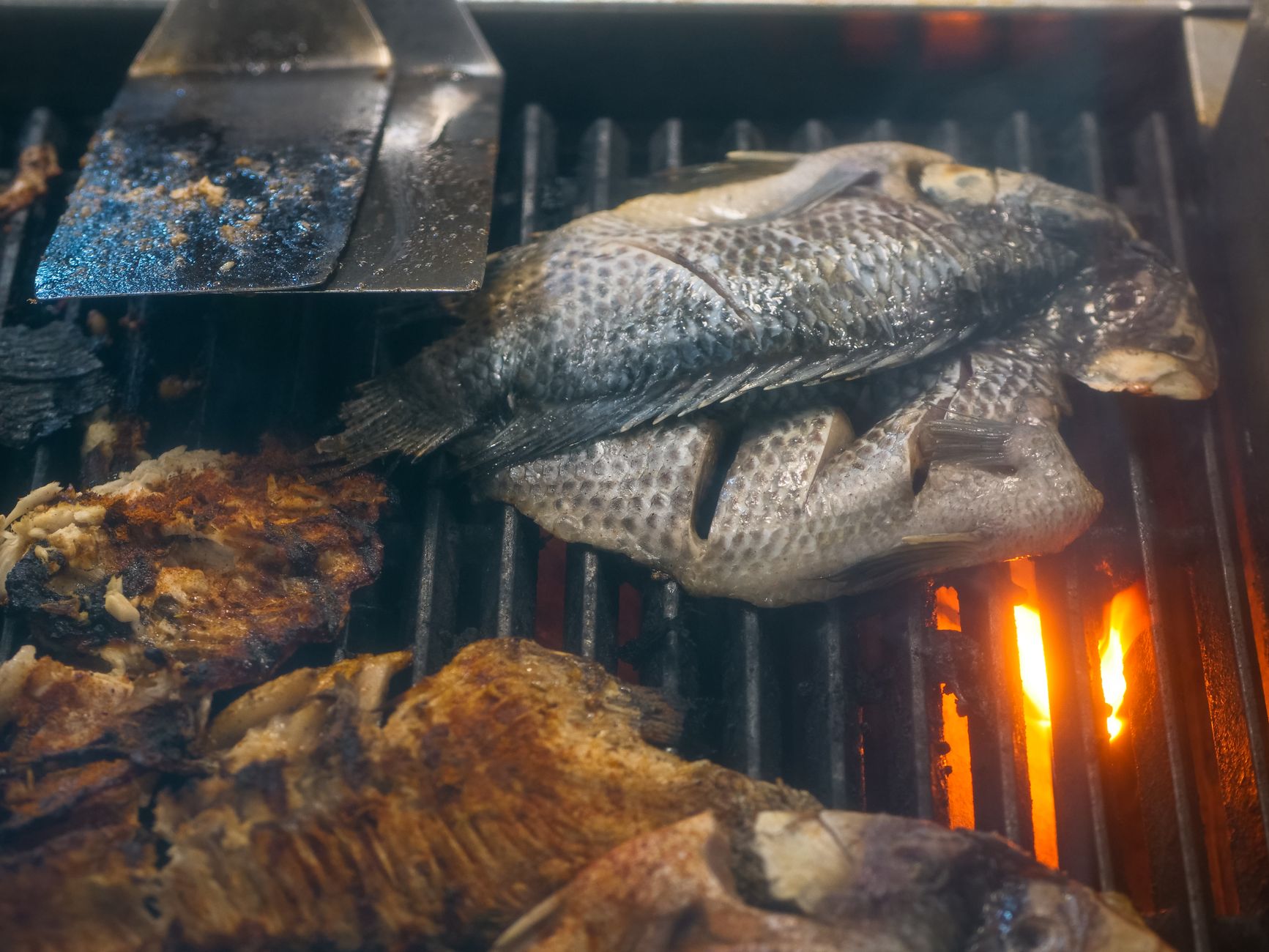
The cuisine centers on the catch of the local fleet and the products of the surrounding dairy farms. Salt cod prepared as bacalao al pil-pil, emulsion of cod juices with olive oil and garlic, defines the coastal tradition. Idiazábal cheese, a firm smoked sheep milk cheese produced in the nearby mountains, accompanies most meals. For dessert, intxaursalsa, a thick cream made from ground walnuts, milk, and sugar, provides a winter staple. Cider, the tart and unfiltered fermented apple drink of the province, arrives in bottles or served from the barrel throughout the year.
Basque Country: the whole region
The Basque Country is the most expensive and the most rewarding corner of northern Spain: three small provinces, each with its own character, all within an hour of each other. It suits travellers who want to eat well and move slowly far…
Minimum 4 days · better 7 days · deep 2 weeks
What's Nearby

In Basque Country








In Basque Country


In Basque Country












Logistics are verified only. We don't publish schedules we haven't confirmed.
Appears In
Experiences worth booking ahead
Spain Field Guide may earn a commission when you book through selected links. Recommendations are editorial and independent of commission.
Ready to build Deba into a trip?
You've found a place worth going. When you're ready to turn discovery into an itinerary, Travel Itinerary Co picks up where the Field Guide leaves off — with your saved places already in hand.
Build this into a tripContinues on Travel Itinerary Co
Spain Field Guide may earn a commission when you book through selected links. Recommendations are editorial and independent of commission.