El Gaitero (Villaviciosa)

A short visit with a clear purpose. Do not make it your cider education.
The scale contrast. See the factory, then drink the opposite of it.
At a Glance
- — You want a traditional cider house
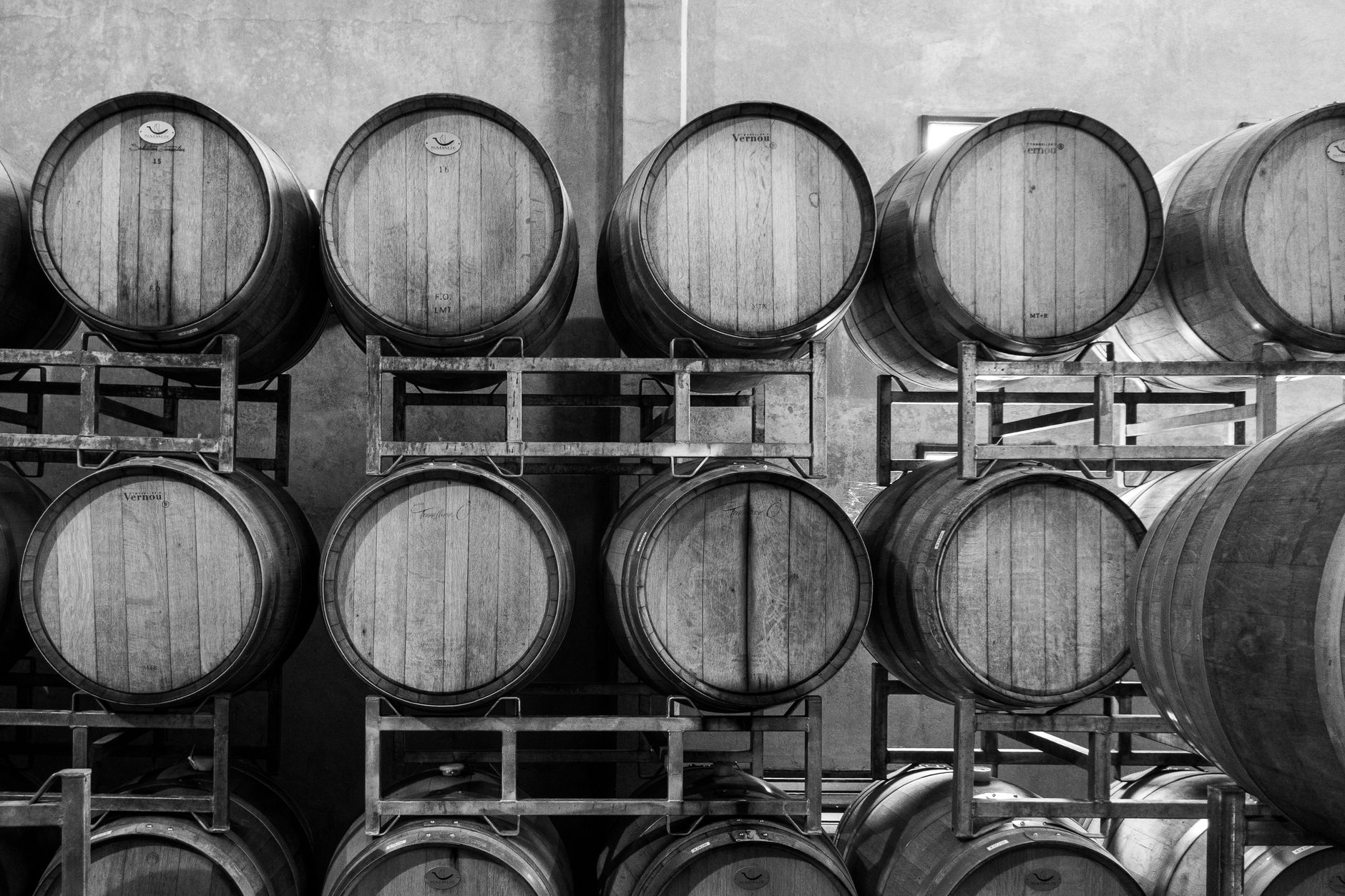
El Gaitero has been making cider in Villaviciosa since the late 19th century and is the reason Asturian cider is known outside Asturias at all. This is the industrial end of the story: stainless steel and bottling lines rather than a family lagar, and the sparkling ciders sold across Spain come from here. It is worth a look for the scale and the history, and it is not the place to learn what natural cider tastes like. For that, find a sidrería in town or a small lagar up the valley.
How it got here
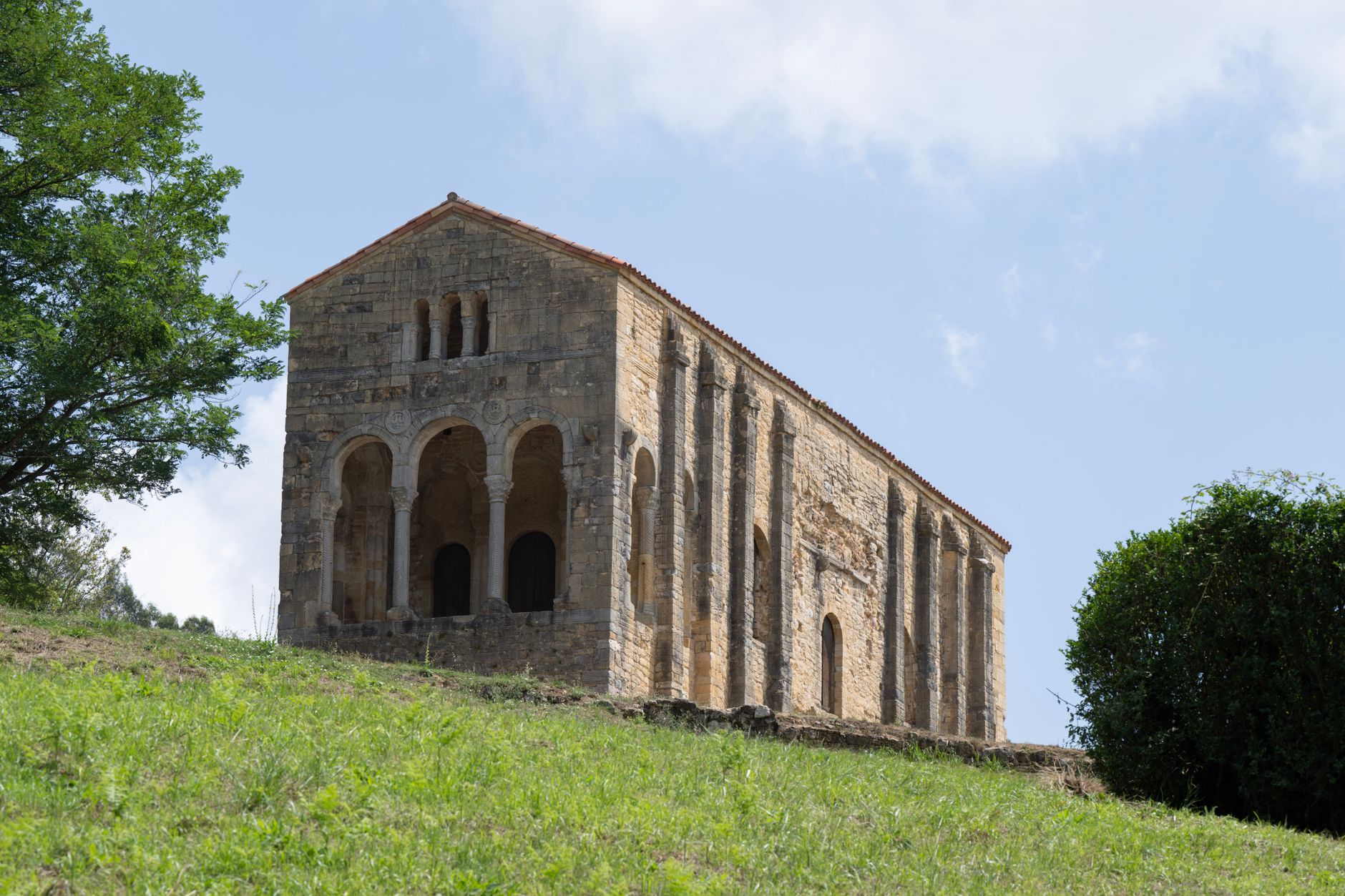
Valle de Dios held a monastery since the ninth century, though the industrial transformation of Villaviciosa arrived much later with the nineteenth-century surge in cider production. Entrepreneurs harnessed the local apple harvests to fuel a shift from farmhouse batches to commercial bottling lines. This transition turned a regional staple into a product for broader markets. The scale here explains the industrialization of the Asturian cider industry, marking a departure from the small, manual presses of the mountain valleys. It tracks the movement of local agriculture into national distribution networks, setting the standard for the mass-market sparkling ciders that reached tables across the country throughout the twentieth century.
Where it sits
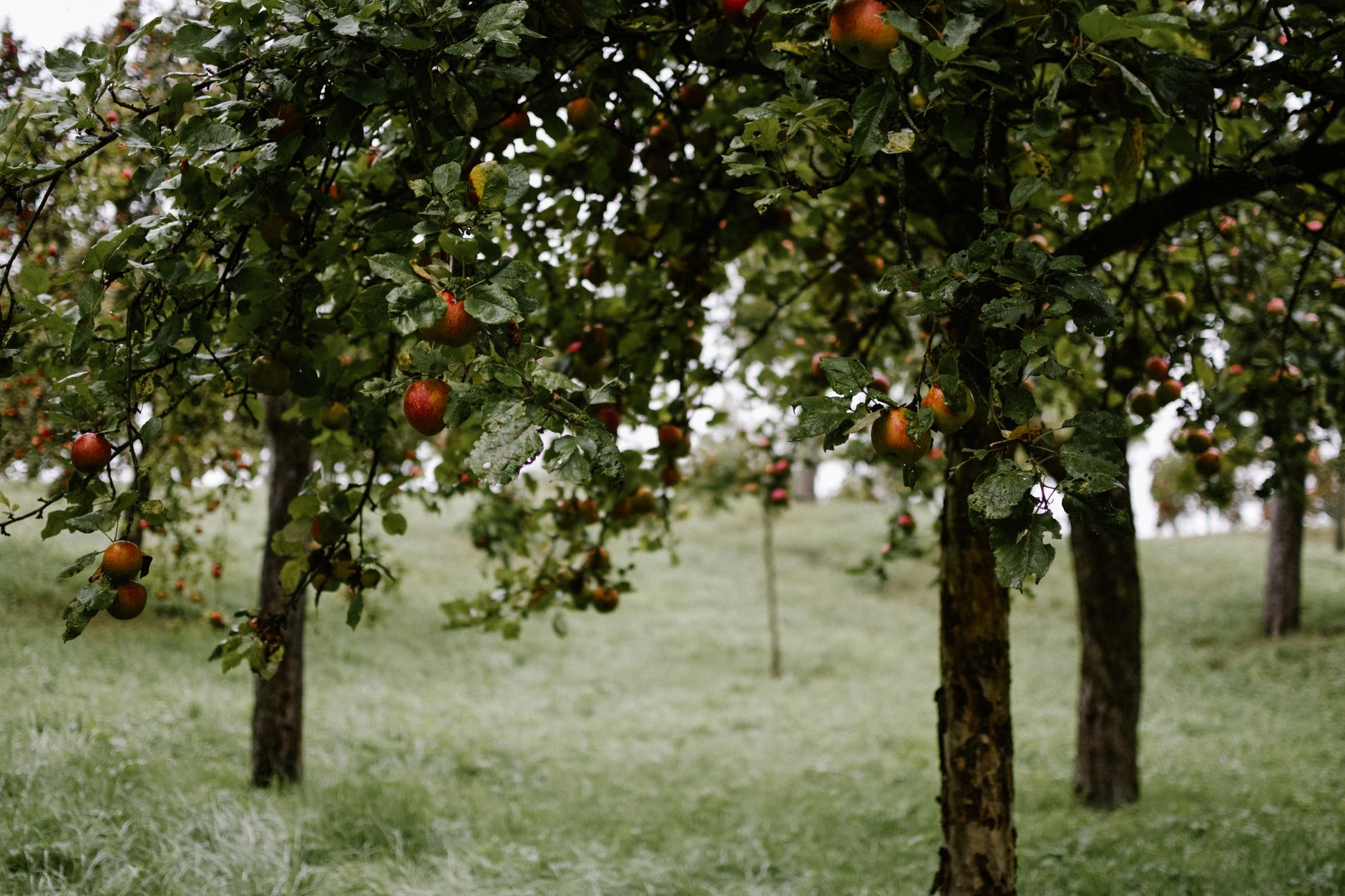
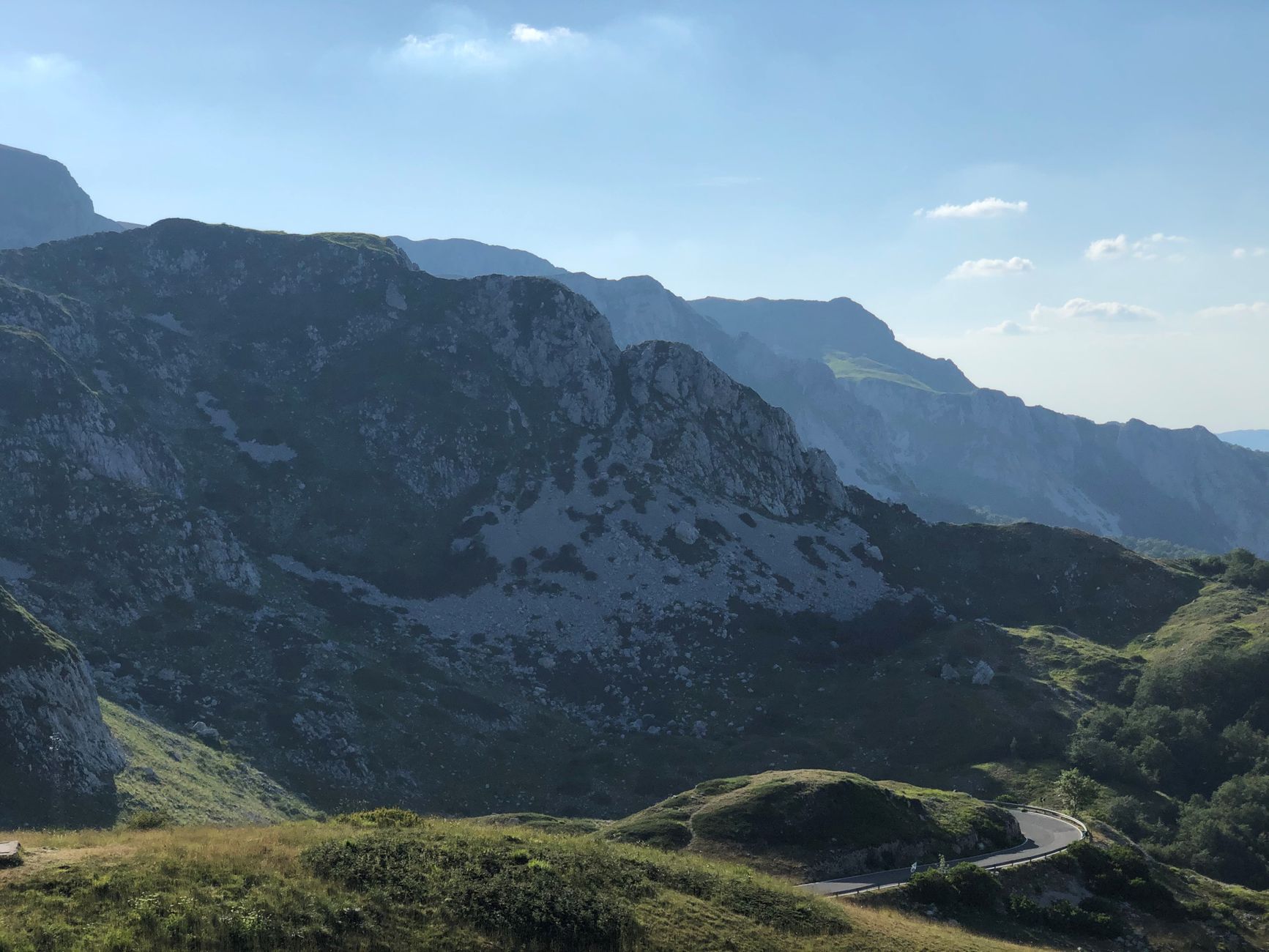
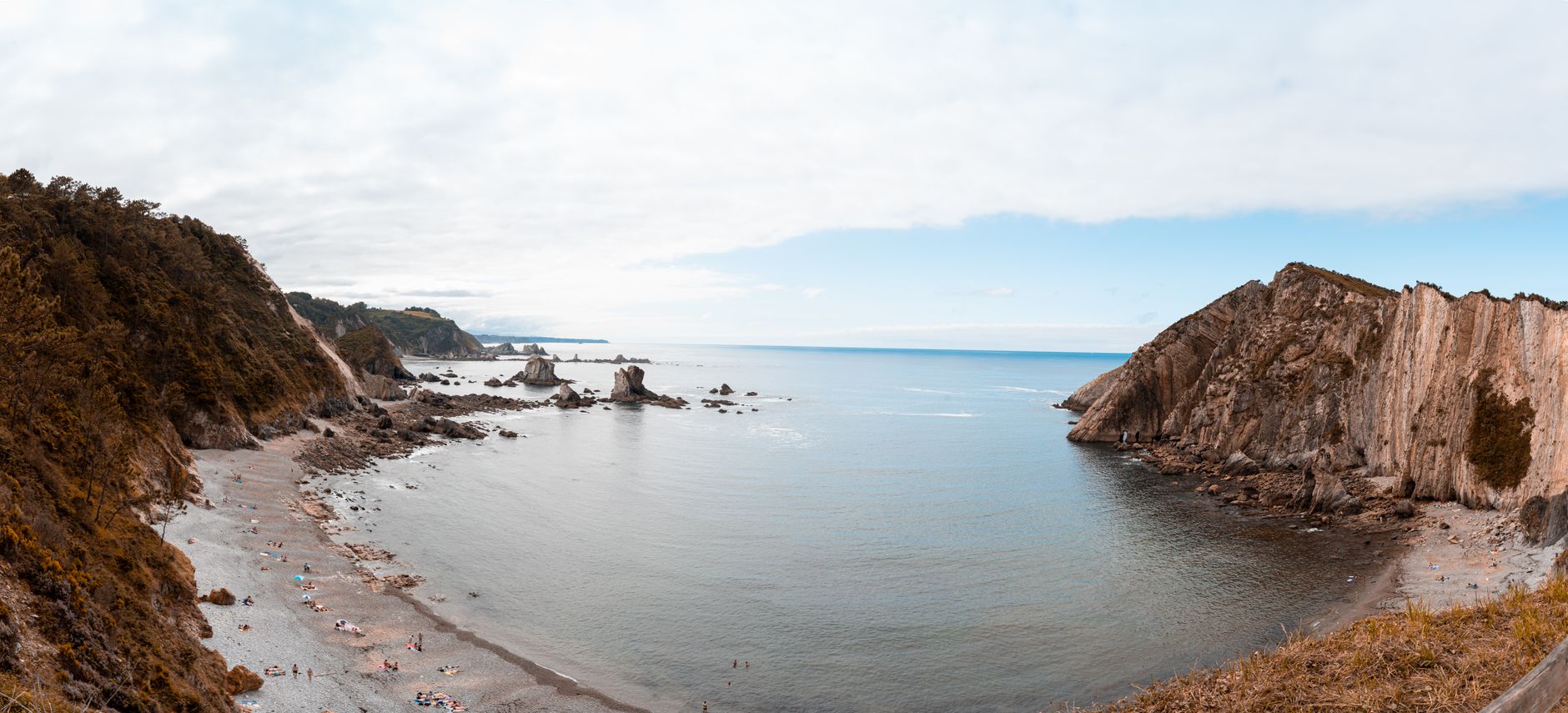
Villaviciosa sits in the coastal lowlands of Asturias, a landscape defined by rolling hills and estuaries that cut into the Cantabrian coastline. The terrain remains green throughout the year due to consistent rainfall and mild temperatures. Narrow roads wind through apple orchards and small farming plots that characterize the rural fringe of the province. During the winter, fog frequently settles in the river valleys, while summer brings moderate humidity and cooling breezes off the sea. Access requires navigating the winding coastal routes that connect the larger Asturian cities to this quiet stretch of northern coastline.
What to eat and drink
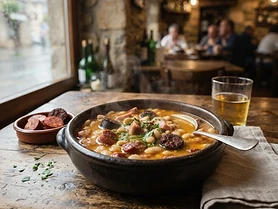
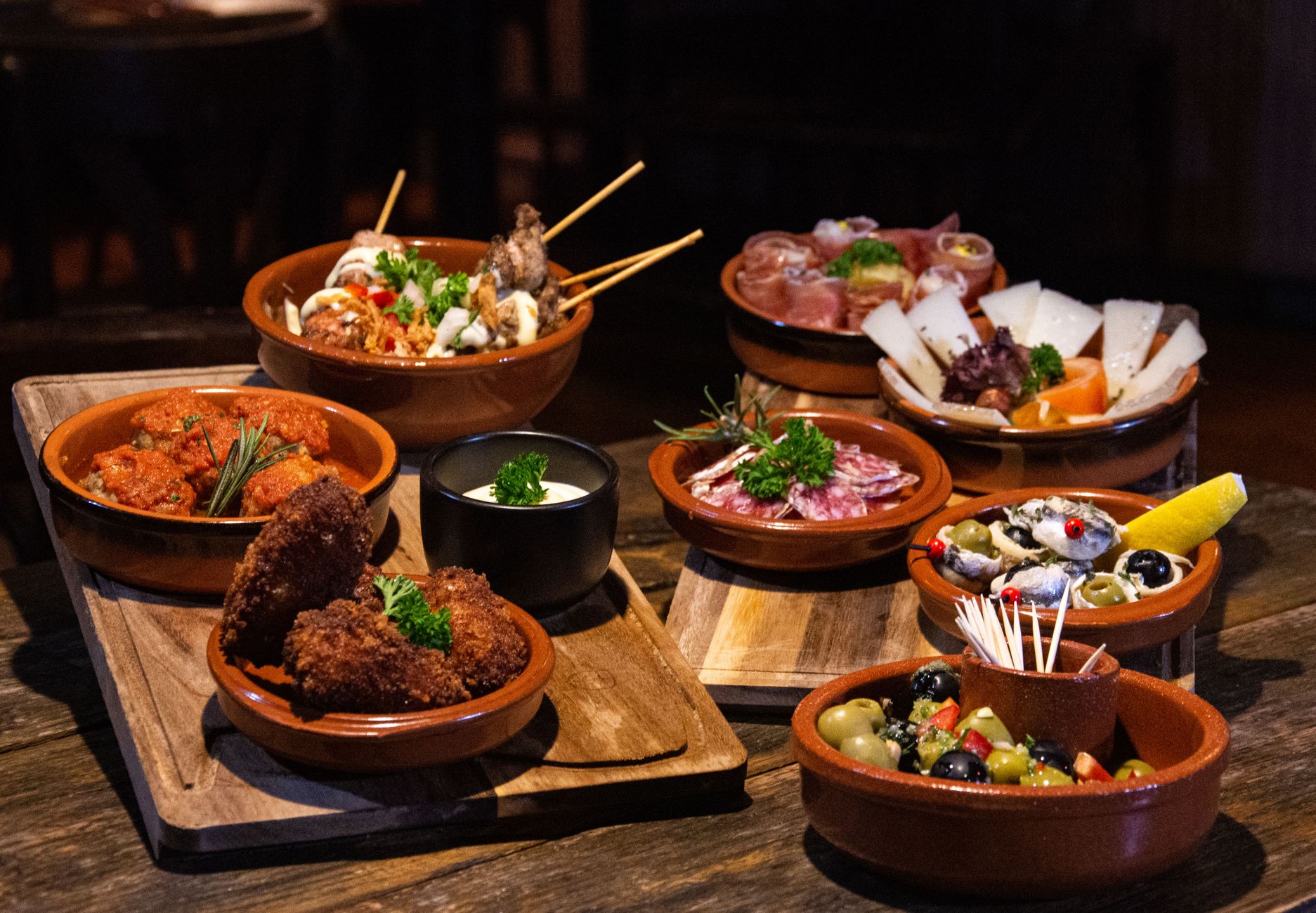
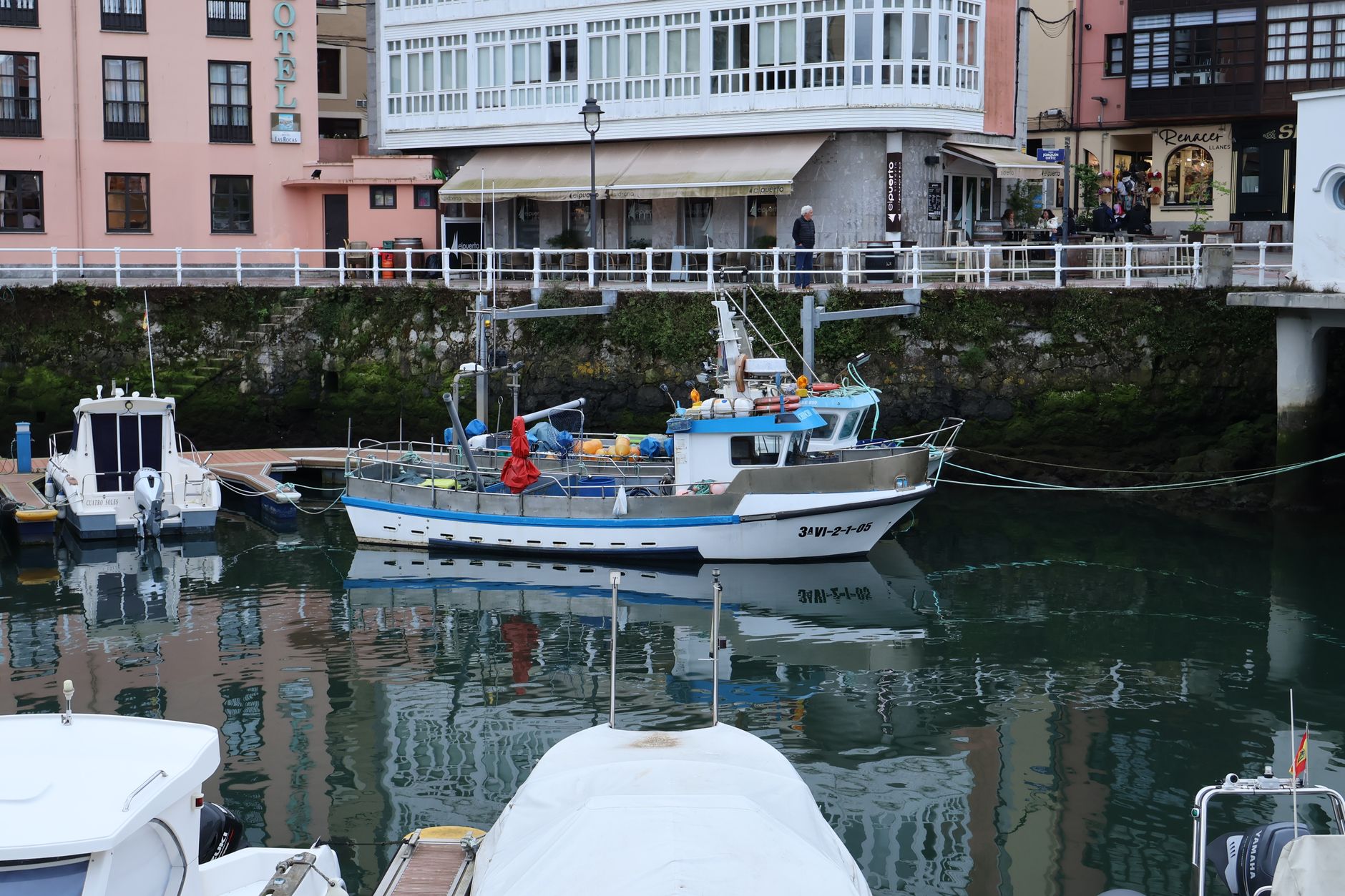
Asturian cider provides the foundation for the local diet. Natural cider, poured from a height to aerate the liquid, accompanies hearty meals. Fabada asturiana, a rich stew of white faba beans simmered with chorizo, morcilla, and tocino, provides the primary fuel for the region. Cabrales, a sharp, pungent blue cheese aged in mountain caves, finishes most meals. Beyond the apple pressings, the local cuisine relies on fresh fish from the Cantabrian Sea and beef raised on the damp, lush pastures of the hills. Crusty bread serves to soak up the broths of bean stews and the fats of cured pork products.
Asturias: the whole region
Asturias fits a whole coast, a mountain range and a serious kitchen into a province you can cross in two hours. Cider poured from a height, blue cheese, working fishing ports, and the Picos de Europa standing over all of it. It rains often…
Minimum 4 days · better 7 days · deep 10-12 days
What's Nearby




In Asturias




In Asturias
In Asturias





Logistics are verified only. We don't publish schedules we haven't confirmed.
Appears In
Ready to build El Gaitero (Villaviciosa) into a trip?
You've found a place worth going. When you're ready to turn discovery into an itinerary, Travel Itinerary Co picks up where the Field Guide leaves off — with your saved places already in hand.
Build this into a tripContinues on Travel Itinerary Co
Spain Field Guide may earn a commission when you book through selected links. Recommendations are editorial and independent of commission.