Lagar Viuda de Angelón (Nava)
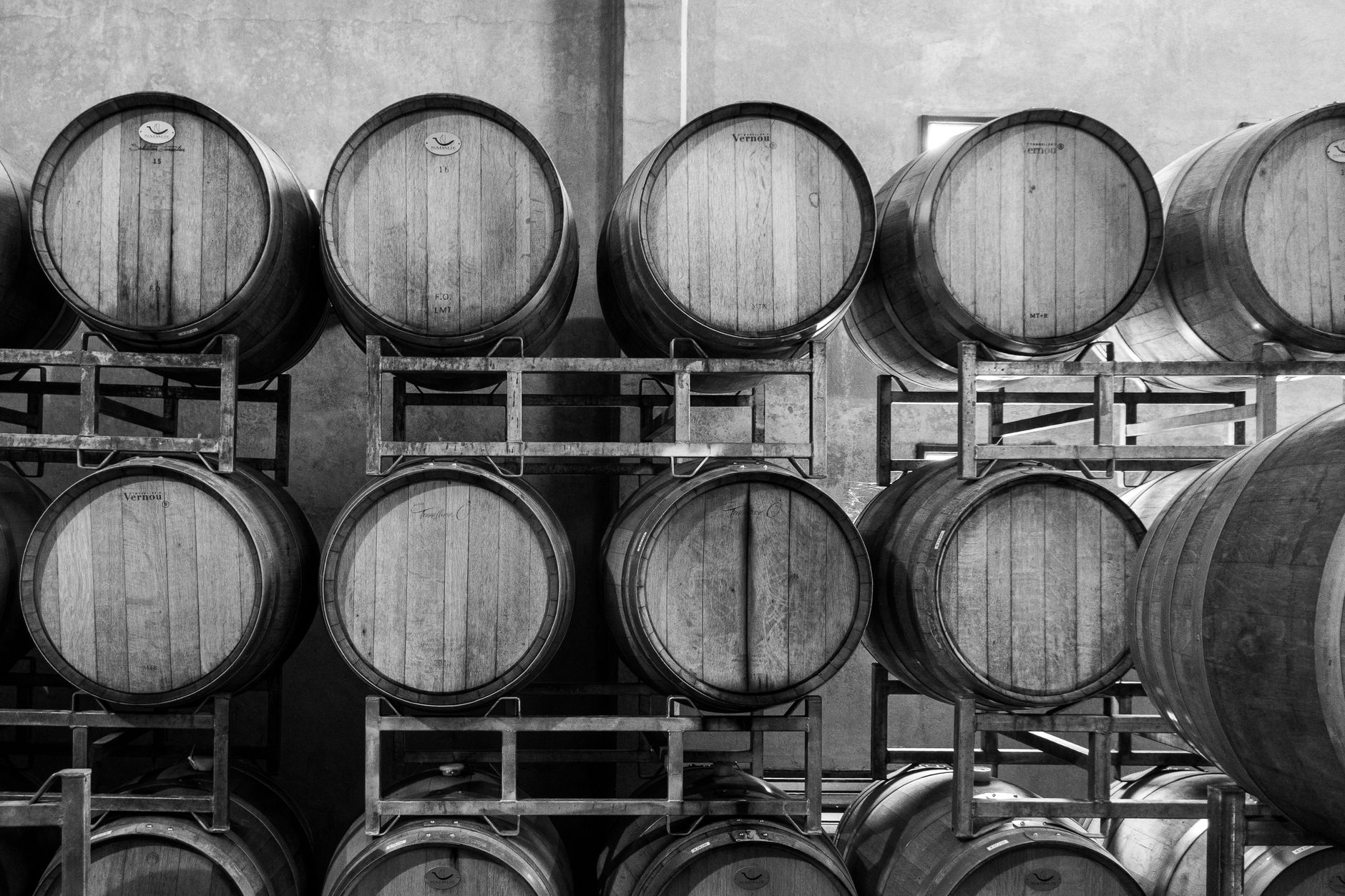
Recommended, and the best value stop in the cider country. Cash helps, and so does an appetite.
To buy cider at the press, from the people who made it, for a fraction of what it costs at home.
At a Glance
- — You want a formal tour
Most Asturian cider still comes from small presses, and the ones along Nava's main road are the easiest to visit. A lagar like this one presses its own apples, sells from the premises, and pours you a glass before you commit to a bottle. Ask which apples went in and you will get a real answer, usually involving the word mezcla. Prices are low, the cider is unfiltered, and a bottle will not survive many months in a warm car.
How it got here
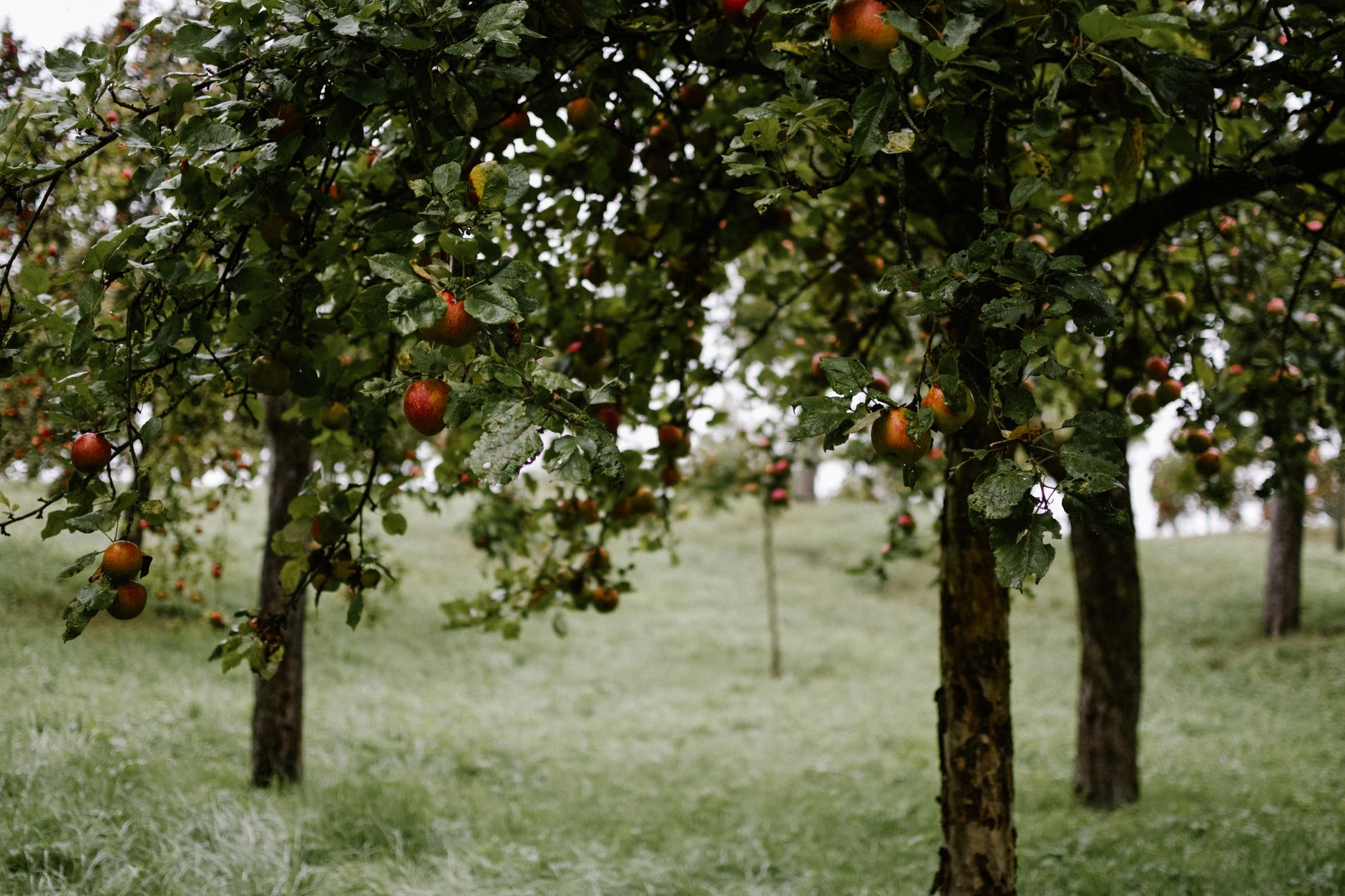
Nava sits at the heart of Asturian cider production where the cultivation of pomaradas defines the landscape. The tradition of the lagar evolved from small farmstead pressing to more organized centers as the demand for sidra grew beyond the household. Families transformed apple harvests into the base for the local economy during the nineteenth and twentieth centuries. These buildings operate as centers of agrarian life where the rhythm of the work follows the autumn harvest. The architecture of these press houses maintains the practical requirements of crushing and fermentation processes that sustained the local population long before the rise of modern industrial bottling.
Where it sits
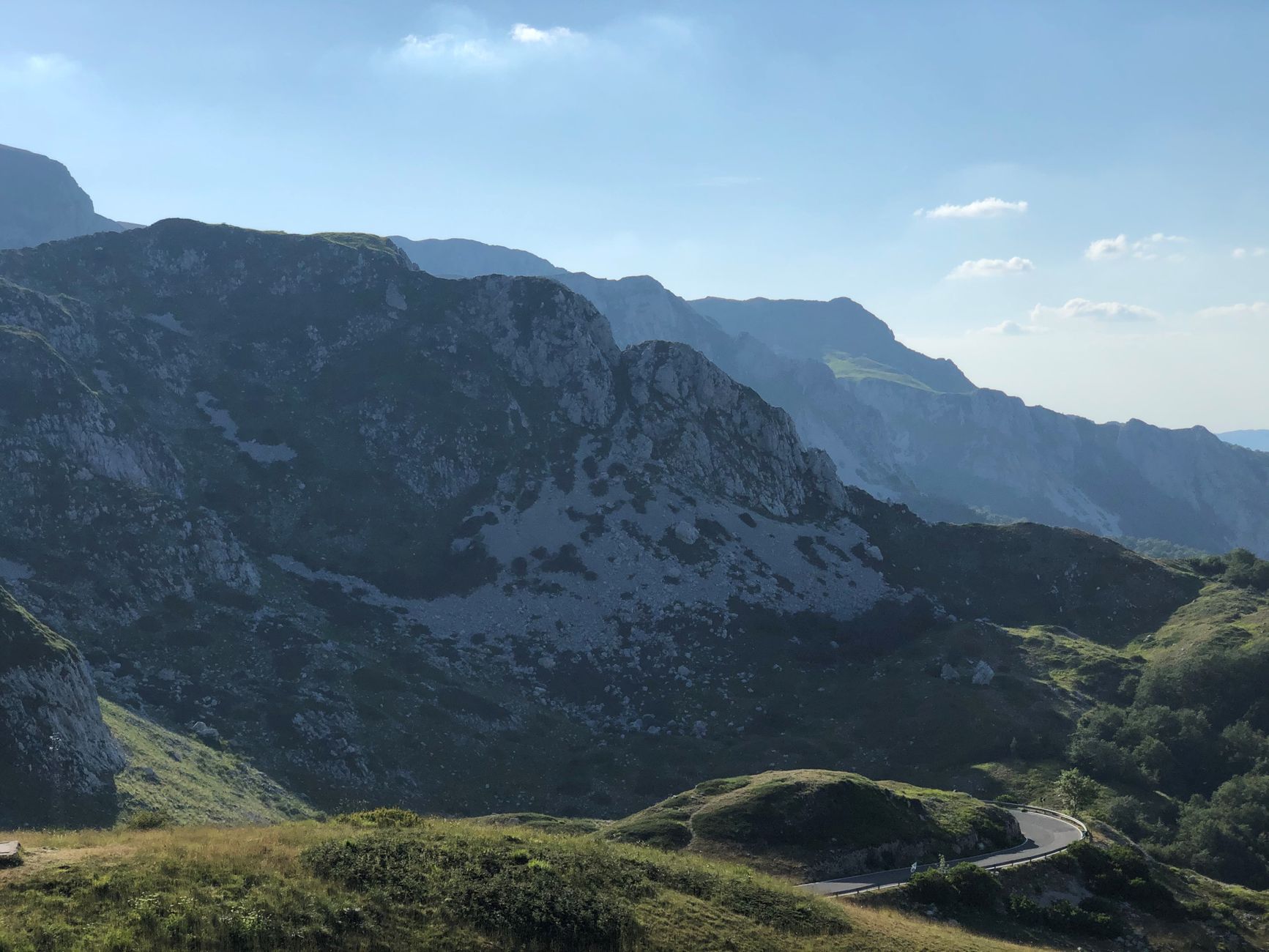
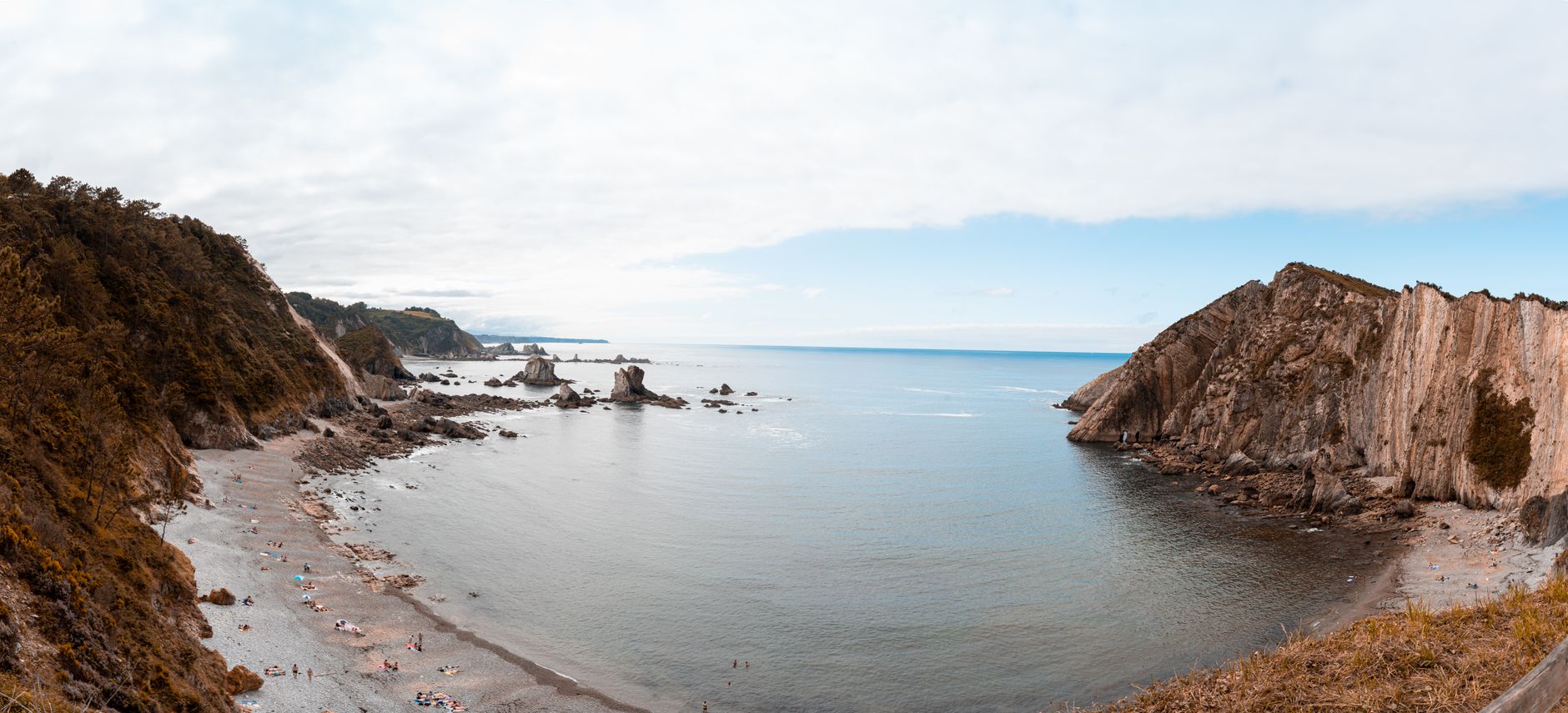
The town lies in the valley of the river Punegón with the slopes of the Cordillera Cantábrica rising to the south. The terrain consists of rolling hills and verdant pasture land typical of the Asturian interior. Green fields dominate the view during the damp winters and remain lush throughout the summer months. Access arrives via the inland corridors that connect the coast to the high mountain passes. The damp climate encourages constant growth and creates a landscape of dense vegetation and heavy mist that settles over the cider orchards each morning.
What to eat and drink
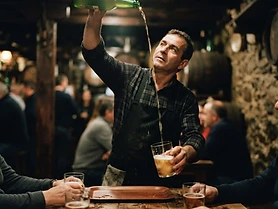
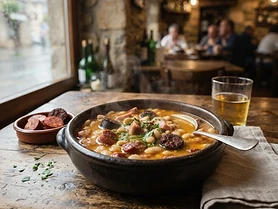
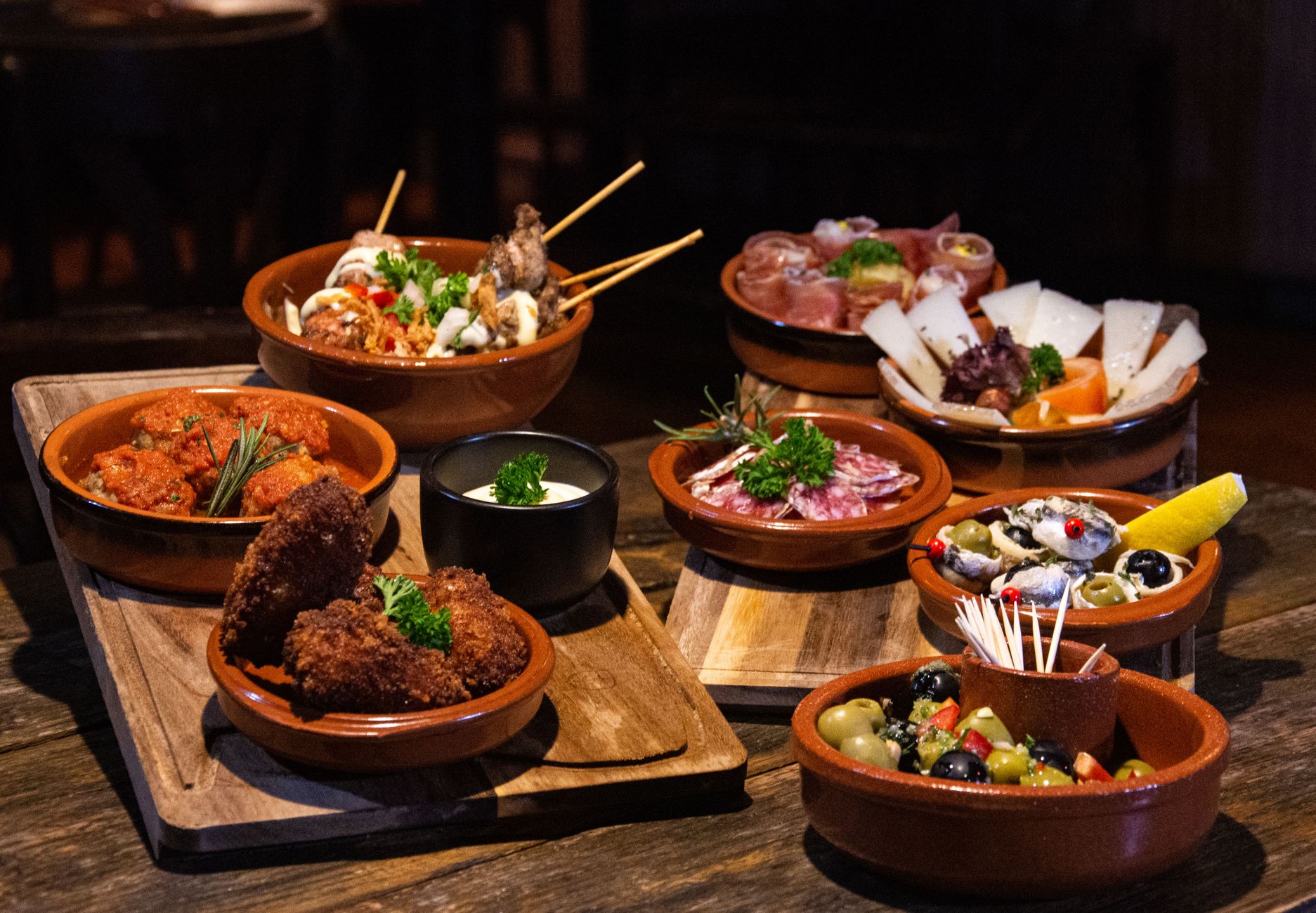
Sidra natural is the foundation here, poured from the bottle high above the head into a glass to aerate the liquid. One accompanies the drink with chorizo a la sidra, sausage simmered in the sharp local cider. Another staple is fabada asturiana, a heavy stew of large white faba beans, morcilla, and chorizo. The pungent blue cheese Cabrales, aged in limestone caves, provides a sharp finish to a meal. These foods rely on the fatty proteins and preserved legumes that sustain life in the humid climate of the northern mountains.
Asturias: the whole region
Asturias fits a whole coast, a mountain range and a serious kitchen into a province you can cross in two hours. Cider poured from a height, blue cheese, working fishing ports, and the Picos de Europa standing over all of it. It rains often…
Minimum 4 days · better 7 days · deep 10-12 days


Pair It With


In Asturias



In Asturias

In Asturias




Logistics are verified only. We don't publish schedules we haven't confirmed.
Appears In
Ready to build Lagar Viuda de Angelón (Nava) into a trip?
You've found a place worth going. When you're ready to turn discovery into an itinerary, Travel Itinerary Co picks up where the Field Guide leaves off — with your saved places already in hand.
Build this into a tripContinues on Travel Itinerary Co
Spain Field Guide may earn a commission when you book through selected links. Recommendations are editorial and independent of commission.