Playa de Gulpiyuri

A genuine geological oddity worth the five-minute detour, but don't build a day around it — it's tiny.
Seawater arrives through an underground channel to fill a small inland pool, cut off from the sea by a strip of grassy field — you won't see this trick anywhere else nearby.
At a Glance
- — you want a full beach day
- — swimming laps
- — large groups
Tucked away behind a simple grassy field, this inland pool is fed by seawater rushing through a hidden, underground geological channel. It is a tiny, fascinating curiosity of nature rather than a place to settle in for a full afternoon of swimming. Make the five-minute detour to see the waves appear out of the rock, but do not expect a sprawling, sandy expanse.
How it got here
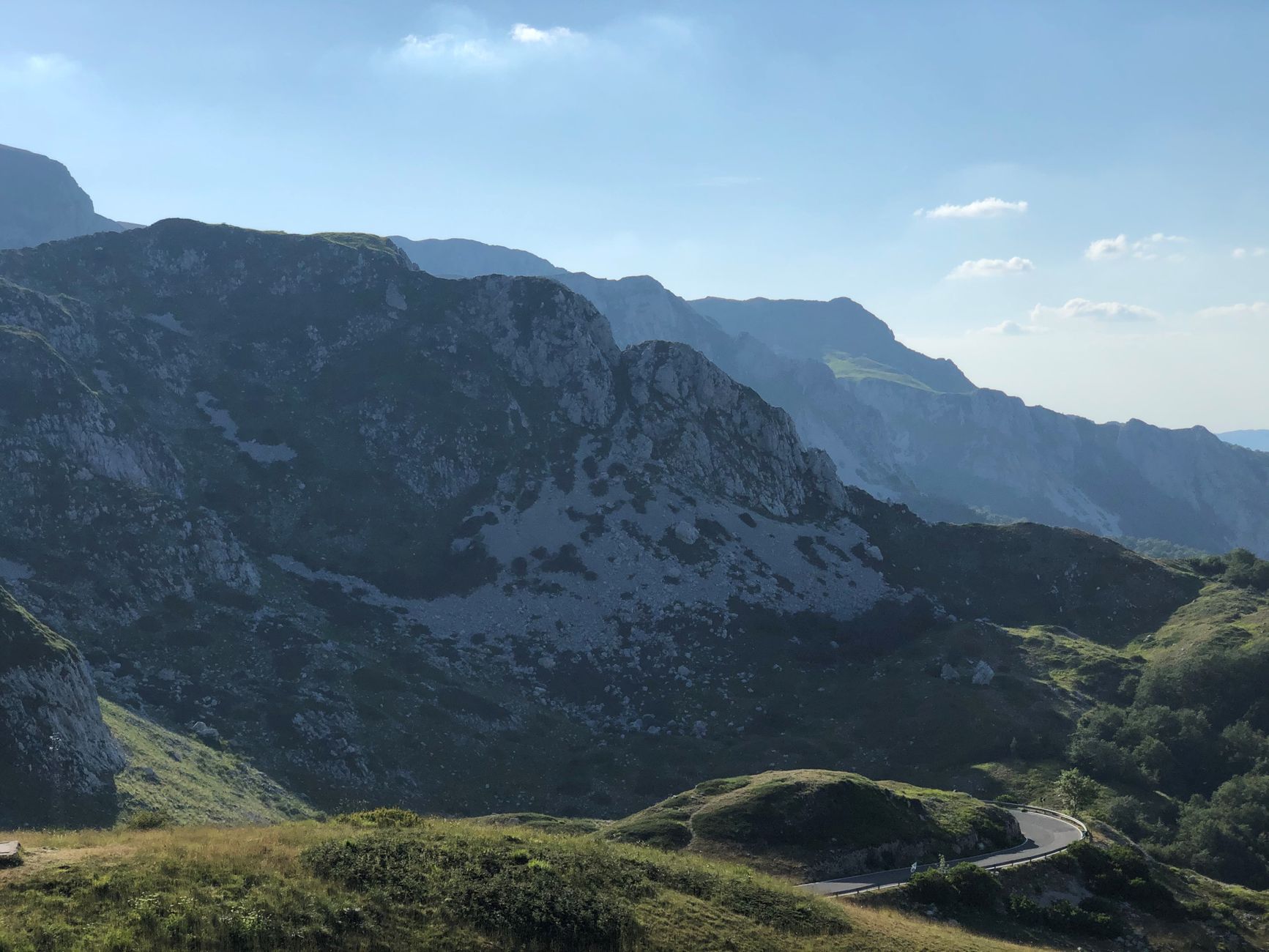
The coast of Asturias between Ribadesella and Llanes preserves a maritime heritage defined by centuries of limestone extraction and small scale pastoralism. Geologically, this shore belongs to the karstic belt of the Picos de Europa fringe, a landscape shaped by millions of years of water carving through subterranean rock. The beach owes its existence to the same process that formed the dramatic caves and sinkholes characterizing the nearby Sierra del Cuera. While the specific inlet lacks a formal human record, the surrounding villages follow a medieval pattern of coastal exploitation. Communities here long balanced fishing in the Cantabrian Sea with the seasonal grazing of cattle on the narrow verdant plains between the mountains and the water.
Where it sits
The beach exists as a geologic anomaly within a meadow near the village of Naves. Limestone cliffs buffer the Cantabrian Sea, forcing water through subterranean channels to create this saline pool inland from the shoreline. The terrain consists of damp pastures and rocky outcrops where salt spray meets mountain air. Autumn and winter rains swell the channel, while summer heat dries the landscape and fills the narrow strip of sand with visitors. Access requires a walk across open fields from the main road, crossing a terrain defined by wet grass, limestone rubble, and the constant sound of waves muffled by earth.
What to eat and drink
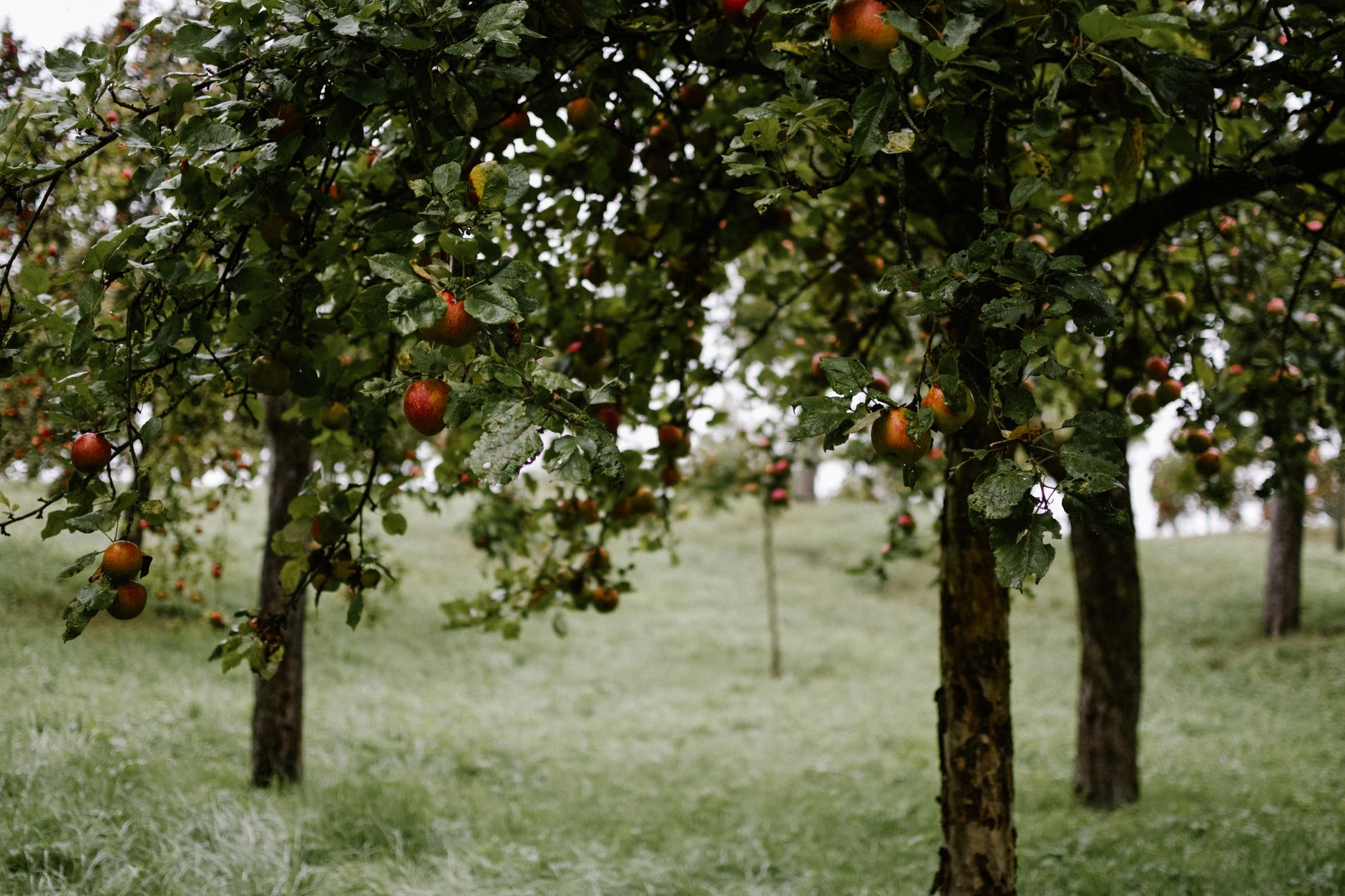
Asturian tables center on hearty, high-calorie preparations suited to a climate that stays cool and wet. Fabada asturiana is the primary dish, a thick stew of slow-cooked white beans, chorizo, morcilla, and pork shoulder. Cabrales, a sharp blue cheese aged in mountain caves from a blend of cow, goat, and sheep milk, finishes most meals. Drink requires sidra, the local dry cider pressed from sour apples, traditionally poured from a height to aerate the liquid. Seafood appears as marmita de bonito, a stew built on tuna caught in the Cantabrian waters, potatoes, onions, and pimentón.
Asturias: the whole region
Asturias fits a whole coast, a mountain range and a serious kitchen into a province you can cross in two hours. Cider poured from a height, blue cheese, working fishing ports, and the Picos de Europa standing over all of it. It rains often…
Minimum 4 days · better 7 days · deep 10-12 days

Pair It With
In Asturias





In Asturias



In Asturias





Logistics are verified only. We don't publish schedules we haven't confirmed.
Ready to build Playa de Gulpiyuri into a trip?
You've found a place worth going. When you're ready to turn discovery into an itinerary, Travel Itinerary Co picks up where the Field Guide leaves off — with your saved places already in hand.
Build this into a tripContinues on Travel Itinerary Co
Spain Field Guide may earn a commission when you book through selected links. Recommendations are editorial and independent of commission.