Sidra Natural
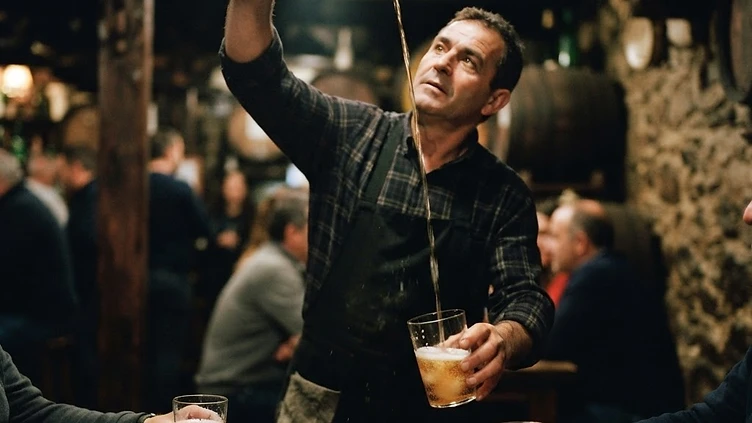
Essential once. Order a bottle between two, eat something, and stay for the second pour.
It is the most sociable drink in Spain, and it tastes nothing like the sweet cider sold elsewhere.
Oviedo · Nava · Villaviciosa
At a Glance
- — You want a quiet, sober meal
Natural cider is a living, unfiltered drink, and the ritual around it exists for practical reasons. It is poured from as high as the pourer can manage so the stream hits the side of the glass and wakes the cider up; only an inch or so is poured at a time, and what is left in the glass goes on the floor because it has gone flat. Bottles are shared, glasses are never filled, and the whole thing is designed for talking. In Oviedo the cider street is Calle Gascona, where the pouring goes on all evening. Food at a cider house is plain and generous: cheese, chorizo cooked in cider, and fabada.
How it got here
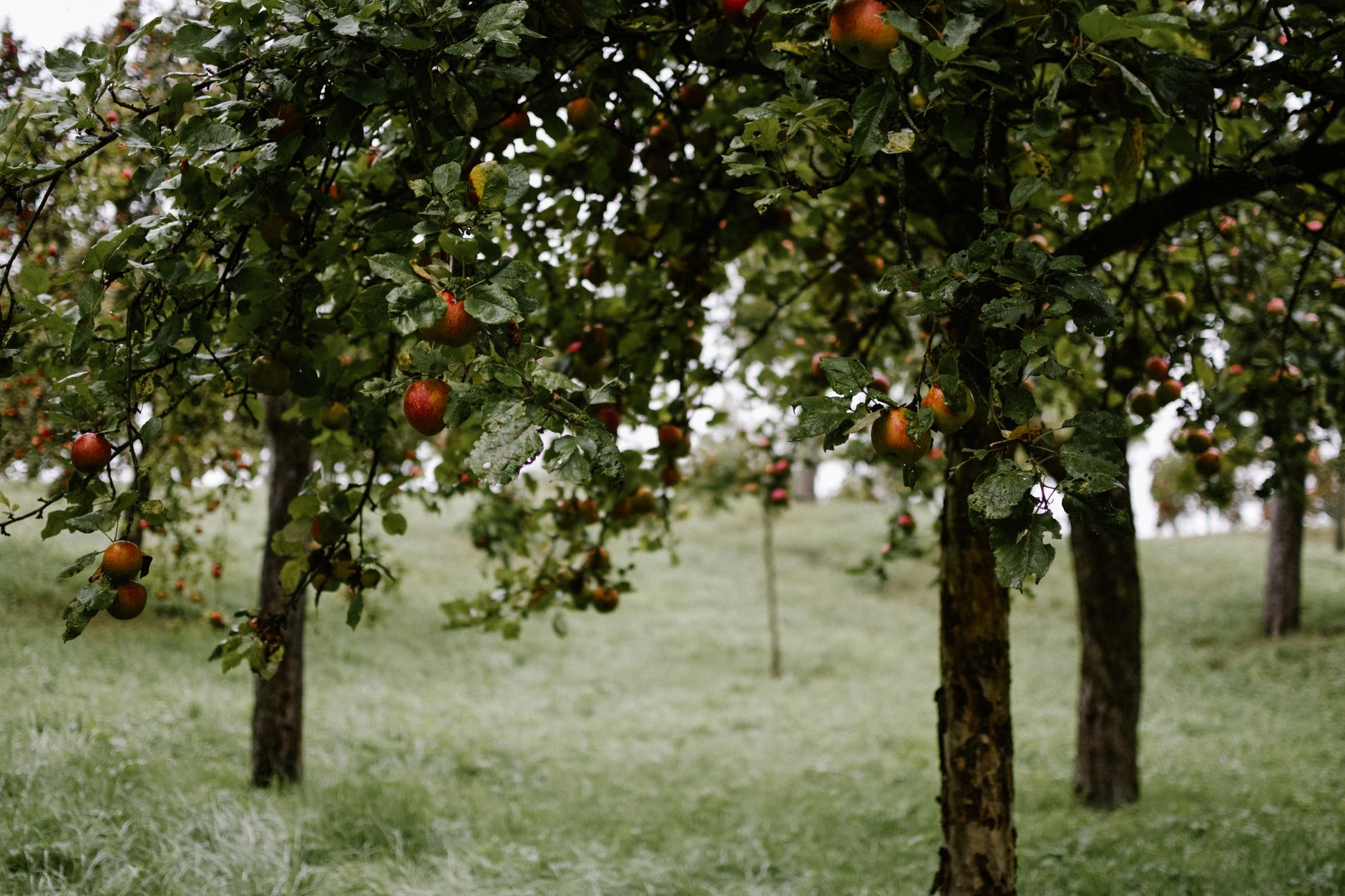
Apples appear in Asturian records as early as the Roman occupation, yet the production of fermented cider coalesced into a formal industry during the Middle Ages. The regional landscape of smallholdings and high rainfall provided the exact climate required for the native orchards to thrive. Monastic influence encouraged the cultivation of apple trees alongside wheat and vines, embedding cider into the daily rhythm of rural life. Today, this tradition survives as a cultural marker of the northern coast. The ritual of the pour serves to aerate the liquid in the absence of carbonation, sustaining a habit born from the practical needs of decentralized fermentation.
Where it sits
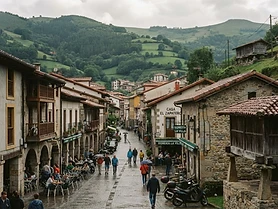
Asturias is a jagged expanse of limestone peaks and deep valleys running toward the Cantabrian Sea. Mist clings to the slopes for much of the year, keeping the pastures vivid and the orchards saturated. The terrain forces travel along the coastal corridor or through narrow mountain passes that climb sharply from the shore. Summer brings soft light and green growth, while winter dampens the coast with salt air and persistent rain. In the cities, the cider houses dominate the ground floor of stone buildings, where the noise of the pour creates a constant hum in the evenings.
What to eat and drink
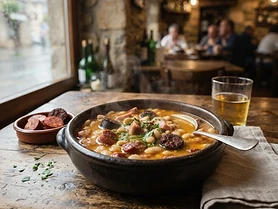
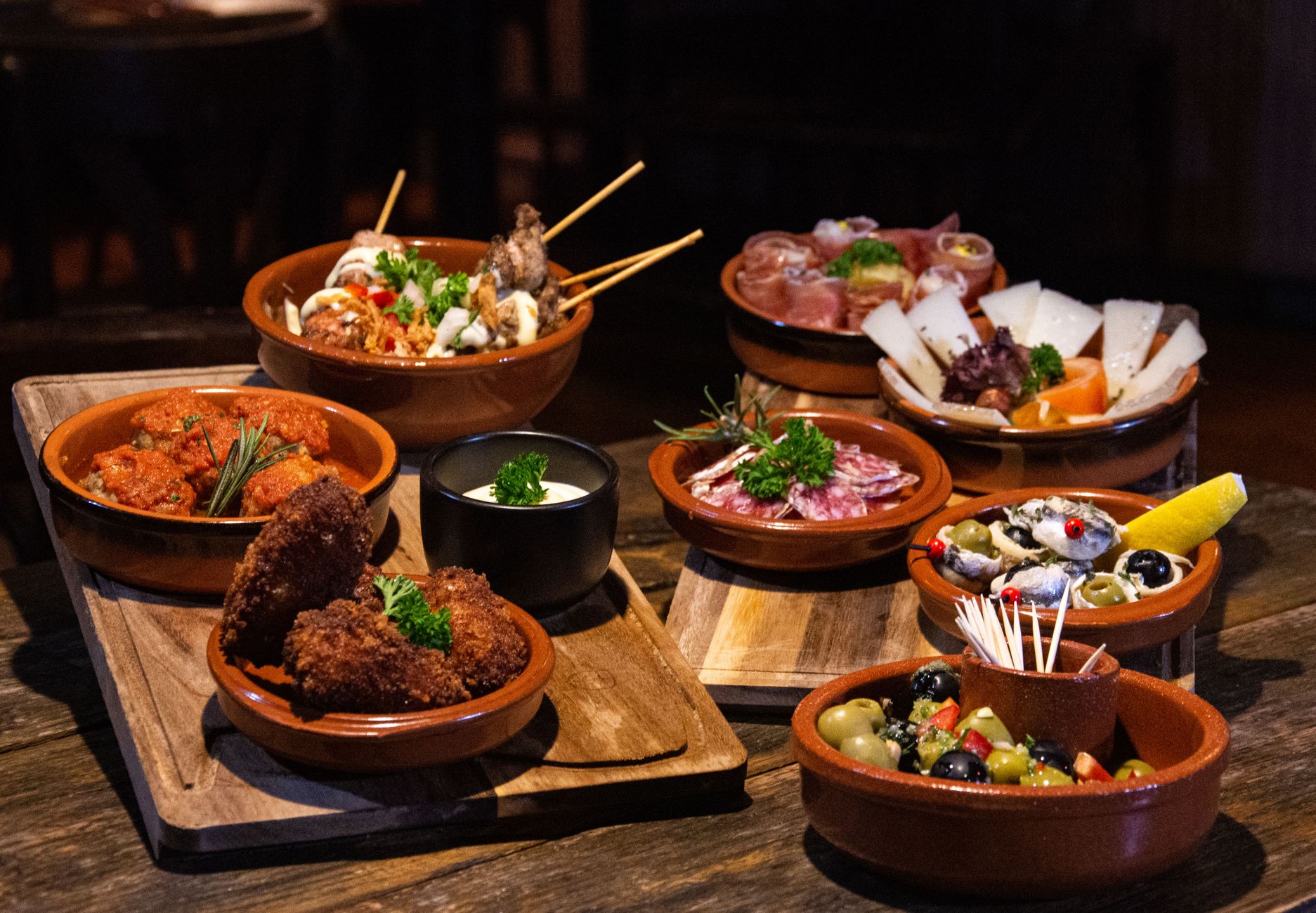
Sidra natural arrives in bottles, served in thin glasses that allow the drinker to catch the aroma before the bubbles settle. The pourer holds the bottle high above the head, directing the stream against the rim of the glass held low at the hip. Kitchens provide platters of Cabrales, a sharp blue cheese aged in mountain caves, and chorizo cooked in cider. Fabada asturiana, a heavy stew of large white beans and salted pork, provides the caloric density needed for the climate. Tortilla de patata remains a standard accompaniment, keeping the table full while the cider flows.
Asturias: the whole region
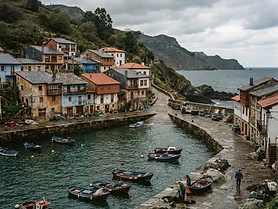
Asturias fits a whole coast, a mountain range and a serious kitchen into a province you can cross in two hours. Cider poured from a height, blue cheese, working fishing ports, and the Picos de Europa standing over all of it. It rains often…
Minimum 4 days · better 7 days · deep 10-12 days
What's Nearby



Pair It With



In Asturias


In Asturias

In Asturias





Linked from elsewhere
Entries that name this place in their own nearby lists.
Logistics are verified only. We don't publish schedules we haven't confirmed.
Appears In
Ready to build Sidra Natural into a trip?
You've found a place worth going. When you're ready to turn discovery into an itinerary, Travel Itinerary Co picks up where the Field Guide leaves off — with your saved places already in hand.
Build this into a tripContinues on Travel Itinerary Co
Spain Field Guide may earn a commission when you book through selected links. Recommendations are editorial and independent of commission.