Fabada Asturiana
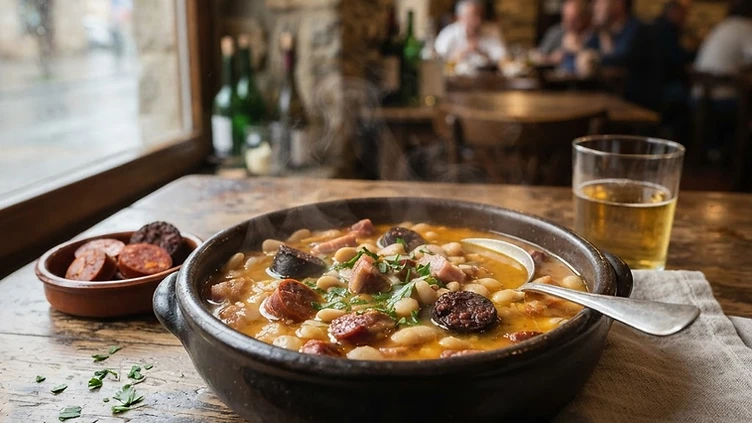
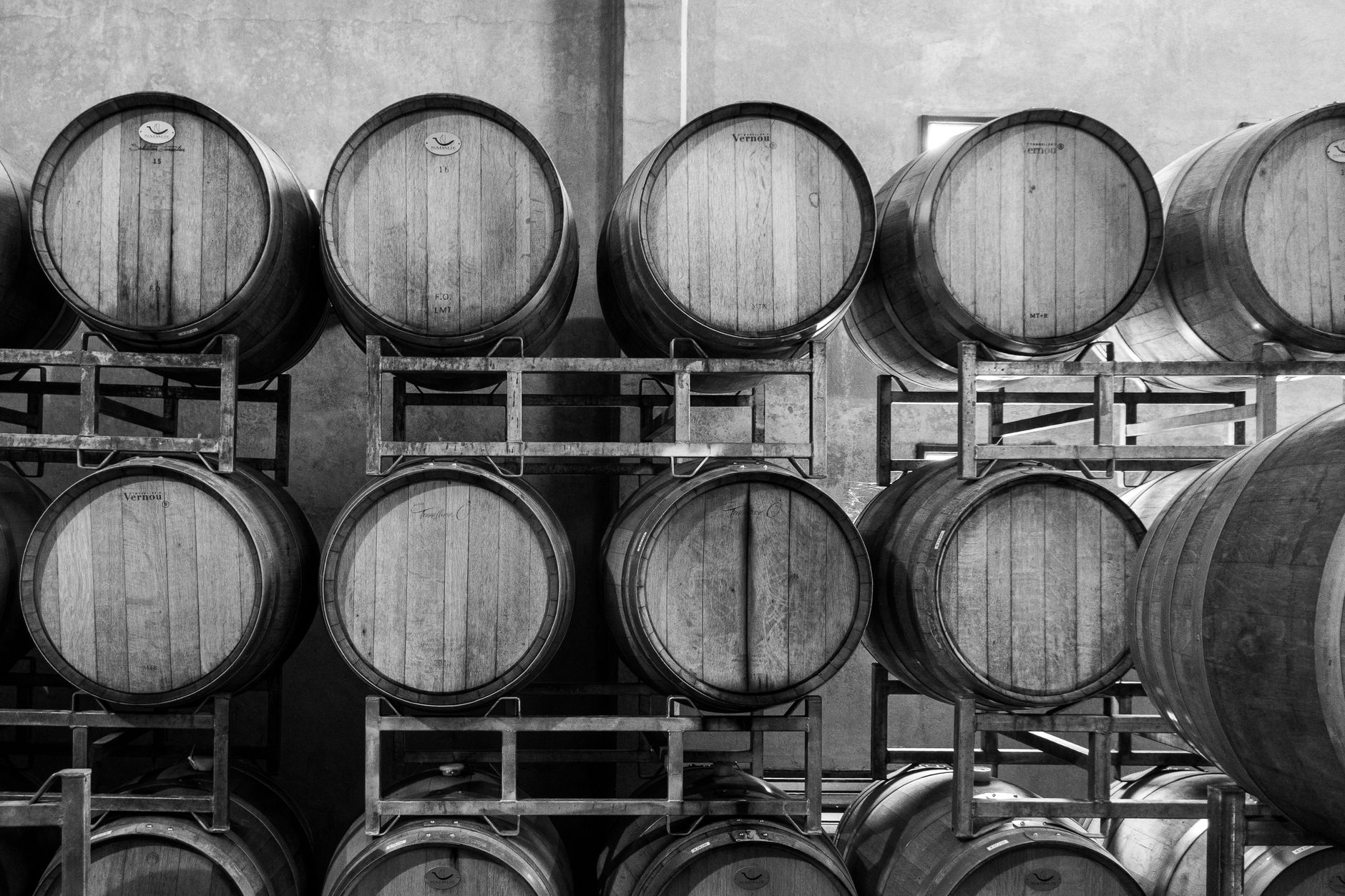
A reason to eat in Asturias in any season but summer. Pair with a glass of natural cider poured the long way.
Asturias' big white-bean and pork stew, the northern answer to cocido. A bowl of it with cider is the perfect cold-rain lunch in Oviedo.
At a Glance
- — You don't eat pork — it's loaded with chorizo and morcilla
Rich, earthy, and deeply comforting, this stew centers on the large, buttery faba beans of Asturias, simmered for hours with smoky chorizo and blood sausage. It is the definitive northern winter meal, best served in a heavy earthenware bowl accompanied by a glass of tart, natural cider poured from above the head to aerate the crisp liquid. The combination of the hearty, fat-rendered broth and the sharp apple acidity of the drink creates a perfect balance, warming the bones against the persistent mist of the coast.
How it got here
The cultivation of the faba asturiana bean in these valleys dates to the sixteenth century. While early records focus on subsistence agriculture, the prominence of the bean grew as farmers refined the soil management of the humid Atlantic coast. The dish evolved from the basic rural pot into the definitive local meal as the preserved meats of the pig harvest became available year-round for the hearth. It relies on the specific combination of faba, chorizo, and morcilla, a blood sausage often seasoned with paprika. The pot serves as a record of the mountain pastoral tradition where livestock and legume crops defined the diet.
Where it sits
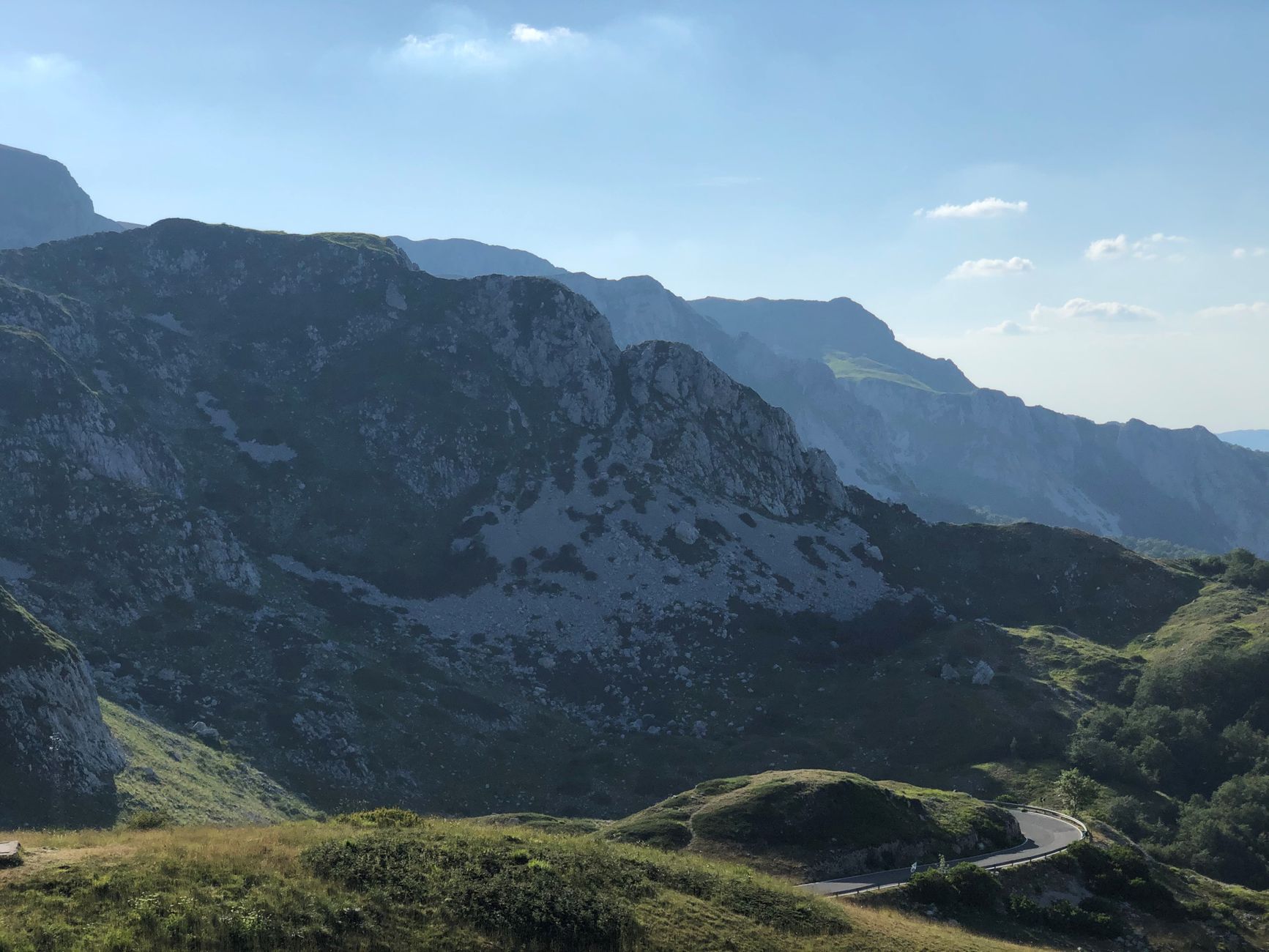
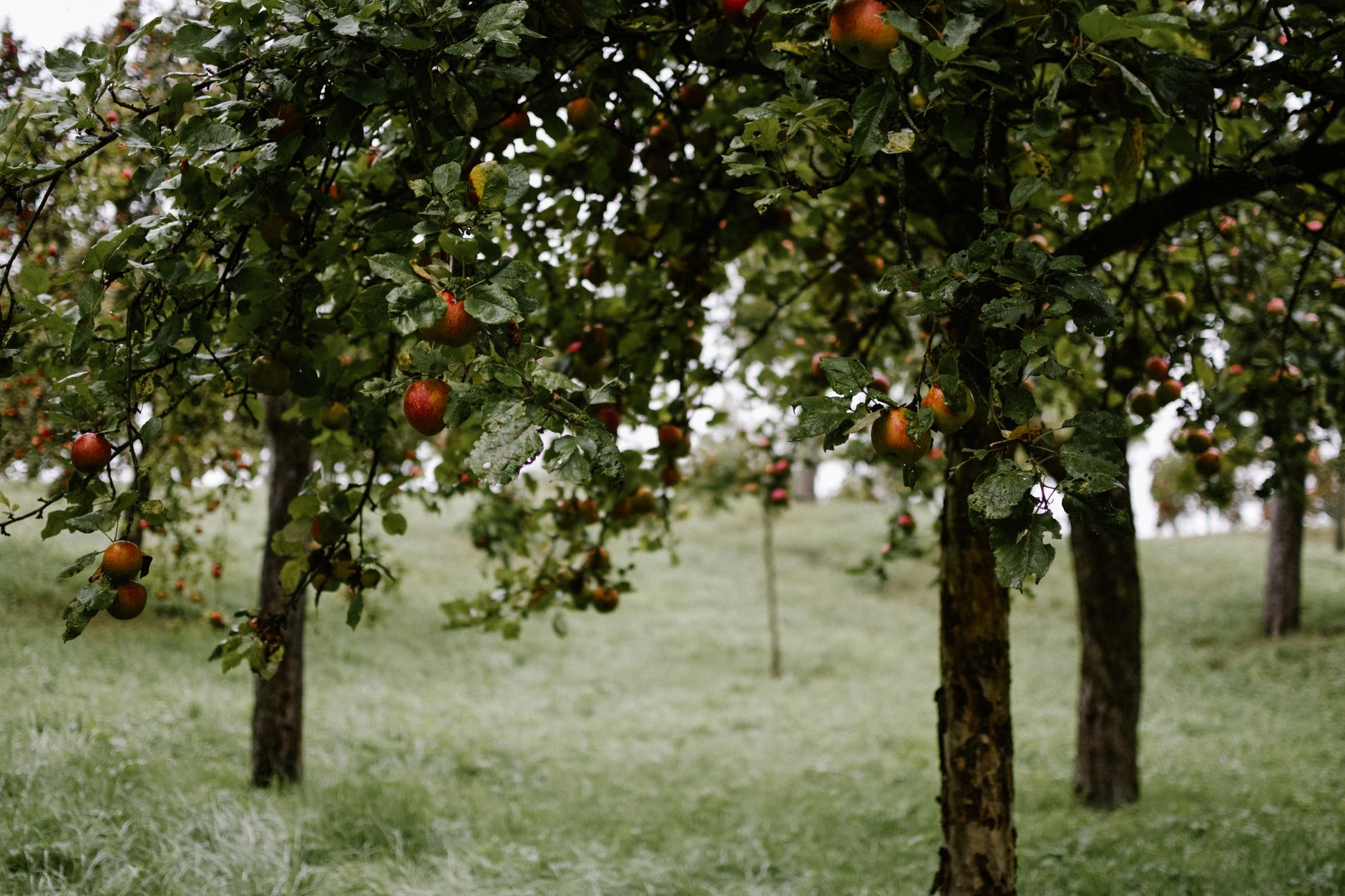
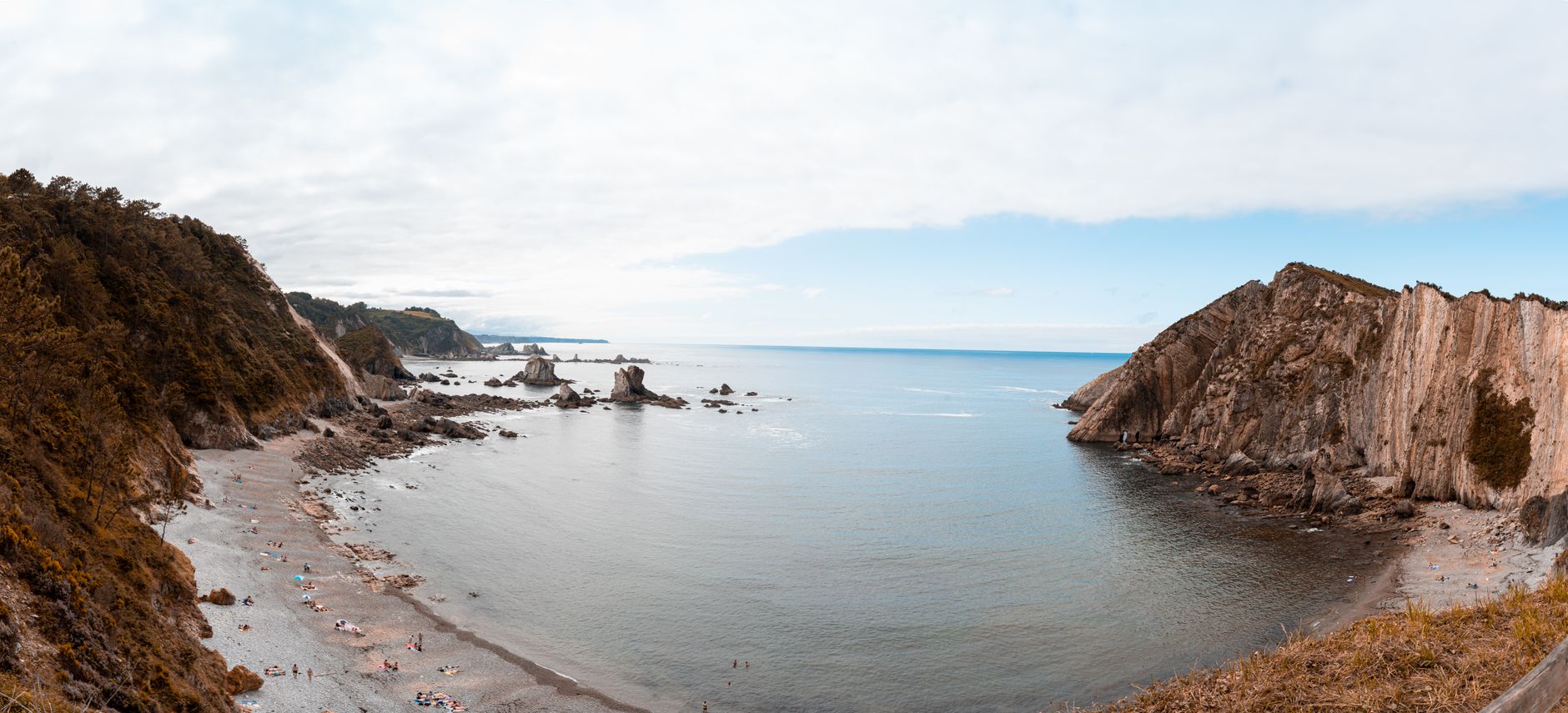
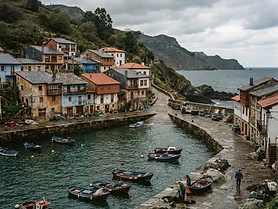
Asturias rises sharply from the Cantabrian Sea into the Picos de Europa. Steep limestone massifs and deep, green valleys hold moisture throughout the year, sustaining dense forests of chestnut and oak. Rainfall persists even in summer, keeping the pastures lush for the cattle that define the landscape. Small villages cling to the slopes of narrow river canyons, connected by winding mountain roads that avoid the high, jagged summits. Autumn brings the harvest of apples and beans, while winter mists settle in the lowlands, drawing locals toward the warmth of the village kitchen fires.
What to eat and drink
Fabada Asturiana brings together white faba beans, chorizo, and morcilla in a slow simmer that produces a dense, opaque broth. Cooks add lacón, the cured shoulder of pork, to sharpen the salt profile. Cider, fermented from tart local apples without added sugar, provides the necessary acid to cut the heavy fat of the pork. For dessert, arroz con leche offers a dense, creamy rice pudding topped with a thin layer of caramelized sugar. Diners pour the cider from high above the glass into the bottom to break the surface tension and wake the natural carbonation.
Asturias: the whole region
Asturias fits a whole coast, a mountain range and a serious kitchen into a province you can cross in two hours. Cider poured from a height, blue cheese, working fishing ports, and the Picos de Europa standing over all of it. It rains often…
Minimum 4 days · better 7 days · deep 10-12 days
Pair It With




In Asturias



In Asturias

In Asturias






Linked from elsewhere
Entries that name this place in their own nearby lists.


Logistics are verified only. We don't publish schedules we haven't confirmed.
Appears In
Ready to build Fabada Asturiana into a trip?
You've found a place worth going. When you're ready to turn discovery into an itinerary, Travel Itinerary Co picks up where the Field Guide leaves off — with your saved places already in hand.
Build this into a tripContinues on Travel Itinerary Co
Spain Field Guide may earn a commission when you book through selected links. Recommendations are editorial and independent of commission.