Cudillero
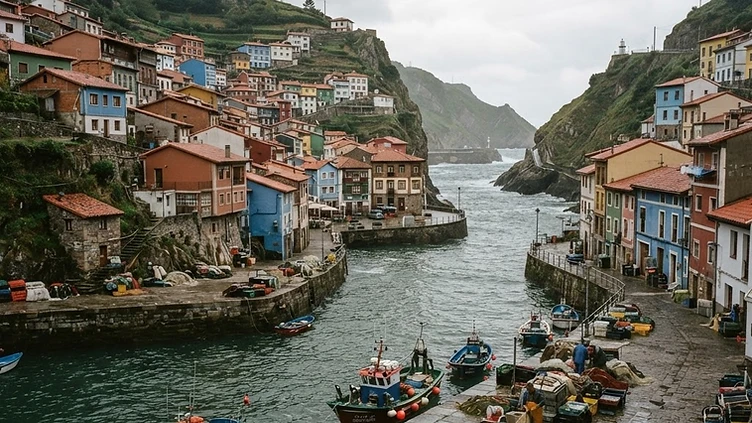
A perfect lunch stop on the Asturian coast. Eat fish, take photos, move on.
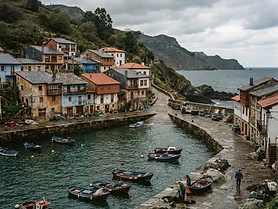
An amphitheater of pastel houses tumbling down to a small fishing port, one of the best-looking villages in northern Spain.
At a Glance
- — You're not on the Asturian coast
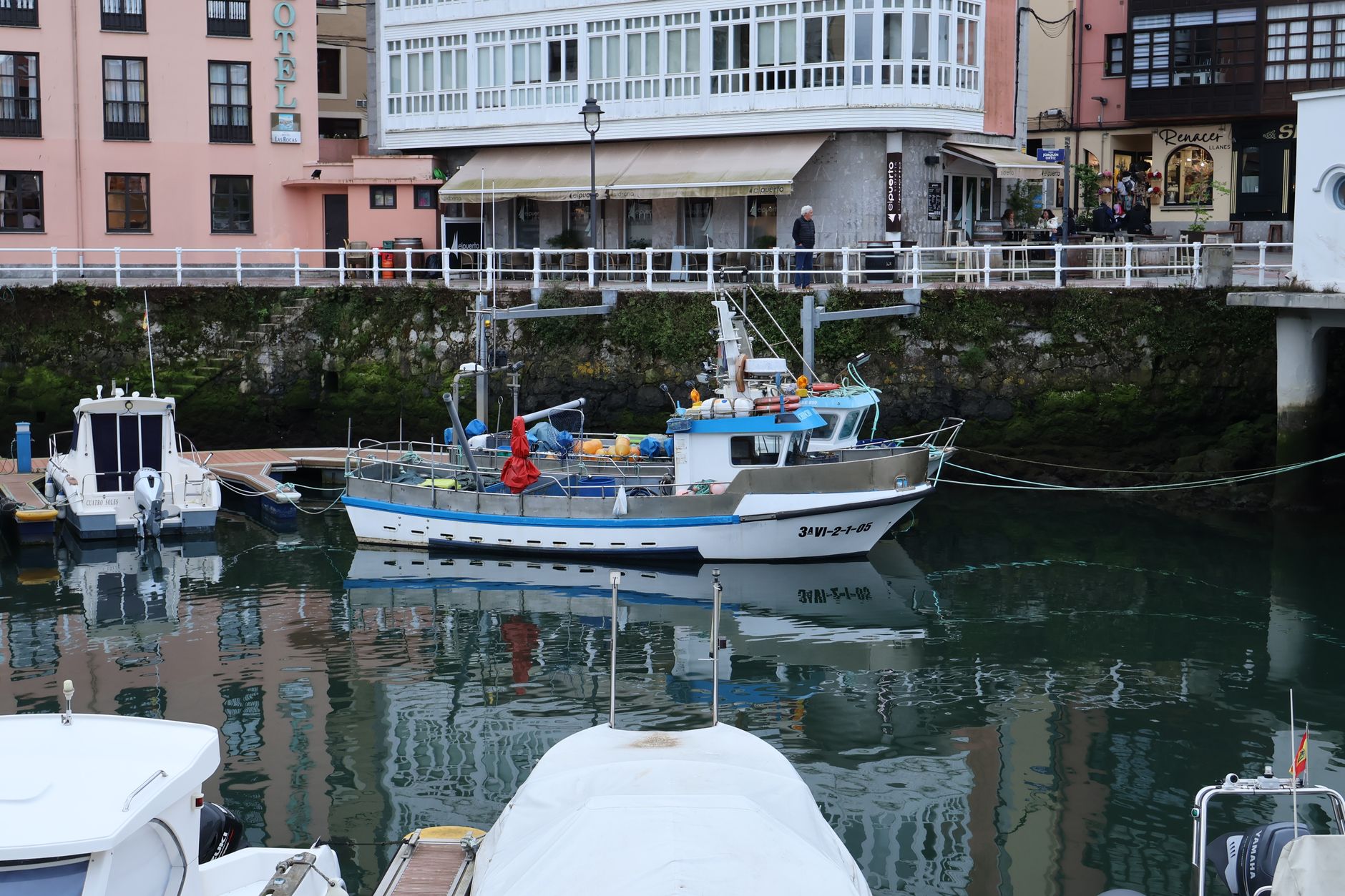
An amphitheater of pastel-hued houses tumbles down a steep hillside to meet a tiny, bustling fishing port. The air here is heavy with the scent of salt and charcoal-grilled fish, served in the small taverns lining the harbor. It serves as an ideal point for a long, relaxed lunch, where you can watch the trawlers return to the docks before continuing your journey along the wild Asturian coast.
How it got here
Maritime trade and artisanal fishing defined the development of the Asturian coast for centuries. Coastal settlements grew around natural harbors sheltered by high cliffs against the relentless Cantabrian Sea. Cudillero developed under the protection of these steep slopes which shielded the village from the harsh northern winds. Unlike inland feudal centers that relied on agricultural tax structures, this port functioned as an independent hub for maritime commerce. Fishing fleets operated under traditional guild systems that managed the distribution of the daily catch. These historical patterns of labor created the dense vertical layout of houses that defines the current port structure today.
Where it sits
The village clings to a dramatic break in the coastal cliffs where the Cantabrian Sea carves into the green Asturian landscape. Thick forests and damp meadows cover the surrounding hillsides that roll down to the shoreline. Narrow roads wind through these hills to reach the port level. Autumn and winter bring heavy Atlantic storms that darken the water and send waves crashing into the harbor. Summer light softens the grey stone facades and brings a cooler climate that contrasts with the heat found in the southern plains.
What to eat and drink
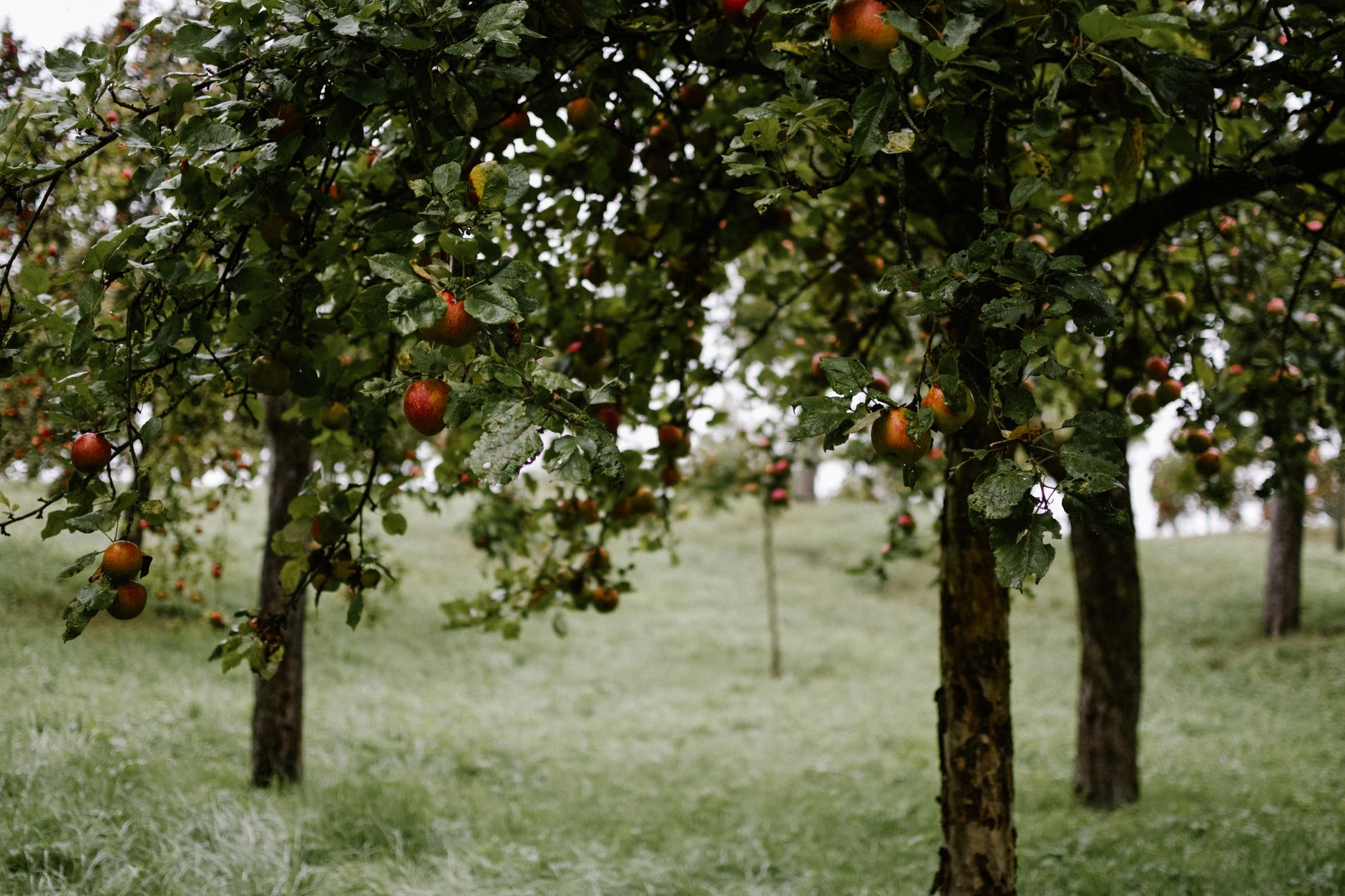
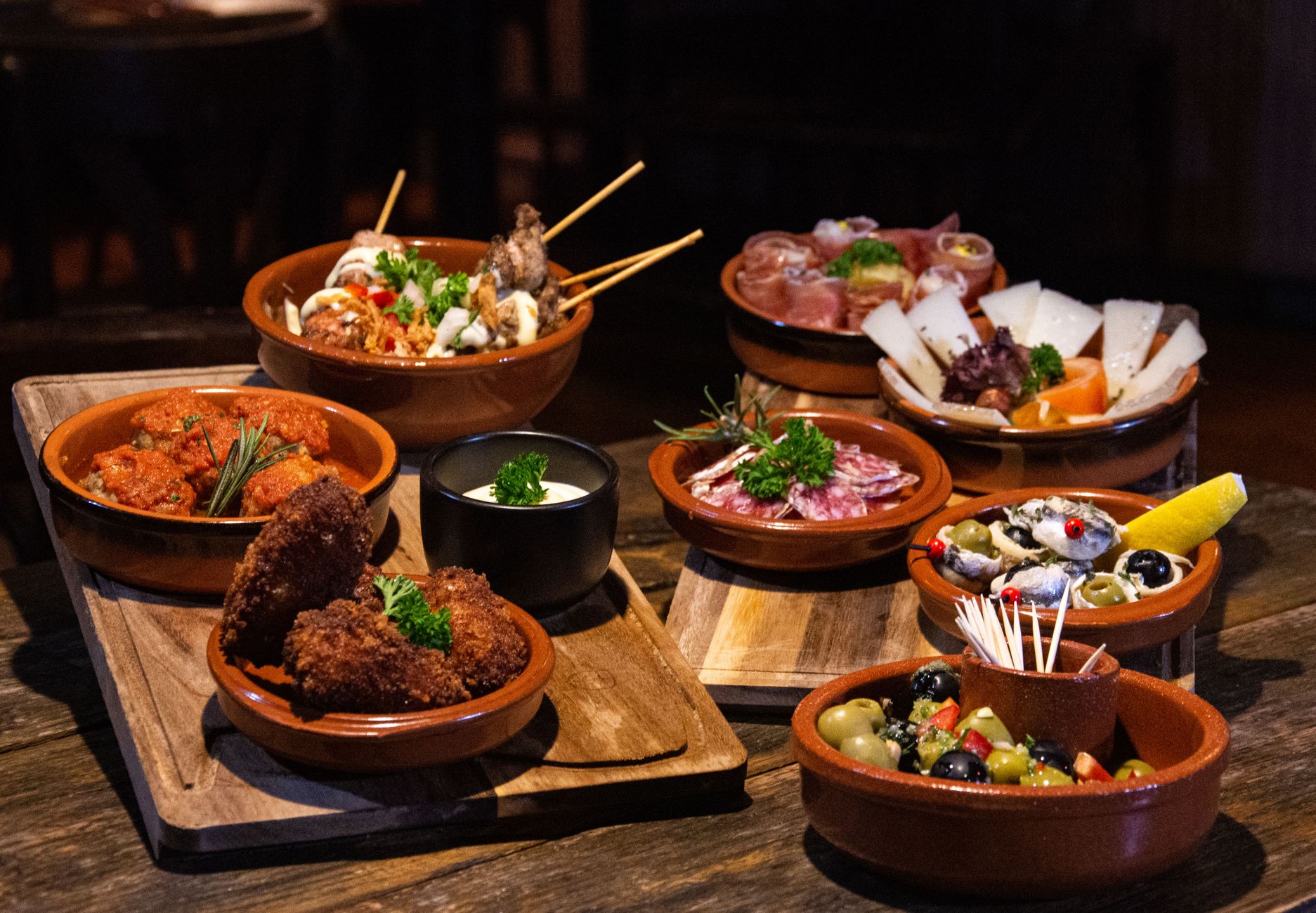
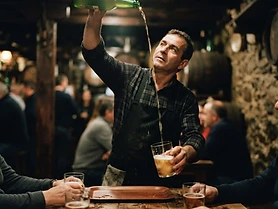
Hake, known as merluza, forms the base of the local diet, often prepared simply to highlight the fresh quality of the catch from the deep shelf. Curadillo, a traditional dish of sun-dried dogfish, remains a local specialty that dates back to historical preservation methods. Cider, or sidra, pours from height to oxygenate the fermented apple juice. Cabrales, a sharp blue cheese aged in mountain caves, finishes a meal. Asturian beans, called fabes, appear in fabada, a heavy stew cooked with chorizo and morcilla sausages to provide sustenance during the damp months.
Asturias: the whole region
Asturias fits a whole coast, a mountain range and a serious kitchen into a province you can cross in two hours. Cider poured from a height, blue cheese, working fishing ports, and the Picos de Europa standing over all of it. It rains often…
Minimum 4 days · better 7 days · deep 10-12 days

Pair It With
In Asturias




In Asturias


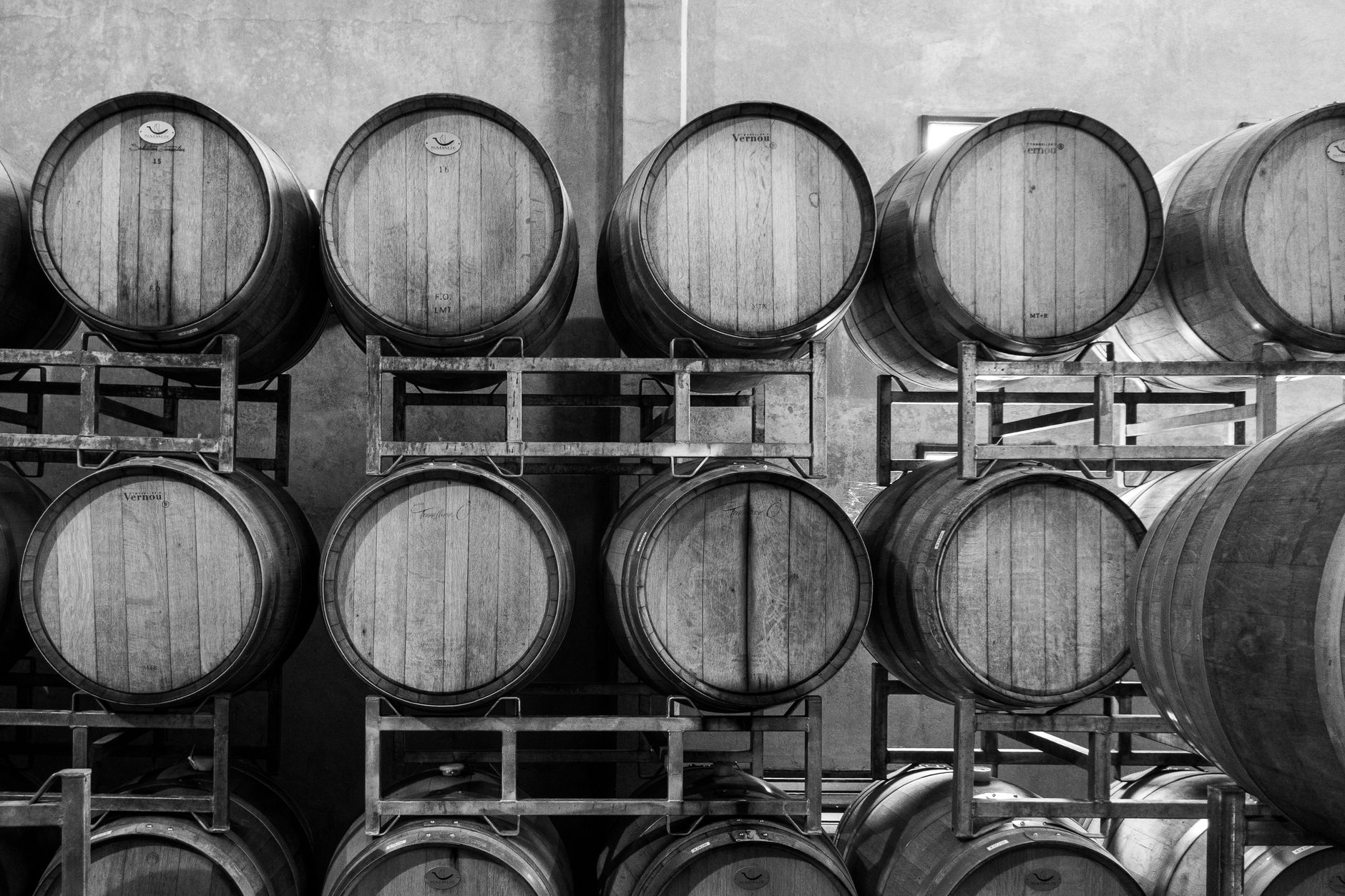
In Asturias
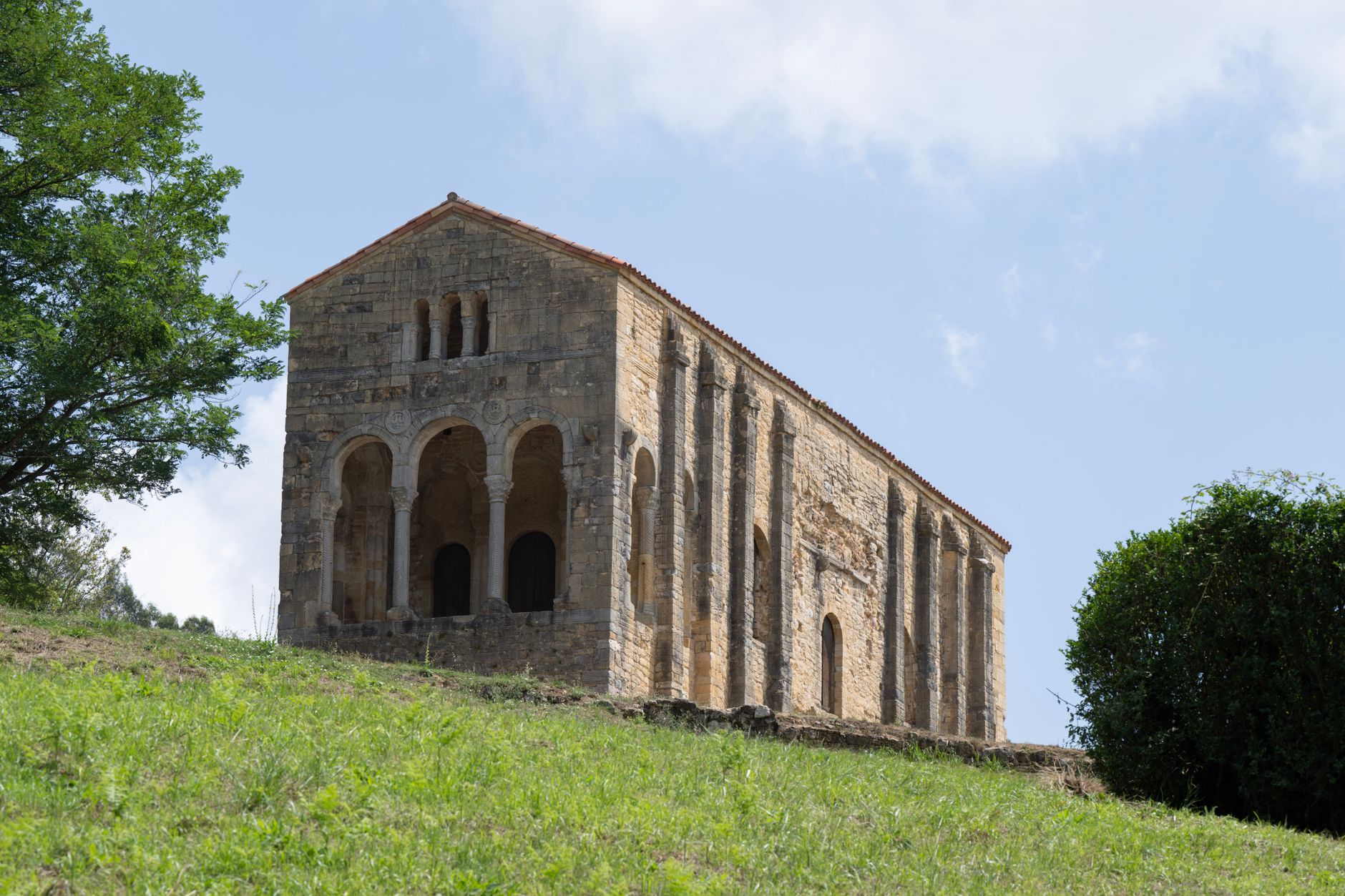


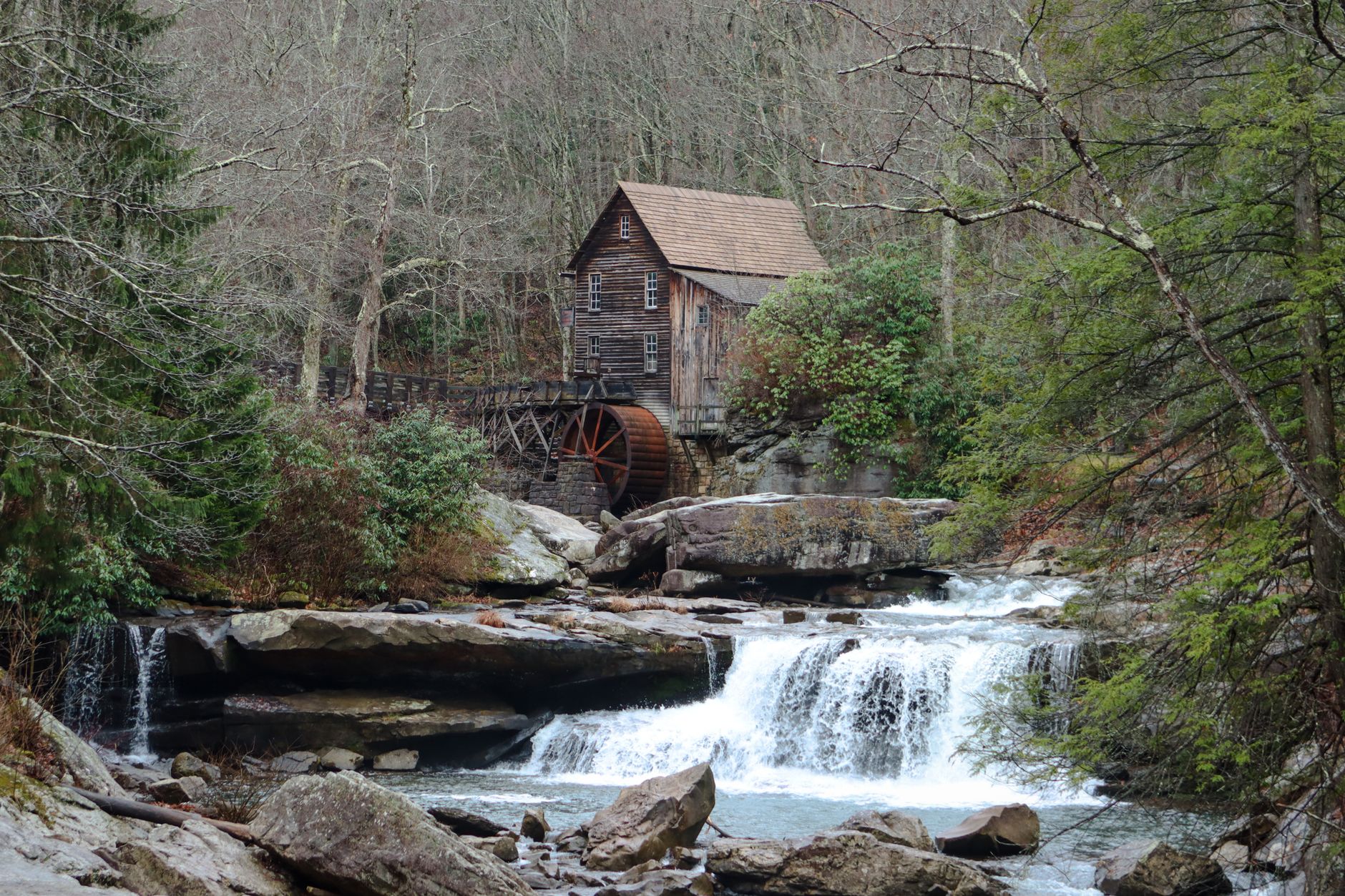


Linked from elsewhere
Entries that name this place in their own nearby lists.


Logistics are verified only. We don't publish schedules we haven't confirmed.
Experiences worth booking ahead
- José Cuervo Tequila Day Experience from Guadalajara4.8 (138)8 hrsFrom €122
- Day trip to Luarca, Cudillero and Avilés from Oviedo and Gijón4.6 (77)10 hrsFrom €25
- One day tour CUDILLERO Vidio Cape Cathedrals Beach Luarca4.9 (7)6 hrsFrom €510
- Full-Day Cudillero and Luarca Private Tour from Gijon4.8 (6)6.5 hrsFrom €1370
Spain Field Guide may earn a commission when you book through selected links. Recommendations are editorial and independent of commission.
Ready to build Cudillero into a trip?
You've found a place worth going. When you're ready to turn discovery into an itinerary, Travel Itinerary Co picks up where the Field Guide leaves off — with your saved places already in hand.
Build this into a tripContinues on Travel Itinerary Co
Spain Field Guide may earn a commission when you book through selected links. Recommendations are editorial and independent of commission.