Azafrán de La Mancha

A small jar from a named producer is worth it. The harvest itself is a two-week window in October.
Once you have seen how little one field produces, the price stops looking like a swindle.
At a Glance
- — You are in Spain outside the autumn
Saffron is the most labour-intensive crop in Spain: the flowers open for a few days in October, and each one has to be picked by hand and its three red stigmas separated the same day. La Mancha's saffron carries a protected designation, which matters because the market is full of cheaper material grown elsewhere. In the villages around Consuegra you can still see the harvest, the drying over a low heat, and the tiny quantities that make the price understandable. Buy it in sealed, dated jars from a producer rather than loose from a market stall.
How it got here
Arab agronomists introduced the crocus sativus to the Iberian Peninsula during the caliphate period. The plant found a suitable home in the dry, chalky plains of the plateau. By the Middle Ages, local cultivation settled into the rhythm of the autumn harvest. Growers preserved the techniques of hand-picking blooms and stripping stigmas under the shade of the village houses. This continuity established a reputation that outlasted the rise and fall of local feudal powers. Today, the D.O.P. Azafrán de La Mancha acts as a formal record of this centuries-old agricultural inheritance against the dilution of mass-produced alternatives from overseas.
Where it sits
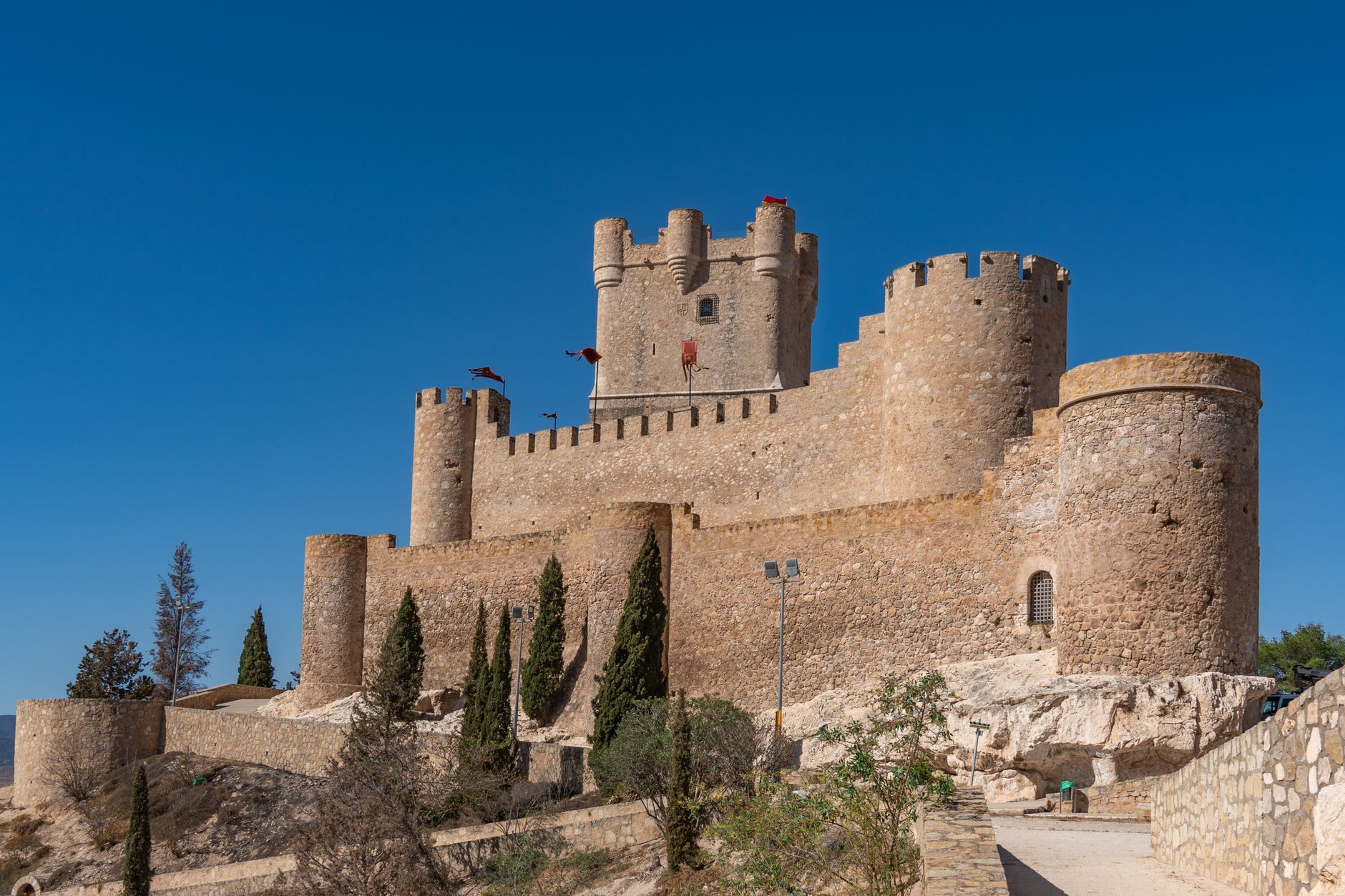
The terrain around Consuegra consists of vast, dusty plains broken by low, limestone hills. Windmills stand upon the ridges, watching over fields that turn violet for a few weeks each October. Winter brings biting cold from the plains and summer heat bakes the earth until it cracks. Roads cut straight lines through the grain fields and olive groves, connecting quiet villages that seem empty outside of the harvest cycle. Access remains simple from the north, yet the plains feel immense, isolated, and silent once the sun drops behind the horizon.
What to eat and drink
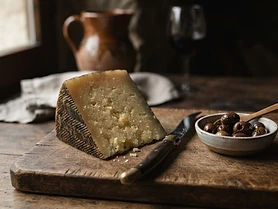
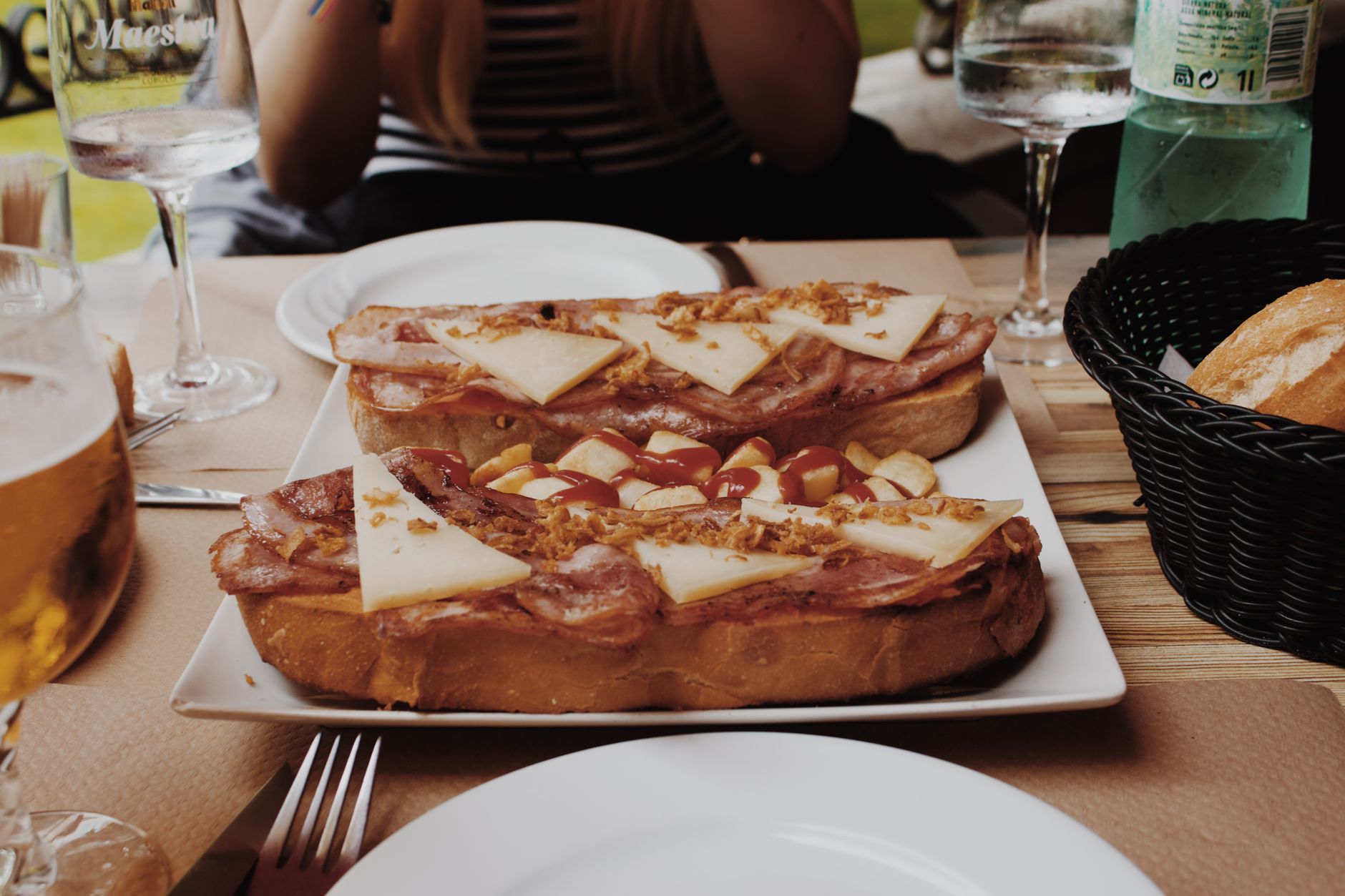
Castilian cooking relies on the austerity of the land. Pisto manchego, a slow-cooked vegetable medley of tomatoes, peppers, and zucchini, forms the foundation of local meals. Duelos y quebrantos, scrambled eggs with bacon and chorizo, provides the heavy sustenance required for the labor of the harvest. Lamb is served as caldereta, a thick stew prepared in clay pots with garlic, onions, and oil. The red wines of La Mancha, made from the Cencibel grape, possess the body to stand against the saltiness of local cheeses like Manchego, a firm sheep milk cheese with a distinct, sharp rind.
Castilla-La Mancha: the whole region
The picture-book Spain: flat horizons, windmills on ridges, and Toledo and Cuenca at either end of it, both built on such improbable ground that the towns themselves are the attraction. Toledo carries the weight of three religions and the…
Minimum 4 days · better 6-7 days · deep 10 days

Pair It With


In Castilla-La Mancha


In Castilla-La Mancha





Logistics are verified only. We don't publish schedules we haven't confirmed.
Appears In
Ready to build Azafrán de La Mancha into a trip?
You've found a place worth going. When you're ready to turn discovery into an itinerary, Travel Itinerary Co picks up where the Field Guide leaves off — with your saved places already in hand.
Build this into a tripContinues on Travel Itinerary Co
Spain Field Guide may earn a commission when you book through selected links. Recommendations are editorial and independent of commission.