Morteruelo
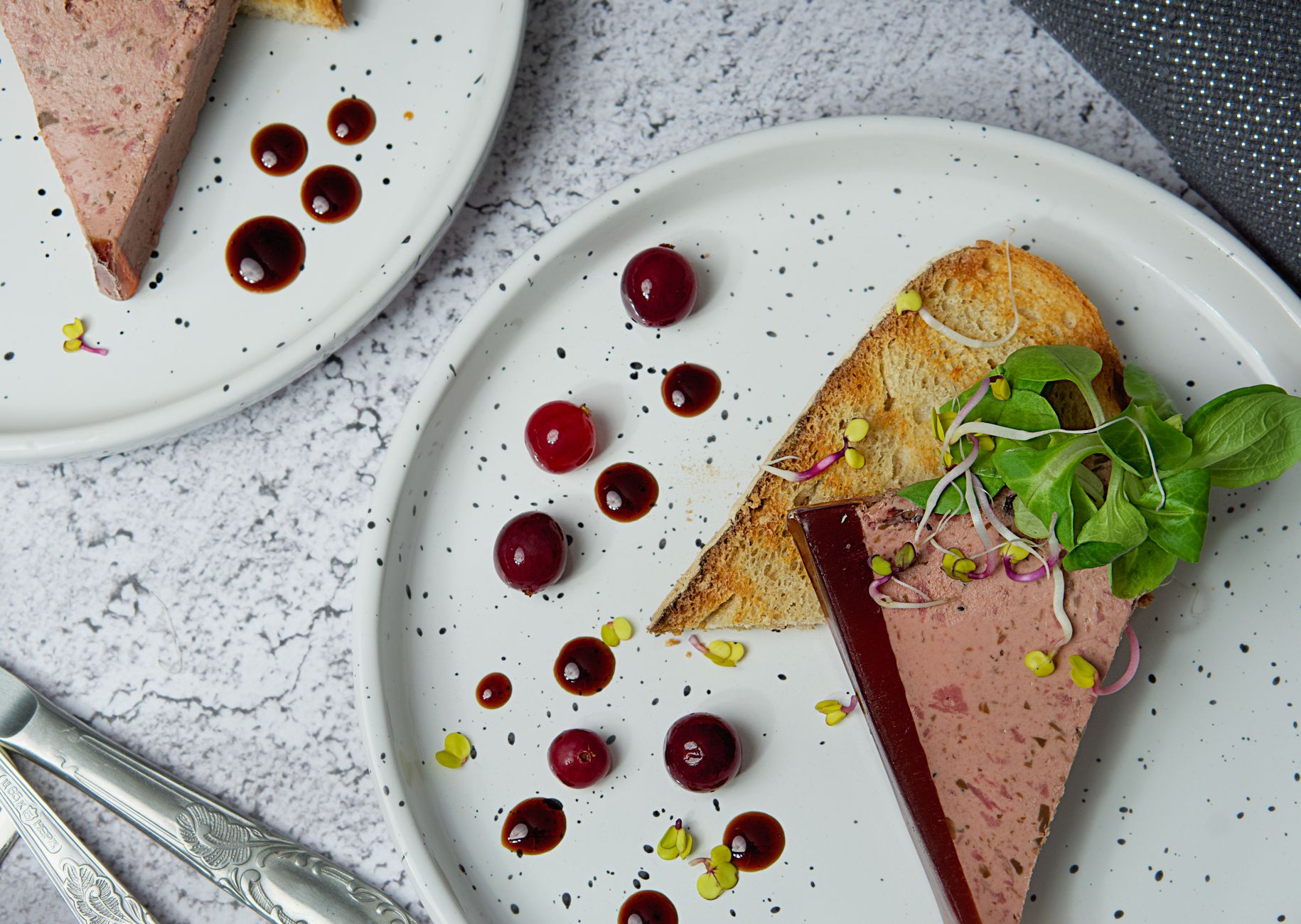
A Cuenca cold-weather specialty. Eat it in the Serranía de Cuenca in winter, with crusty bread.
Cuenca's thick, spreadable game pâté: liver (usually pork), hare, venison or game bird, cooked down with garlic, spices and fat in a clay pot for hours until spoonable. Served hot in cazuela with bread — a hill-country winter staple.
At a Glance
- — You're squeamish about game offal or pâtés
Cuenca’s winter comfort is a thick, spoonable pâté born from the mountain woods, traditionally combining pork liver, hare, or venison. Cooked for hours with breadcrumbs and spices in a clay pot, it reaches a dense, rustic consistency that warms the chest on cold, windy afternoons. It is not meant to be spread elegantly; rather, serve it steaming hot in a cazuela and scoop it up with chunks of crusty, country-style bread.
How it got here
Castilla-La Mancha evolved from the harsh borderlands between the Christian kingdoms of the north and the Al-Andalus heartlands of the south. This transition zone defined the character of its food. As shepherds moved flocks through the mountains to survive harsh winters, they relied on preserved game and livestock that could sustain them through long stretches of solitude. Morteruelo grew from these practical necessities of life in the serranía. It links directly to the medieval practice of making thrifty, nutrient-dense pastes from scraps of mountain game. These techniques persist because they prioritize survival and caloric density over aesthetic presentation, maintaining the raw, unadorned reality of the high plateau.
Where it sits
The serranía de Cuenca occupies a rugged, limestone landscape defined by deep gorges and high plateaus. The terrain rises sharply, stripped of dense vegetation by centuries of wind and snow. Roads here twist through narrow mountain passes that remain prone to closures during winter storms. In summer, the light turns harsh and the air grows dry, but the elevation keeps temperatures moderate. Villages cling to the edges of cliffs or sit exposed on the rolling steppe, existing in isolation from the flatter plains of the lower reaches. It is a quiet, sparse country where the scale of the earth dwarfs the small stone settlements.
What to eat and drink
Morteruelo acts as the primary seasonal staple, a heavy paste of liver and game that provides warmth against the biting cold. Hunters traditionally brought hare, partridge, and venison to the kitchen, where they were reduced into a coarse, spreadable consistency. Ajoarriero, a cold emulsion of salt cod, garlic, oil, and bread, often appears on the same table. Diners pair these dishes with the bold red wines produced in the nearby vineyards of La Mancha, which provide the tannins necessary to cut through the heavy fat and gamey intensity of the mountain diet.
Castilla-La Mancha: the whole region
The picture-book Spain: flat horizons, windmills on ridges, and Toledo and Cuenca at either end of it, both built on such improbable ground that the towns themselves are the attraction. Toledo carries the weight of three religions and the…
Minimum 4 days · better 6-7 days · deep 10 days

Pair It With


In Castilla-La Mancha



In Castilla-La Mancha






Logistics are verified only. We don't publish schedules we haven't confirmed.
Ready to build Morteruelo into a trip?
You've found a place worth going. When you're ready to turn discovery into an itinerary, Travel Itinerary Co picks up where the Field Guide leaves off — with your saved places already in hand.
Build this into a tripContinues on Travel Itinerary Co
Spain Field Guide may earn a commission when you book through selected links. Recommendations are editorial and independent of commission.