Belmonte Castle
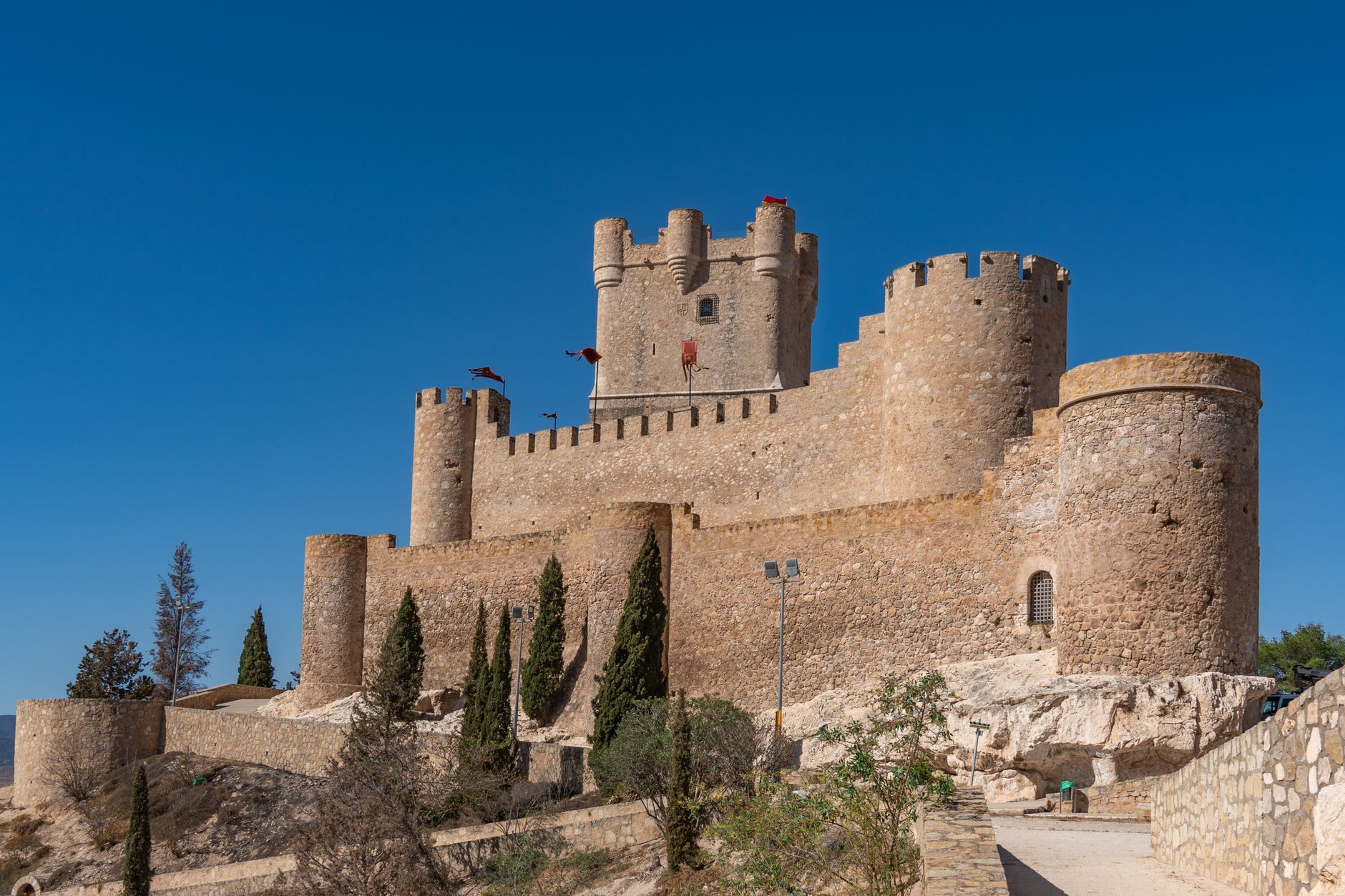
A serious castle for serious castle people. The interiors are furnished to period; the view from the keep sweeps across La Mancha.
A 15th-century Gothic-Mudejar castle on a hill outside Belmonte, restored with film-set precision (El Cid and others shot here). One of the most complete castles in Spain.
At a Glance
- — You're not doing a La Mancha castle loop
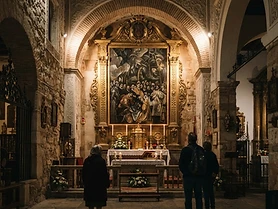
Perched on a strategic hill, this 15th-century stronghold is a fortress of sharp angles and defensive walls, restored with such fidelity that it feels as though the inhabitants only recently departed. The interiors, furnished in a somber, regal style, echo with the footsteps of those who walked these stone floors during the height of the medieval court. From the battlements, the view extends across the sweeping, flat plains of La Mancha, offering a vantage point that once kept watch over the movements of kings and armies alike.
How it got here
Don Juan Pacheco, the first Marquis of Villena, commissioned this structure in 1456 atop the hill of San Cristóbal. The layout follows a hexagonal floor plan, unusual for the era, with towers and internal courtyards designed for the defensive needs of fifteenth-century noble feuds. After centuries of neglect and shifts in ownership among the house of Osuna, the building fell into decay. Extensive restoration efforts began in the twentieth century, bringing the plasterwork and wood carvings back to their form under the Castilian court. The site stands as a testament to the power of the high nobility of the late Middle Ages in the kingdom of Castile.
Where it sits
The castle commands a view over the plains of La Mancha, a landscape of cereal fields and low plateaus where the horizon stretches flat and wide. Summer heat parches the dry soil while winter brings sharp winds across the open ground. This southern part of the province of Cuenca relies on agriculture and small-scale livestock farming. Reaching the town requires navigating the quiet roads that cross the interior of the Iberian Peninsula. The atmosphere stays quiet throughout the year as the local population focuses on the rhythms of the harvest and the changing light on the plains.
What to eat and drink
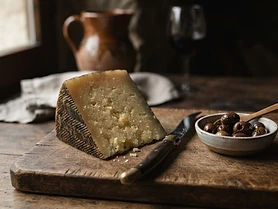
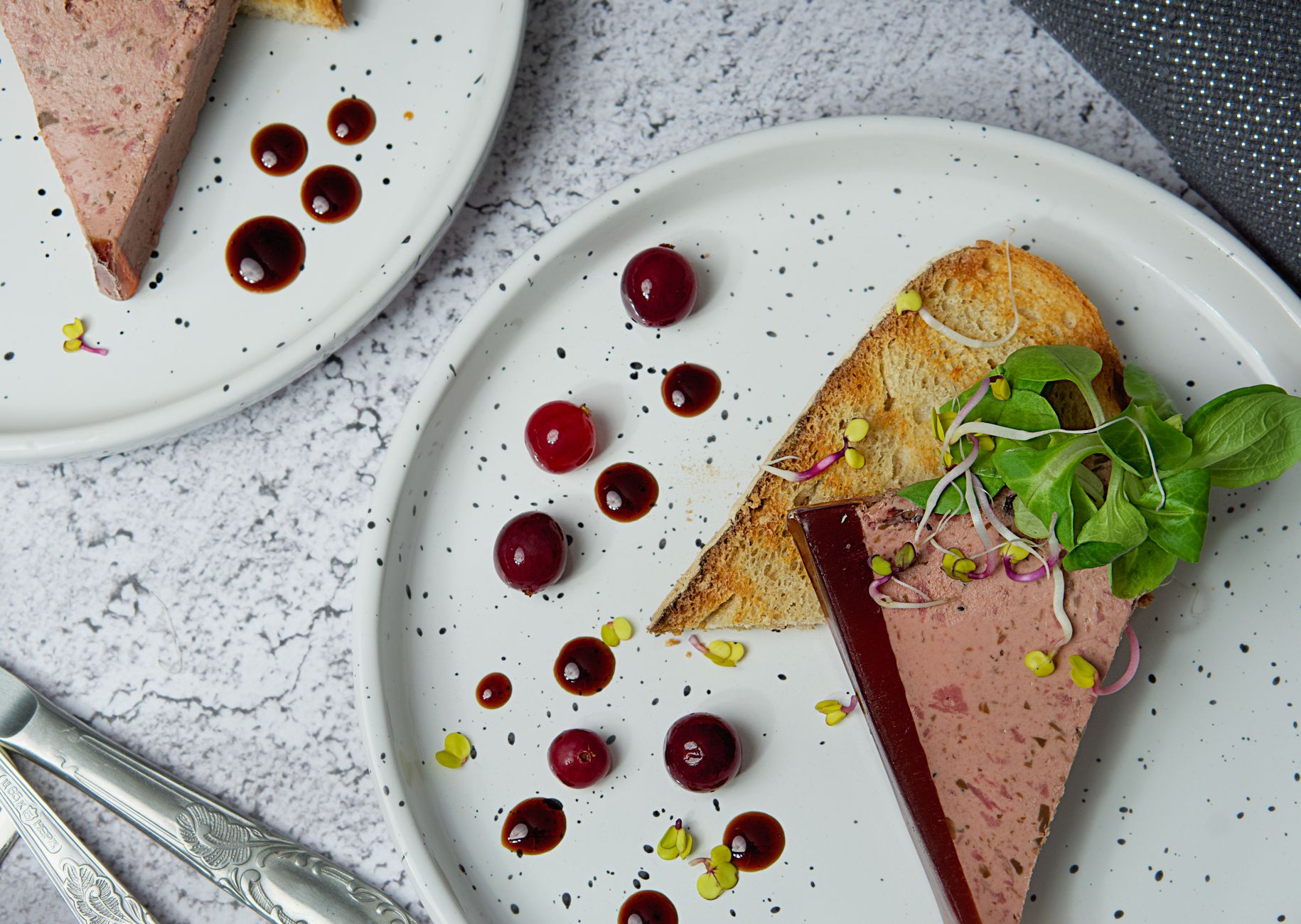
The culinary traditions of the surrounding countryside revolve around the bounty of the fields and the game of the forests. Morteruelo, a thick liver pâté cooked with breadcrumbs and spices, provides a hearty meal for cold weather. Ajo arriero, a mixture of cod, potato, garlic, and oil, defines the local approach to salt cod. The province provides high quality Manchego cheese, produced from the milk of the local breed of sheep. Diners typically pair these dishes with red wines produced from the vines that grow across the nearby plains where the climate remains dry and the summers stay intense.
Castilla-La Mancha: the whole region
The picture-book Spain: flat horizons, windmills on ridges, and Toledo and Cuenca at either end of it, both built on such improbable ground that the towns themselves are the attraction. Toledo carries the weight of three religions and the…
Minimum 4 days · better 6-7 days · deep 10 days

Pair It With


In Castilla-La Mancha




In Castilla-La Mancha




Logistics are verified only. We don't publish schedules we haven't confirmed.
Appears In
Ready to build Belmonte Castle into a trip?
You've found a place worth going. When you're ready to turn discovery into an itinerary, Travel Itinerary Co picks up where the Field Guide leaves off — with your saved places already in hand.
Build this into a tripContinues on Travel Itinerary Co
Spain Field Guide may earn a commission when you book through selected links. Recommendations are editorial and independent of commission.