Duelos y Quebrantos

A Toledano breakfast dish from the pages of Don Quixote. Find a traditional taberna that still makes it; many no longer do.
La Mancha's literary dish (named in Don Quixote): a scramble of eggs, lamb brains, chorizo and lard, once the shepherds' breakfast. Rich, soft and unsettling to modern eyes, deeply Castilian.
At a Glance
- — You don't eat lamb brains or pork
A dish immortalized in the pages of Don Quixote, this historic breakfast scramble combines eggs with lamb brains, chorizo, and lard. It is a rich, assertive meal that was once the primary sustenance for shepherds braving the Castilian plains. While increasingly rare, finding a traditional Toledano taberna that still prepares it is a culinary encounter with the raw, medieval roots of the region.
How it got here
Miguel de Cervantes documented this dish in the first chapter of Don Quixote as the Saturday fare of an impoverished hidalgo. It belongs to the tradition of simple, high-calorie meals necessary for laborers and those traveling the high plains of La Mancha. The inclusion of pork lard and chorizo provides the fat content required for endurance during long hours in the field. This preparation demonstrates the historical reliance on animal organs and secondary cuts that define the rural diet of the Castilian interior. While urban menus now favor modern adaptations, the original recipe persists as a link to the subsistence farming practices that shaped the social structure of the province.
Where it sits
The terrain of La Mancha consists of vast, high plateaus broken by low rolling hills and extensive cereal fields. Sunlight is harsh, and the landscape stretches toward a flat horizon where sparse vegetation struggles against the extremes of summer heat and winter frost. Access remains dependent on the network of roads connecting small agricultural towns across the plains. These settlements stay quiet during the midday sun, yet the pace of life follows the cycles of the harvest and the movement of livestock through the open fields that define the interior of the Spanish peninsula.
What to eat and drink
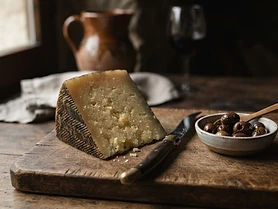
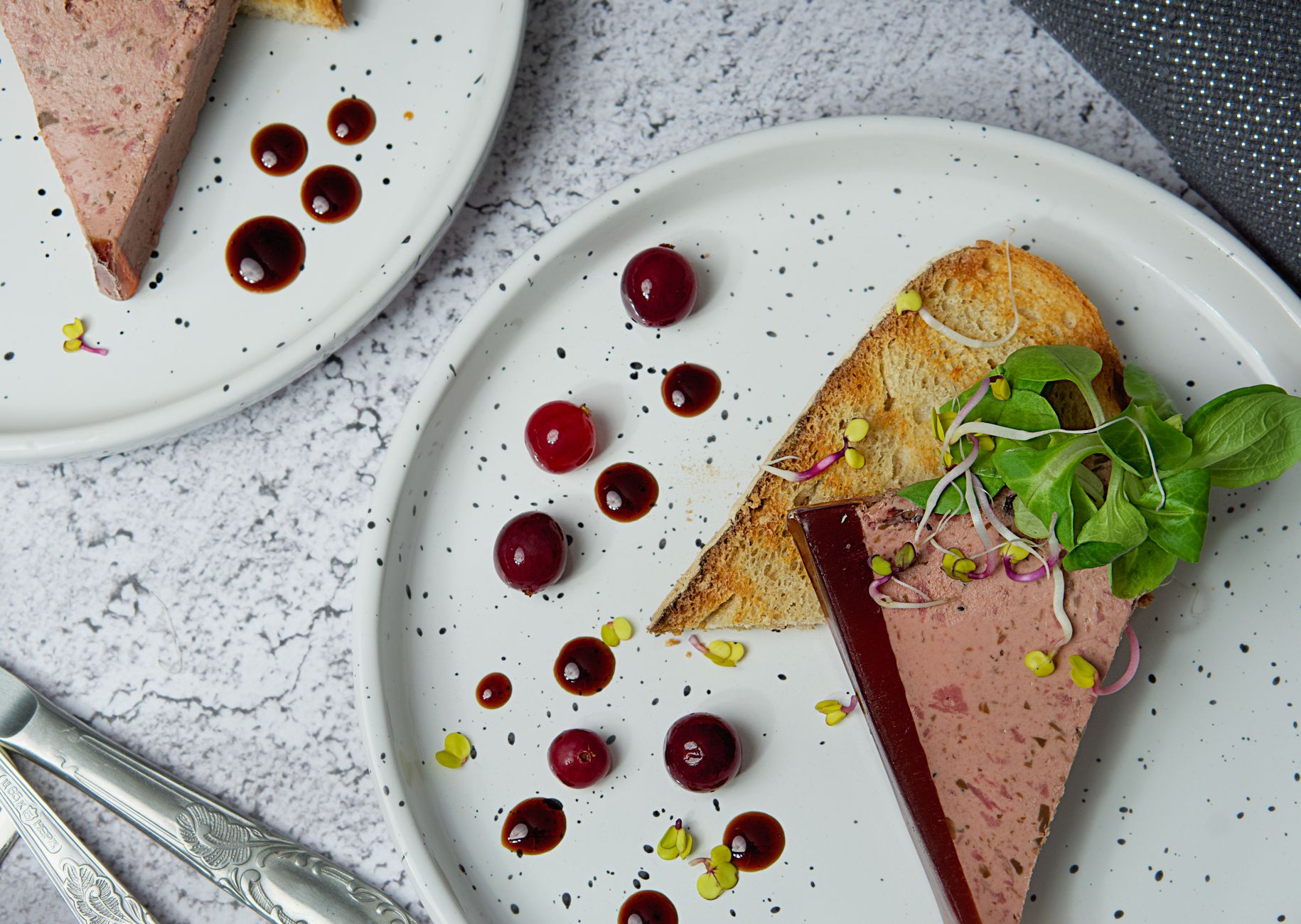
The standard diet relies on local staples like game, legumes, and pork products. Pisto manchego, a thick stew of tomatoes, peppers, and zucchini cooked in olive oil, provides a contrast to the density of egg-based dishes. Morteruelo, a warm pâté made from liver and game birds, persists in the eastern parts of the region as a staple of peasant cooking. These plates pair with the red wines of the plains, primarily produced from Tempranillo and Garnacha grapes. Meals frequently conclude with queso manchego, a firm sheep milk cheese that matures in the dry, continental climate of the surrounding provinces.
Castilla-La Mancha: the whole region
The picture-book Spain: flat horizons, windmills on ridges, and Toledo and Cuenca at either end of it, both built on such improbable ground that the towns themselves are the attraction. Toledo carries the weight of three religions and the…
Minimum 4 days · better 6-7 days · deep 10 days

Pair It With



In Castilla-La Mancha

In Castilla-La Mancha






Logistics are verified only. We don't publish schedules we haven't confirmed.
Ready to build Duelos y Quebrantos into a trip?
You've found a place worth going. When you're ready to turn discovery into an itinerary, Travel Itinerary Co picks up where the Field Guide leaves off — with your saved places already in hand.
Build this into a tripContinues on Travel Itinerary Co
Spain Field Guide may earn a commission when you book through selected links. Recommendations are editorial and independent of commission.