Cuenca

The hanging houses (casas colgadas) over a river gorge are genuinely striking, and the old town clings to a cliff edge.
At a Glance
- — You're not driving between Madrid and Valencia
Stone dwellings seem to defy physics here, clinging precariously to the jagged edges of a deep, forested gorge. This gravity-defying settlement forces you to crane your neck upward to appreciate how the architecture grips the cliffside above the river. It makes for a dramatic, singular overnight stop, offering a stark contrast to the flat plains of the surrounding Castilla-La Mancha countryside.
How it got here
Islamic authorities established the fortress of Kunka in the eighth century atop a rocky spur between the Júcar and Huécar rivers. Following the Christian conquest in 1177 by Alfonso VIII of Castile, the city gained importance as an episcopal see and a center for textile production. The layout of the old town stems from this medieval period when narrow alleys and houses crowded the cliff edges to optimize limited space. Today the architecture underscores the defensive necessity of the terrain while the presence of the cathedral indicates its former status as a critical outpost in the Castilian Reconquista.
Where it sits
The city rises abruptly from the limestone plateaus of the Serranía de Cuenca. Erosion carved deep, vertical canyons into the soft rock, forcing the town to build upward rather than outward. Reaching the old quarter involves ascending sharp inclines from the modern valley floor. The climate brings cold, snowy winters due to the high elevation and dry, hot summers that contrast with the cooler shaded depths of the river gorges. Pine forests cover the surrounding highlands, creating a sharp divide between the rugged mountain landscape and the expansive grain fields of the lower plains.
What to eat and drink
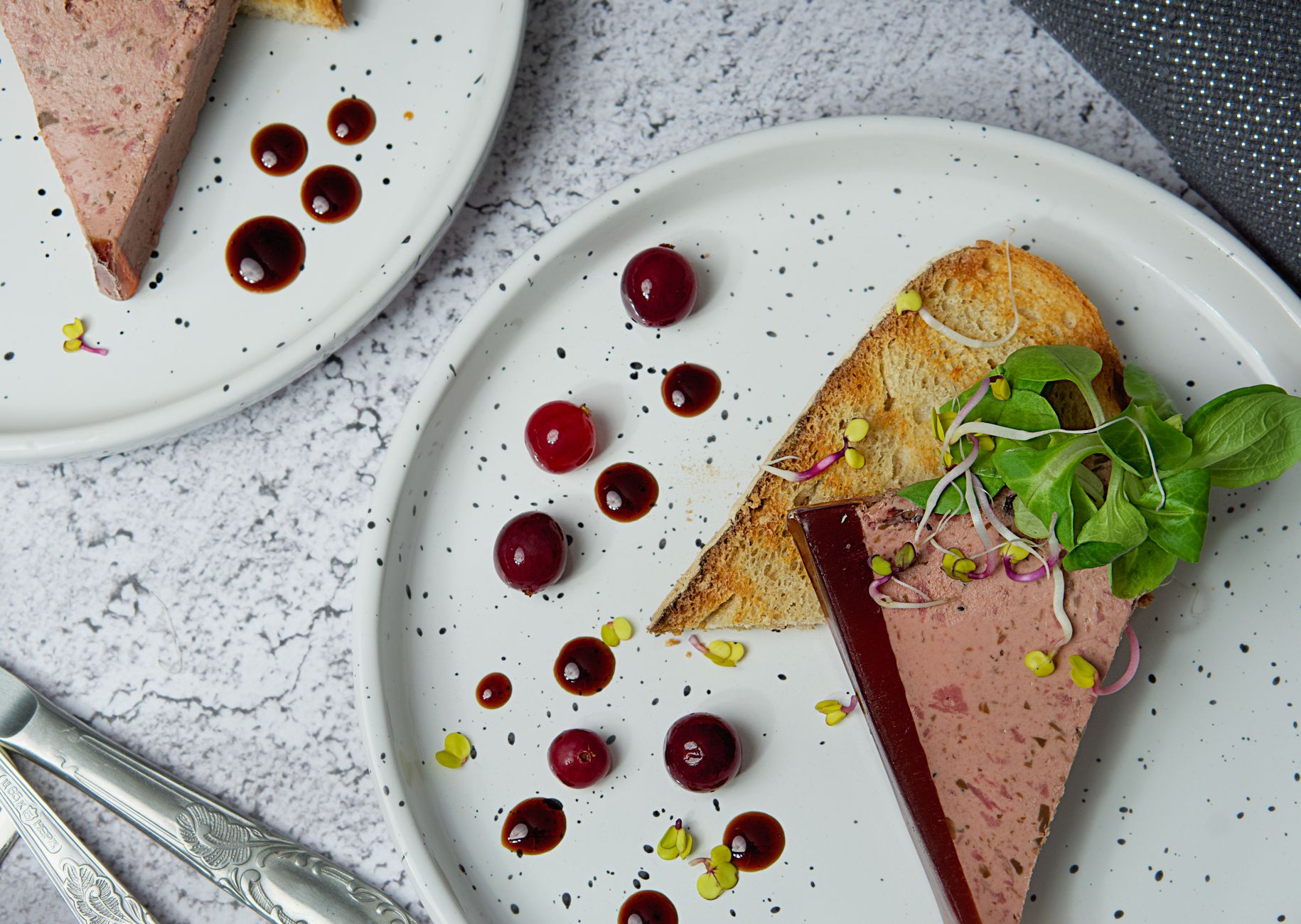
Morteruelo acts as the signature dish, a heavy, warm liver paté made from game meats like hare, partridge, and pork, spiced with herbs and thickened with breadcrumbs. Ajoarriero, a cold emulsion of salt cod, potatoes, olive oil, and garlic, provides a stark, sharp alternative. Alajú, a dense sweet of Moorish origin, combines honey, almonds, and breadcrumbs pressed into thin wafers. Local meals conclude with Resoli, a potent coffee-based liqueur flavored with cinnamon, orange peel, and anise, typically served in decorative bottles.
Castilla-La Mancha: the whole region
The picture-book Spain: flat horizons, windmills on ridges, and Toledo and Cuenca at either end of it, both built on such improbable ground that the towns themselves are the attraction. Toledo carries the weight of three religions and the…
Minimum 4 days · better 6-7 days · deep 10 days
What's Nearby



Pair It With


In Castilla-La Mancha




In Castilla-La Mancha






Linked from elsewhere
Entries that name this place in their own nearby lists.


Logistics are verified only. We don't publish schedules we haven't confirmed.
Appears In
Experiences worth booking ahead
Spain Field Guide may earn a commission when you book through selected links. Recommendations are editorial and independent of commission.
Ready to build Cuenca into a trip?
You've found a place worth going. When you're ready to turn discovery into an itinerary, Travel Itinerary Co picks up where the Field Guide leaves off — with your saved places already in hand.
Build this into a tripContinues on Travel Itinerary Co
Spain Field Guide may earn a commission when you book through selected links. Recommendations are editorial and independent of commission.