Cala Mitjana

One of Menorca's best coves, and the short hike in keeps it from getting fully overrun.
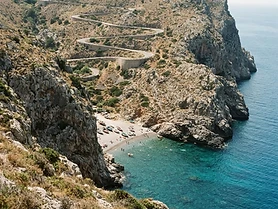
Pine woods drop straight to turquoise water in a narrow inlet, with cliffs on either side making it feel more remote than it is.
At a Glance
- — you need beachfront parking
- — large groups
- — facilities on-site
Pine woods drop straight to turquoise water in this narrow Menorcan inlet, where limestone cliffs on either side create a feeling of total seclusion. Reached by a short, dusty hike from the nearest parking area, the trek keeps the summer crowds at a manageable distance. It remains one of the finest coves on the south coast, where the pale stone meets water so clear it seems to hold no depth at all.
How it got here
Menorca served as a strategic maritime base for centuries, with its deep natural harbors attracting Phoenician, Carthaginian, and Roman occupiers. The island economy relied on agriculture and pastoralism for generations, far from the mainland trade routes. British control during the eighteenth century altered the administrative landscape, leaving a lingering architectural legacy in the nearby capital. The limestone terrain of this southern coast prevented extensive development, leaving the coastline largely untouched by the tourism booms that transformed the Mediterranean elsewhere. The silence of these coves today stems from a long history of maritime isolation where the land provided enough to sustain small populations through limestone quarrying and traditional seasonal farming.
Where it sits
The southern coast of Menorca consists of deep, narrow barrancos that cut through flat limestone plateaus to reach the sea. These riverbeds form sheltered inlets where the scrub forest meets the tide. Footpaths carved into the rock lead through dense pine and wild olive trees toward the water. Summer heat bakes the exposed white stone, while winter rains fill the dry channels. The cove fills with people who arrive on foot from the road, yet the lack of infrastructure keeps the shoreline quiet. High cliffs provide shade during the afternoon hours, even as the sun intensifies the blue of the shallow water.
What to eat and drink
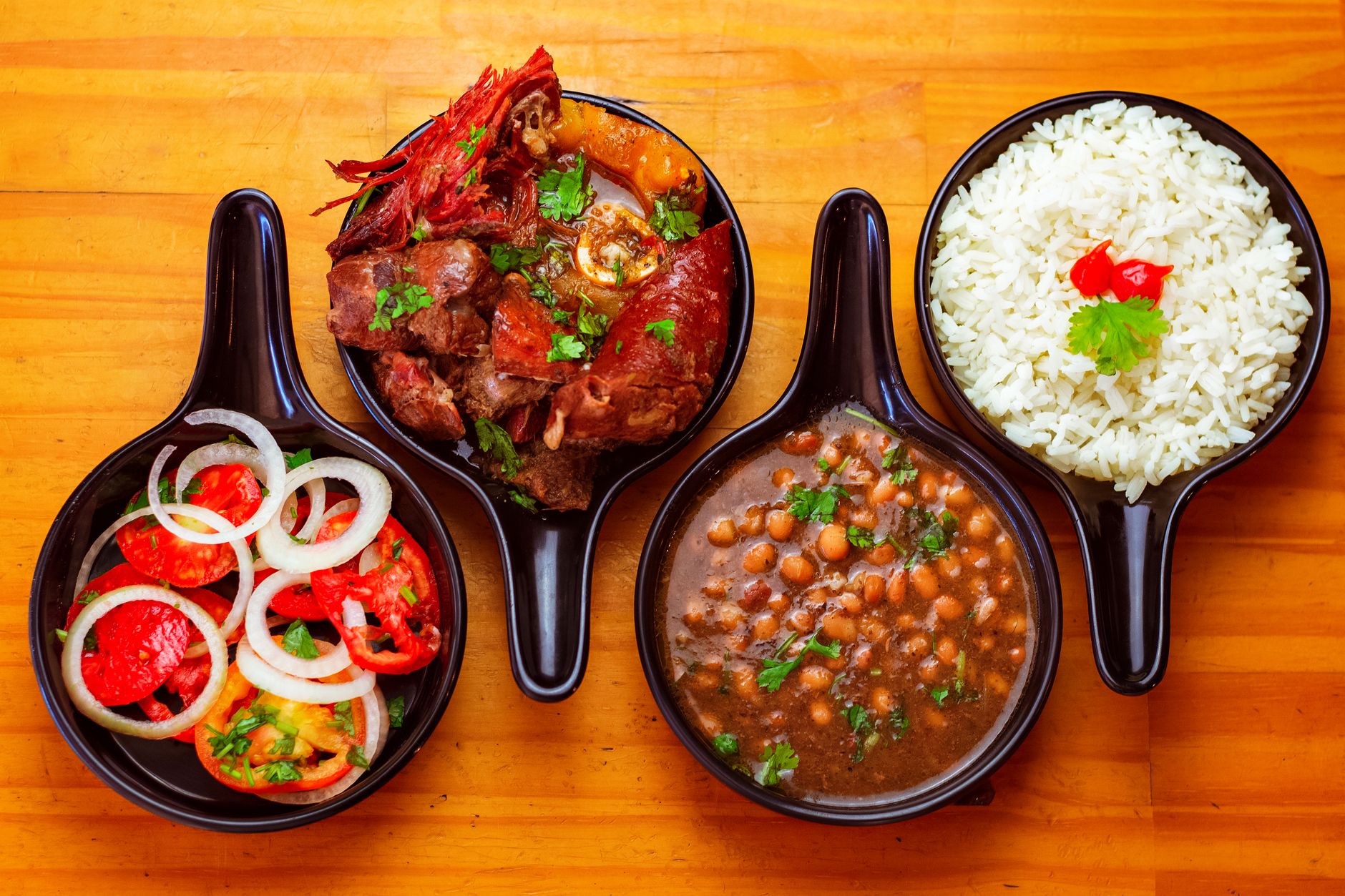
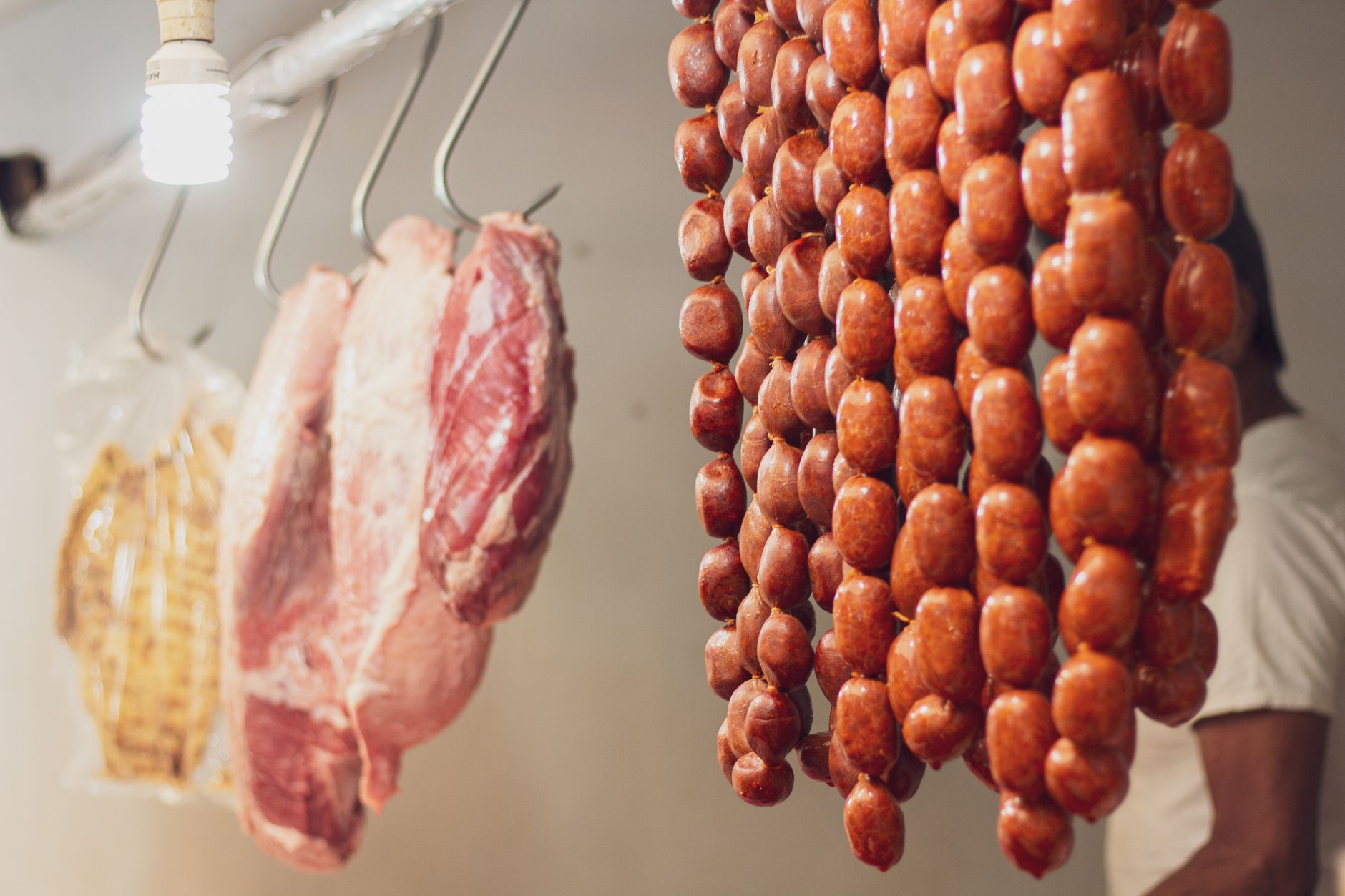
The cooking of Menorca leans heavily on the sea and the small-scale produce of its fields. Caldereta de llagosta, a rich stew made with spiny lobster, garlic, onions, and tomatoes, sits at the center of the local diet. Sobrassada, a raw, cured sausage made from ground pork, paprika, and salt, provides a sharp, fatty flavor often spread on bread. Local cheese, Queso de Mahón, comes from cow milk and develops a firm, salty crust during its aging process in sea air. Gin Xoriguer, distilled from wine alcohol and juniper berries, serves as the standard spirit, often mixed with lemonade for a pomada.
Balearic Islands: the whole region
Four islands doing four different jobs: Mallorca, big enough to hold mountains, a serious city and quiet corners; Menorca, the calmest, with the best coves; Ibiza, which is two places — the clubs and a rural north almost nobody…
Minimum 5 days · better 10 days · deep 2 weeks

In Balearic Islands


In Balearic Islands









Logistics are verified only. We don't publish schedules we haven't confirmed.
Experiences worth booking ahead
Spain Field Guide may earn a commission when you book through selected links. Recommendations are editorial and independent of commission.
Ready to build Cala Mitjana into a trip?
You've found a place worth going. When you're ready to turn discovery into an itinerary, Travel Itinerary Co picks up where the Field Guide leaves off — with your saved places already in hand.
Build this into a tripContinues on Travel Itinerary Co
Spain Field Guide may earn a commission when you book through selected links. Recommendations are editorial and independent of commission.