Royal Palace of La Almudaina

Pair with the cathedral (combined ticket). The Gothic halls and the tapestries are the visit. 45 minutes is enough.
An Arab-era palace turned Gothic royal residence, right beside the cathedral — the official summer palace of the Spanish royal family, open to the public.
Palma Cathedral (La Seu) · Es Baluard Museu · Castell de Bellver
At a Glance
- — You did the cathedral next door and are palaced-out
Standing sentinel right beside the cathedral, this former Arab-era fortress transitioned into a Gothic royal residence with heavy, stone-arched halls and grand, decorative tapestries. It serves as the official summer home of the Spanish royal family, echoing with the weight of centuries of crown history. A quick forty-five-minute tour is sufficient to appreciate the intricate vaulting and the stark transition from Islamic origins to Christian royal interiors.
How it got here
Foundations trace to the Roman period but the site holds its form from the tenth-century Muslim occupation of Mallorca. The fortress served as a residence for the Walis who governed the island under the Caliphate of Córdoba. After Jaume I took the city in 1229, the structure transitioned to a royal palace for the monarchs of the Kingdom of Mallorca. Successive centuries of Christian rule overlaid Gothic elements upon the earlier Islamic base. The residence documents the shifting control of the Balearic archipelago as power migrated from the taifa kingdoms to the northern peninsular crowns during the long Reconquista.
Where it sits
The palace commands the limestone cliffs overlooking the Bay of Palma. It occupies the transition between the harbor and the dense stone streets of the old city. Sea breezes cool the courtyard throughout the summer months when the southern heat reflects off the white cathedral stone nearby. The port remains the primary gateway for arrivals from the mainland while the surrounding countryside consists of terraced hills planted with almond and olive trees. Crowds gather along the waterfront during the tourist season, but the high walls of the royal complex provide a quiet break from the port activity.
What to eat and drink
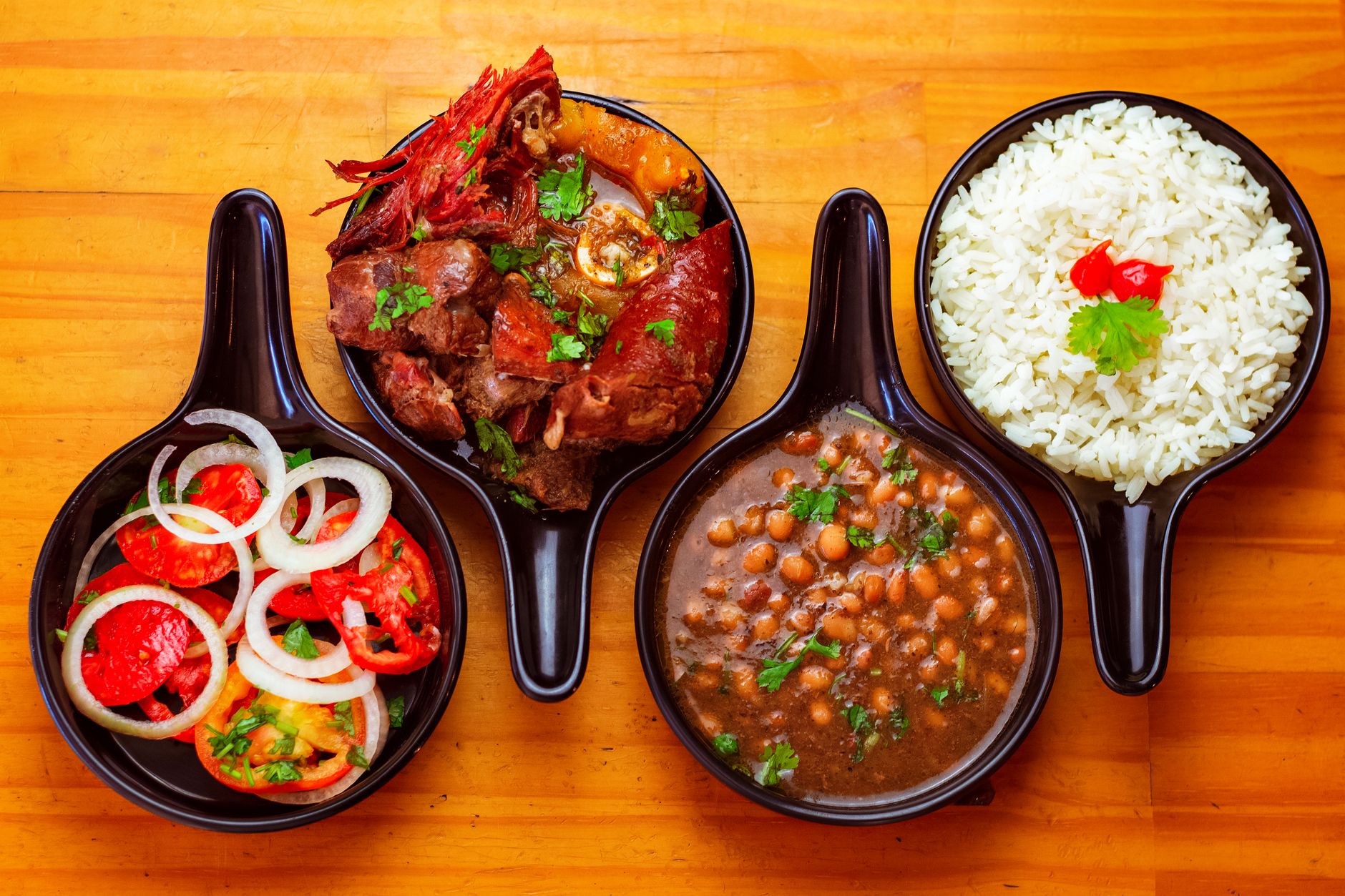
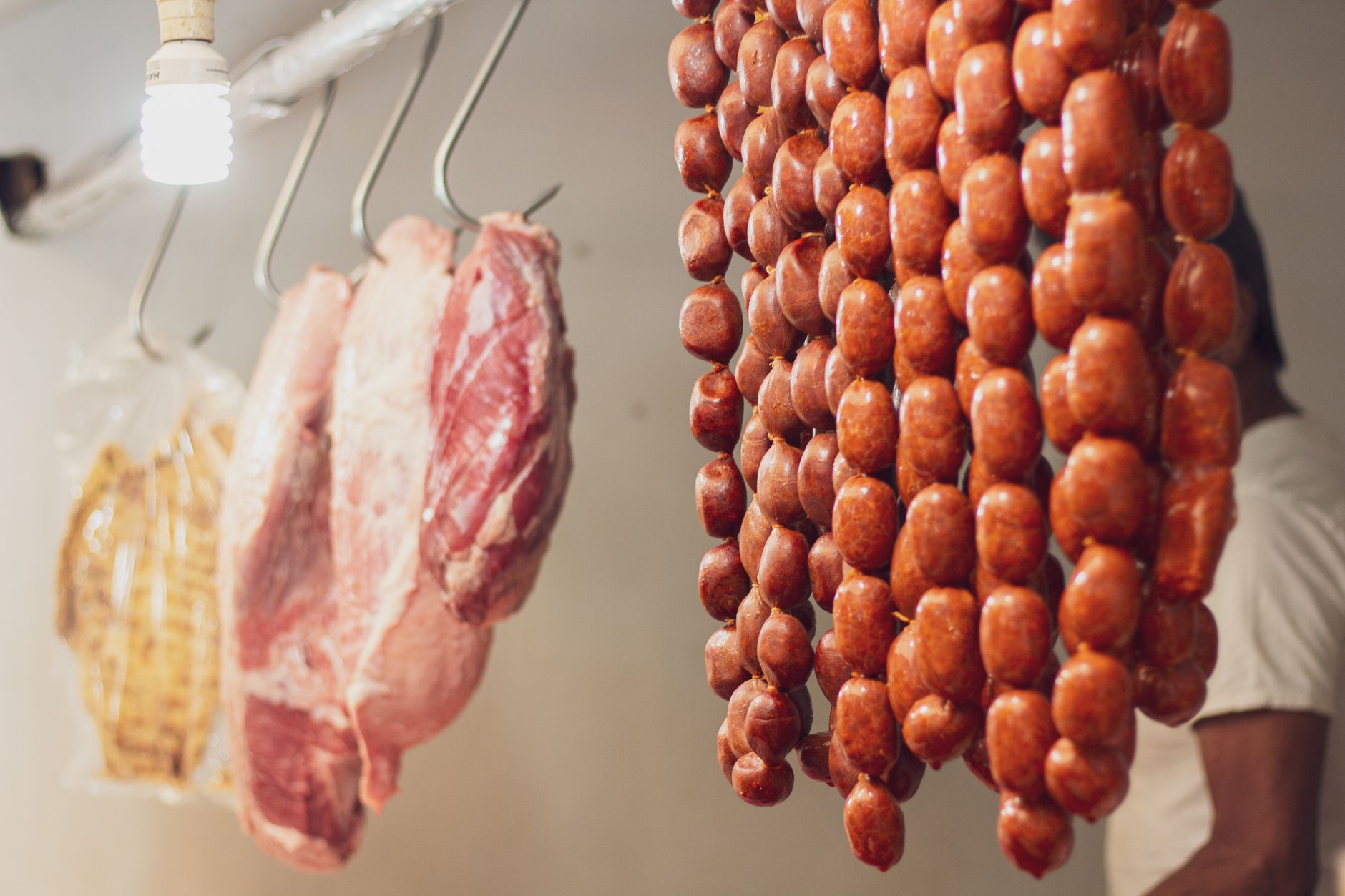
Palma food relies on the produce of the island interior and the bounty of the Mediterranean. Sobrassada, a raw cured sausage made from ground pork and paprika, serves as a staple on slices of toasted country bread. Ensaimada, a spiral pastry lightened with pork lard, pairs with strong coffee in the morning hours. Seafood dominates the kitchens near the water, particularly frito mallorquín, a mixture of liver, peppers, potatoes, and fennel fried in olive oil. Crisp, dry white wines produced in the Binissalem area provide the necessary acidity to balance these dense, oil-rich traditional plates.
Balearic Islands: the whole region
Four islands doing four different jobs: Mallorca, big enough to hold mountains, a serious city and quiet corners; Menorca, the calmest, with the best coves; Ibiza, which is two places — the clubs and a rural north almost nobody…
Minimum 5 days · better 10 days · deep 2 weeks
Pair It With


In Balearic Islands


In Balearic Islands









Logistics are verified only. We don't publish schedules we haven't confirmed.
Experiences worth booking ahead
Spain Field Guide may earn a commission when you book through selected links. Recommendations are editorial and independent of commission.
Ready to build Royal Palace of La Almudaina into a trip?
You've found a place worth going. When you're ready to turn discovery into an itinerary, Travel Itinerary Co picks up where the Field Guide leaves off — with your saved places already in hand.
Build this into a tripContinues on Travel Itinerary Co
Spain Field Guide may earn a commission when you book through selected links. Recommendations are editorial and independent of commission.