Es Trenc

Mallorca's best sand, and one of the few Balearic beaches that lives up to the 'Caribbean' comparisons thrown at it.
Long stretches of pale sand and shallow turquoise water sit inside a protected natural area with no high-rise development in sight.
At a Glance
- — you want quiet in peak season
- — shade seekers without umbrellas
- — budget beach bars
A long, protected stretch of pale, fine sand gives way to shallow, crystalline turquoise water, creating the closest thing to a Caribbean beach in the Balearic Islands. The area remains entirely free of high-rise hotels or commercial sprawl, preserved as a natural sanctuary with dune-backed views. It is a rare, pristine corner of Mallorca that lives up to its reputation for sheer, untainted color and calm.
How it got here
Mallorca shifted between various Mediterranean powers for centuries, though this southern coastline stayed largely pastoral due to its vulnerability to North African corsair raids. Defensive towers built across the island during the sixteenth century provided warnings of incoming naval threats, yet the low dunes here left few opportunities for fortification. Farmers harvested salt from the nearby Ses Salines flats since the Roman era, maintaining the industry as a vital economic pillar for the Migjorn district. These salt pans defined the landscape long before tourism changed the island, ensuring the coastal strip avoided the dense building projects that transformed northern beach towns during the mid-twentieth century.
Where it sits
The beach stretches along the flat southern plains of Mallorca where scrub pine and dune grass hold the shifting white sand in place. High summer brings crowds from nearby villages and Palma, filling the sand with umbrellas and towels until the sun drops behind the horizon. Autumn winds turn the water choppy and empty the shoreline of visitors, leaving the salt marshes and limestone shelf to the migratory birds moving toward the African coast. Access follows narrow, winding rural tracks that cut through fields of dry grain, keeping the shoreline distant from the main road network that connects the island interior.
What to eat and drink
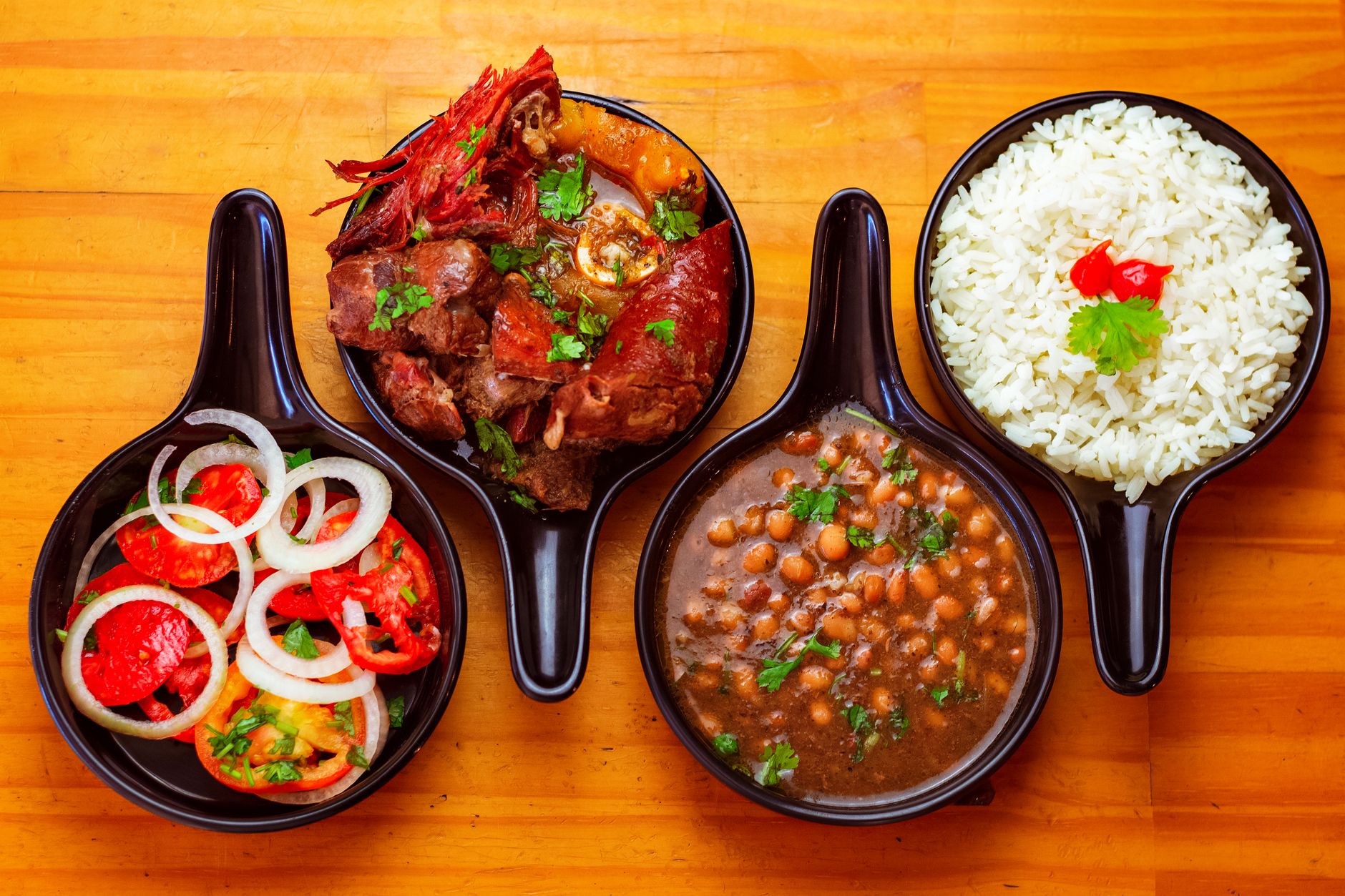
Lunch in the nearby villages focuses on Mallorcan produce pulled from the arid soil and the sea. Frit mallorquí is a staple, a fry-up of liver and seasonal vegetables like peppers and tomatoes seasoned heavily with fennel. Tumbet, a baked vegetable dish of layered eggplant, potatoes, and red peppers smothered in a thick tomato sauce, provides the local answer to summer harvests. Ensaïmada, a spiral pastry made with pork lard, ends most meals alongside a glass of Palo, a dark, viscous aperitif made from gentian root and cinchona bark that traces its origins back to eighteenth-century medicine.
Balearic Islands: the whole region
Four islands doing four different jobs: Mallorca, big enough to hold mountains, a serious city and quiet corners; Menorca, the calmest, with the best coves; Ibiza, which is two places — the clubs and a rural north almost nobody…
Minimum 5 days · better 10 days · deep 2 weeks

Pair It With

In Balearic Islands


In Balearic Islands









Logistics are verified only. We don't publish schedules we haven't confirmed.
Appears In
Experiences worth booking ahead
Spain Field Guide may earn a commission when you book through selected links. Recommendations are editorial and independent of commission.
Ready to build Es Trenc into a trip?
You've found a place worth going. When you're ready to turn discovery into an itinerary, Travel Itinerary Co picks up where the Field Guide leaves off — with your saved places already in hand.
Build this into a tripContinues on Travel Itinerary Co
Spain Field Guide may earn a commission when you book through selected links. Recommendations are editorial and independent of commission.