Mallorca
Four to six days for a first visit, with a car. Stay in Palma or Sóller and drive; the coast in August is a different, much busier island.
The largest and most varied Balearic island — mountains, history and a coastline that changes character every twenty kilometres.
At a Glance
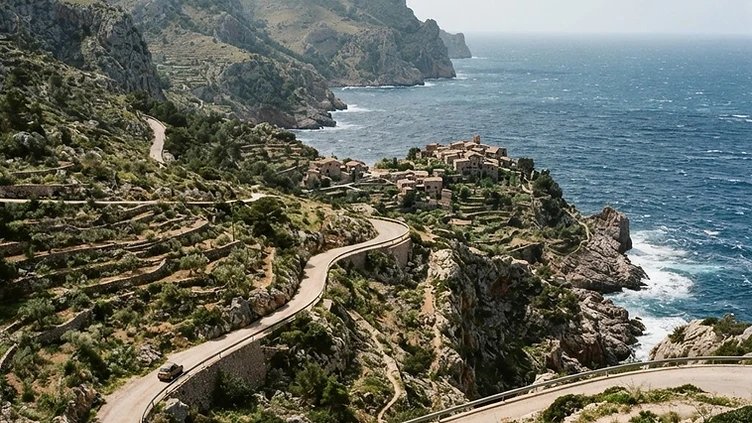
Mallorca runs a hundred kilometres end to end, with the Serra de Tramuntana along the north-west, flat country around Palma in the south, and a long varied coast. It carries the archipelago's capital, its largest airport, the Tramuntana's terraced olive valleys and a summer that fills the bays at Alcúdia and Santanyí. The interior is emptier than the coast and is where the good driving is.
How it got here
Talayotic culture left stone settlements across the island long before the Roman conquest in 123 BCE. The Vandals took the island in the fifth century, followed by the Byzantines in the sixth. A decisive shift arrived in 902 when the Emirate of Córdoba annexed the territory, establishing a flourishing centre of agriculture and learning in Madina Mayurqa. James I of Aragon captured the island in 1229, integrating it into the Crown of Aragon. This transition imposed a new feudal order and replaced mosques with churches, creating the architectural overlay of Gothic cathedrals and fortified farmsteads that persists in the landscape today.
Where it sits
The Serra de Tramuntana runs along the north-western coast, a limestone spine that traps clouds and feeds deep valleys. To the south and east, the land opens into the Es Pla plains, historically the breadbasket of the island. Roads wind through olive terraces and dry stone walls while the interior remains quiet compared to the coastal resorts. Spring brings almond blossoms to the flatlands and winter snow settles on the highest peaks of the range. Access depends on maritime and air links through Palma, which acts as the singular hub for the entire archipelago.
What to eat and drink
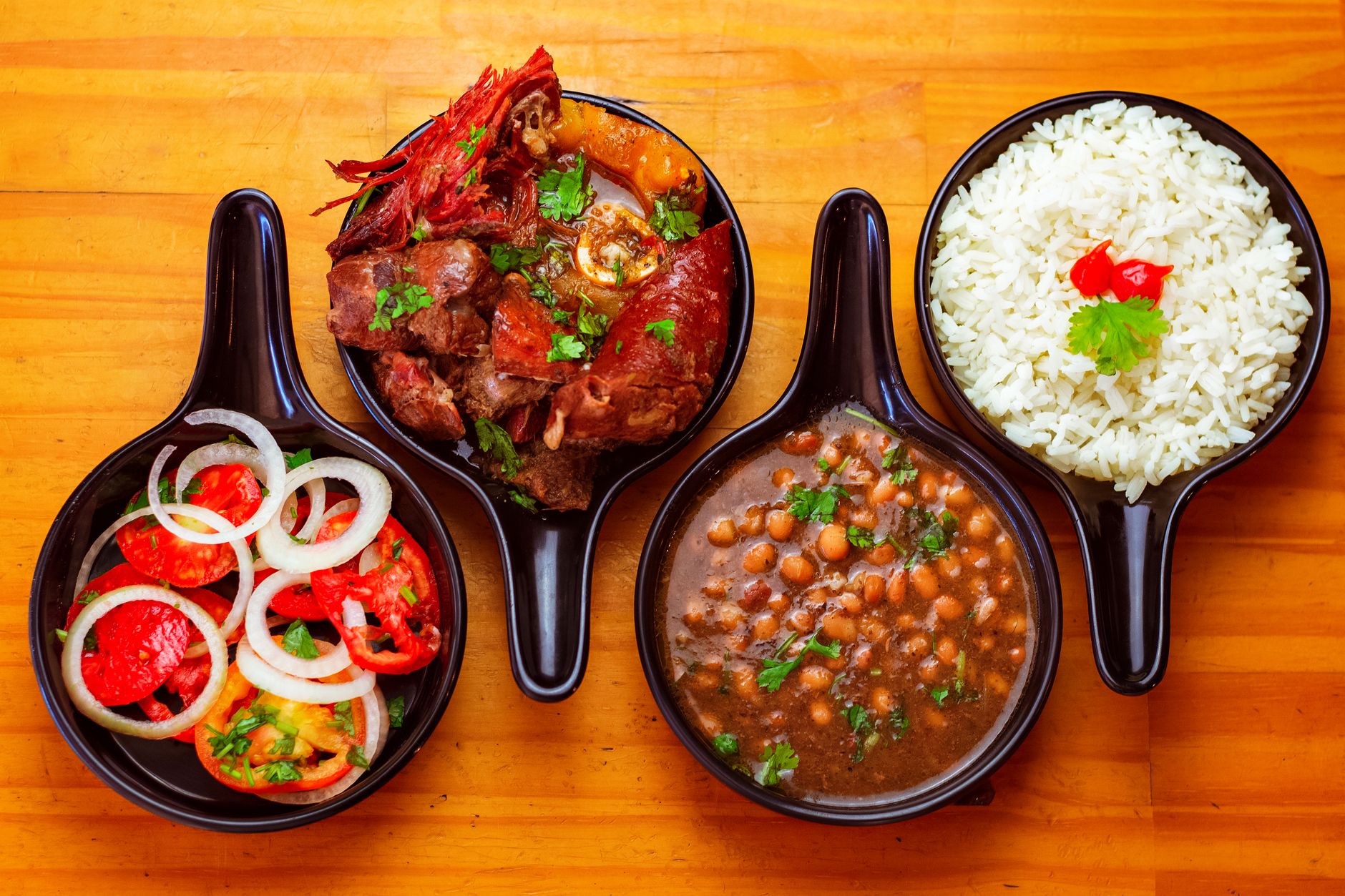
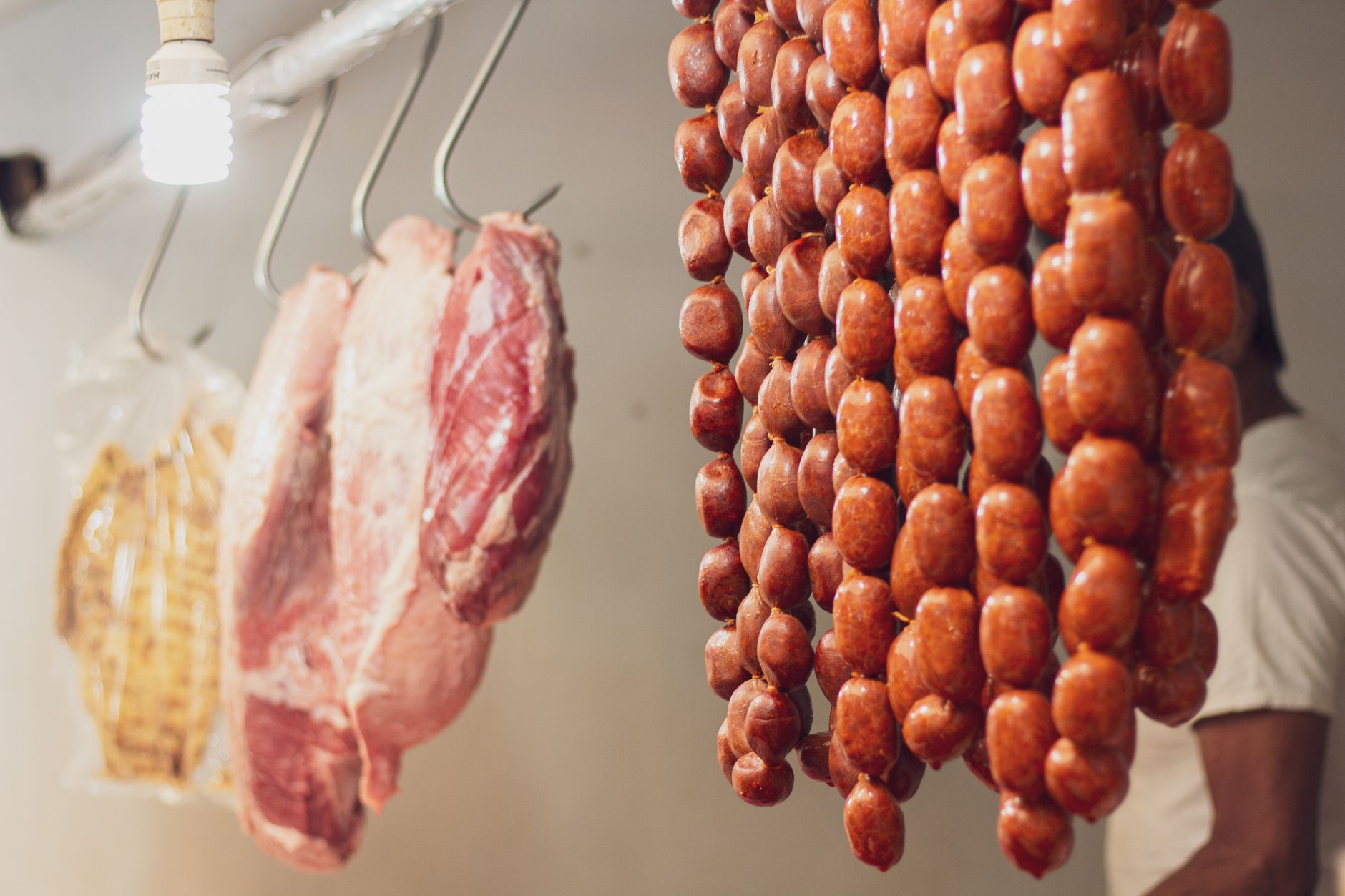
Ensaimada, a spiral pastry made with pork lard and dusted in powdered sugar, dominates the breakfast tables of the island. Sobrassada, a raw, cured sausage seasoned with pimentón, provides a sharp contrast to local cheeses produced from sheep and goat milk. Tumbet, a vegetable dish of sliced potatoes, aubergines, and peppers fried in olive oil and baked with tomato sauce, reflects the island's reliance on garden produce. The local wine industry focuses on native grapes like Manto Negro and Prensal, which thrive in the limestone soils and warm Mediterranean climate.
Balearic Islands: the whole region
Four islands doing four different jobs: Mallorca, big enough to hold mountains, a serious city and quiet corners; Menorca, the calmest, with the best coves; Ibiza, which is two places — the clubs and a rural north almost nobody…
Minimum 5 days · better 10 days · deep 2 weeks

In Balearic Islands


In Balearic Islands









Logistics are verified only. We don't publish schedules we haven't confirmed.
Experiences worth booking ahead
Spain Field Guide may earn a commission when you book through selected links. Recommendations are editorial and independent of commission.
Ready to build Mallorca into a trip?
You've found a place worth going. When you're ready to turn discovery into an itinerary, Travel Itinerary Co picks up where the Field Guide leaves off — with your saved places already in hand.
Build this into a tripContinues on Travel Itinerary Co
Spain Field Guide may earn a commission when you book through selected links. Recommendations are editorial and independent of commission.