Dalt Vila
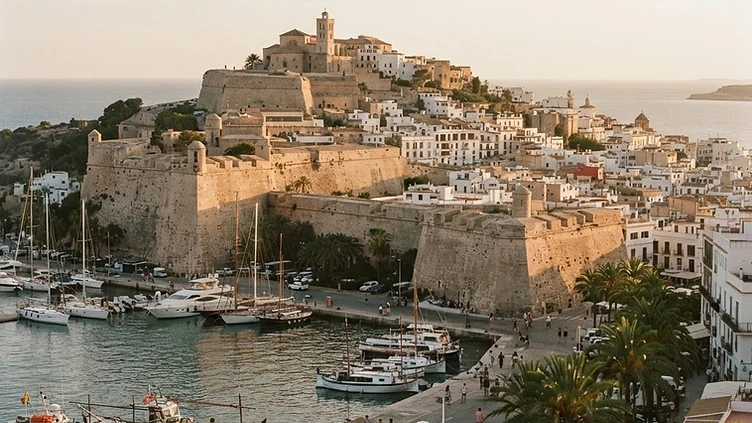
Half a day, on foot, and early or late to avoid the heat. The cathedral and the ramparts are the reason; the bars inside are a bonus.
A Renaissance fortress town above Ibiza's harbour, where the island's Phoenician, Arab and Spanish layers sit inside one set of walls.
Ibiza · Menorca · Valldemossa · Formentera
At a Glance
Dalt Vila is the walled town on the hill above Ibiza's port, entered through the Portal de ses Taules and climbing past bastions, the cathedral and the castle to a terrace over the harbour. The Renaissance walls were begun in 1554 on the orders of Philip II, and the street plan inside is medieval. UNESCO listed the fortifications and the Phoenician site below in 1999.
How it got here
Phoenicians founded a settlement here in the seventh century BC to exploit salt pans and trade routes across the Mediterranean. The current fortifications date to the sixteenth century when military engineers modernized the defenses against Ottoman naval expansion. Philip II commissioned the bastions to withstand cannon fire, moving beyond the medieval footprint of the original acropolis. This military architecture dictated the growth of the town within, creating a maze of tight alleys constrained by stone walls. Today the ramparts preserve a dense cluster of ecclesiastical and domestic buildings that track the shift from a maritime frontier post to a regional administrative center.
Where it sits
The town crowns a rocky promontory overlooking the Mediterranean Sea. Below the walls, the port basin draws ferries from the mainland and the nearby islands. In summer, the heat intensifies against the limestone masonry, turning the streets into sun-traps before evening breezes arrive. Winters are mild and quiet as the seasonal workforce departs. The terrain drops sharply toward the harbor, creating sharp vertical transitions between the high battlements and the water level. Access requires a climb through the limestone gateways that define the boundary between the modern city and the historic core.
What to eat and drink
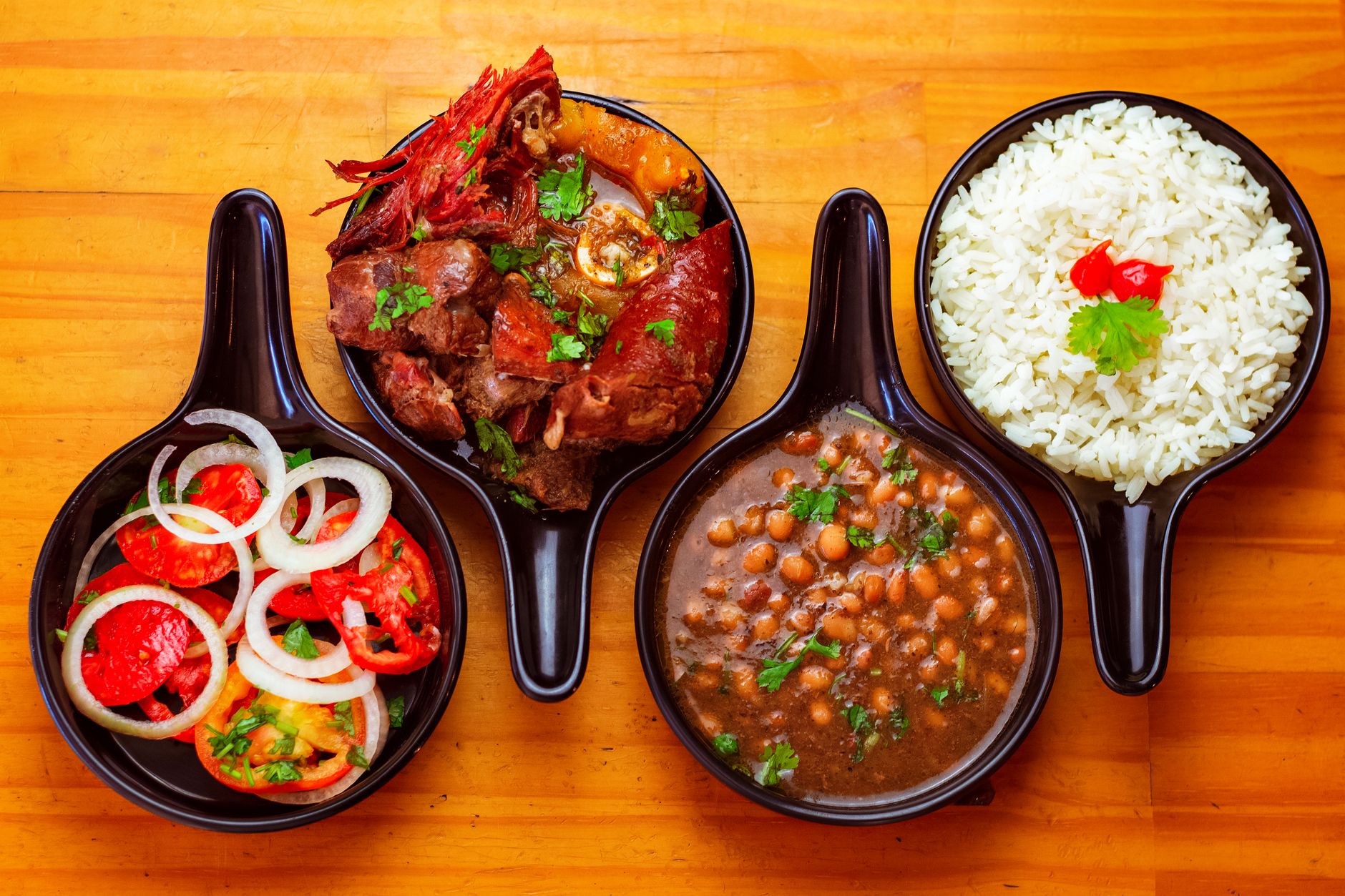
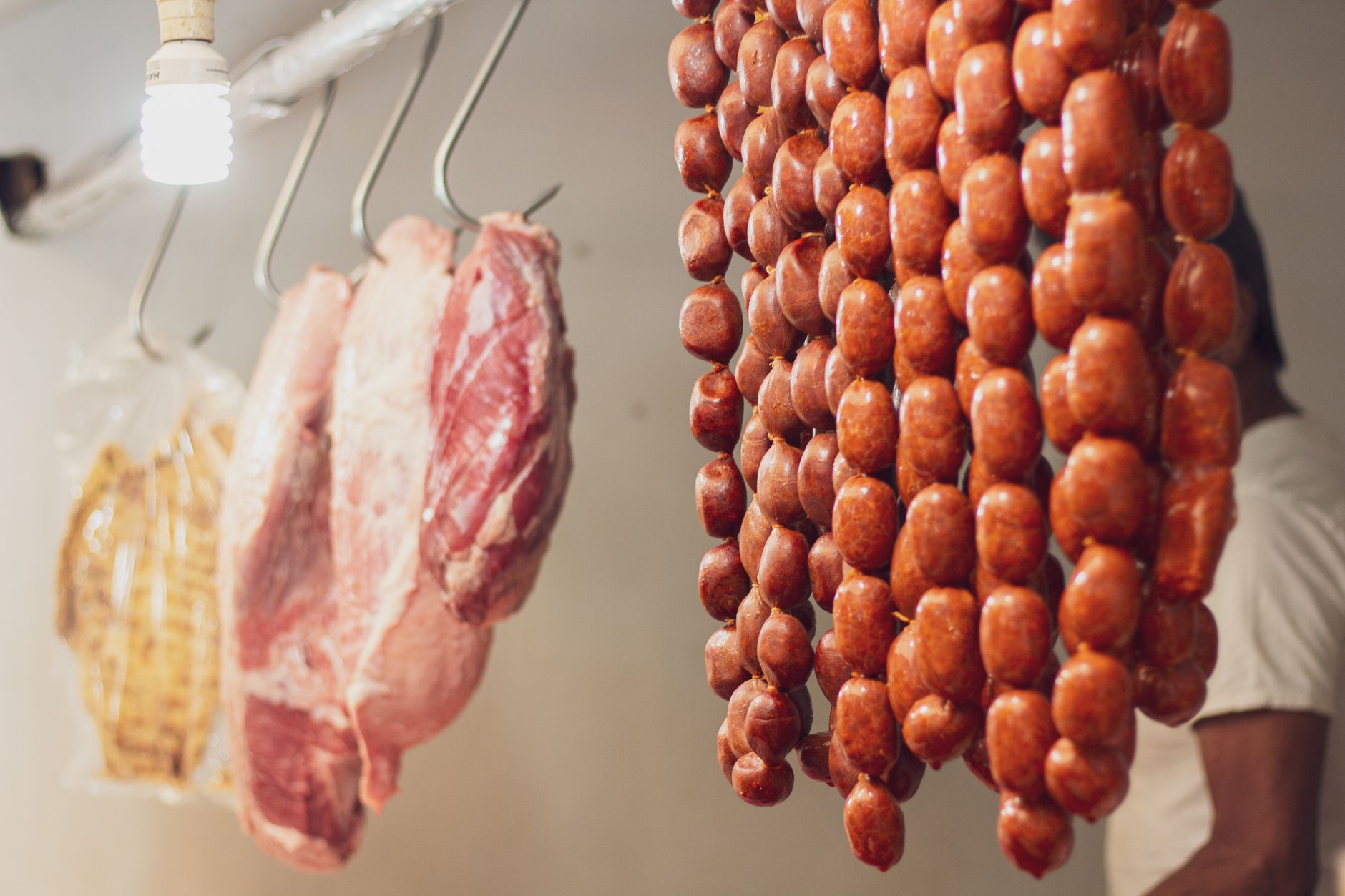
Bullit de peix is the definitive plate of these islands, a rich fish stew cooked with potatoes and finished with a rice dish prepared in the leftover broth. Sofrit pagès provides a heavier alternative, combining lamb and chicken with sobrassada, a cured raw pork sausage seasoned with paprika. For dessert, flaó pairs sheep or goat cheese with hierbabuena in a pastry crust. Local meals conclude with hierbas ibicencas, an aniseed liqueur distilled from the wild herbs gathered across the arid, rocky landscape of the island.
Balearic Islands: the whole region
Four islands doing four different jobs: Mallorca, big enough to hold mountains, a serious city and quiet corners; Menorca, the calmest, with the best coves; Ibiza, which is two places — the clubs and a rural north almost nobody…
Minimum 5 days · better 10 days · deep 2 weeks
In Balearic Islands


In Balearic Islands




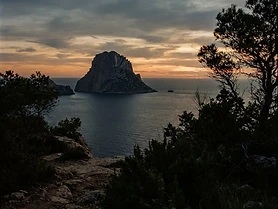

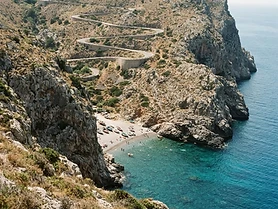

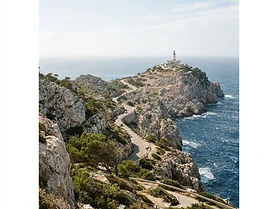


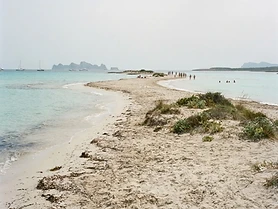
More historical site in Balearic Islands
Logistics are verified only. We don't publish schedules we haven't confirmed.
Experiences worth booking ahead
Spain Field Guide may earn a commission when you book through selected links. Recommendations are editorial and independent of commission.
Ready to build Dalt Vila into a trip?
You've found a place worth going. When you're ready to turn discovery into an itinerary, Travel Itinerary Co picks up where the Field Guide leaves off — with your saved places already in hand.
Build this into a tripContinues on Travel Itinerary Co
Spain Field Guide may earn a commission when you book through selected links. Recommendations are editorial and independent of commission.