Formentera
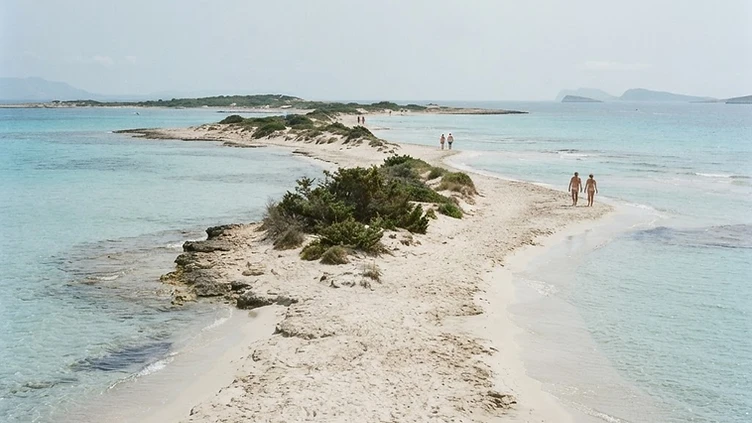
Two or three nights, and hire a bicycle rather than a car. Go in June or September; in August the beaches are worth less than the effort of reaching them.
The smallest inhabited Balearic island, with the best beaches in the archipelago and a ferry-only approach that keeps the crowds down.
At a Glance
Formentera is twenty kilometres long and almost entirely beach: Ses Illetes and Llevant in the north, Migjorn along the south, with a dry flat interior of fig trees and stone walls. It has no airport, so everyone arrives by ferry from Ibiza, and bicycles and scooters outnumber cars. The island runs on a short season and empties almost completely in winter.
How it got here
Formentera served as a Roman maritime outpost, evidenced by the ruins at Ca na Costa and the remains of a defensive watchtower at Can Blai. The island endured a period of abandonment due to pirate incursions, leaving the landscape depopulated for centuries. Settlers from Ibiza repopulated the island in the eighteenth century, constructing defensive towers to guard against raids from the North African coast. These stone structures define the coastline today, marking the transition from a vulnerable border to a permanent agricultural settlement. The interior remains partitioned by dry stone walls, tracing the boundaries established by those early colonial families who farmed figs, wheat, and vines.
Where it sits
The terrain is a low limestone plateau, rising only slightly above the Mediterranean sea. A narrow isthmus connects the main body of the island to the northern peninsula, where sand spits create lagoons. The absence of an airport dictates the pace, forcing a reliance on maritime traffic from Ibiza. The vegetation consists of drought-resistant pine, scrub, and juniper. During the summer, the heat strips the landscape of its green hue, leaving the soil parched. Winter arrivals encounter a quiet island where the wind sweeps across flat fields and the ferry schedules slow to a winter rhythm.
What to eat and drink
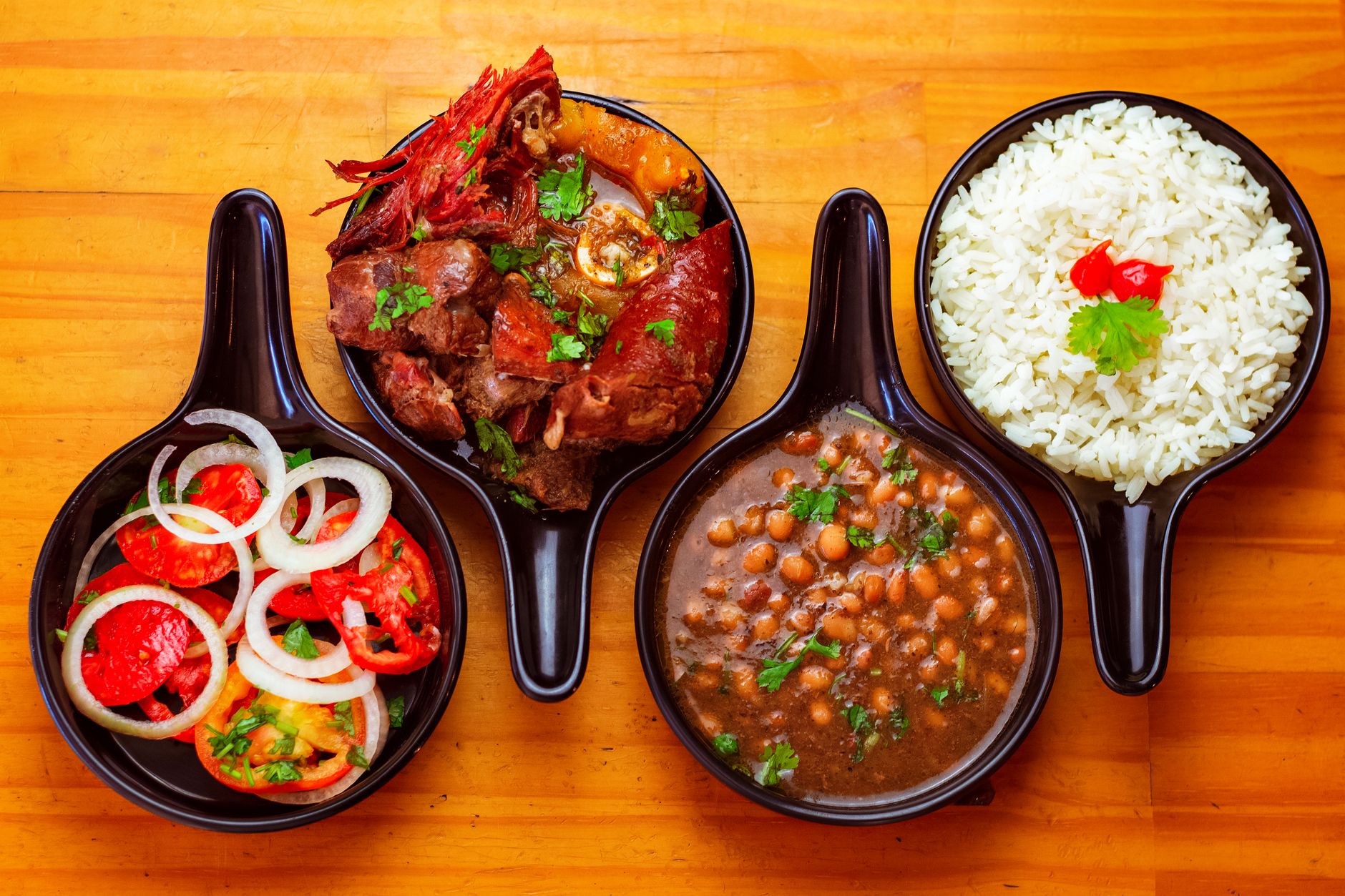
Peix sec is the signature of the island, sun-dried rockfish seasoned and stored in oil, traditionally added to ensalada payesa, a salad of potatoes, tomatoes, and toasted bread. The local waters provide squid, which appears in arròs negre, a rice dish darkened with cuttlefish ink. Frígola, a sweet liqueur distilled from wild thyme flowers, concludes meals. This beverage descends from the herbal traditions of the Balearic Islands, where local distillers macerate wild flora. The diet relies on these preserved goods and simple starch dishes, reflecting a history of scarcity and isolation from the mainland markets.
Balearic Islands: the whole region
Four islands doing four different jobs: Mallorca, big enough to hold mountains, a serious city and quiet corners; Menorca, the calmest, with the best coves; Ibiza, which is two places — the clubs and a rural north almost nobody…
Minimum 5 days · better 10 days · deep 2 weeks

In Balearic Islands



In Balearic Islands








Logistics are verified only. We don't publish schedules we haven't confirmed.
Experiences worth booking ahead
- Formentera Small-Group Day Trip by Sailboat from Ibiza4.9 (144)7 hrsFrom €140
- Sailing Catamaran Trip to Formentera from Ibiza4.9 (111)8 hrsFrom €100
- Formentera Full Day Boat Tour from Ibiza with Meals and Drinks4.9 (62)10 hrsFrom €119
- Ibiza Formentera Full Day Boat Trip All Inclusive Sunset Party4.8 (67)12 hrsFrom €139
Spain Field Guide may earn a commission when you book through selected links. Recommendations are editorial and independent of commission.
Ready to build Formentera into a trip?
You've found a place worth going. When you're ready to turn discovery into an itinerary, Travel Itinerary Co picks up where the Field Guide leaves off — with your saved places already in hand.
Build this into a tripContinues on Travel Itinerary Co
Spain Field Guide may earn a commission when you book through selected links. Recommendations are editorial and independent of commission.