Serra de Tramuntana
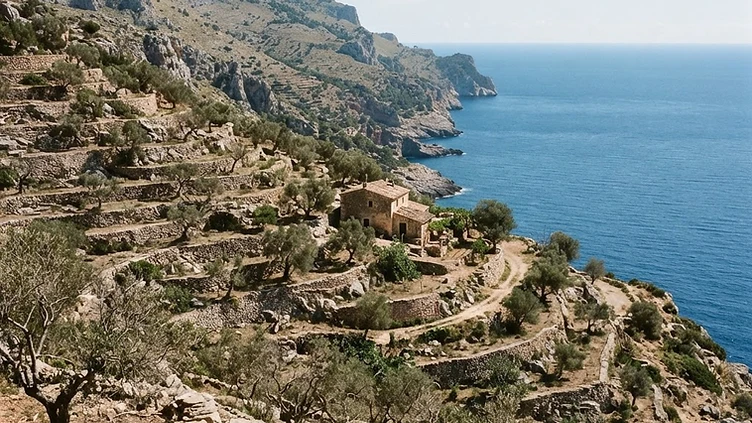
Two to three days minimum, with a car or on the Sóller railway and the walks from it. Bring boots rather than beach kit for the GR-221.
The best mountain landscape in the Balearics: a UNESCO-listed range of terraces, dry-stone paths and villages with the sea beneath it.
At a Glance
The Serra de Tramuntana is a limestone range running the length of Mallorca's north-west, terraced for olives and oranges and threaded by the dry-stone footpath known as the Pedra en Sec. Its villages — Valldemossa, Deià, Sóller, Fornalutx — sit in folds below peaks that reach 1,445 metres at Puig Major. UNESCO listed the whole landscape in 2011 for the water systems and terraces built over seven centuries.
How it got here
Muslim settlers arriving in the tenth century transformed the steep slopes into agricultural terraces using a sophisticated system of irrigation channels. These engineers relied on qanats to transport spring water across the limestone geography, allowing for the cultivation of citrus and olives in an otherwise arid environment. After the Aragonese conquest in 1229, the landscape remained under the management of monastic orders and local landowners who maintained the dry-stone walls. This infrastructure provided the foundation for the regional economy for centuries. The UNESCO designation acknowledges this persistent interaction between the rugged topography and the survival strategies developed by those who worked the mountains.
Where it sits
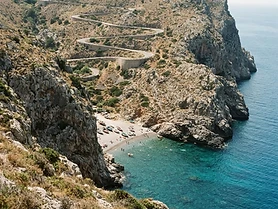
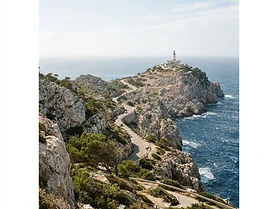
The limestone ridge forms a physical barrier against the prevailing winds that sweep across the Mediterranean toward Mallorca. Torrential rain during the winter months feeds the springs that sustain the terraced valleys, while the heat of summer dries the soil to a pale dust. Roads climb from the coastal plains through hairpins to reach stone villages clustered in the mountain passes. Snow settles on the highest summits like Puig Major during the coldest months. Thousands of years of human intervention left a network of stone paths that connect the small settlements once isolated by the vertical terrain.
What to eat and drink
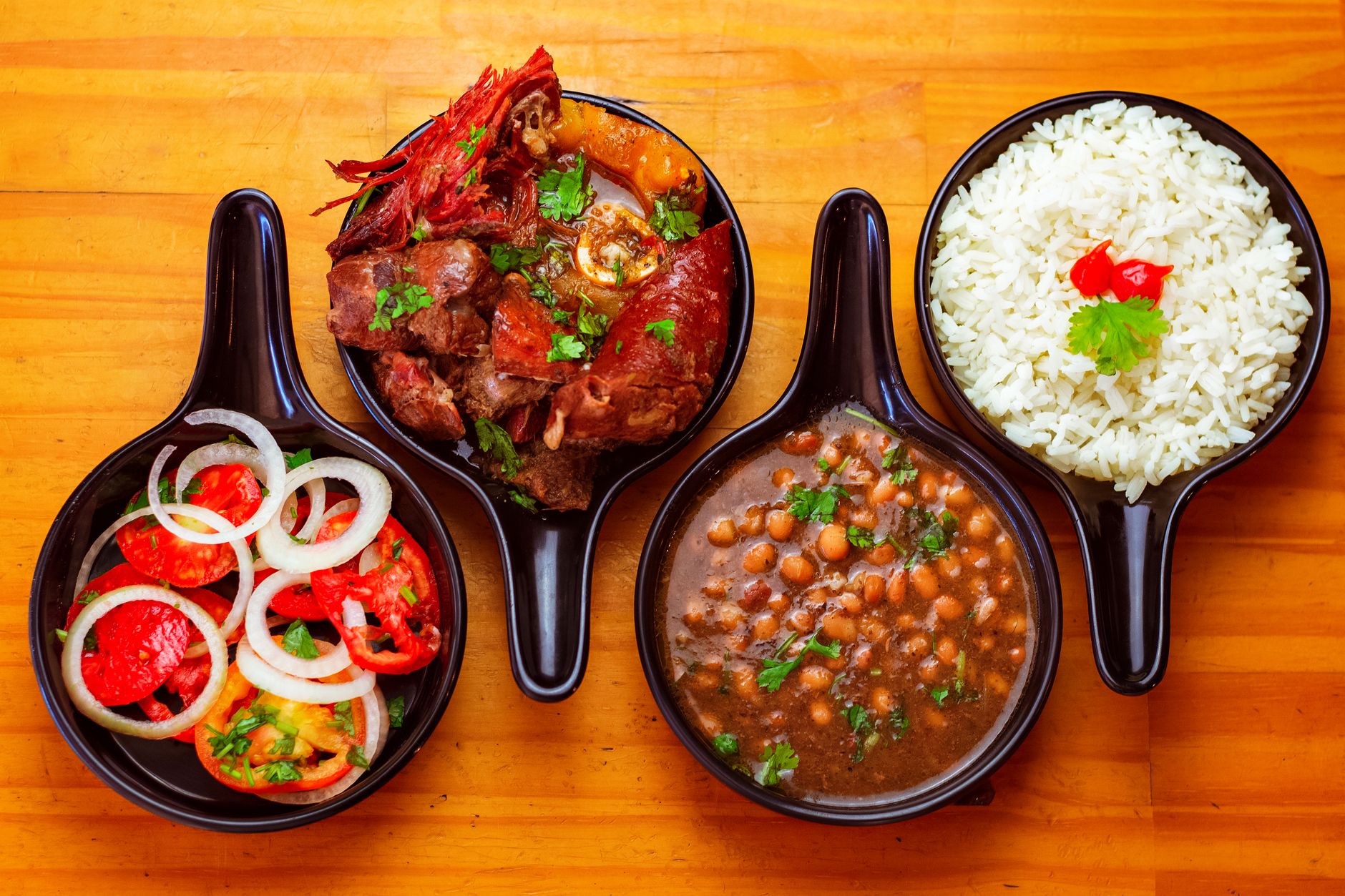
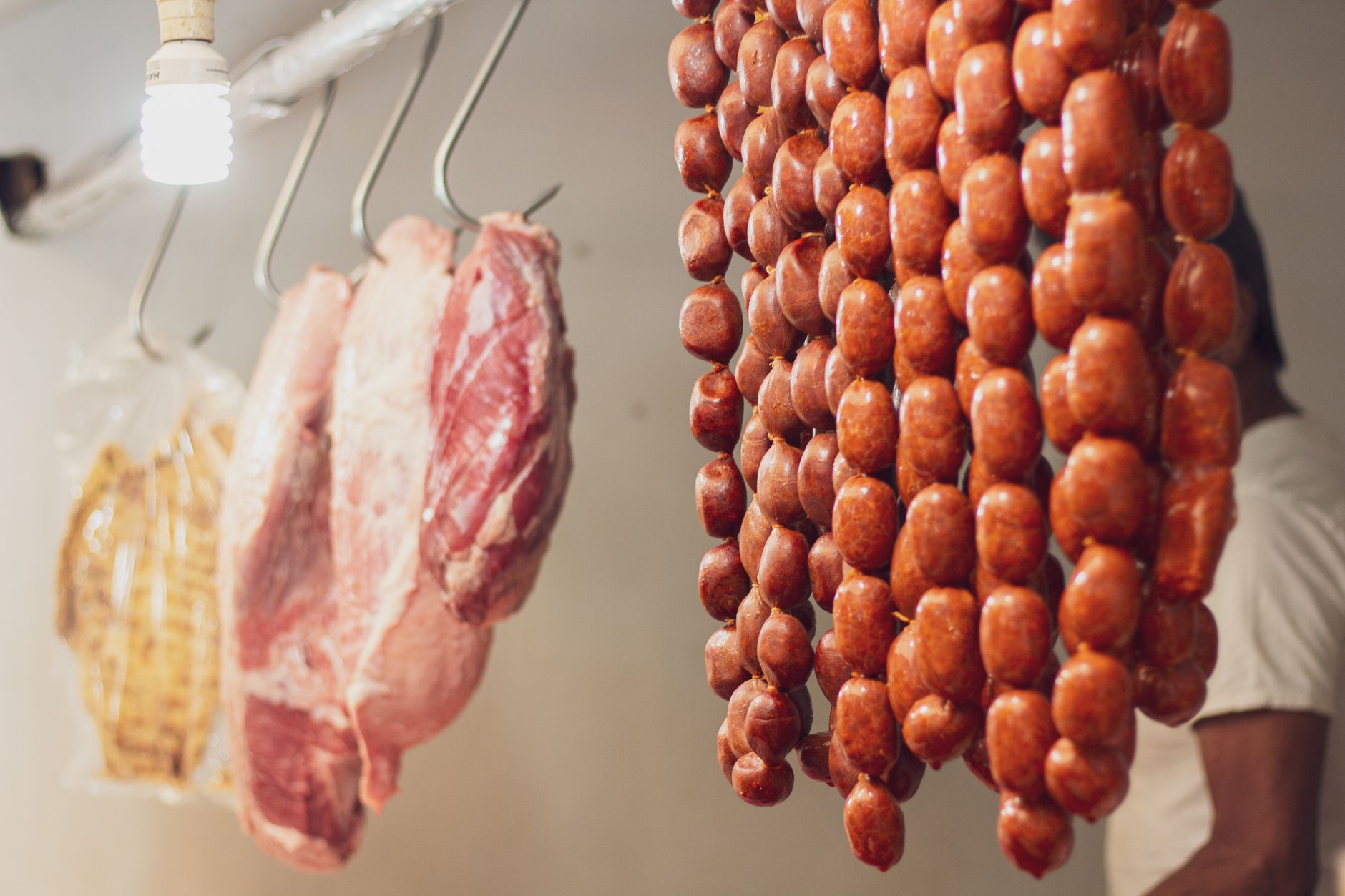
Ensaimada, a coil of sweet pastry made with rendered lard, originates from the island and appears in bakeries throughout the mountain villages. Oranges from the groves of the Sóller valley define the local palate, often consumed fresh or pressed into juices. Sobrassada, a raw cured sausage made with ground pork and paprika, provides a staple for mountain hikers. The region produces olive oil from the ancient trees that cling to the terraced slopes. Locals drink local wines fermented from grape varieties like Mantonegro and Prensal that thrive in the specific microclimates of the island's interior and mountain foothills.
Balearic Islands: the whole region
Four islands doing four different jobs: Mallorca, big enough to hold mountains, a serious city and quiet corners; Menorca, the calmest, with the best coves; Ibiza, which is two places — the clubs and a rural north almost nobody…
Minimum 5 days · better 10 days · deep 2 weeks
In Balearic Islands


In Balearic Islands







Logistics are verified only. We don't publish schedules we haven't confirmed.
Ready to build Serra de Tramuntana into a trip?
You've found a place worth going. When you're ready to turn discovery into an itinerary, Travel Itinerary Co picks up where the Field Guide leaves off — with your saved places already in hand.
Build this into a tripContinues on Travel Itinerary Co
Spain Field Guide may earn a commission when you book through selected links. Recommendations are editorial and independent of commission.