Palma Cathedral (La Seu)

Go in the morning when the rose window's light fills the nave. Buy the combined ticket with the Royal Palace next door.
A vast Catalan-Gothic cathedral on the harbor, with the world's largest original Gothic rose window and a Gaudí-modernized interior. The most spectacularly sited cathedral in Spain.
At a Glance
- — You're not in Palma — it's the reason to be in the city
Commanding the harbor of the Balearic capital, this Catalan-Gothic giant is most famous for its massive rose window, which shatters the morning light into a million colors against the stone. The interior bears the distinct, inventive fingerprints of Antoni Gaudí, whose modernization efforts brought a unique, dreamlike quality to the traditional nave. It is the most spectacularly situated cathedral in the country, appearing to float above the shimmering Mediterranean sea when viewed from the harbor walls.
How it got here
Construction began on the site of a former mosque after King Jaume I conquered Mallorca in 1229. Work continued for centuries, meaning the structure evolved through Gothic shifts before the twentieth century brought substantial internal changes. Antoni Gaudí oversaw renovations between 1904 and 1914, altering the sanctuary and moving the choir stalls to open the nave. These successive layers left a distinct mark on the stonework, creating a dialogue between the medieval foundational masonry and the modern artistic interventions. The resulting interior holds the weight of these centuries, where royal tombs and contemporary ironwork now sit within the same sea-facing walls.
Where it sits
The cathedral commands the edge of the limestone terrace overlooking the Bay of Palma. It dominates the shoreline where the salt air of the Mediterranean meets the stone fabric of the city. Winter brings low light that cuts through the massive rose window, while summer heat radiates off the honey-colored sandstone. Visitors arrive through the labyrinthine streets of the old quarter, where the architecture compresses before opening suddenly toward the harbor. The site stays crowded during the spring and autumn months when the climate remains mild and the port sees the highest volume of maritime traffic.
What to eat and drink
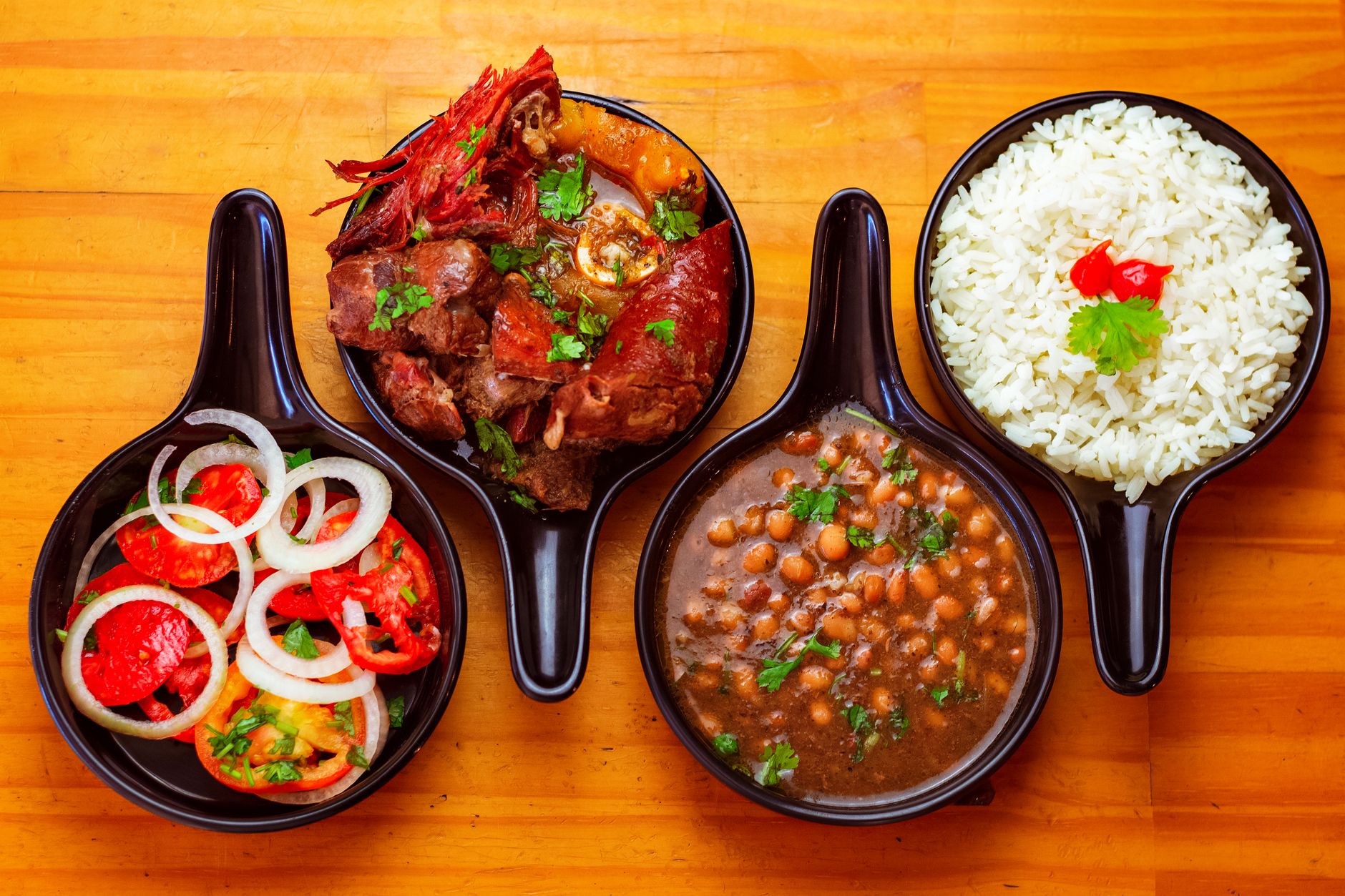
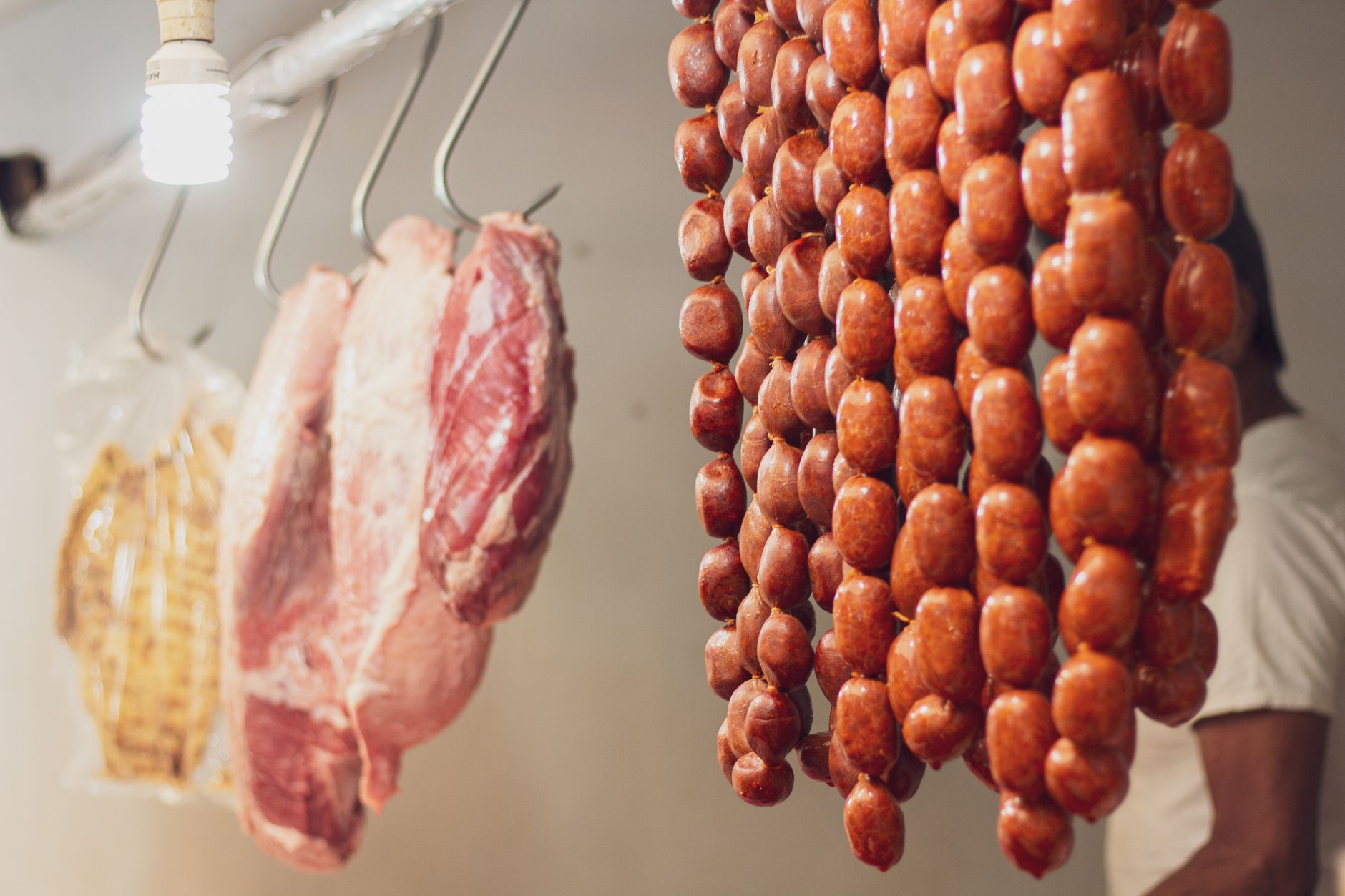
Ensaimadas, spiraled pastries dusted with powdered sugar and occasionally filled with pumpkin jam or sobrassada, represent the staple breakfast of the island. For heavier meals, order frito mallorquín, a traditional fry-up of liver, potatoes, peppers, and fennel. This dish relies on the local tradition of using fresh seasonal produce alongside butchered meats. Wash these down with a glass of Hierbas, a green anise-flavored liqueur distilled with wild herbs gathered from the nearby Serra de Tramuntana. The flavors prioritize local salinity and the mountain flora that defines the agricultural identity of the Balearic archipelago.
Balearic Islands: the whole region
Four islands doing four different jobs: Mallorca, big enough to hold mountains, a serious city and quiet corners; Menorca, the calmest, with the best coves; Ibiza, which is two places — the clubs and a rural north almost nobody…
Minimum 5 days · better 10 days · deep 2 weeks
Pair It With


In Balearic Islands


In Balearic Islands









Linked from elsewhere
Entries that name this place in their own nearby lists.
Logistics are verified only. We don't publish schedules we haven't confirmed.
Appears In
Experiences worth booking ahead
Spain Field Guide may earn a commission when you book through selected links. Recommendations are editorial and independent of commission.
Ready to build Palma Cathedral (La Seu) into a trip?
You've found a place worth going. When you're ready to turn discovery into an itinerary, Travel Itinerary Co picks up where the Field Guide leaves off — with your saved places already in hand.
Build this into a tripContinues on Travel Itinerary Co
Spain Field Guide may earn a commission when you book through selected links. Recommendations are editorial and independent of commission.