Deià
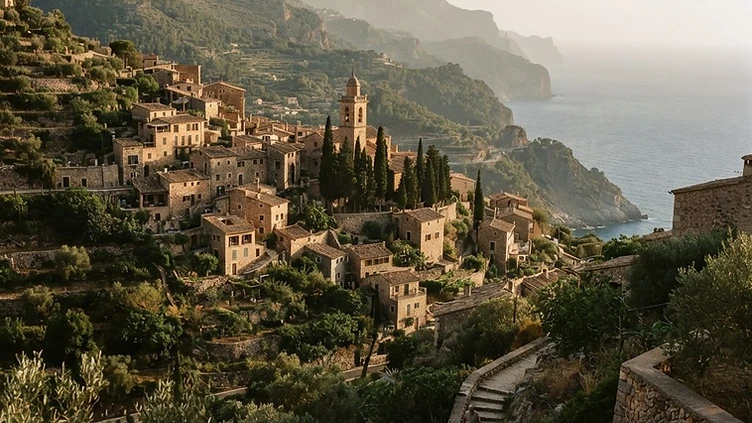
Half a day, and better out of season: parking in the village is close to impossible in summer. Walk down to Cala Deià rather than driving.
The finest village setting in Mallorca — stone houses, olive terraces and the sea below, with Robert Graves buried above the village.
Ibiza · Menorca · Valldemossa · Formentera
At a Glance
Deià sits in a fold of the Tramuntana between Sóller and Valldemossa, its houses stacked above terraced olive slopes that fall to a cove. Robert Graves lived here from 1929 and is buried in the village cemetery on the hill. There is a small archaeological museum, a church on the ridge, and a beach at Cala Deià reached by a steep road.
How it got here
Talayotic settlers inhabited these terraces long before the arrival of the Romans who left traces of oil production nearby. During the centuries of Islamic rule in Mallorca, the settlement functioned within the Juz de Bunyola, leaving a legacy of intricate irrigation systems that still sustain the olive groves on the slopes. Following the Christian conquest of 1229, the village became part of the estates held by the nobility of Palma. The arrival of foreign artists and writers in the early twentieth century transformed the village from an isolated farming community into a destination for European intellectuals who sought the seclusion offered by the rugged Tramuntana terrain.
Where it sits
The village clings to a limestone ridge above the Mediterranean, surrounded by the jagged peaks of the Serra de Tramuntana. Slopes terraced centuries ago for olives and citrus trees drop sharply toward the sea. The climate stays mild through the winter months, while the summer heat draws people to the narrow cove at the bottom of the ravine. Cold mountain winds define the winter, and the single road winding from Sóller remains the primary passage through the mountain wall. Ancient stone paths connect the scattered houses and orchards across the slopes, maintaining the connection between the high village and the coast.
What to eat and drink
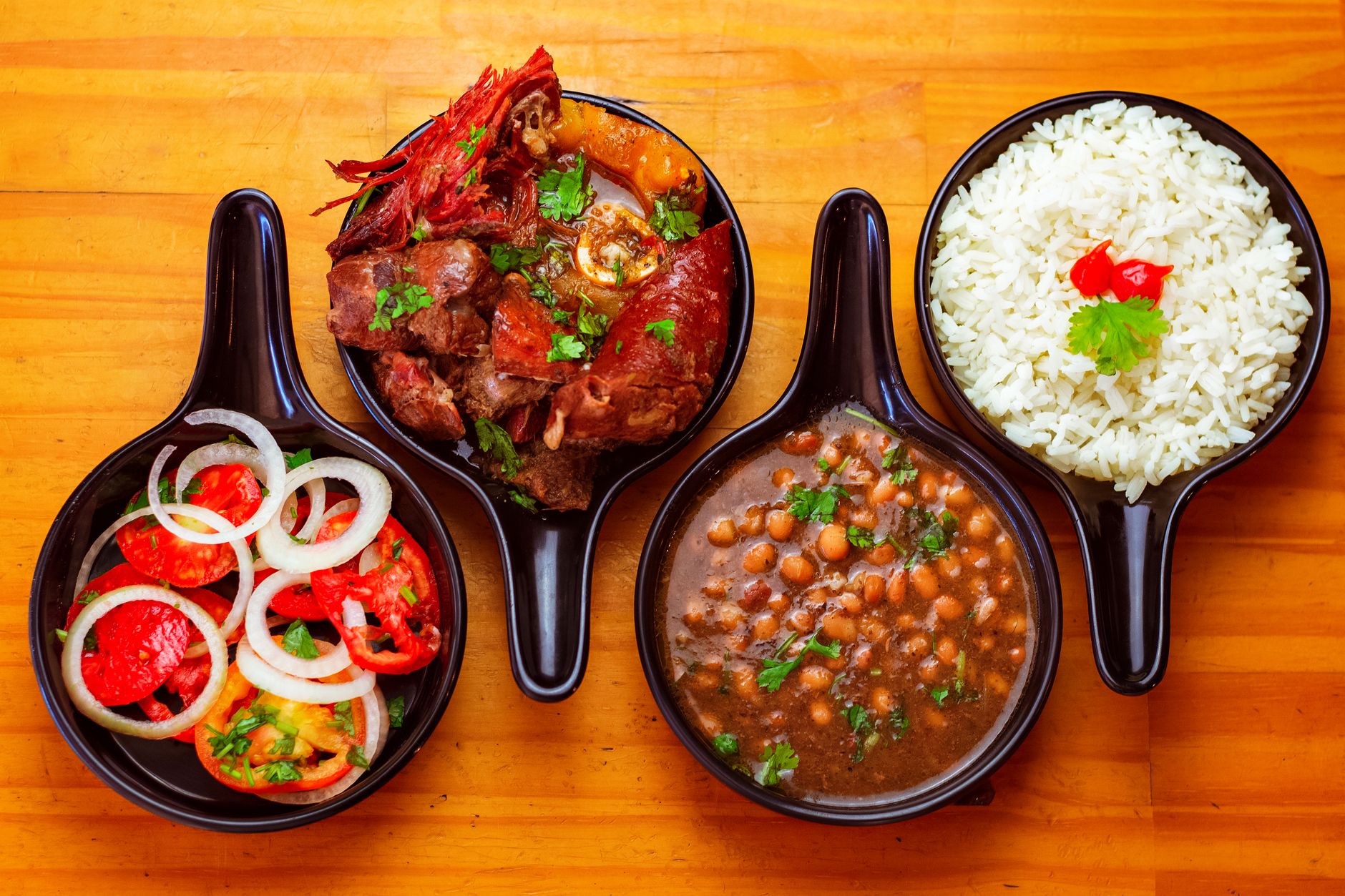
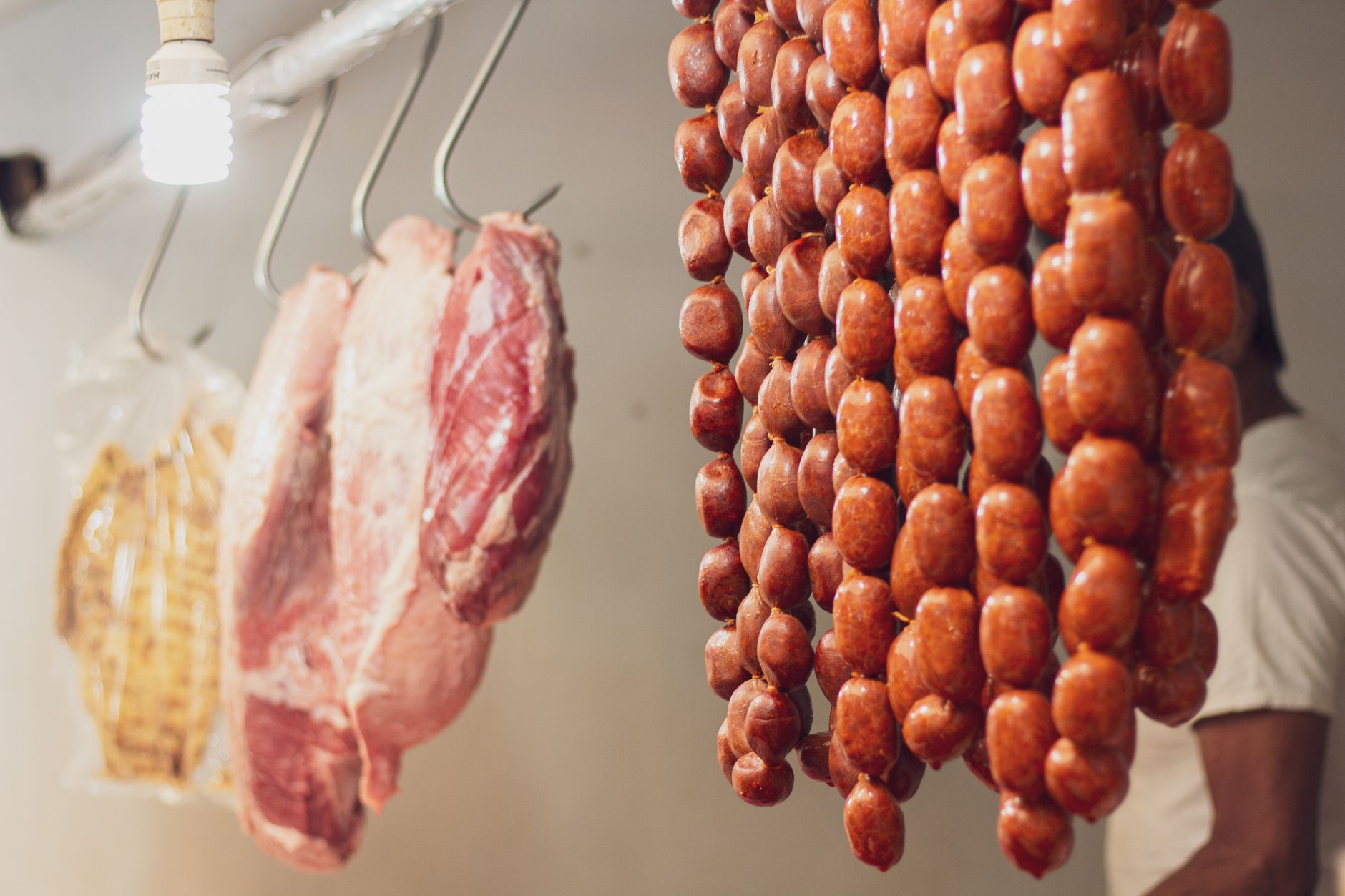
Cuisine relies on the local harvest of olives, almonds, and citrus. Pa amb oli, thick slices of rustic bread rubbed with tomato and garlic then drizzled with heavy green olive oil, serves as the standard meal. Sobrassada, a spreadable raw cured sausage seasoned with paprika, appears alongside local cheeses and goat meat. The region produces ensaimadas, a coiled pastry dusted with sugar and often filled with sweet pumpkin preserve known as cabello de ángel. Families frequently prepare frito mallorquín, a mixture of fried liver, potatoes, peppers, and garlic, which traces its roots to traditional agrarian cooking practices across the island.
Balearic Islands: the whole region
Four islands doing four different jobs: Mallorca, big enough to hold mountains, a serious city and quiet corners; Menorca, the calmest, with the best coves; Ibiza, which is two places — the clubs and a rural north almost nobody…
Minimum 5 days · better 10 days · deep 2 weeks
In Balearic Islands


In Balearic Islands









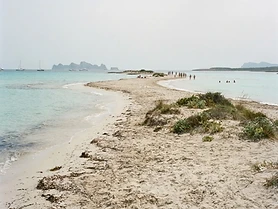
Other Worth a Detour in Balearic Islands

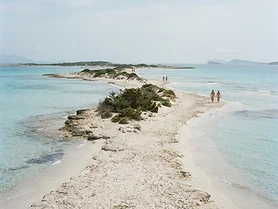

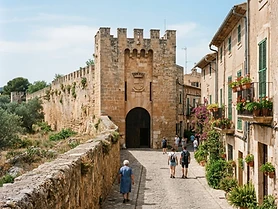
Logistics are verified only. We don't publish schedules we haven't confirmed.
Experiences worth booking ahead
- Mallorca Full Day Tour Valldemossa Deià and Sóller Experience4.9 (427)7 hrsFrom €95
- Palma de Mallorca Shore Excursion: Private Tour of Valldemossa, Soller and Serra de Tramuntana4.9 (69)5 hrsFrom €489
- Private Half Day Boat Tour in Port de Soller5.0 (49)4 hrsFrom €690
- Mallorca in One Day Sightseeing Tour with Boat Ride and Vintage Train4.2 (1,212)9 hrsFrom €99
Spain Field Guide may earn a commission when you book through selected links. Recommendations are editorial and independent of commission.
Ready to build Deià into a trip?
You've found a place worth going. When you're ready to turn discovery into an itinerary, Travel Itinerary Co picks up where the Field Guide leaves off — with your saved places already in hand.
Build this into a tripContinues on Travel Itinerary Co
Spain Field Guide may earn a commission when you book through selected links. Recommendations are editorial and independent of commission.