Ibiza

More than its party reputation. The old town and the northern coves reward travelers who look past the superclubs.
Beyond the clubs, a UNESCO-listed old town, hidden coves, and a booming healthy-food scene. The north is genuinely rural.
Menorca · Valldemossa · Palma
At a Glance
- — You want peace in July and August
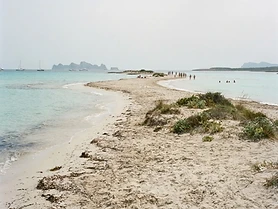
Distant from the neon strobe lights of the southern superclubs, the north reveals a landscape of limestone cliffs, fragrant pine forests, and silent, hidden coves. Within the high, UNESCO-protected walls of the old town, Dalt Vila, centuries of Mediterranean history are etched into the stone, far removed from the summer party circuit. There is a quiet, bohemian resilience here, where rural farmers and artisan food producers maintain a slower pace that celebrates the island’s natural beauty rather than its nightlife.
How it got here
Phoenicians founded a trading settlement at Sa Caleta in the eighth century BC, drawn by the island's strategic position in Mediterranean shipping lanes. Carthaginian control followed, establishing the fortified town of Ibossim. The island later transitioned through Roman and Byzantine rule, but the arrival of the Moors in 902 brought a transformation that defined the agrarian landscape for centuries. After the Catalan conquest in 1235, the island fell under the Crown of Aragon. The sturdy stone ramparts of Dalt Vila reflect the necessity of defense against Ottoman raids during the sixteenth century, a period that locked the island into a pattern of isolation and rural endurance.
Where it sits
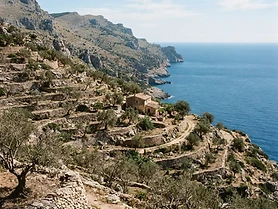
Limestone ridges and red earth define the island topography, separating shallow coves from dense pine forests. The landscape relies on the cycles of the Mediterranean climate, where summer heat dries the soil and winter rains turn the fields vibrant green. Accessible by sea and air, the land stays crowded during the height of the summer months but retreats into silence as the tourists depart. Stone terraces climb the hillsides, evidence of past efforts to carve farms from steep slopes. Salt pans at the southern edge remain a vital landmark, visible from the coastal roads that wind between isolated villages.
What to eat and drink
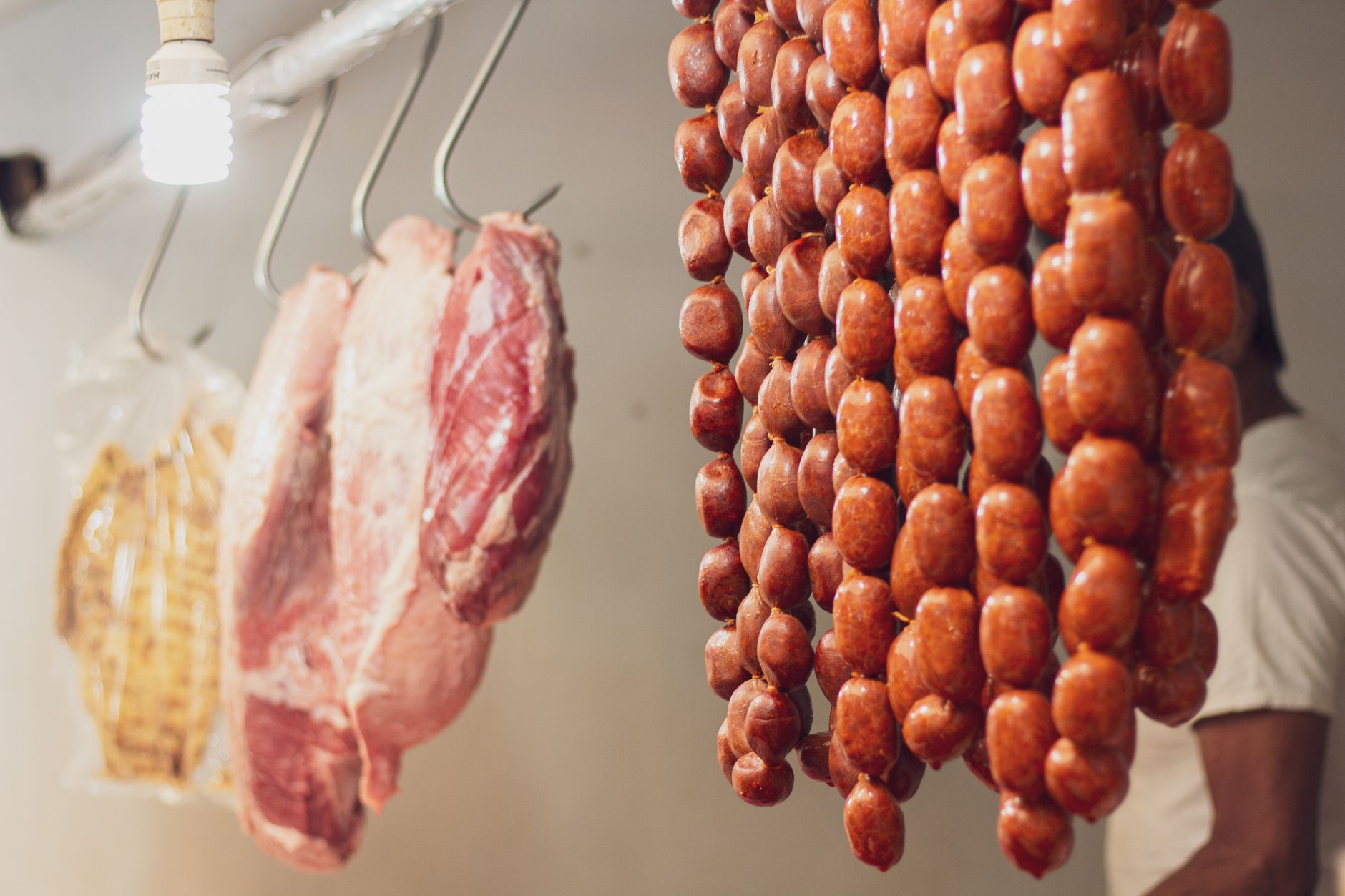
Bullit de peix, a rich stew made with local rockfish, potatoes, and garlic, stands as the essential island dish. It arrives at the table with the fish served separately from the rice cooked in the concentrated broth. Flaó, a dense cheesecake prepared with goat or sheep cheese, eggs, and fresh mint, provides the traditional finish to a meal. Farmers here cultivate almonds, figs, and olives, which appear in many local preparations. Hierbas ibicencas, a liqueur distilled from aniseed and a variety of wild island herbs, follows dinner as a common digestive.
Balearic Islands: the whole region
Four islands doing four different jobs: Mallorca, big enough to hold mountains, a serious city and quiet corners; Menorca, the calmest, with the best coves; Ibiza, which is two places — the clubs and a rural north almost nobody…
Minimum 5 days · better 10 days · deep 2 weeks
In and around Ibiza

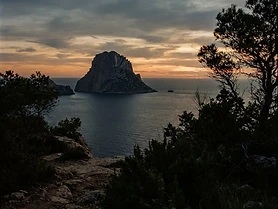

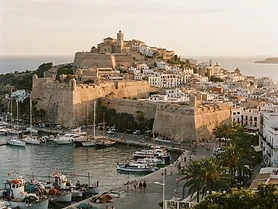

What's Nearby


Pair It With
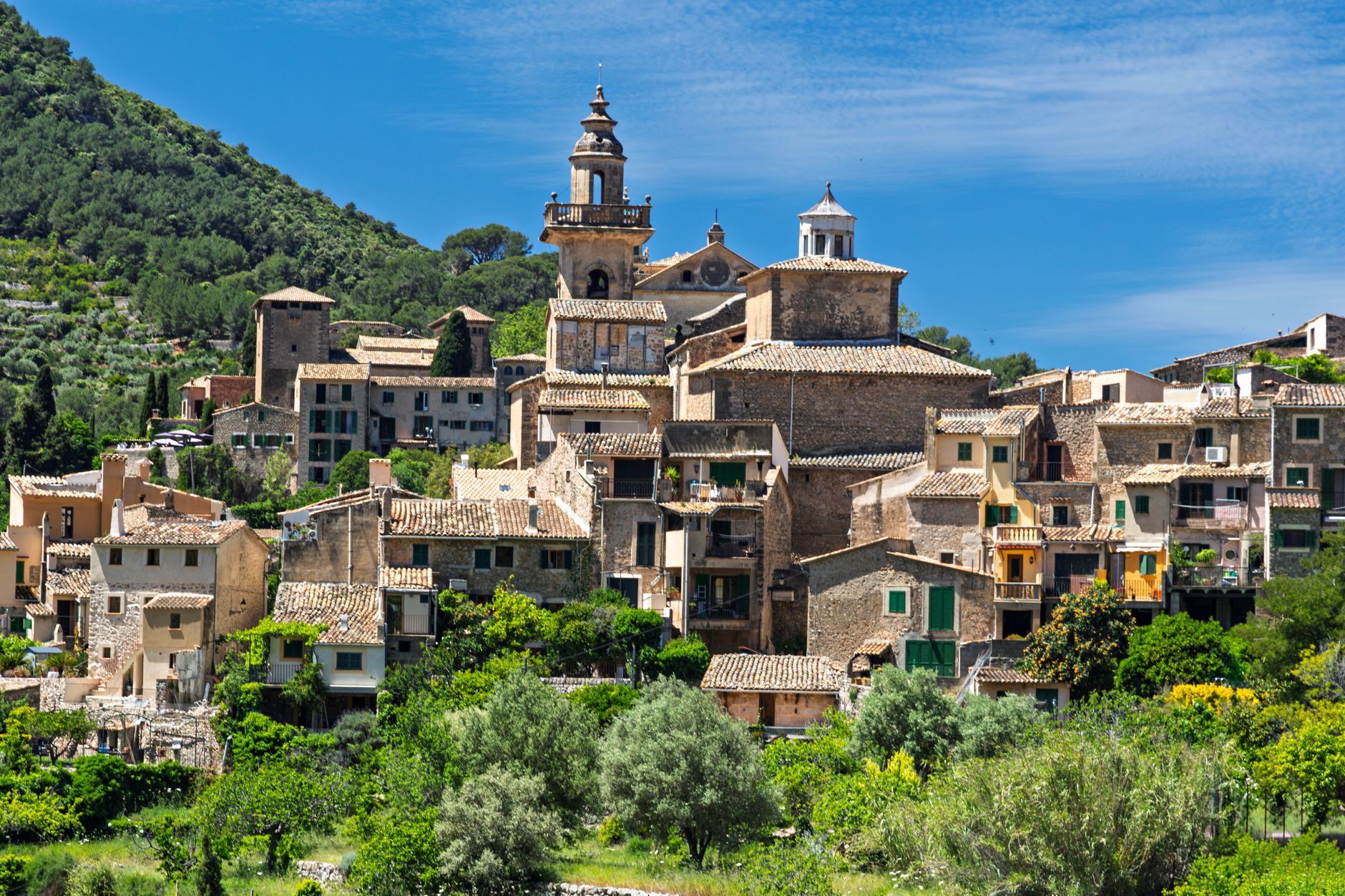
In Balearic Islands
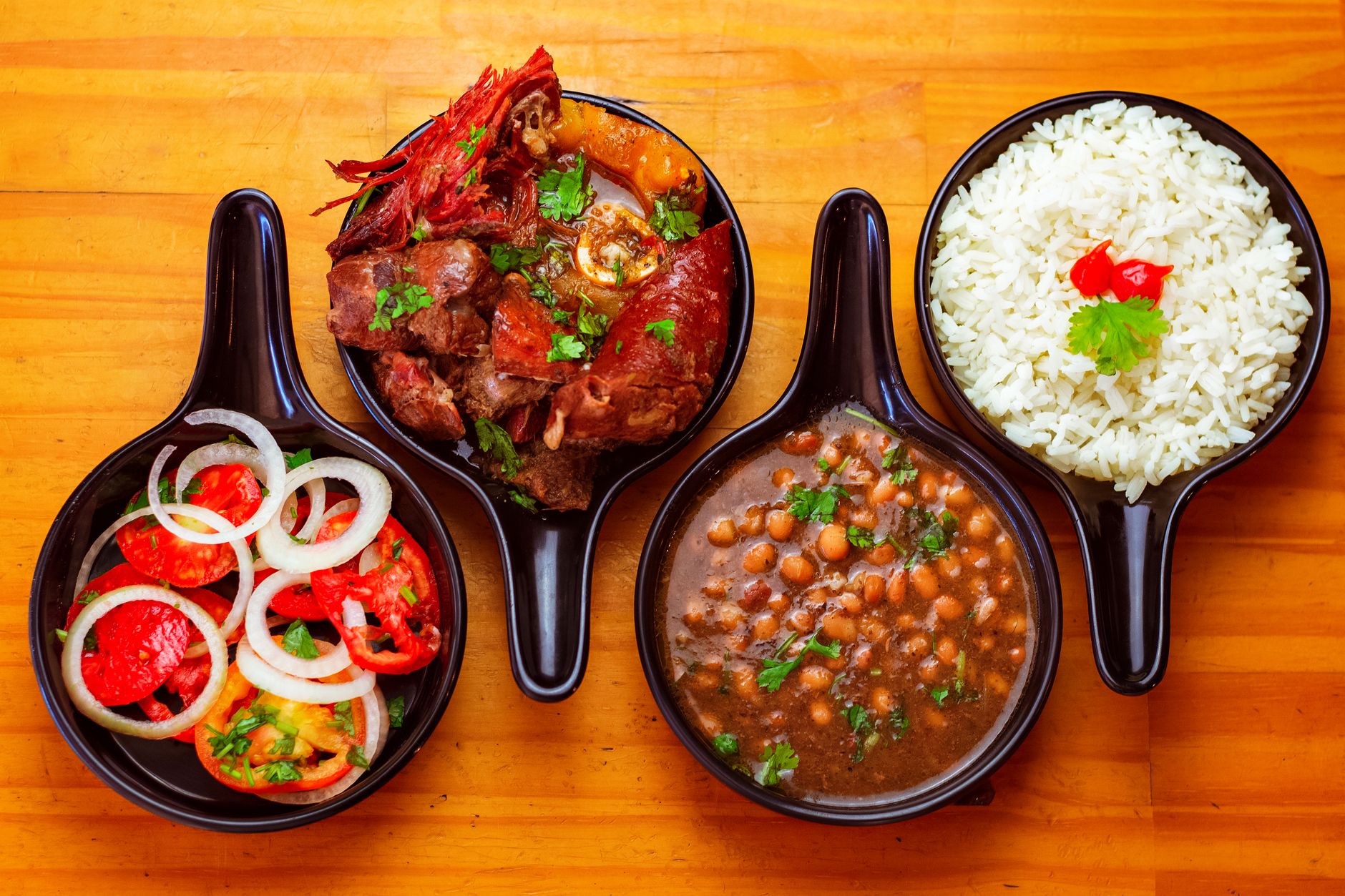


In Balearic Islands






Logistics are verified only. We don't publish schedules we haven't confirmed.
Appears In
Experiences worth booking ahead
Spain Field Guide may earn a commission when you book through selected links. Recommendations are editorial and independent of commission.
Ready to build Ibiza into a trip?
You've found a place worth going. When you're ready to turn discovery into an itinerary, Travel Itinerary Co picks up where the Field Guide leaves off — with your saved places already in hand.
Build this into a tripContinues on Travel Itinerary Co
Spain Field Guide may earn a commission when you book through selected links. Recommendations are editorial and independent of commission.