Pollença
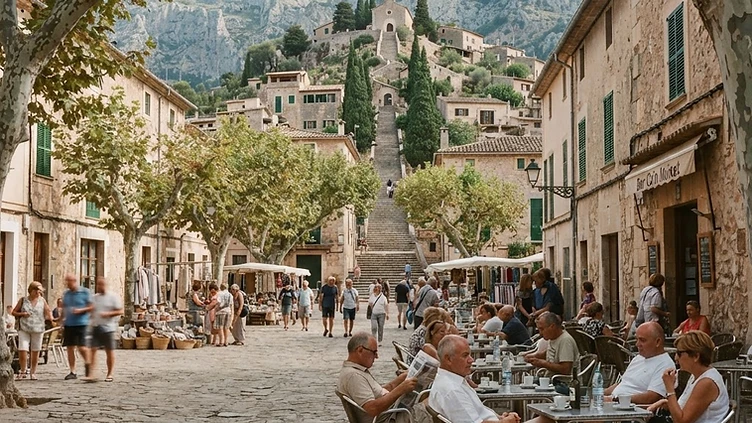
A morning, plus the market if it is Sunday. Use it as the base for Formentor and Alcúdia rather than a destination in itself.
A working market town below the Tramuntana, with a stepped chapel climb and the road to Formentor starting on its doorstep.
At a Glance
Pollença sits inland from its port, around a Plaça Major that fills for the Sunday market, with the Calvari chapel reached by 365 cypress-lined steps. The Roman bridge at the edge of town and the church of Sant Jordi are the other stops, and the road over to Formentor and the north coast starts here.
How it got here
Romans founded Pollentia near the modern site of Alcúdia, yet the current town took shape further inland to evade the reach of pirates during the centuries that followed the fall of the Roman Empire. The Order of the Temple held the territory after the conquest of King Jaume I in the thirteenth century, leaving a mark on the town grid and the subsequent construction of the Convent de Sant Domingo. The staircase leading to the Calvari chapel serves as a testament to the religious importance of the town through the centuries, standing as a landmark of local devotion that still defines the visual rhythm of the streets.
Where it sits
The town occupies a transition zone between the fertile plains of the north and the limestone massifs of the Serra de Tramuntana. High jagged peaks form a backdrop for the terracotta roofs and winding stone alleys. The climate stays mild through the autumn and spring, though the summer sun turns the landscape dry and golden. Traffic pushes toward the Cap de Formentor, yet the interior roads remain quiet. Stone walls trace the contours of the olive groves that blanket the surrounding slopes, connecting the town to the rugged geography of the island interior.
What to eat and drink
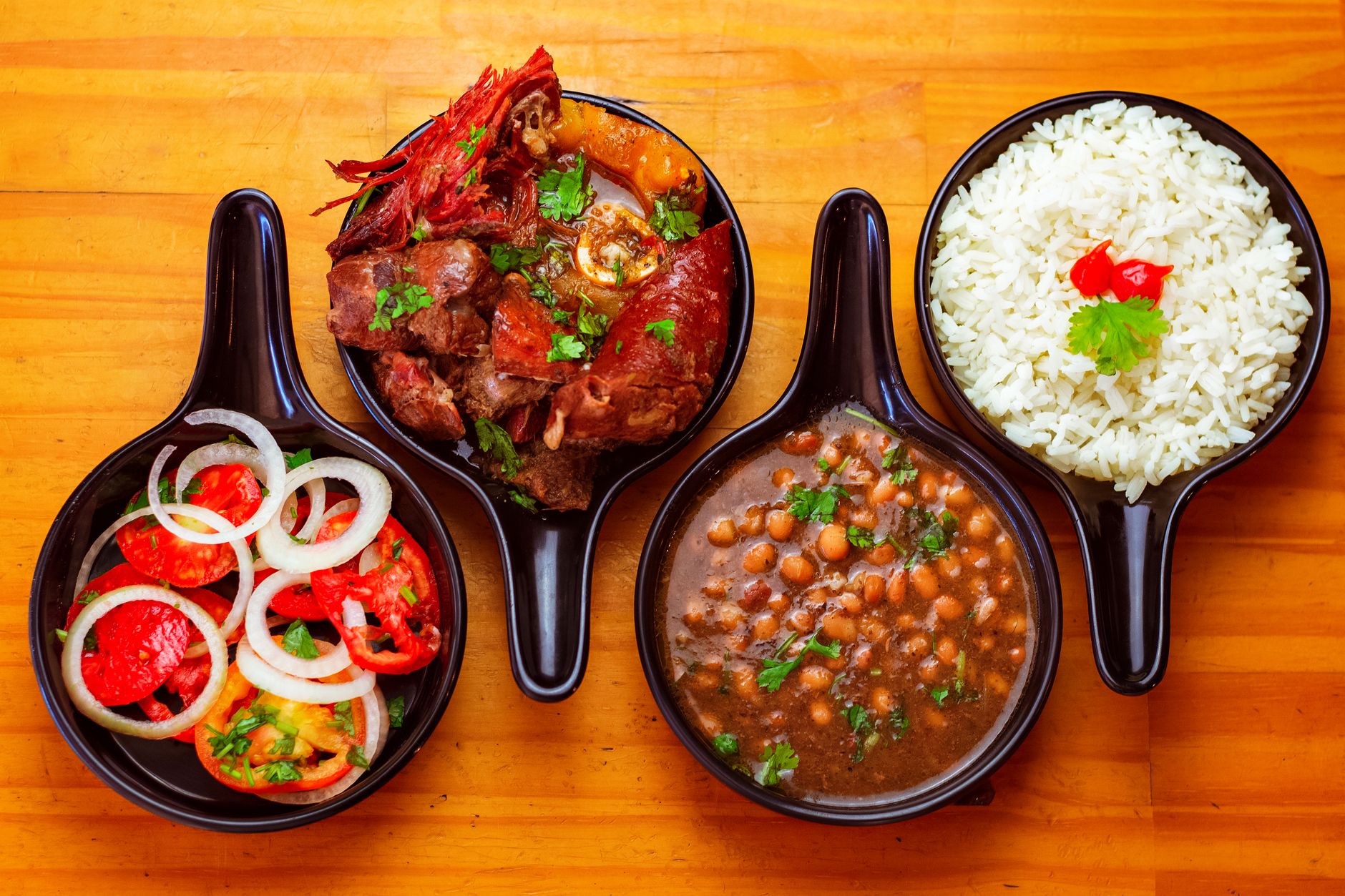
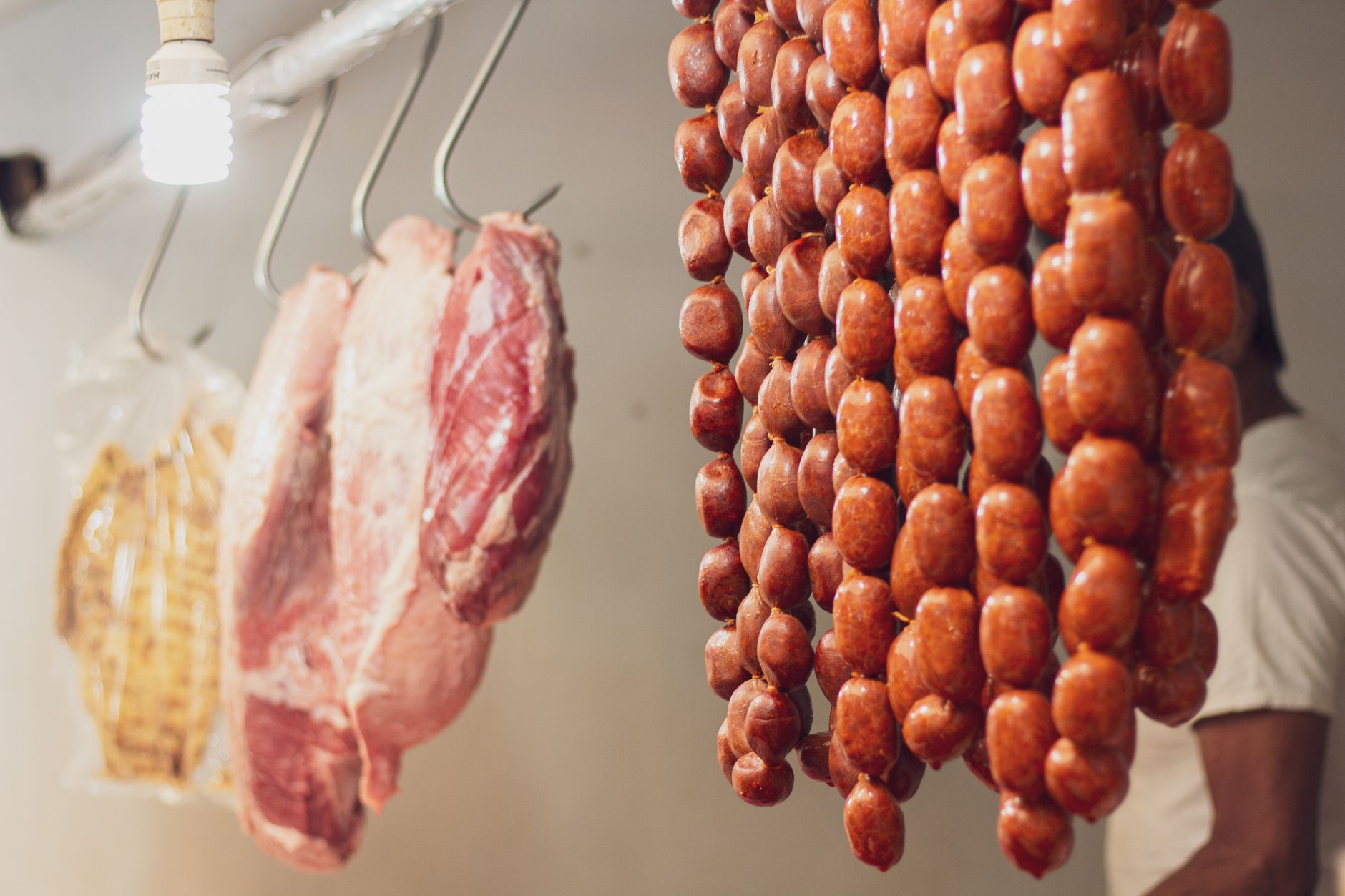
Sobrassada, a cured raw sausage made from ground pork and paprika, defines the Mallorcan kitchen and appears on sliced country bread at every hour. Ensaimadas provide the standard breakfast, coiled yeast pastries dusted with powdered sugar and occasionally filled with pumpkin jam. For heartier plates, cooks prepare tumbet, a layered bake of sliced potatoes, peppers, eggplant, and tomato sauce. Local vintners produce strong reds from Manto Negro grapes, while the tradition of herbal liqueur, Hierbas Túnel, concludes most meals. These dishes rely on the simple produce of the island soil and the centuries of pastoral farming in the local valleys.
Balearic Islands: the whole region
Four islands doing four different jobs: Mallorca, big enough to hold mountains, a serious city and quiet corners; Menorca, the calmest, with the best coves; Ibiza, which is two places — the clubs and a rural north almost nobody…
Minimum 5 days · better 10 days · deep 2 weeks

In Balearic Islands


In Balearic Islands








Logistics are verified only. We don't publish schedules we haven't confirmed.
Experiences worth booking ahead
- Mallorca Full Day Tour Valldemossa Deià and Sóller Experience4.9 (427)7 hrsFrom €95
- Palma de Mallorca Food Tour with 10 Locals Favorites Dishes5.0 (50)3 hrsFrom €85
- Mallorca Catamaran Tour in the Bay of Pollensa4.6 (112)4.5 hrsFrom €68
- Gastronomic Wine Tasting Experience Guided by a Sommelier5.0 (31)2.5 hrsFrom €75
Spain Field Guide may earn a commission when you book through selected links. Recommendations are editorial and independent of commission.
Ready to build Pollença into a trip?
You've found a place worth going. When you're ready to turn discovery into an itinerary, Travel Itinerary Co picks up where the Field Guide leaves off — with your saved places already in hand.
Build this into a tripContinues on Travel Itinerary Co
Spain Field Guide may earn a commission when you book through selected links. Recommendations are editorial and independent of commission.