Calblanque Natural Park

The real beaches of the Costa Cálida. Park at the entrance and walk in to Cala Dorada. Bring water; no facilities by design.
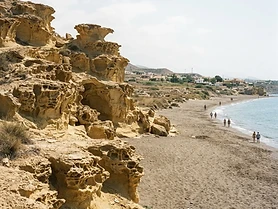
A protected stretch of wild coves, golden cliffs, and salt flats between Cartagena and La Manga — the anti-resort coast of Murcia.
At a Glance
- — You don't have a car — it's protected, no buses
Untamed dunes, gold-sand coves, and sweeping salt flats define this protected stretch of the Murcian coast, where the only sound is the persistent Atlantic wind through the reeds. There are no umbrellas, no concrete promenades, and no signs of the resort development that dominates the neighboring stretches of sand. Hiking into the coves reveals hidden, pristine swimming holes that feel entirely personal and isolated, providing a rare opportunity to experience the Costa Cálida in its most quiet, primitive, and authentic form.
How it got here
Human occupation of this Mediterranean littoral began with the Phoenicians and Carthaginians who valued the sheltered anchorages of the Murcian coast. Nearby Cartagena became a major naval base under the Romans and later the Byzantines, leaving the surrounding hinterland to cycles of salt production and dry-land farming. The arid salt flats within the park trace their utility back to these early industrial efforts, providing sea salt for fish salting industries since antiquity. This coastal fringe avoided the intense architectural development seen elsewhere because its shifting sand dunes and lack of natural harbors made permanent settlement difficult, preserving the landscape in a state that mirrors the pre-industrial frontier of the southeastern Iberian Peninsula.
Where it sits
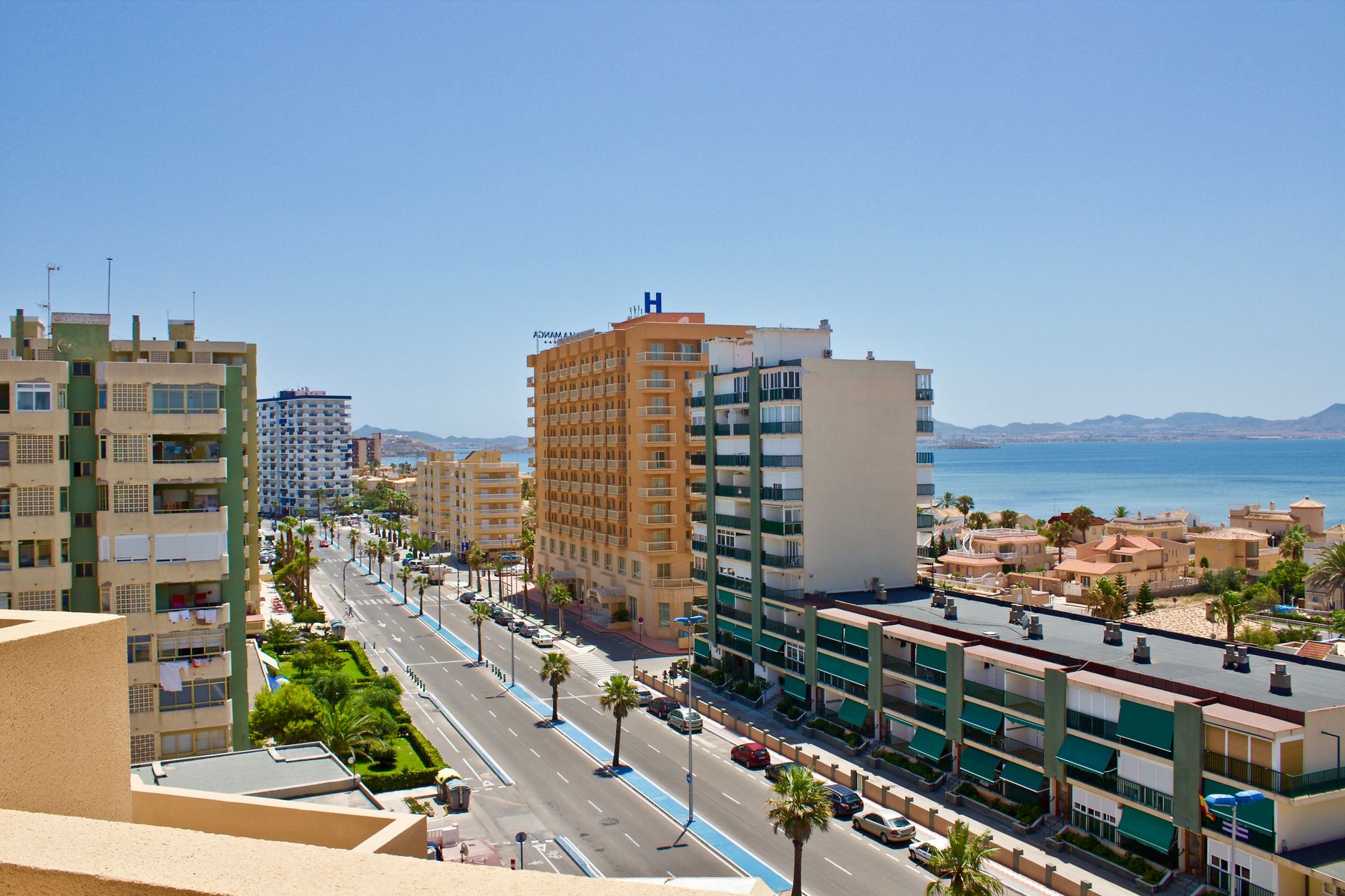
The park occupies a rare stretch of protected coastline between the industrial salt works and the tourist towers of La Manga. Pale, shifting dunes provide the primary barrier between the scrub-covered slopes and the sea, which remains turbulent here due to the open orientation to the Mediterranean. Winds from the east shape the vegetation, forcing stunted junipers and hardy grasses to grow low against the sand. Summer heat dries the lagoons to a crust of white salt, while autumn brings heavy rains that temporarily swell the gullies. Access requires travel on unpaved tracks that discourage heavy traffic, keeping the atmosphere stark even during the peak summer months.
What to eat and drink
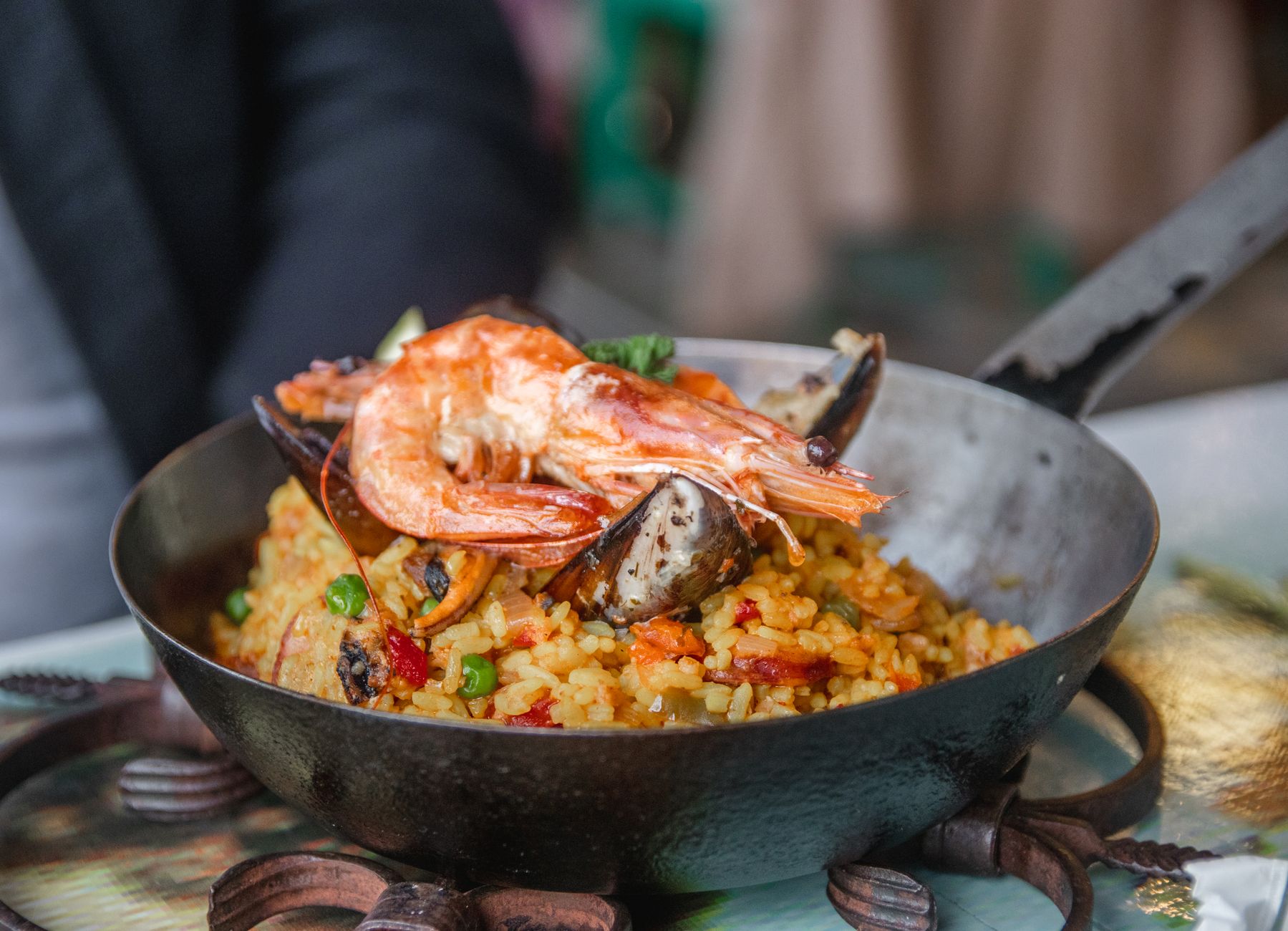
The cuisine depends on the bounty of the inland orchards and the neighboring sea. Caldero del Mar Menor is the essential dish, a rich rice preparation cooked with local rockfish and ñora peppers in a cast-iron pot. Paparajotes, lemon leaves dipped in a sweet batter and fried, provide a link to the Arabic influence on Murcian agriculture. Drink locally produced Jumilla wine, a dense red made from the Monastrell grape that thrives in the nearby high-altitude heat. Order fresh salted fish, cured in the traditional manner of the region, to appreciate the historic connection between the salt flats and the local larder.
Murcia: the whole region
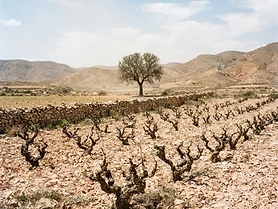
The driest corner of Spain, and better for it: a region of arid hills, irrigated valleys and a coast that is still mostly open. Cartagena is the surprise — a port with a Roman theatre, an Art Nouveau street and a naval history you can walk…
Minimum 3 days · better 5-6 days · deep 8 days

Pair It With

In Murcia




In Murcia


In Murcia







Linked from elsewhere
Entries that name this place in their own nearby lists.
Logistics are verified only. We don't publish schedules we haven't confirmed.
Experiences worth booking ahead
Spain Field Guide may earn a commission when you book through selected links. Recommendations are editorial and independent of commission.
Ready to build Calblanque Natural Park into a trip?
You've found a place worth going. When you're ready to turn discovery into an itinerary, Travel Itinerary Co picks up where the Field Guide leaves off — with your saved places already in hand.
Build this into a tripContinues on Travel Itinerary Co
Spain Field Guide may earn a commission when you book through selected links. Recommendations are editorial and independent of commission.