Jumilla

The bargain hunter's DO. Visit Bodegas San Isidro or Casa de la Ermita. Pair with a Yecla trip; both are Monastrell strongholds.
Monastrell country — southeast Spain's sun-baked, high-altitude red region making dense, dark, value-driven wines from old bush vines. The best-value DO in Spain.
At a Glance
- — You only drink elegant reds
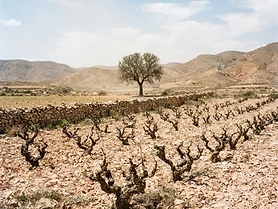
In the high, sun-baked landscape of Murcia, the Monastrell grape finds its true powerhouse expression in dense, dark reds drawn from ancient bush vines. It is currently the best-value wine region in Spain, offering significant complexity at a fraction of the cost found in more famous zones. A visit to producers like Casa de la Ermita highlights the rugged, reliable nature of these high-altitude wines, especially when paired with a trip to the nearby Yecla.
How it got here
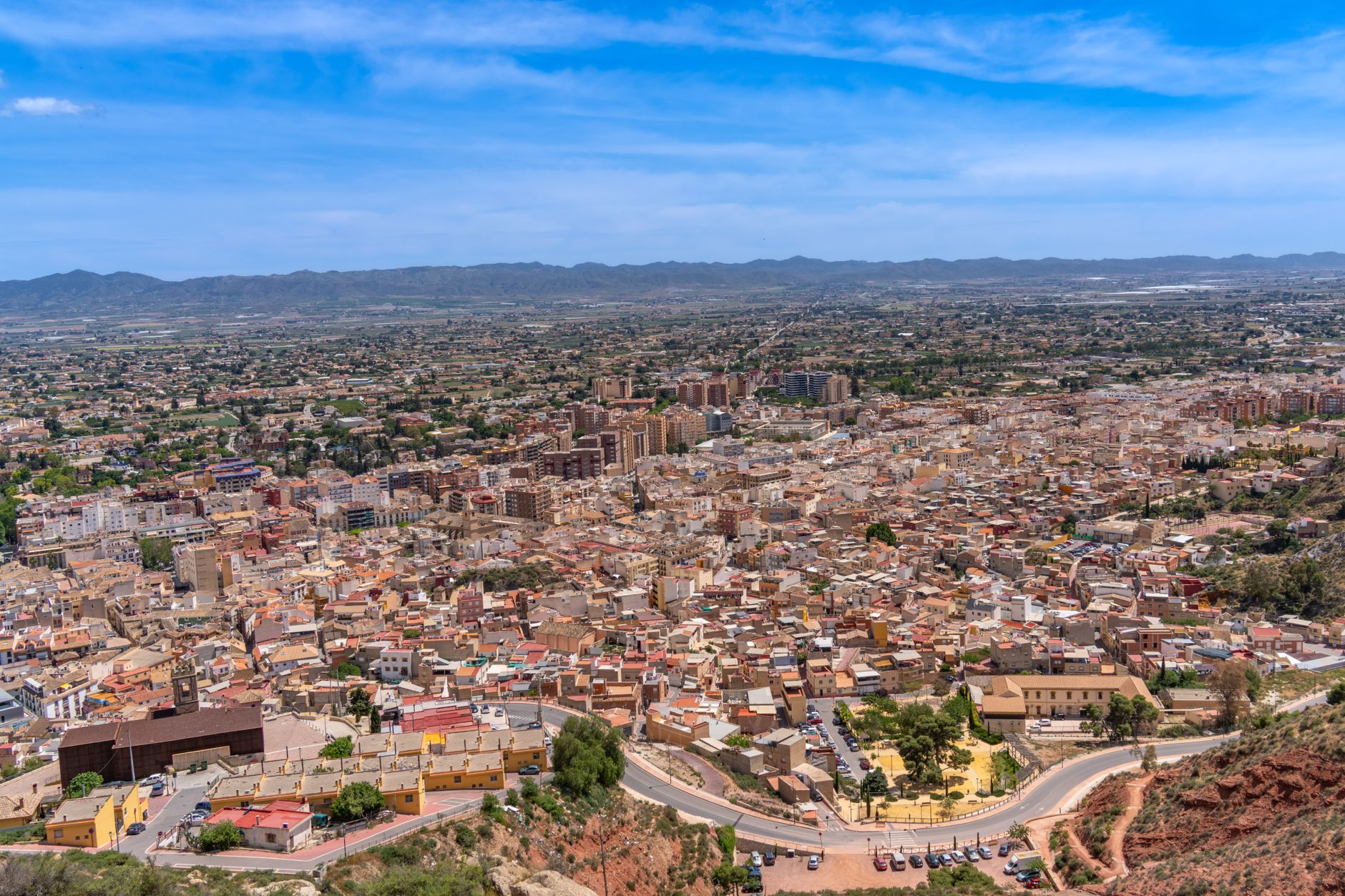
Archaeological finds place Iberian settlements on the Cerro del Castillo well before Roman occupation. The town took its current form under Islamic rule, though it passed into Castilian hands following the Treaty of Alcaraz in 1243. The Order of Santiago held the lordship for centuries, leaving behind the castle that dominates the northern ridge. Through the nineteenth century, phylloxera devastated vineyards across Europe, but the sandy soils here acted as a barrier to the root louse. This allowed the local viticulture to survive when others failed, cementing the reliance on the Monastrell grape that defines the landscape today.
Where it sits
The town sits on a high plateau at the edge of the province of Murcia, hemmed in by dry sierras that block Mediterranean humidity. The terrain consists of limestone scrub and cracked red earth. Summer days bring searing heat that forces life into the shade until sunset, while winter nights frequently drop below freezing. Vast stretches of bush vines grow in isolation across the valley floors. Roads winding through the landscape connect the town to nearby Yecla, crossing flat, open ground where the lack of irrigation keeps the yield low and the stalks gnarled.
What to eat and drink
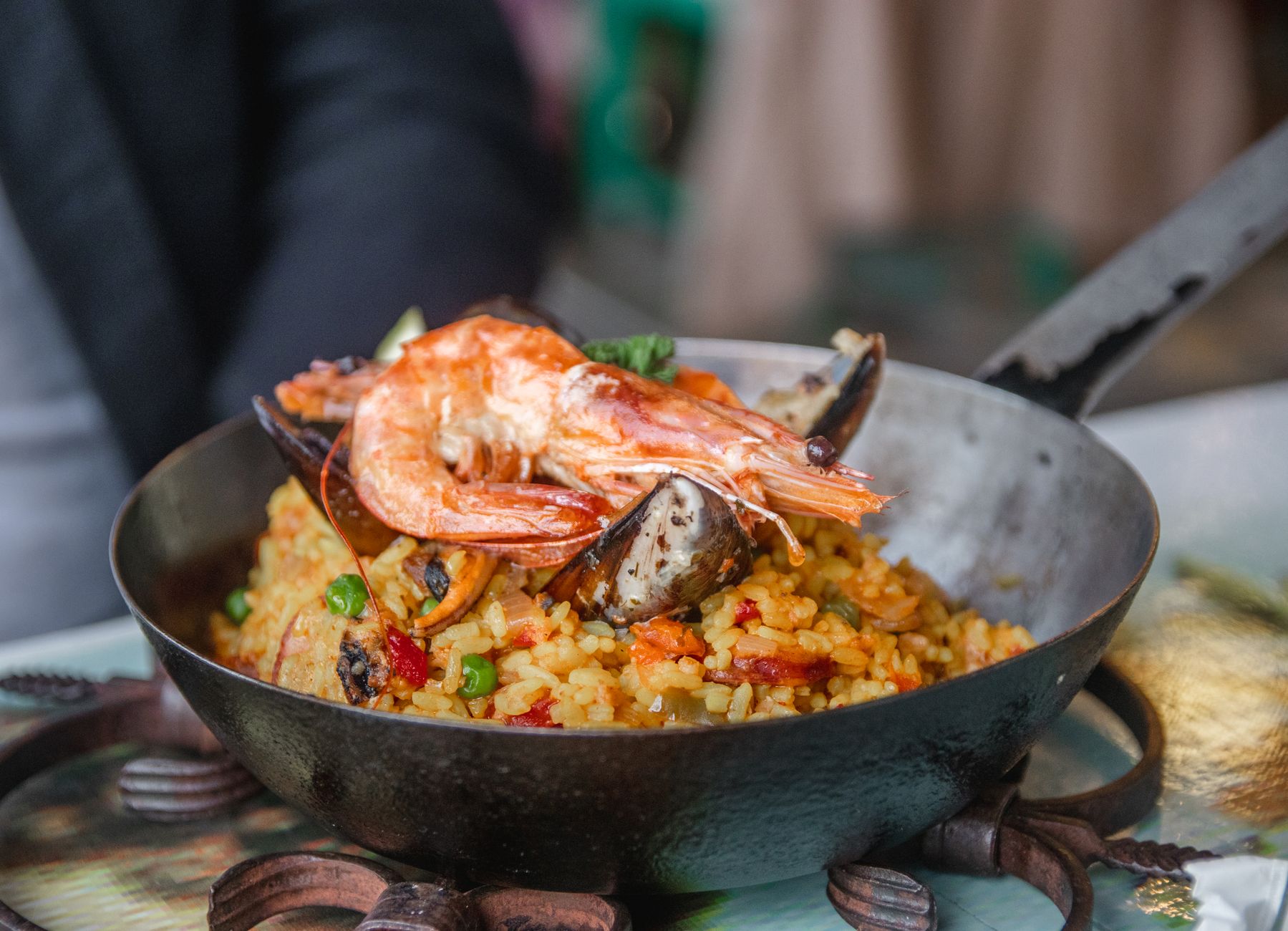
The local diet centers on the rugged output of a dry climate. Gazpacho jumillano, a stew of unleavened bread, game meat, and snails, provides the traditional sustenance for those working the fields. Tortas fritas, fried dough often dusted with sugar or served with savory toppings, appear frequently at the table. Monastrell grapes grown in the surrounding heat produce wines with intense fruit and tannin, intended to pair with the heavy flavors of the local pork products. Dried and cured meats, specifically longaniza, are sliced thin and served alongside these dark, concentrated red wines.
Murcia: the whole region
The driest corner of Spain, and better for it: a region of arid hills, irrigated valleys and a coast that is still mostly open. Cartagena is the surprise — a port with a Roman theatre, an Art Nouveau street and a naval history you can walk…
Minimum 3 days · better 5-6 days · deep 8 days
What's Nearby

Pair It With

In Murcia





In Murcia









Logistics are verified only. We don't publish schedules we haven't confirmed.
Appears In
Ready to build Jumilla into a trip?
You've found a place worth going. When you're ready to turn discovery into an itinerary, Travel Itinerary Co picks up where the Field Guide leaves off — with your saved places already in hand.
Build this into a tripContinues on Travel Itinerary Co
Spain Field Guide may earn a commission when you book through selected links. Recommendations are editorial and independent of commission.