Catedral de Cartagena (Santa María la Vieja)
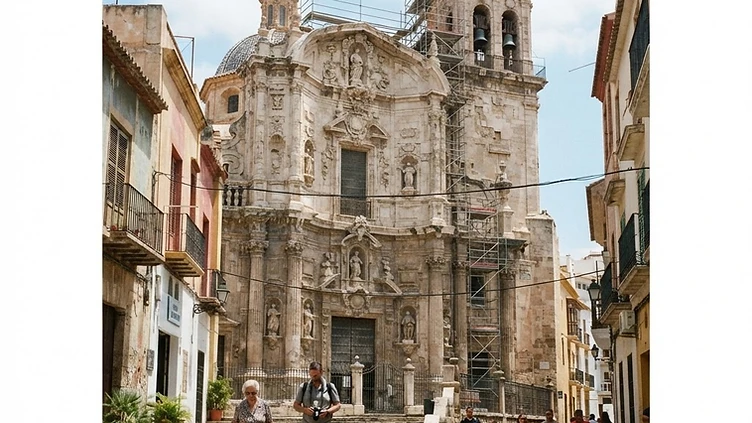
Twenty minutes inside the museum ticket, ten outside. Worth it for the way Roman, medieval and modern Cartagena stack up in one building.
A cathedral left roofless by the Civil War, sitting directly on the Roman theatre it was built over — a ruin that shows the city's layers.
At a Glance
Santa María la Vieja was Cartagena's cathedral until 1936, when the city was bombed and the church burned; the roofless nave has stood over the Roman theatre ever since. Its remains are part of the Roman Theatre museum route, and the building is being slowly restored. It is as much an archaeological site as a church.
How it got here
Cartagena sits at a deep Mediterranean port where the Carthaginians and Romans competed for control of the coast. This cathedral occupied the slope of the Concepciòn hill directly above the theater built by the Romans in the first century. After the Christian conquest of Murcia in the thirteenth century the diocese settled here. The structure burned during the violence of July 1936. The roofless shell now leaves the interior exposed to the sun and wind. Archaeological excavations unearthed the Roman theater foundations directly beneath the site, forcing the ruins into a strange cohabitation of maritime history and ecclesiastical tragedy.
Where it sits
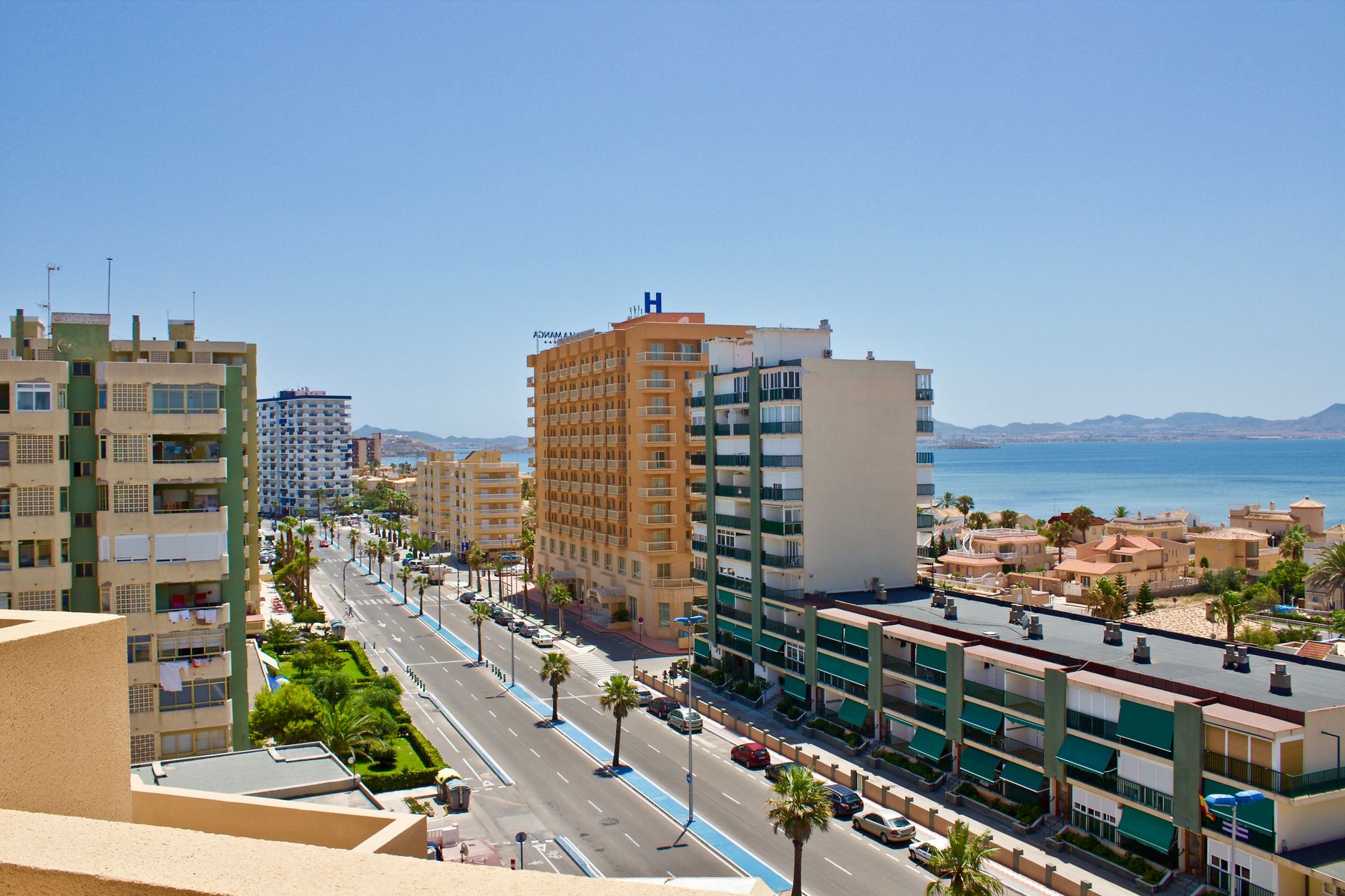
The city huddles between five hills and a protected bay that served as a naval base for centuries. Salt pans and marshes define the coastal landscape to the east. Heat dominates the summer months, forcing life into the shade of narrow streets until the sun drops. Cartagena acts as the gate between the dry plains of the Murcian interior and the Mediterranean. Cold winds occasionally sweep off the water during the winter. Visitors walk uphill from the port through densely packed stone streets that climb toward the ruins overlooking the sea.
What to eat and drink
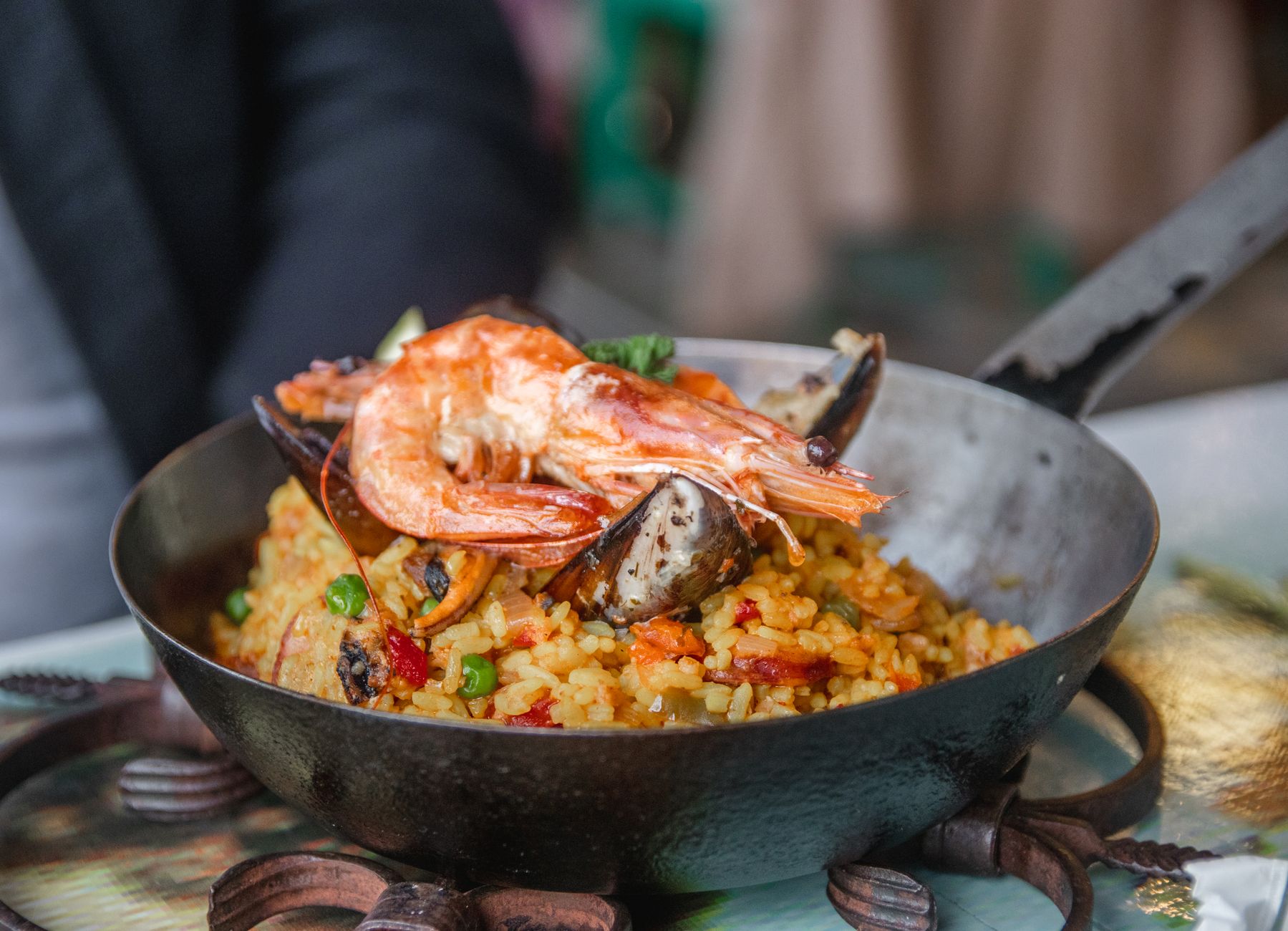
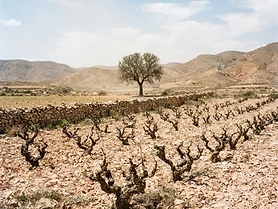
Caldero del Mar Menor is the dish of this coast, a rich rice stew cooked in an iron pot with a broth made from rockfish and ñoras, dried red peppers that give the dish a dark color and deep spice. After the rice, the fish is served separately with allioli. Murcian kitchens rely on the garden produce of the nearby valley, particularly zarangollo, a scramble of zucchini, onion, and egg. Local bars pour glasses of Jumilla, the bold red wine made from Monastrell grapes grown in the high, arid soils of the surrounding province.
Murcia: the whole region
The driest corner of Spain, and better for it: a region of arid hills, irrigated valleys and a coast that is still mostly open. Cartagena is the surprise — a port with a Roman theatre, an Art Nouveau street and a naval history you can walk…
Minimum 3 days · better 5-6 days · deep 8 days
In Murcia




In Murcia


In Murcia








More cathedral in Murcia
Logistics are verified only. We don't publish schedules we haven't confirmed.
Experiences worth booking ahead
Spain Field Guide may earn a commission when you book through selected links. Recommendations are editorial and independent of commission.
Ready to build Catedral de Cartagena (Santa María la Vieja) into a trip?
You've found a place worth going. When you're ready to turn discovery into an itinerary, Travel Itinerary Co picks up where the Field Guide leaves off — with your saved places already in hand.
Build this into a tripContinues on Travel Itinerary Co
Spain Field Guide may earn a commission when you book through selected links. Recommendations are editorial and independent of commission.