Caravaca de la Cruz

Recommended as an overnight, particularly in a jubilee year. Quieter and stranger than its reputation suggests.
A pilgrimage town with a genuine relic, a hilltop sanctuary, and the dry hills of northwest Murcia around it.
At a Glance
- — You want a coast town
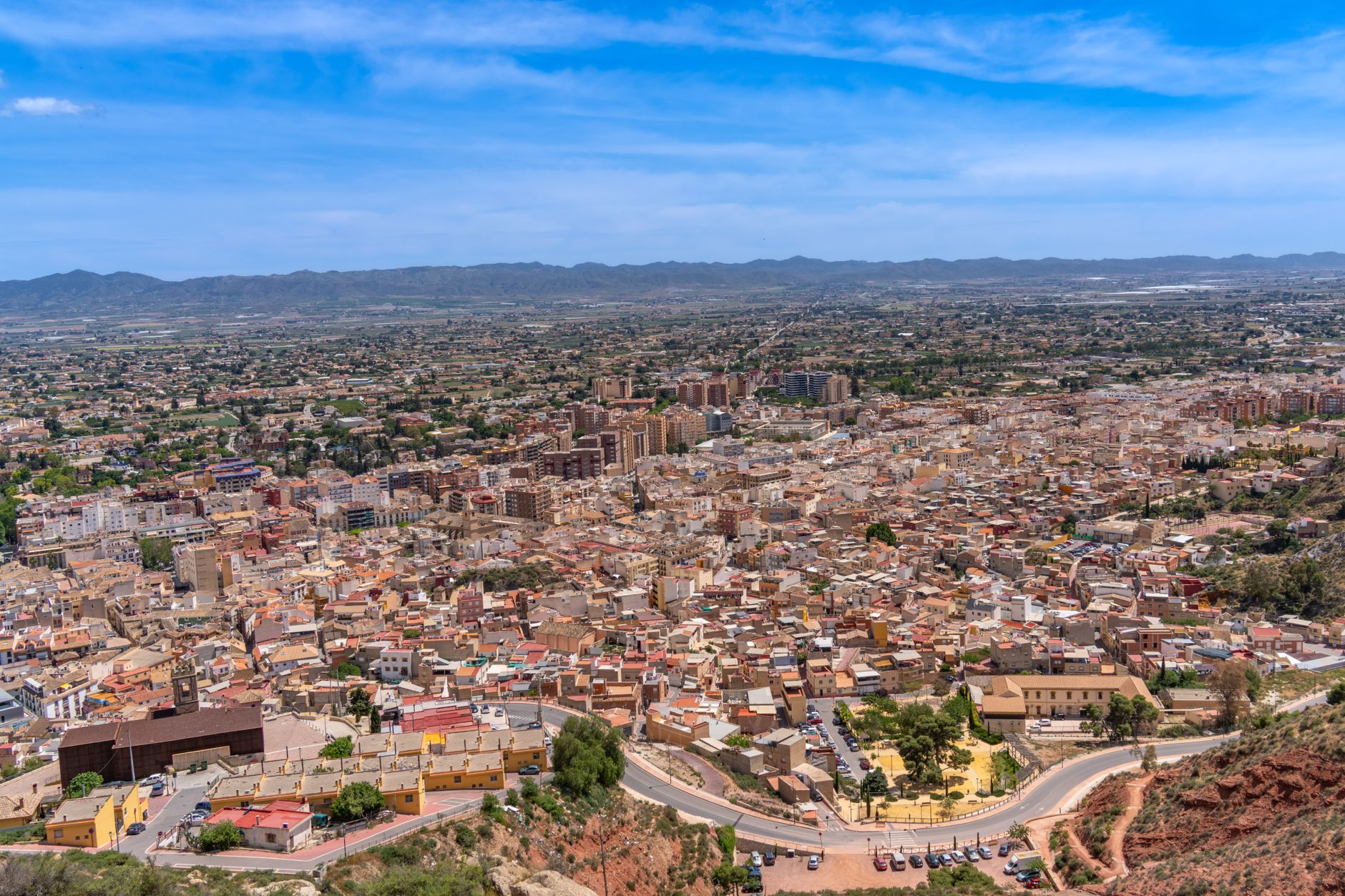
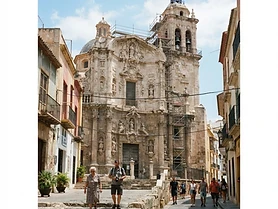
Caravaca is one of the five holy cities of the Catholic world, on the strength of a relic: a cross said to have appeared here in the thirteenth century. That status brings pilgrims, above all in the jubilee years held every seven, and it explains the town's shape, built up the hill to the sanctuary with its fortress walls and the cross on top. The old town is steep and handsome, with mansions paid for by families who made money elsewhere in Spain. Pilgrims take the path up; drivers park below and end up walking it anyway.
How it got here
Iberian and Roman settlements preceded the medieval fortifications here, but the town gained prominence through the Order of the Temple in the thirteenth century. The legend of a miraculous cross appearing in 1231 provided the town a distinct ecclesiastical identity, eventually securing its status as a site of perpetual jubilee. Following the Reconquista, noble families built stone mansions that still line the narrow streets ascending toward the sanctuary. The fortress structure on the hill defines the town layout, turning the path to the sanctuary into the primary artery of movement for inhabitants and visitors alike.
Where it sits
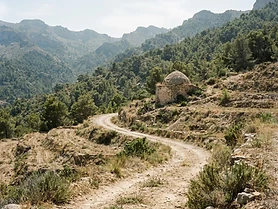
The town occupies the northwest corner of the Murcia region, where the dry plains of the south give way to the rugged Sierra de Segura. Pine forests cover the surrounding limestone ridges, and the air stays thin and sharp during the winter months. Road access follows the winding river valleys from the city of Murcia, connecting the high plateau to the lowlands. Quiet seasons leave the plazas empty, while the seven-year jubilee cycle brings heavy foot traffic to the steep, narrow streets that cut through the old quarter.
What to eat and drink
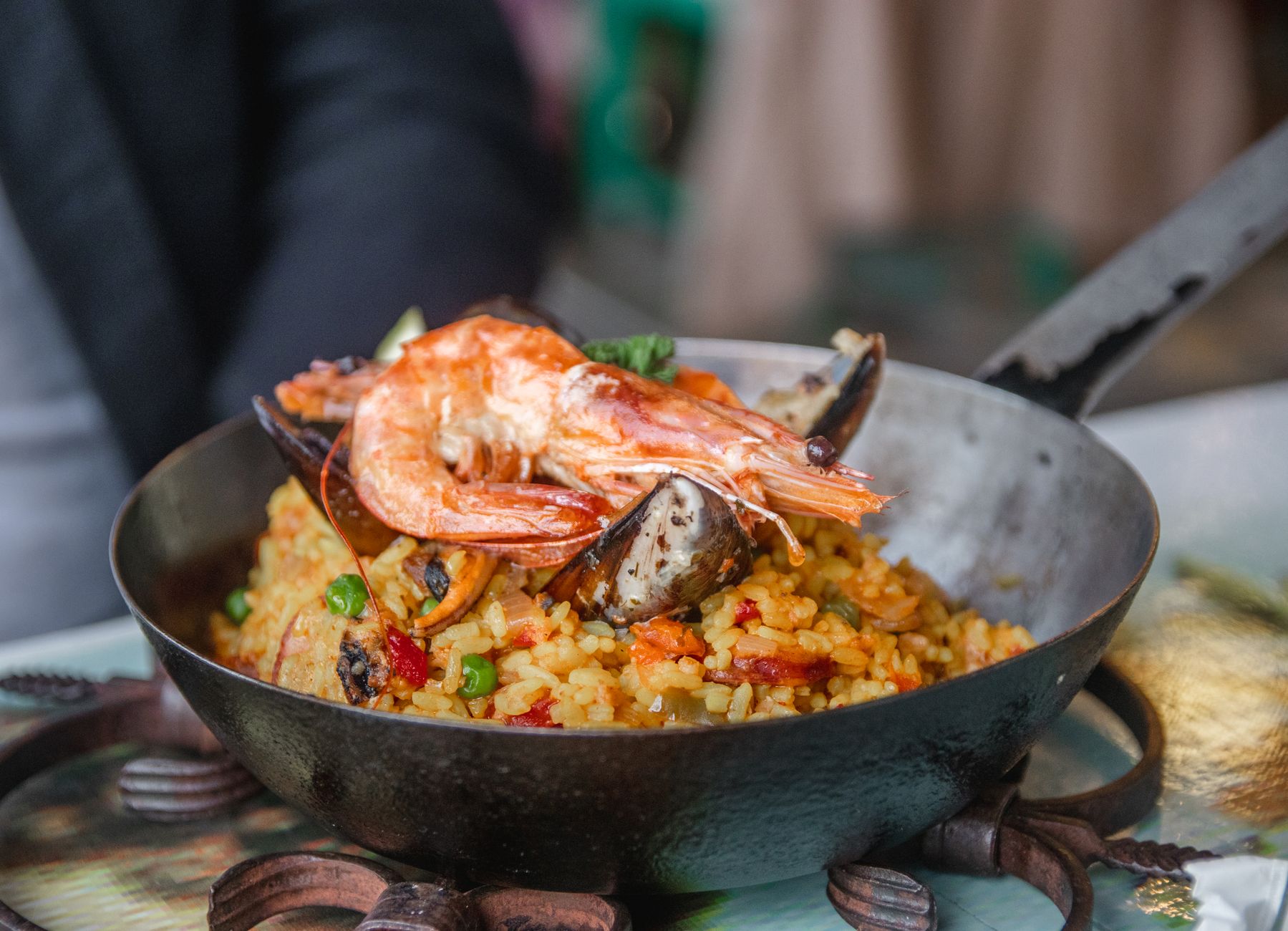
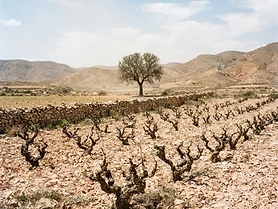
Murcian agriculture dictates the local table, relying on the vegetables of the nearby huerta and the meats of the mountain ranges. Potaje de trigo is a dense stew of wheat, chickpeas, and pork. Migas, made with flour, garlic, and bits of local sausage, provide the traditional caloric foundation for inland life. Yemas, small cakes made of egg yolk and sugar, finish a meal in the traditional confectionery style of the convents. Local wines from the Bullas designation of origin accompany these heavy dishes, drawing on the Monastrell grape that grows in the surrounding high-altitude soil.
Murcia: the whole region
The driest corner of Spain, and better for it: a region of arid hills, irrigated valleys and a coast that is still mostly open. Cartagena is the surprise — a port with a Roman theatre, an Art Nouveau street and a naval history you can walk…
Minimum 3 days · better 5-6 days · deep 8 days
What's Nearby


In Murcia




In Murcia


In Murcia









Logistics are verified only. We don't publish schedules we haven't confirmed.
Appears In
Experiences worth booking ahead
Spain Field Guide may earn a commission when you book through selected links. Recommendations are editorial and independent of commission.
Ready to build Caravaca de la Cruz into a trip?
You've found a place worth going. When you're ready to turn discovery into an itinerary, Travel Itinerary Co picks up where the Field Guide leaves off — with your saved places already in hand.
Build this into a tripContinues on Travel Itinerary Co
Spain Field Guide may earn a commission when you book through selected links. Recommendations are editorial and independent of commission.