Zarangollo

A Murcian tapa. Get it in a Murcia city bar with a fried egg folded in.
Murcia's courgette-and-onion scramble: finely sliced zucchini and onion slowly sautéed in olive oil, sometimes with potato, then bound with egg. A pure huerta tapa from Spain's richest vegetable garden.
At a Glance
- — You dislike courgette
This pure Murcian tapa turns the region's market gardens into a creamy scramble. Zucchini and onions are sliced thin and sautéed patiently in olive oil until they collapse into a sweet, soft base, held together by just enough egg. Find a busy bar in the city center where the cook folds in a fresh fried egg at the last second.
How it got here
Murcia occupies a strategic valley where the Segura river flows toward the Mediterranean. Roman colonists established irrigation channels here that transformed the arid soil into a productive huerta. Medieval engineers expanded these networks to sustain intensive vegetable gardening across the floodplain. This focus on local produce defined the Murcian diet through cycles of occupation and agricultural trade. Zarangollo emerged as a practical adaptation of these market harvests, combining staples of the pantry with the output of the fields. The dish persists today as a record of that reliance on the huerta and the simple methods used to preserve the textures of fresh zucchini and onions.
Where it sits
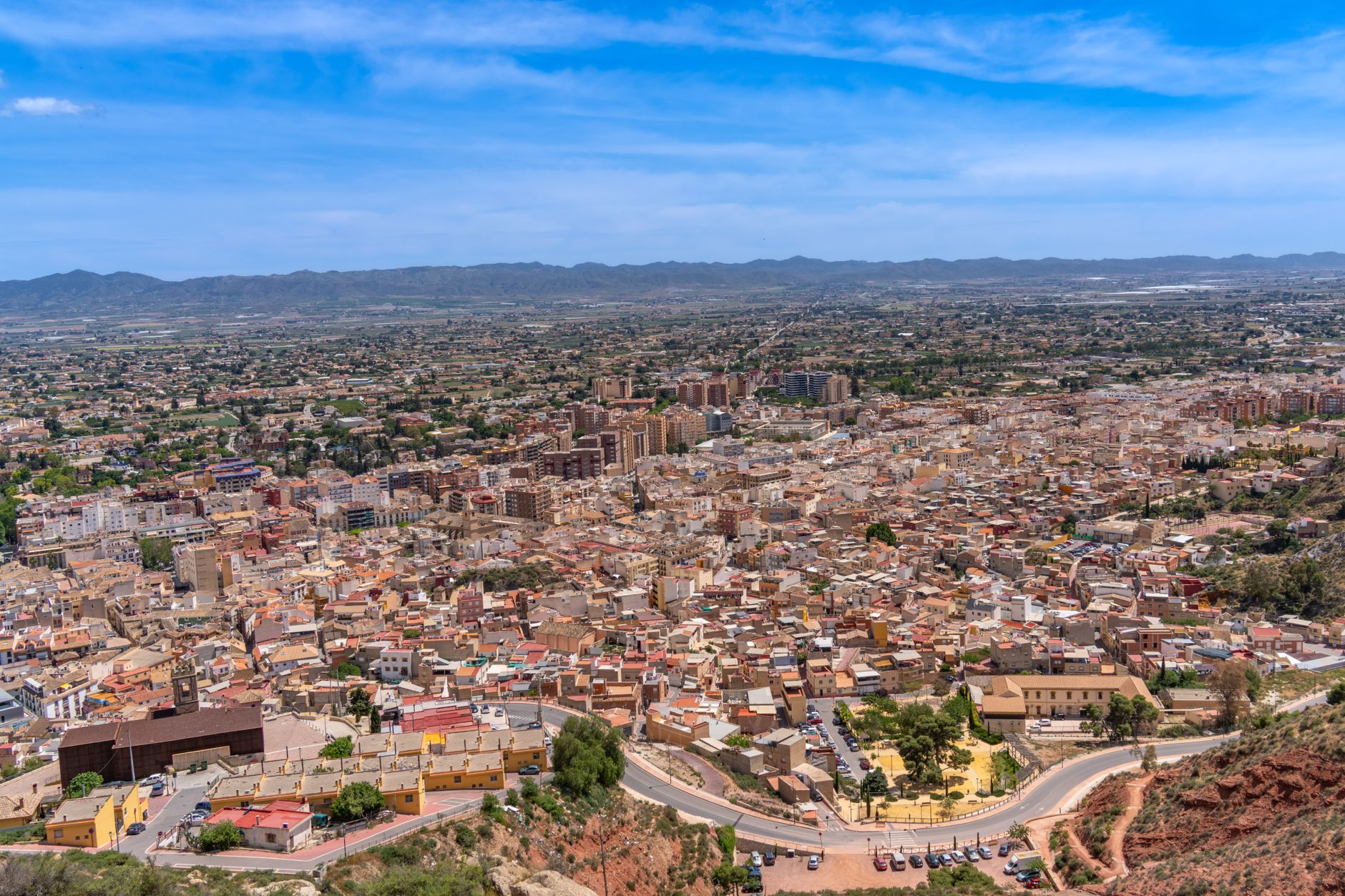
The huerta surrounds the city of Murcia, spreading across a flat plain between dry mountain ranges. The landscape stays bright with citrus and vegetable rows under a persistent sun. Summer heat dries the riverbeds and slows the pace of daily life until evening. Autumn and winter bring cooler temperatures that favor the cultivation of artichokes and peppers. Road networks connect the provincial capital to the coast and the inland plateau, keeping traffic steady throughout the year. The terrain provides few natural barriers, so the city expands easily into the surrounding agricultural zones where the original irrigation canals remain.
What to eat and drink
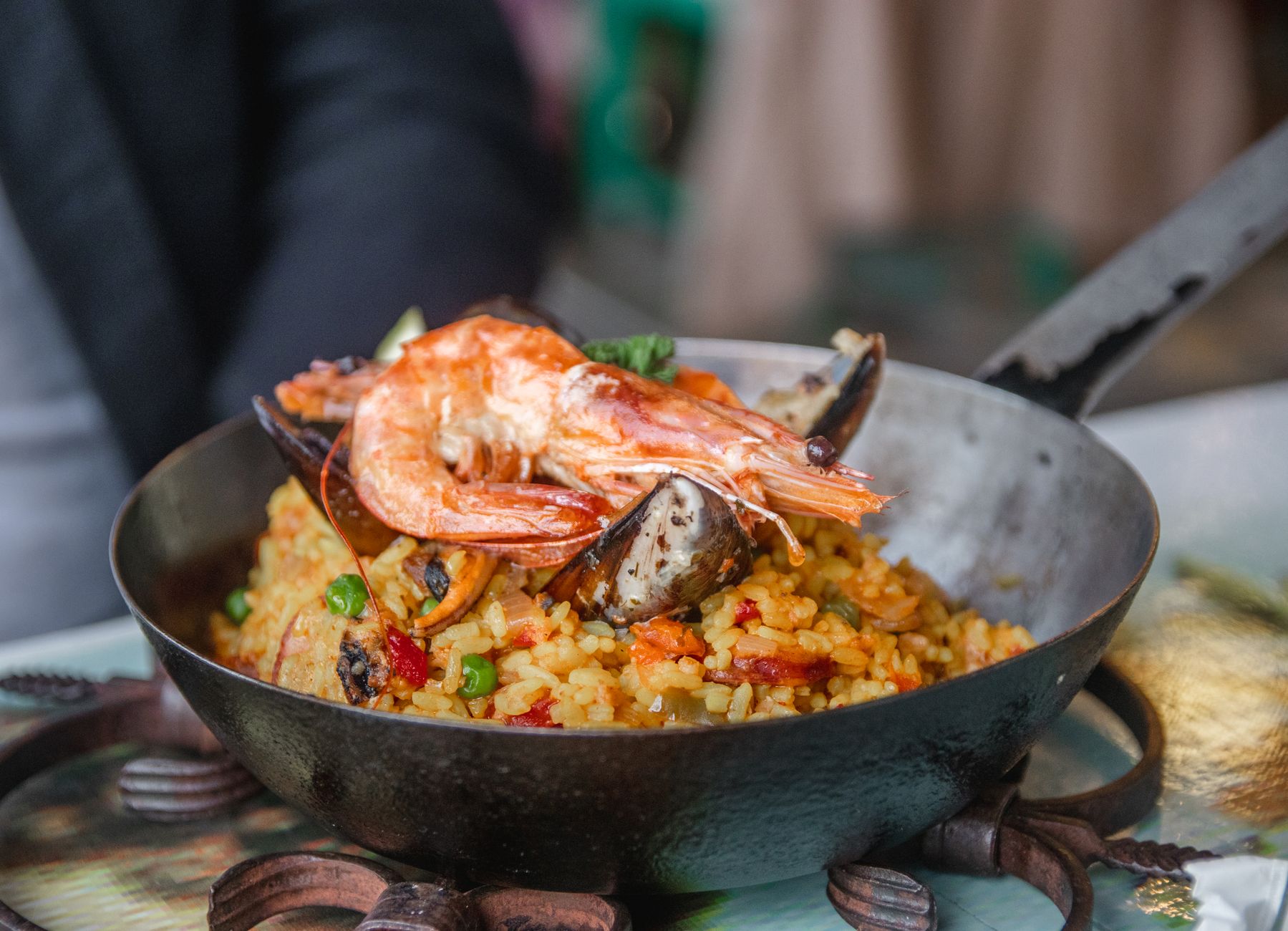
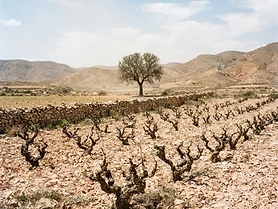
Zarangollo combines sliced zucchini and onions sautéed until tender in olive oil, then bound with beaten egg. Pisto murciano, a thick stew of tomatoes, peppers, and eggplant, relies on the same seasonal abundance. Salpicón de marisco, a cold salad of boiled seafood and diced vegetables, provides contrast during the hot months. The local palate prefers these dishes alongside a glass of Yecla or Jumilla red wine. These wines draw strength from the sun-drenched vineyards found in the high altitude northern reaches of the province, where Monastrell grapes thrive in iron-rich, rocky soils.
Murcia: the whole region
The driest corner of Spain, and better for it: a region of arid hills, irrigated valleys and a coast that is still mostly open. Cartagena is the surprise — a port with a Roman theatre, an Art Nouveau street and a naval history you can walk…
Minimum 3 days · better 5-6 days · deep 8 days
What's Nearby


In Murcia



In Murcia


In Murcia










Linked from elsewhere
Entries that name this place in their own nearby lists.
Logistics are verified only. We don't publish schedules we haven't confirmed.
Ready to build Zarangollo into a trip?
You've found a place worth going. When you're ready to turn discovery into an itinerary, Travel Itinerary Co picks up where the Field Guide leaves off — with your saved places already in hand.
Build this into a tripContinues on Travel Itinerary Co
Spain Field Guide may earn a commission when you book through selected links. Recommendations are editorial and independent of commission.