Murcia Cathedral

Worth an hour for the tower view and the Baroque west facade. The Vélez chapel is the ornate highlight.
A cathedral that took 300 years to build — Gothic, Renaissance, Baroque, and a 90m bell tower that's the emblem of Murcia. The most stylistically layered church in southeast Spain.
At a Glance
- — You're cathedral-fatigued
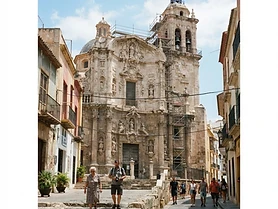
A riot of stone-carved detail defines this stylistic hybrid, where a towering, ornate Baroque facade rises above the city center like a lace-covered monument to religious ambition. The interior is a labyrinth of architectural eras, moving from the heavy, vaulted ribs of the Gothic period to the gilded, dramatic flourishes of later centuries. Climbing the 90-meter bell tower rewards the effort with a sweeping view over the tile-roofed city and the distant, parched hills, confirming the building's status as the undisputed landmark of the region.
How it got here
Construction began in 1394 on the site of a former mosque after the Christian conquest of Murcia. The cathedral occupies the heart of a city established by Abd al-Rahman II in the ninth century along the Segura river. The project spanned centuries as the master builders shifted from the pointed arches of the Gothic period to the ornate carvings of the eighteenth century. Jaime Bort designed the main facade in 1736 to create a massive stone screen that masked the medieval structure behind it. This synthesis of styles marks the transition of the city from a frontier outpost into a center of ecclesiastical power.
Where it sits
The Segura river valley forms a fertile garden known as the huerta which contrasts sharply against the arid mountains surrounding the basin. Rainfall remains scarce throughout the year and the heat intensifies during summer months as dry winds blow from the south. The cathedral tower rises above a grid of narrow streets that date back to the medieval layout of the city. Access to the city comes via road and rail corridors that cut through the low hills separating the inland plains from the Mediterranean coast to the east.
What to eat and drink
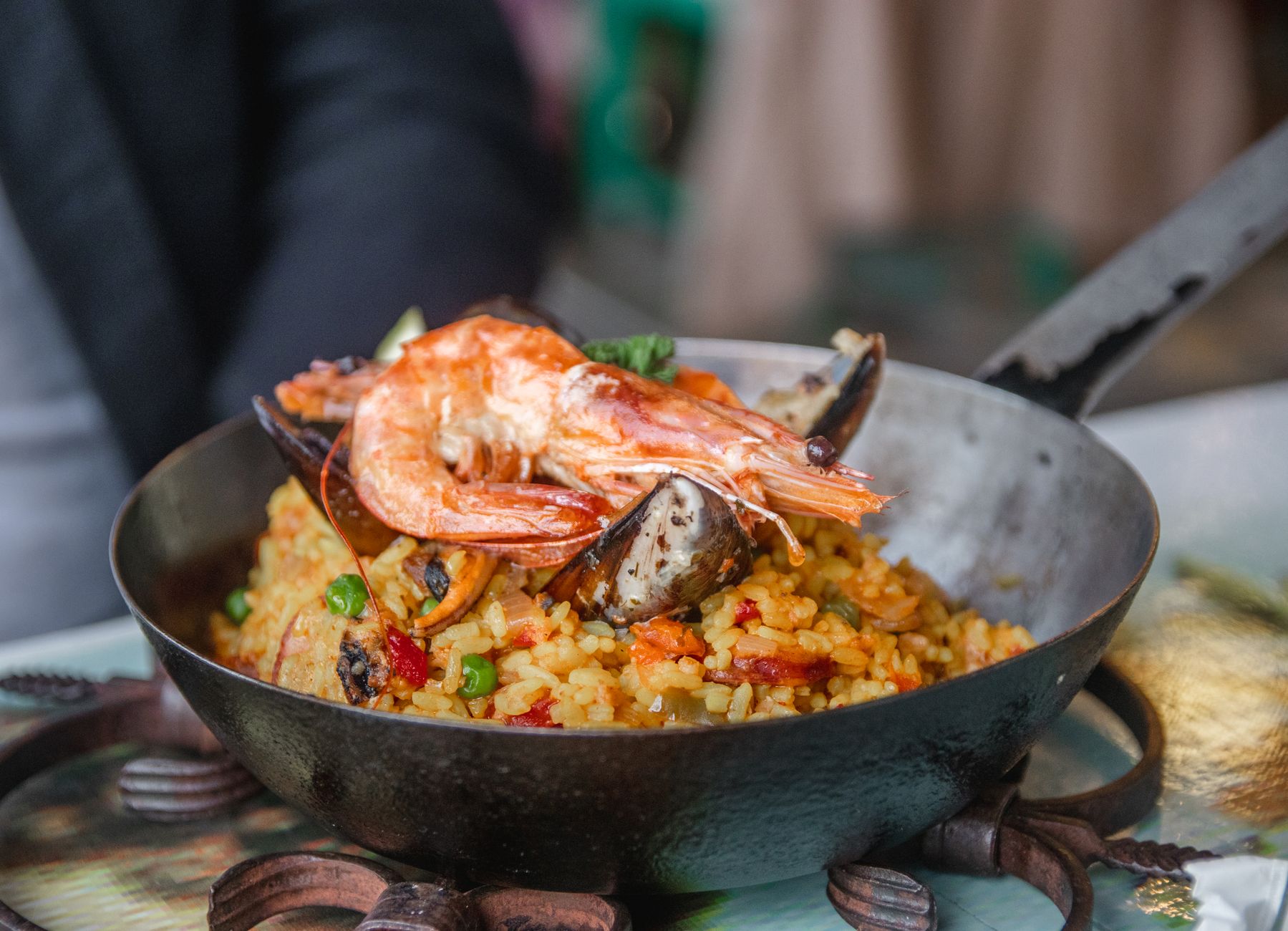
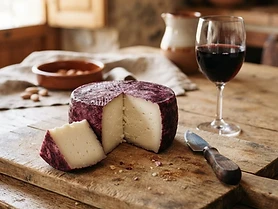
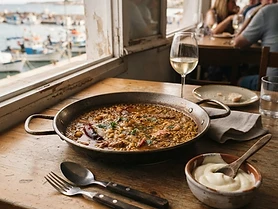
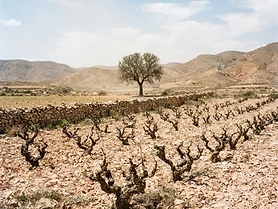
Murcia draws its pantry from the surrounding huerta where vegetables like artichokes and peppers thrive. Zarangollo, a scramble of zucchini, onion, and egg, provides the base for many meals. Rice crops in the nearby Mar Menor region produce caldero, a fish stew cooked in an iron pot with a concentrated broth of ñora peppers and garlic. The province also produces local wines, particularly the monastrell grape which thrives in the sun-drenched, rocky soils of the inland districts, resulting in deep, tannic reds that withstand the heavy summer heat.
Murcia: the whole region
The driest corner of Spain, and better for it: a region of arid hills, irrigated valleys and a coast that is still mostly open. Cartagena is the surprise — a port with a Roman theatre, an Art Nouveau street and a naval history you can walk…
Minimum 3 days · better 5-6 days · deep 8 days

In Murcia




In Murcia


In Murcia









Linked from elsewhere
Entries that name this place in their own nearby lists.
Logistics are verified only. We don't publish schedules we haven't confirmed.
Experiences worth booking ahead
- Murcia: Canyon of Almadenes Rafting, Caves & Photos4.9 (467)3 hrsFrom €29
- Corral de la Moreria Madrid Flamenco Show with Optional Dinner4.8 (2,544)3 hrsFrom €50
- Ultimate Malaga History & Tapas - All Included Full Experience4.9 (210)4 hrsFrom €115
- Cartagena and Murcia - full day shore excursion (cruisers only)4.4 (92)From €109
Spain Field Guide may earn a commission when you book through selected links. Recommendations are editorial and independent of commission.
Ready to build Murcia Cathedral into a trip?
You've found a place worth going. When you're ready to turn discovery into an itinerary, Travel Itinerary Co picks up where the Field Guide leaves off — with your saved places already in hand.
Build this into a tripContinues on Travel Itinerary Co
Spain Field Guide may earn a commission when you book through selected links. Recommendations are editorial and independent of commission.