Museo Salzillo
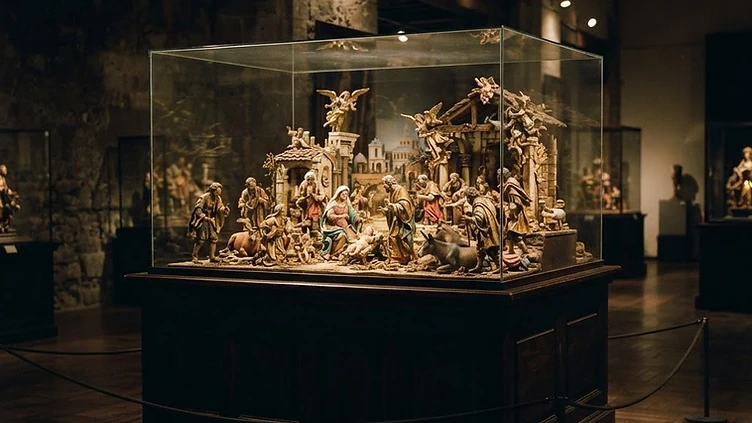
Two hours, and essential in Holy Week, when these are the figures you are watching in the street. Otherwise a good, quiet museum.
The carved processional groups of Murcia's Holy Week, made in this workshop in the 18th century and still carried through the streets each Good Friday.
At a Glance
The Museo Salzillo occupies the church and rooms of the Jesús hermitage in Murcia, where Francisco Salzillo's workshop produced the pasos — the sculpted groups carried through the city on Good Friday. The figures are life-size polychrome wood and the museum explains how the procession works. It is small, unhurried and central.
How it got here
The church of Jesús rose in the eighteenth century to house the Cofradía de Nuestro Padre Jesús Nazareno. Francisco Salzillo drew upon the deep tradition of religious imagery in the Segura valley to create the sculptural groups that define the city Holy Week procession. His workshop produced the wood figures that traveled from this building into the streets each Good Friday. Today the collection holds these original works in the same sanctuary where they were prepared for the ritual cycles of the city. The space preserves the specific aesthetic of the Baroque era in Murcia and clarifies the role of religious sculpture in the social life of the local guilds.
Where it sits
Murcia occupies the fertile floodplains of the Segura river protected by arid mountain ranges that catch the Mediterranean sun. The city acts as the administrative core of a province defined by intense irrigation and heat. Narrow streets surround the museum in the center of the old town where the density of the buildings keeps the shade constant during the summer. Winter brings mild temperatures that encourage movement through the squares. Visitors arrive across the flat plain that opens toward the coast. Life persists at a slow pace outside the heavy tourist weeks of spring.
What to eat and drink
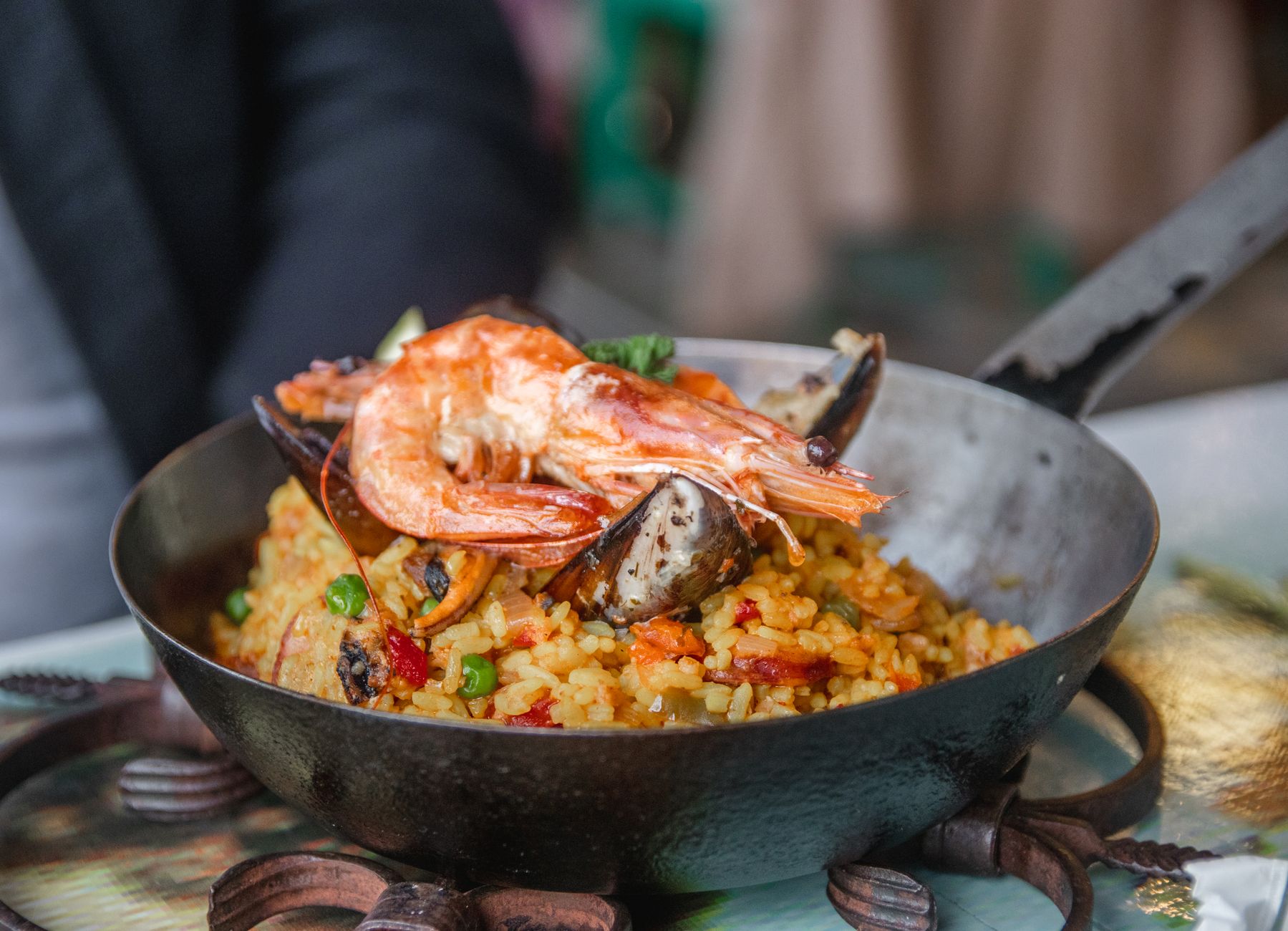
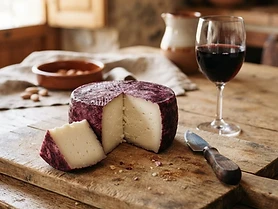
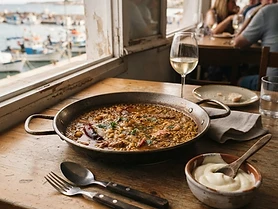
Murcian cooking relies on the vegetables grown in the nearby huerta. Zarangollo, a thick scramble of squash, onion, and egg, appears on most tables throughout the year. Pisto murciano serves as a cold tomato and pepper stew often paired with salt-cured tuna known as mojama. Drink a glass of Jumilla, the bold red wine produced from Monastrell grapes in the northern highlands of the province. Paparajotes, lemon leaves coated in a fried sweet dough and dusted with cinnamon, mark the end of a meal. These dishes demonstrate the combination of garden produce and the preservation methods required by the dry climate.
Murcia: the whole region
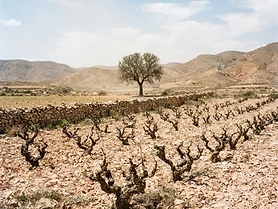
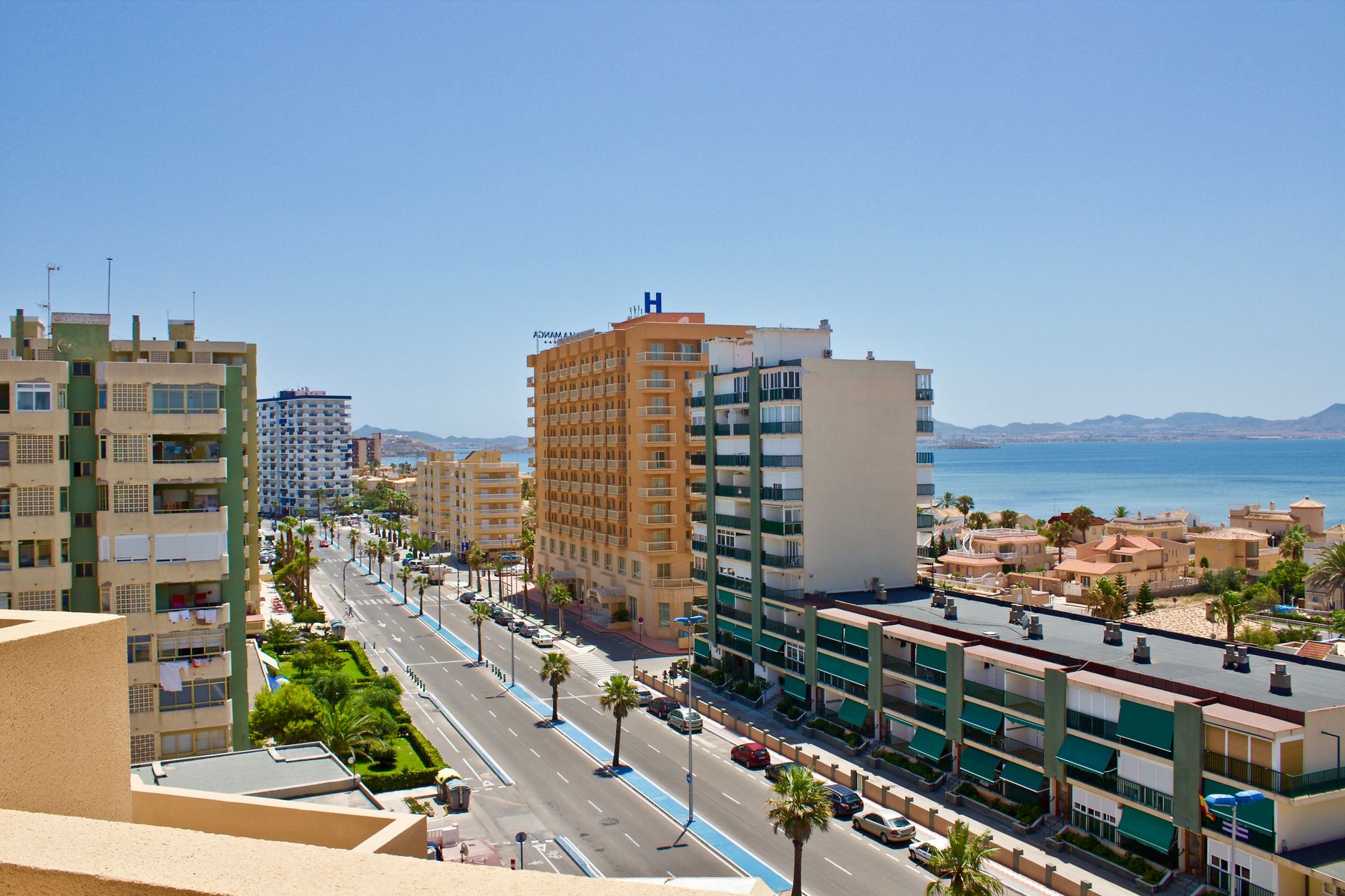
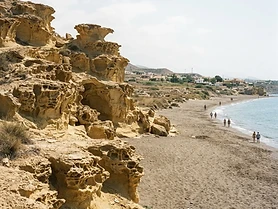
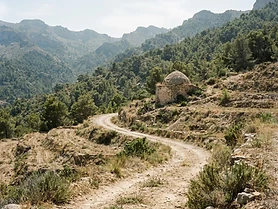
The driest corner of Spain, and better for it: a region of arid hills, irrigated valleys and a coast that is still mostly open. Cartagena is the surprise — a port with a Roman theatre, an Art Nouveau street and a naval history you can walk…
Minimum 3 days · better 5-6 days · deep 8 days
In Murcia




In Murcia


In Murcia








Logistics are verified only. We don't publish schedules we haven't confirmed.
Experiences worth booking ahead
- Murcia: Canyon of Almadenes Rafting, Caves & Photos4.9 (467)3 hrsFrom €29
- Corral de la Moreria Madrid Flamenco Show with Optional Dinner4.8 (2,544)3 hrsFrom €50
- Ultimate Malaga History & Tapas - All Included Full Experience4.9 (210)4 hrsFrom €115
- Cartagena and Murcia - full day shore excursion (cruisers only)4.4 (92)From €109
Spain Field Guide may earn a commission when you book through selected links. Recommendations are editorial and independent of commission.
Ready to build Museo Salzillo into a trip?
You've found a place worth going. When you're ready to turn discovery into an itinerary, Travel Itinerary Co picks up where the Field Guide leaves off — with your saved places already in hand.
Build this into a tripContinues on Travel Itinerary Co
Spain Field Guide may earn a commission when you book through selected links. Recommendations are editorial and independent of commission.