Cartagena

The surprise of the Murcia coast. Do the Roman theatre (newly excavated), the modernist center, and a sunset on the port. Under-visited relative to what's here.
A natural harbor with 2,200 years of history — Carthaginian founding, Rome's richest Spanish colony, a modernist boomtown. More Roman remains per square meter than anywhere except Mérida.
Mar Menor · Calblanque Natural Park · Roman Theatre of Cartagena · Cala Cortina
At a Glance
- — You're not on the Costa Cálida
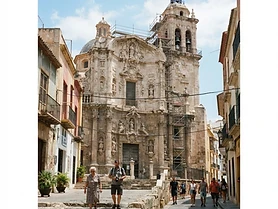
This deep-water natural harbor is a palimpsest of history, where 2,200-year-old Roman theater tiers sit just steps away from the ornate, glass-fronted modernist facades of the Calle Mayor. Salt air clings to the ruins while naval cranes loom over the shipyard, creating a gritty friction between industrial reality and ancient splendor. Visitors can descend into the dark, excavated Roman corridors before surfacing to find a plate of fresh seafood in the bustling port, where the legacy of the Carthaginians and the architectural vanity of the 19th century collide in plain sight.
How it got here
Hasdrubal the Fair founded Qart Hadasht in 227 BCE as a strategic base for Carthaginian expansion in the Iberian Peninsula. Scipio Africanus captured the city for the Roman Republic in 209 BCE, renaming it Carthago Nova and prioritizing its deep harbor for silver extraction and naval logistics. The city reached heights of administrative prominence during the Roman period before suffering decline in the Middle Ages. Architectural layers from these centuries persist alongside the 19th century surge in mining and trade, which endowed the center with the dense modernist streetscapes that define the current city profile today.
Where it sits
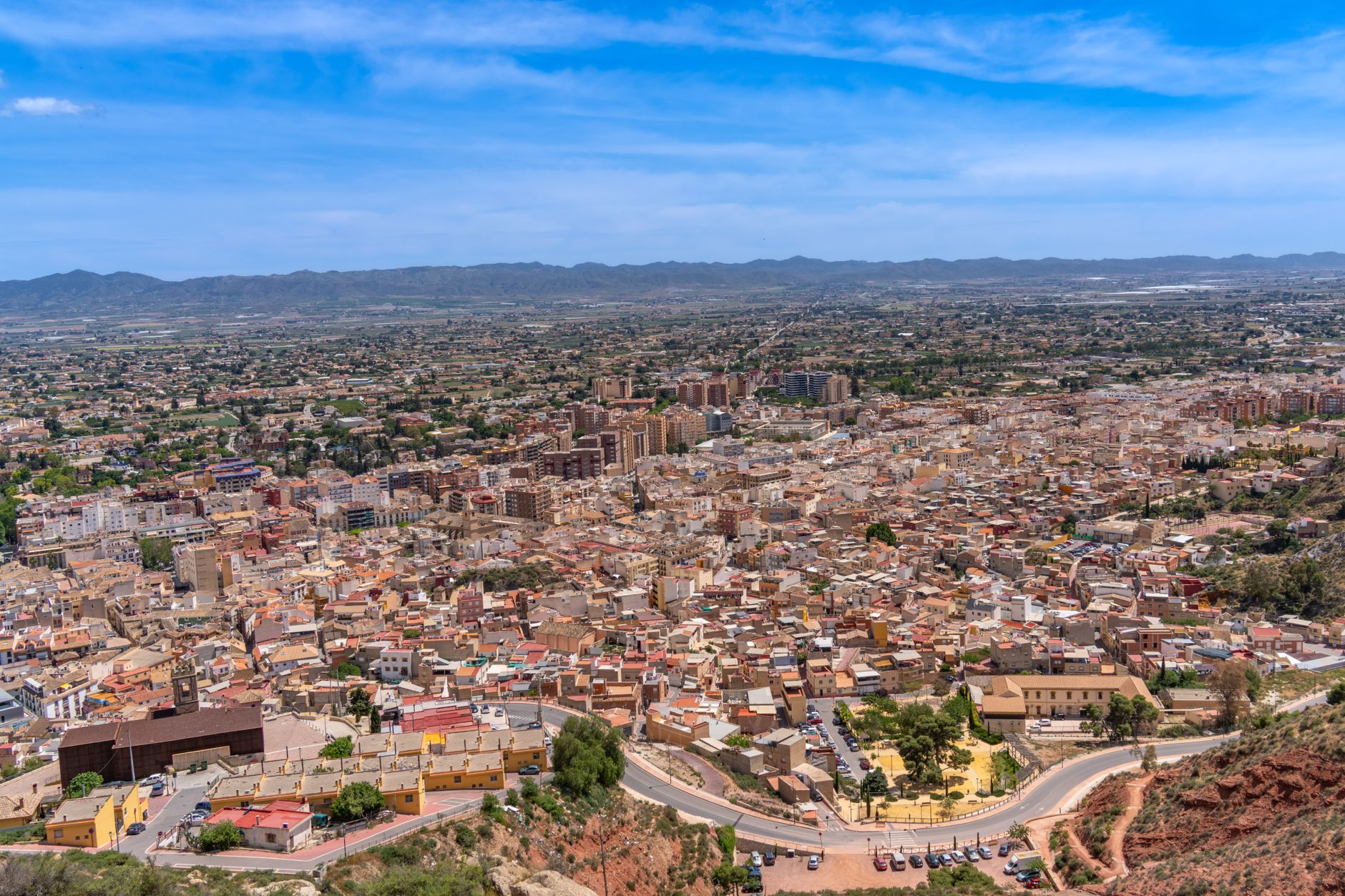
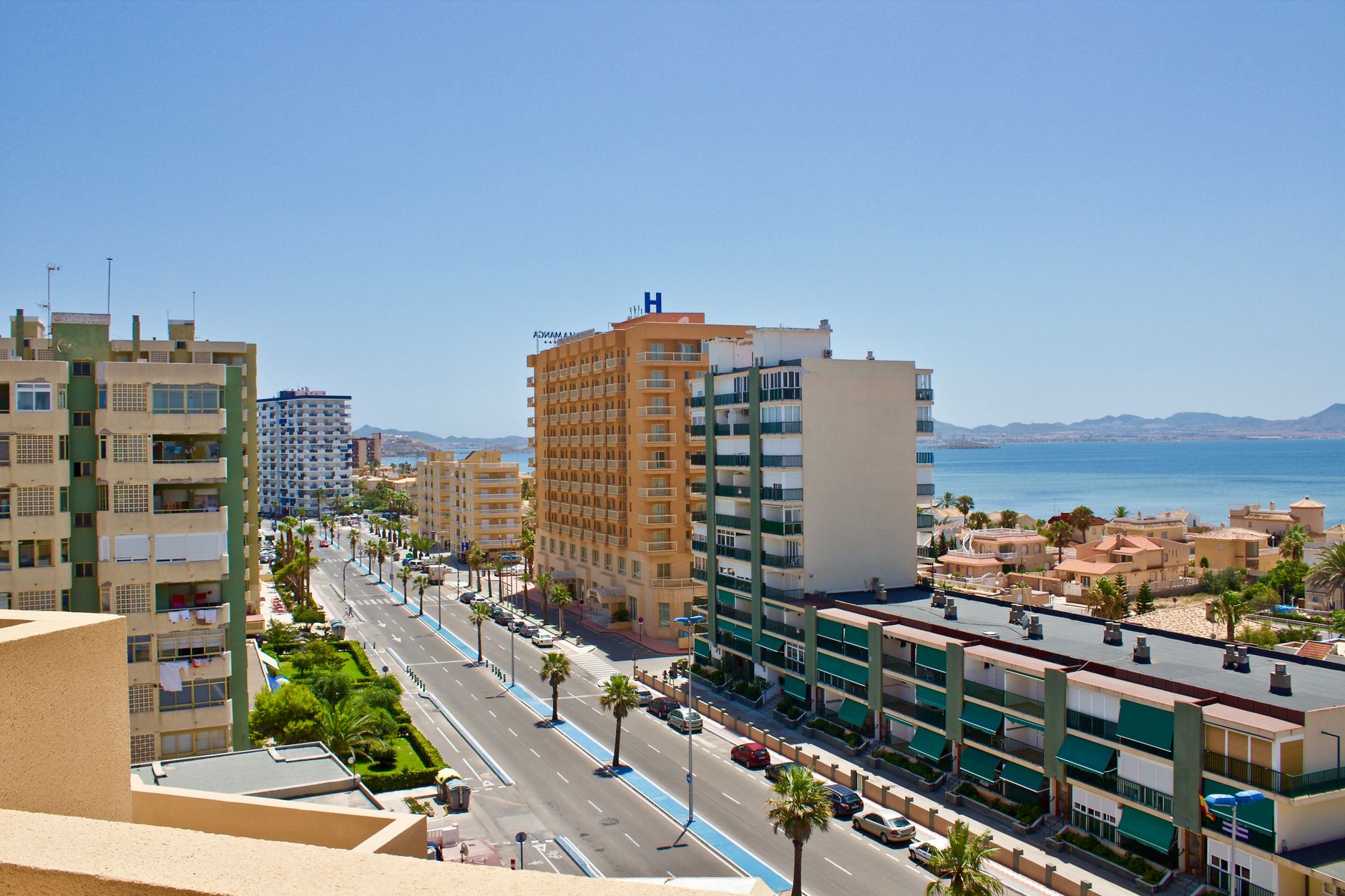
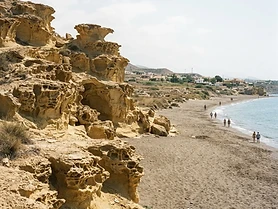
The city sits at the center of a protected bay on the Mediterranean coast of Murcia. Dry, scrub-covered hills surround the basin, separating the port from the flat, agricultural plains of the inland Campo de Cartagena. Hot, arid winds from the southern interior dominate the summer months while sea breezes regulate the winter. Heavy industrial shipping lanes occupy the eastern basin, creating a stark contrast with the pedestrian plazas of the old city. Steep, narrow streets climb the surrounding hillsides, providing vantage points over the naval installations and the sprawling Mediterranean horizon beyond the harbor entrance.
What to eat and drink
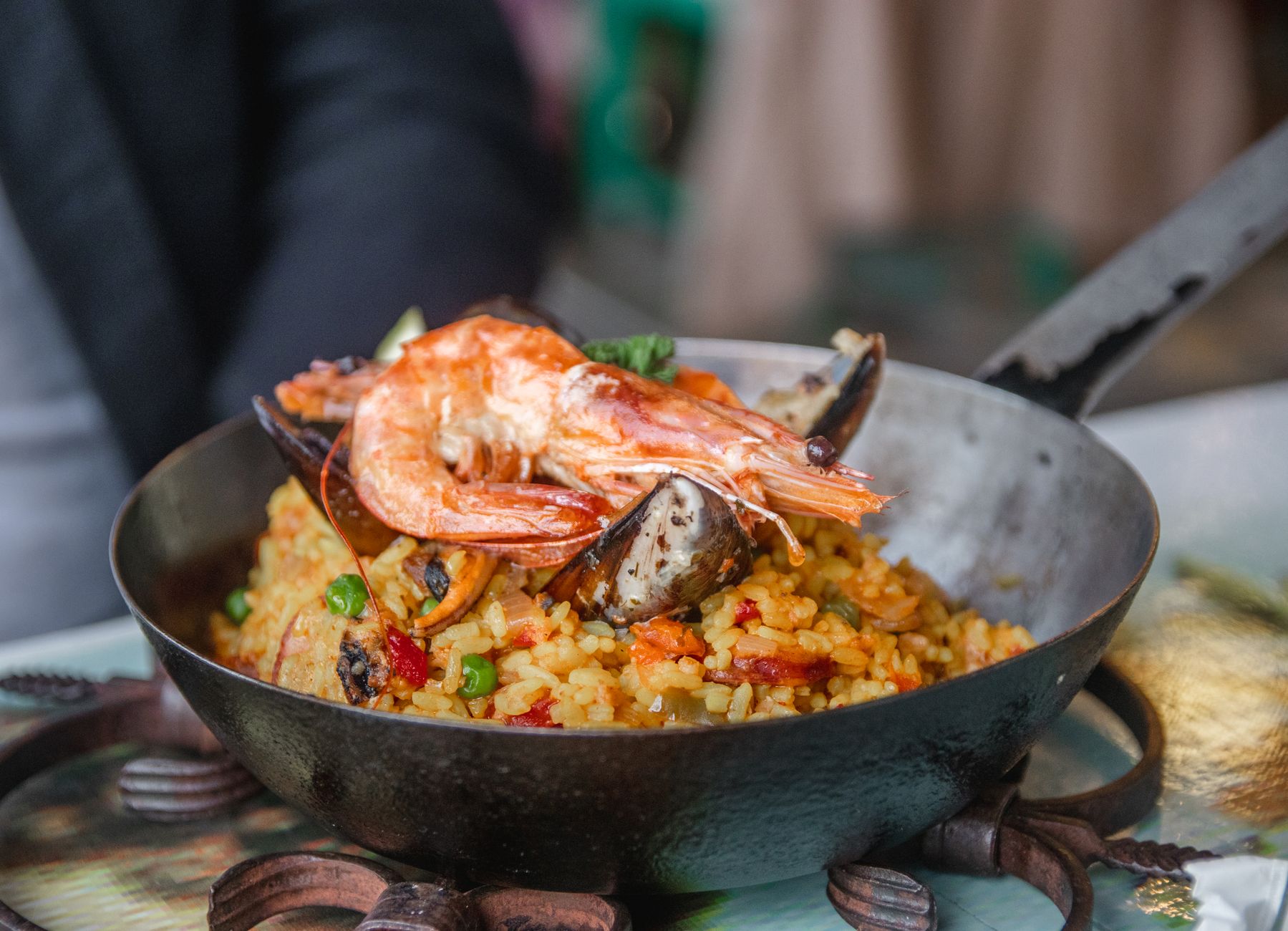
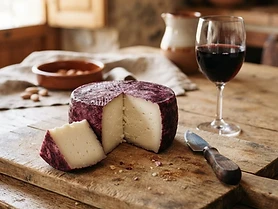
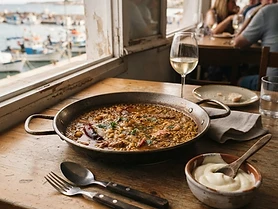
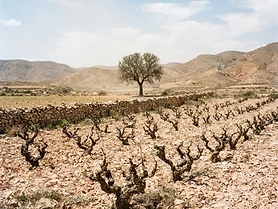
Caldero del Mar Menor defines the local table, a robust rice dish cooked in an iron pot with a broth of rockfish and ñora peppers, typically served with alioli. Seafood harvested from the adjacent coastal waters appears in salted preparations or simply grilled. Salazones, a regional staple of salt-cured fish like tuna or roe, accompany dry white wines produced in the nearby Jumilla or Yecla appellations. A local coffee called Asiático provides a traditional finish, combining espresso with condensed milk, brandy, and Licor 43, a cinnamon and vanilla liqueur produced in the province.
Murcia: the whole region
The driest corner of Spain, and better for it: a region of arid hills, irrigated valleys and a coast that is still mostly open. Cartagena is the surprise — a port with a Roman theatre, an Art Nouveau street and a naval history you can walk…
Minimum 3 days · better 5-6 days · deep 8 days
In and around Cartagena


In Murcia




In Murcia


In Murcia






Linked from elsewhere
Entries that name this place in their own nearby lists.

Logistics are verified only. We don't publish schedules we haven't confirmed.
Experiences worth booking ahead
Spain Field Guide may earn a commission when you book through selected links. Recommendations are editorial and independent of commission.
Ready to build Cartagena into a trip?
You've found a place worth going. When you're ready to turn discovery into an itinerary, Travel Itinerary Co picks up where the Field Guide leaves off — with your saved places already in hand.
Build this into a tripContinues on Travel Itinerary Co
Spain Field Guide may earn a commission when you book through selected links. Recommendations are editorial and independent of commission.