Alicante DO

Go for Fondillón — a 500-year-old sweet wine made nowhere else. Taste at Bodegas Gutiérrez de la Vega or SalSiPuedes. Pair with the Costa Blanca.
A coastal-and-inland DO producing Moscatel dessert wines, Fondillón (a unique aged sweet red), and Monastrell reds around the town of Villena and the Marina Alta.
At a Glance
- — You're only in Alicante for the beach
Salt-crusted breezes from the Costa Blanca drift into the cellars of the Marina Alta, where this ancient wine region preserves a singular, sweet red called Fondillón. Crafted from over-ripe Monastrell grapes, the wine spends a decade aging in enormous barrels, resulting in a dark, nutty elixir that tastes of toasted walnuts and dried figs. It is a slow, patient relic of the 16th century, far removed from the mass-produced labels of the modern coast. Sip it cool in the dim, stone-walled silence of a local bodega, preferably alongside a sliver of sharp, aged local cheese.
How it got here
Phoenicians and Greeks introduced viticulture to these Mediterranean shores, but the production of the fortified Fondillón wine established the reputation of the region during the fifteenth and sixteenth centuries. The unique solera aging process developed here relied upon long periods of stability in wooden casks, a technique that preserved the wine for export to royal courts across Europe. While phylloxera eventually devastated many vineyards in the nineteenth century, the traditional Monastrell vines survived in isolated plots. These ancestral vines sustain the current identity of the region, maintaining a link to the viticultural methods that defined the coastal landscape long before modern agricultural practices altered the surrounding countryside.
Where it sits
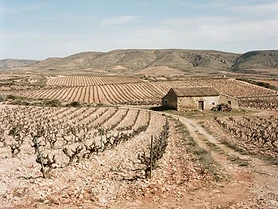
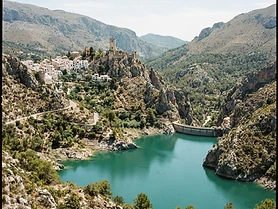
Vines climb the limestone slopes of the Sierra de Salinas and the Vinalopó valley, shielded from the immediate salt spray of the coast by rugged mountain ranges. The landscape shifts from the arid, sun-baked plains of the interior to the terraced hillsides where the heavy heat of summer concentrates the sugars in the fruit. Winter brings sharp, cold air down from the plateaus, which dictates the dormant cycle of the vines. Roads wind through narrow mountain passes that connect the small inland towns, keeping the viticultural heart of the province removed from the heavy tourist traffic of the sandy coastline.
What to eat and drink
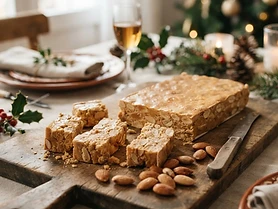
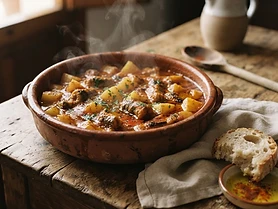
Fondillón remains the singular liquid legacy of the region, a dark, oxidative wine produced exclusively from over-ripe Monastrell grapes left to dry on the vine. It carries a heavy, nutty complexity distinct from common dessert wines. For a meal, look for arroz con costra, a baked rice dish topped with a golden egg crust and local sausage that creates a savory contrast to the sweetness of the wine. Small, dried fish from the nearby coast often precede the main course, while the local almond crop provides the base for turrón, a dense confection of honey and toasted nuts essential to the province.
Valencia: the whole region
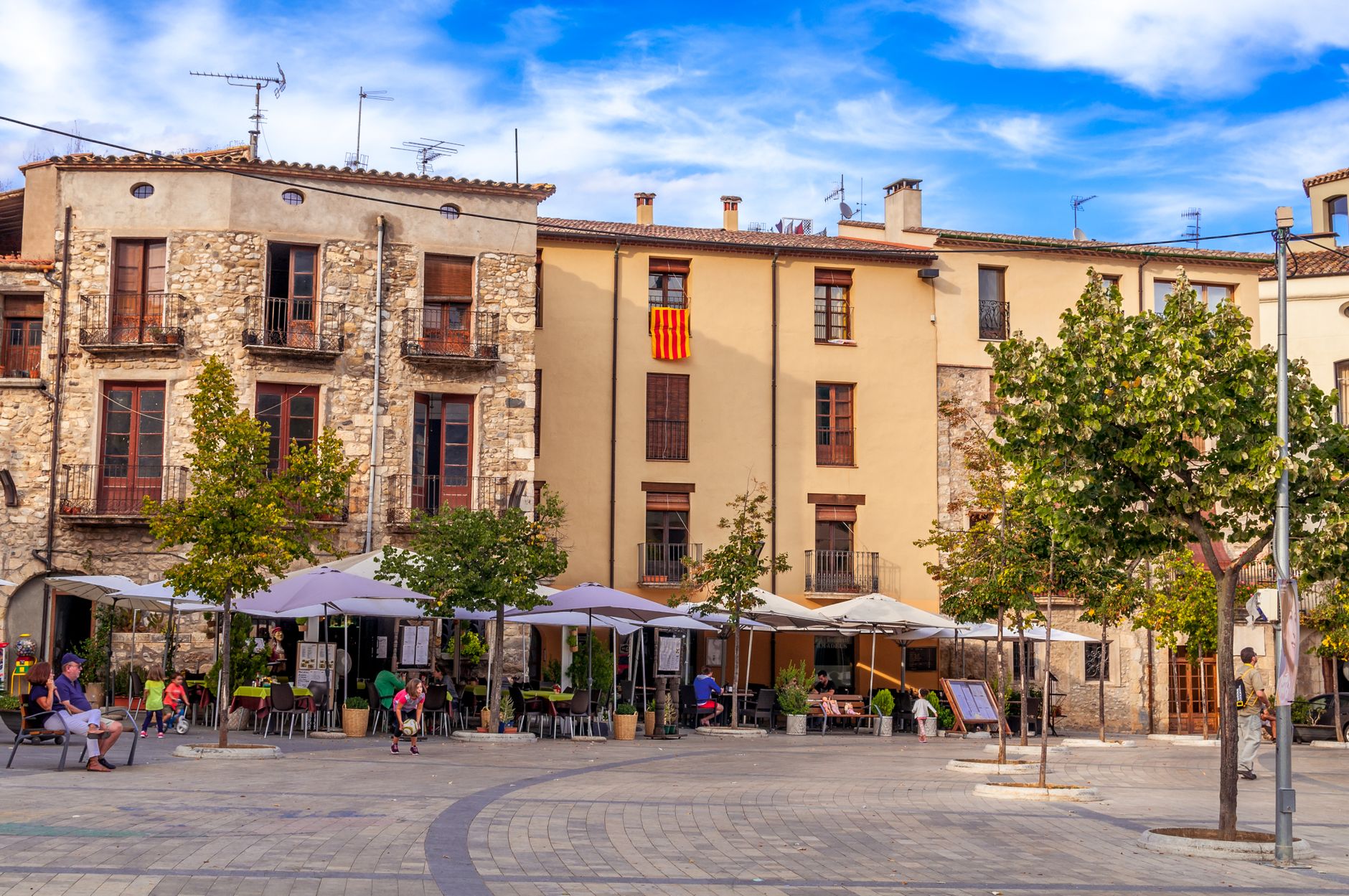
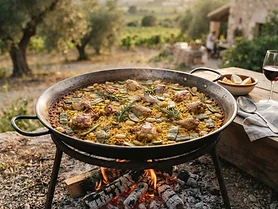
A long, hot, flat coast with one excellent city at its centre and much emptier country behind it. Valencia itself earns three days on its own — the old town, the Central Market, the City of Arts, and the rice that was invented in the…
Minimum 3 days · better 5-6 days · deep 8-10 days

Pair It With


In Valencia










In Valencia












Linked from elsewhere
Entries that name this place in their own nearby lists.
Logistics are verified only. We don't publish schedules we haven't confirmed.
Appears In
Ready to build Alicante DO into a trip?
You've found a place worth going. When you're ready to turn discovery into an itinerary, Travel Itinerary Co picks up where the Field Guide leaves off — with your saved places already in hand.
Build this into a tripContinues on Travel Itinerary Co
Spain Field Guide may earn a commission when you book through selected links. Recommendations are editorial and independent of commission.